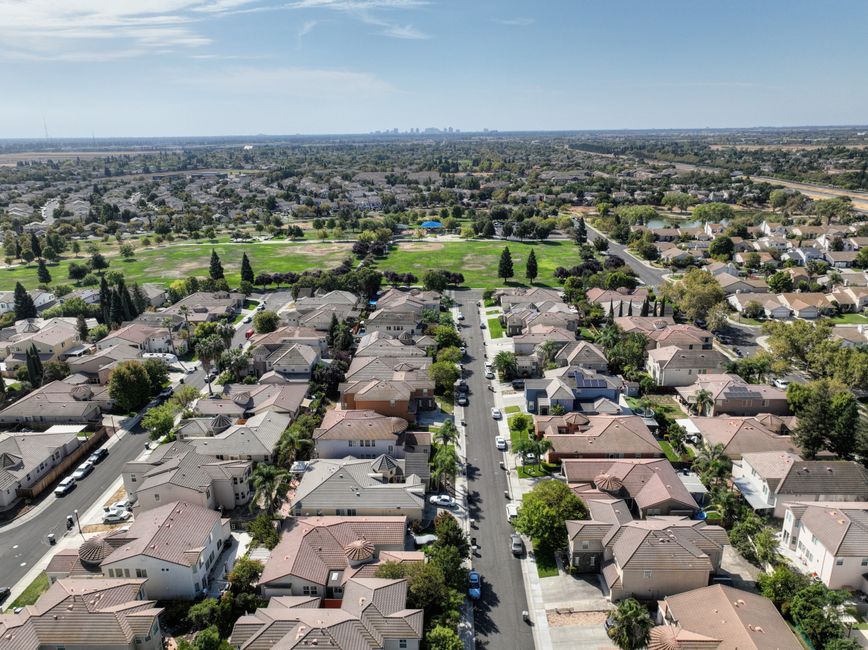
I rolled into Sacramento on a gray February morning expecting nothing much and found myself staying three months. The capital city isn't flashy—no tech hype, no coastal drama—but there's something steady about it that makes sense when you're thinking long-term. Empty nesters and early retirees I met at coffee shops and farmers markets kept saying the same thing: it works if you know what you're getting. So I dug in.
Retirement in California is complicated. The state's taxes bite hard, housing can be punishing, and healthcare is only as good as your insurance and proximity to decent facilities. Sacramento doesn't solve all these problems, but it does some things better than the coastal metros. The winters are mild. The summers are hot and dry. The cost of living is lower than San Francisco or San Diego, but not low. And the doctors are here.
Cost of Living: Real Numbers, Honest Assessment
Housing in Sacramento runs roughly 20-30% cheaper than the Bay Area, depending on the neighborhood. A two-bedroom house in decent condition in a reliable area might run $450,000 to $650,000, sometimes more if you want newer construction or a particular neighborhood. That matters when you're on a fixed income, though it also means Sacramento is expensive compared to most of the country.
Rent follows a similar pattern. A one-bedroom apartment in a central neighborhood runs $1,200 to $1,600 a month. Utilities are reasonable—electricity is moderate, no heating bills to speak of, though summer air conditioning adds up. Groceries are standard California pricing, maybe slightly below Bay Area levels. The bigger savings come from property taxes if you buy. California's Prop 13 keeps property tax assessment frozen at purchase value (though recent changes have modified this somewhat), which helps long-term owners.
The real financial pressure isn't housing or groceries. It's healthcare, especially if you're self-insuring before Medicare at 65. State income tax in California runs up to 13.3% for high earners, among the highest in the nation. If you're retired and drawing from investments or a pension, you'll want to understand those implications—but that's a conversation for a tax advisor, not a travel writer.
Healthcare: Solid Access, Room for Shopping Around
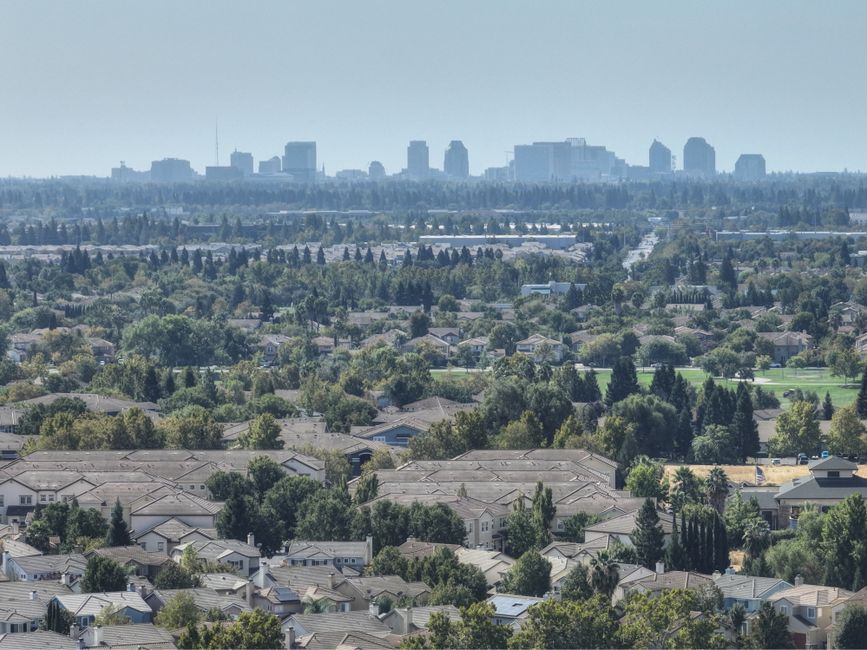
Sacramento is home to UC Davis Medical Center, a major academic hospital, plus Sutter Health facilities and Kaiser facilities. For a capital city, that's meaningful. Specialists aren't hard to find. The VA has a presence here too. Walk into most neighborhoods and you'll see cardiology offices, orthopedic clinics, physical therapy places. Urgent care is everywhere.
The catch: finding the right doctor takes legwork, same as anywhere. Insurance networks matter hugely. If you're Medicare-eligible, supplemental coverage and Part D drug plans are competitive here—lots of local insurers offer plans. If you're pre-Medicare, your options narrow and costs rise, which is true everywhere in the state. I talked to one retiree who moved here specifically because her daughter is a doctor at UC Davis, which gave her comfort even though she didn't need to use family connections. That's one calculus.
Walnut Creek (a suburb east of Sacramento, though technically in the East Bay) and the Auburn foothills area also have solid medical infrastructure if you're considering the periphery. But for straight-up hospital access and specialist density, Sacramento itself is the stronger bet.
Climate: Mild Winters, Brutal Summers, Tule Fog in Between
Sacramento sits in the Central Valley, and that geography matters. Winters are mostly gray and wet but rarely cold—frost happens, but heavy snow is rare. You might get three months of light jackets and occasional rain. For people fleeing heavy snow or Eastern winters, it's a relief.
Summers are another story. By July and August, temperatures regularly hit 95 to 105 degrees. It's dry heat, which some people find more tolerable than humidity, but it's still hot. Air conditioning isn't optional. Spring is genuine—flowers, mild temps, not too long. Fall is similar, pleasant and gradual. The problem season is late fall through early spring, when tule fog can roll in for weeks. It's not dangerous like mountain fog, but it's gray, oppressive, and can mess with mood. People with seasonal affective disorder sometimes struggle.
If you hike or bike, you'll want to plan around the summer heat. Morning walks are necessary. Winter outdoor activity is feasible most days. Overall, the climate is easier than most of California for a retiree on a budget—no coastal marine layer lingering month after month, no desert heat requiring migration plans.

Neighborhoods Worth Considering: Midtown, East Sacramento, and Citrus Heights
Midtown Sacramento is the social hub. It's walkable, dense, and full of younger retirees and empty nesters. You've got bars, restaurants, galleries, coffee shops where people actually talk to strangers. Housing here is expensive for Sacramento—condos and bungalows run $600,000 and up. But if you want walkability and cultural activity, this is where it is. I spent an evening here at a wine bar and felt like I was in a smaller, slower version of Portland. It's real, not forced.
East Sacramento, inland from downtown, is more residential and quieter. Houses are big, lots are established, trees are mature. It's where families have lived for decades, but plenty of retirees have too. Less nightlife, more stability. Prices here are somewhat lower than Midtown but still substantial. It feels slower, less trendy, which appeals to some people and bores others.
Citrus Heights, north of Sacramento proper, is more suburban and cheaper. You get a car culture feel and more sprawl, but also newer infrastructure and more shopping. Healthcare is accessible via Sutter facilities. It's not charming, but it works if you want lower housing costs and don't mind driving. Some retirees I met had settled here specifically to stretch retirement savings while staying near enough to Sacramento's medical and cultural core.
A Nearby Alternative: Folsom and the Foothills
If Sacramento proper feels too hot or too flat, Folsom is worth a day trip to scope. It's 30 minutes east, slightly cooler, and built partly around the reservoir and historic district. Housing is comparable to east Sacramento, maybe slightly cheaper. It has a small-town feel with real infrastructure. A retired engineer I met preferred Folsom because he could hike and kayak on weekends without leaving town.
The foothills beyond Folsom—areas like Coloma and the Gold Country communities—are cooler, quieter, and cheaper. But they're also more isolated and farther from major healthcare. They work if you're mobile and healthy, less so if you need frequent doctor visits or prefer proximity to restaurants and culture.

Taxes and Financial Reality
California taxes are high. State income tax peaks at 13.3%. Sales tax in Sacramento County runs around 7.875%. These are facts that affect retirees living on investment income, pensions, or Social Security. I'm not a tax professional, but I can tell you that people I met who relocated to Sacramento from elsewhere often cited tax considerations. Some moved because they had family or jobs there and accepted the tax hit. Others had done the math and found that lower housing costs offset higher state taxes. A few regretted the state tax rate and were weighing relocation.
If you're considering Sacramento, run the numbers with someone who understands your specific income sources. Social Security benefits have different tax treatment than investment income, for instance. Some retirees benefit from California's property tax system; others don't. It's not a reason to dismiss Sacramento, but it's not something to ignore either.
The Realistic Picture
Sacramento works for retirement if you want California's climate and culture without the Bay Area or LA price tag. It's not cheap—it's California—but it's cheaper. Healthcare is accessible. The climate is manageable. There are neighborhoods with character and walkability, and others that are purely functional. You can have a social life or a quiet life, depending on where you land.
It doesn't work if you're on a tight fixed budget—you'd be better off looking at the Central Valley towns farther away from the capital, or other states entirely. It doesn't work if you hate hot summers or need mountains and water year-round. And it requires accepting that you're staying in California with its taxes and regulations, which some retirees treat as a dealbreaker.
The people I met who seemed happiest here had chosen it deliberately. They'd visited multiple times. They had doctors identified or family nearby. They understood the cost structure and had made peace with it. That intentionality matters more than the location itself.