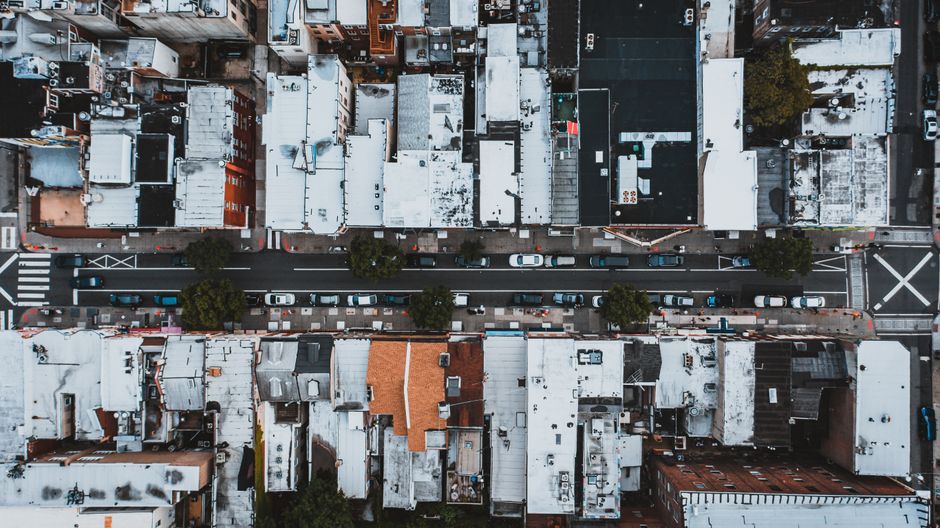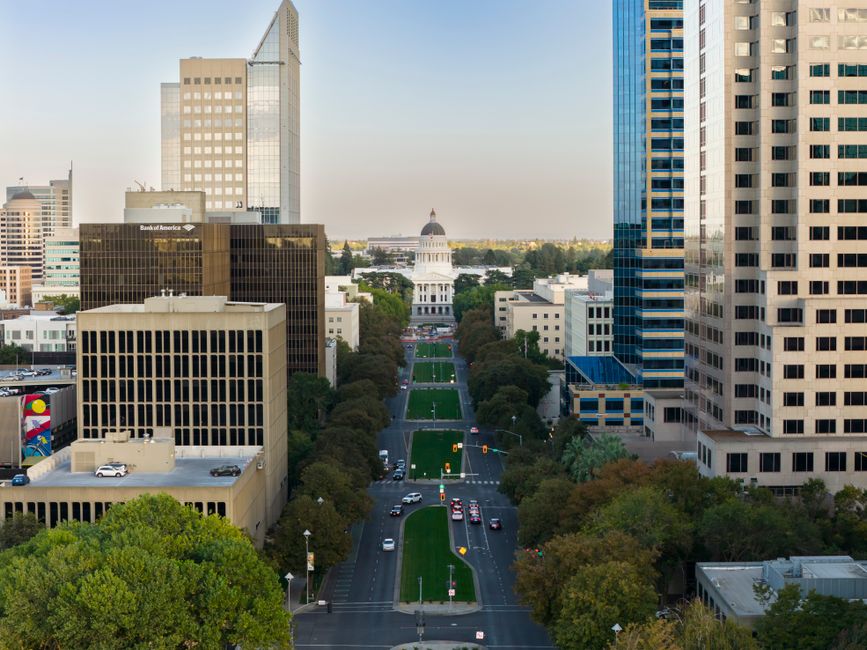
I rolled into Sacramento on a Thursday afternoon expecting a quiet capital city and got something more interesting—a place with real character, actual neighborhoods instead of a generic downtown corridor, and the kind of casual feel that makes you want to stay longer than you planned. The city's not small, but it's not sprawling either, and that works in your favor as a solo traveler. Most of it is safe and walkable if you know which blocks to prioritize and which routes to skip late at night.
The honest truth is that Sacramento has the same baseline city safety issues you'd find in any mid-size American city: petty theft in some areas, property crime concentrated in specific blocks, and the standard "don't be stupid" rules that apply everywhere. The city's violent crime rate sits below the national average, which doesn't make headlines but actually matters when you're deciding whether to visit solo. What matters more is knowing the actual geography of where trouble clusters and adjusting your movement accordingly.
Downtown After Dark and the Warehouse District
Downtown Sacramento around K Street and the Old Sacramento waterfront area is vibrant and busy during the day and early evening. Museums, the Capitol building, decent restaurants—it all feels fine when the sun's out and there's foot traffic. But like most downtowns, it thins out after 9 or 10 p.m., and the foot traffic that remains gets sketchier. You'll see more aggressiveness, property crime, and people in crisis. It's not a war zone, but it's the part of the city where you notice the social problems more.
The Warehouse District to the north, around Richards Boulevard and the old industrial blocks, has been gentrifying for years but still has pockets that feel unsafe, especially once darkness hits. Some of it is genuinely fine—there are breweries and newer restaurants that pull decent crowds—but the transition is abrupt. A well-lit restaurant district can be two blocks from blocks that feel genuinely abandoned. If you're bar-hopping or catching late dinner, stick to the main drags with visible crowds and bright storefronts. Skip the shortcuts through the quieter streets at night.

The Area Around 16th and Del Paso: Hands-Off Zone
Del Paso Boulevard north of downtown and the neighborhoods immediately around 16th Street have higher property crime and are less friendly to solo visitors, especially after dark. This isn't a tourist area anyway—there's nothing that would draw you there—but if you're exploring neighborhoods, this is one to skip or visit only during daylight with a clear purpose. The issues are primarily property crime and street-level drug activity rather than direct violence toward visitors, but the combination creates an atmosphere where you stand out and don't feel welcome.
It's the same basic logic you'd apply anywhere: if you don't have a specific reason to be there and it doesn't feel right, don't force it. There are much better neighborhoods to explore.
Mid-Town and the Land Park Area: Actually Pretty Good
Mid-Town Sacramento, running along J Street and the surrounding blocks, is where solo travelers actually want to be spending time. It's walkable, it has bars and restaurants and coffee shops, the foot traffic is steady even at night, and the overall vibe is friendly and mixed. There are homeless people and the occasional aggressive panhandler, but nothing more than you'd encounter in any decent city neighborhood. The streets are reasonably well-lit, and there are usually people around. It's where locals actually go, not a theme park version of Sacramento.
Land Park, south of downtown near the river and the zoo, is genuinely nice if you want to escape the denser urban feel. Neighborhoods are tree-lined, quieter, and residential. It's safe for solo travel during normal hours, though the river walk after sunset gets less foot traffic and starts feeling isolated. Curtis Park, the neighborhood immediately around the park itself, is also solid—working and middle-class, diverse, and normal.
Practical Precautions That Actually Matter
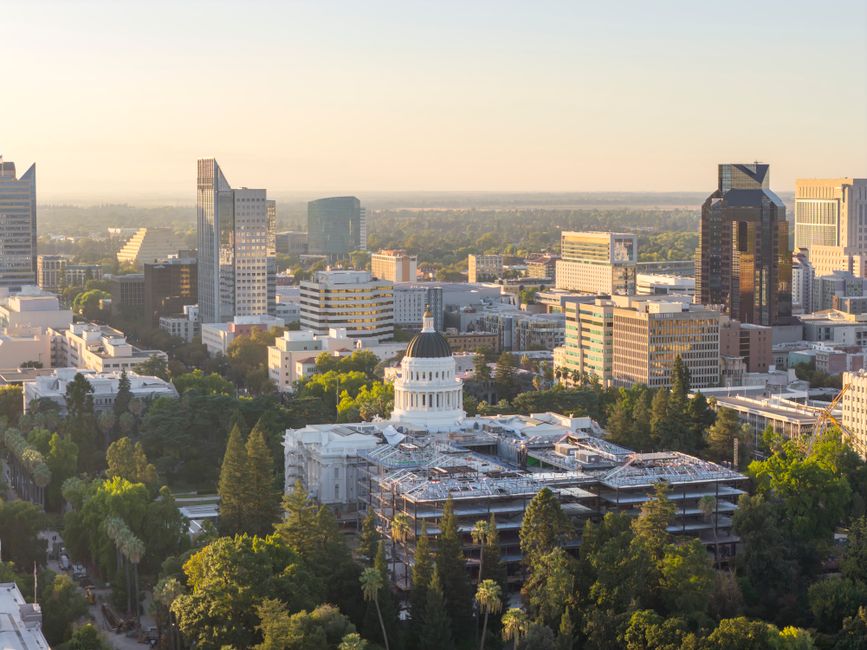
Here's what actually reduces risk: stay on well-lit streets and main drags after dark. This sounds obvious but people skip it. If a route requires walking through dark blocks or under freeway overpasses, take a rideshare instead. The difference between a cautious route and a risky one is often just five or six blocks, and it's not worth the false economy of saving eight dollars.
Use rideshare or taxis after 10 p.m. unless you're on the busiest parts of J Street. Transit (Sacramento Regional Transit) is real but gets thinner after midnight and the late buses can be sketch. Bike rentals are solid during the day but use the same logic about darkness. Don't carry large amounts of cash or leave visible bags unattended. Don't look like you're confused about where you are—have a destination in mind or look at your phone somewhere safe rather than standing on a corner squinting at a map.
The standard stuff: let someone know where you're going, don't wander alone to unfamiliar areas late at night, trust your gut about people and places. If a neighborhood feels off, it probably is, and you've got plenty of better options.
Common Nuisances vs. Real Danger
Sacramento has a homeless population and visible mental health and addiction issues, like most American cities. You'll encounter panhandling, some aggressive behavior, and people in distress. This is uncomfortable and it's a real part of the urban landscape, but it's categorically different from getting robbed or assaulted. Most interactions, even the uncomfortable ones, are just people asking for money. Be polite or just say no and keep walking. Avoid going into conversations or giving multiple reasons why you can't help—just a quick "no thanks" and move on.
Property crime—catalytic converters, car break-ins, bike theft, package theft—is a real problem in certain areas but doesn't affect you as a solo traveler without a vehicle. It's worth noting because it shapes the overall safety landscape and the police presence, but it's not something that changes how you move through the city.
Where to Ask Local Questions
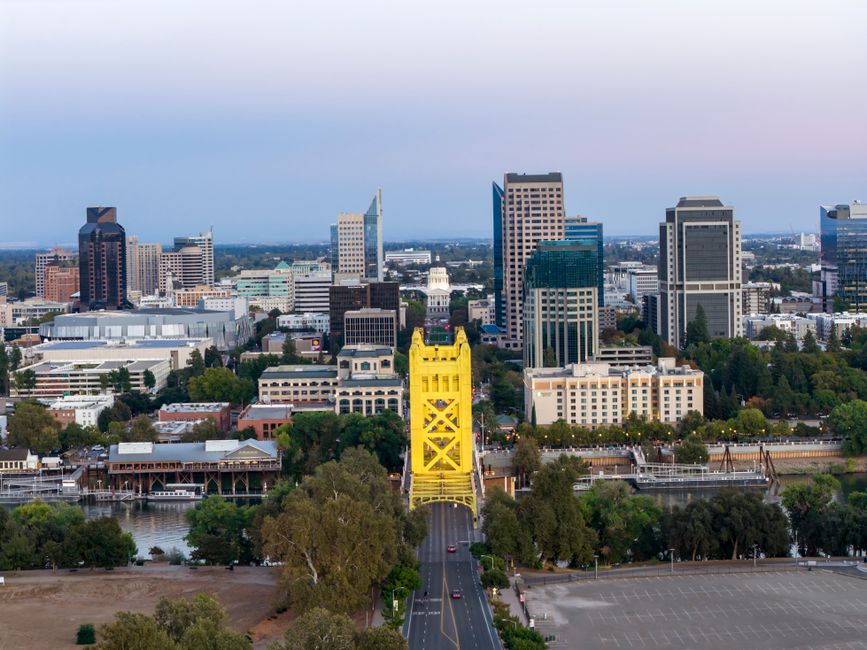
Your hotel staff actually knows the local blocks and current conditions. Ask them before you go anywhere after dark. They deal with this question constantly and can give you block-by-block specifics. The same goes for restaurant or bar staff—locals working evening shifts know which blocks are fine and which to skip. Don't rely on Google Maps to determine if a route is safe; it'll direct you down the wrong street if it's technically the shortest route.
Sacramento's subreddits and local news outlets will give you a sense of current issues, though remember that people tend to amplify the bad stuff in those spaces. The news outlets (like the Sacramento Bee) cover actual crime patterns and police data, which is more useful than venting forums.
Bottom Line: Solo Travel Here Is Fine
Sacramento is a solid solo travel destination. It's not one of those cities where you're constantly on high alert, and it's not a place where anything goes. It's a normal mid-size American city where common sense gets you through, where most neighborhoods are genuinely fine, and where the things that require caution are specific and avoidable. Spend time in Mid-Town, along the river, in Land Park, and the neighborhoods immediately around them. Avoid long walks through the north downtown industrial areas and the Del Paso Boulevard corridor after dark. Use transit or rideshare when the sun goes down and you're moving between districts. Show up with the same practical awareness you'd have in Portland or Denver or Sacramento's peer cities, and you'll be fine.
The city's actually worth more than the quick trip. There's real food, decent breweries, actual cultural stuff beyond the Capitol, and neighborhoods where you can walk around and just see how people actually live. That's the stuff that makes solo travel interesting, and Sacramento delivers on it.