
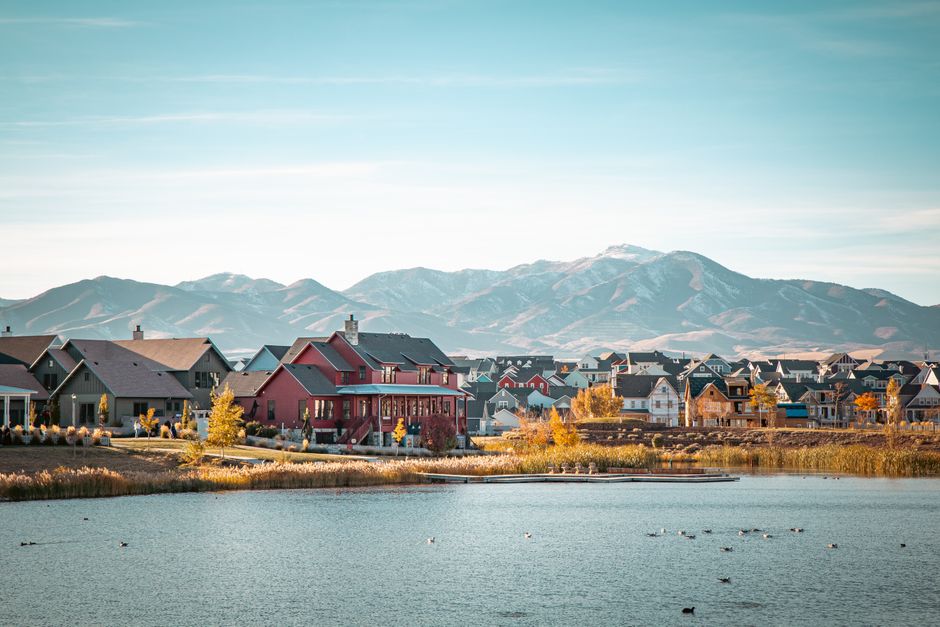
I arrived in Salt Lake City on a October afternoon when the light hits the mountains just right, and I understood immediately why people don't leave. The Wasatch Range commands the eastern edge of the city, the air is sharp and clear, and there's a sense of organized spaciousness that feels rare in the American West. I wasn't here to ski or hike—I was here to ask whether this place makes sense as a second act, the kind of question more of us are asking now.
Retirement planning is almost entirely personal. Your money, your health, your tolerance for snow and altitude and what "community" actually means to you all matter more than any ranking or listicle can capture. But Salt Lake City keeps appearing in conversation among people I know who are thinking seriously about where to spend their later decades. So I spent a few weeks looking at the numbers, the neighborhoods, the medical infrastructure, and the actual texture of daily life here. Here's what I found.
The Cost of Living—Still Manageable, Changing Fast
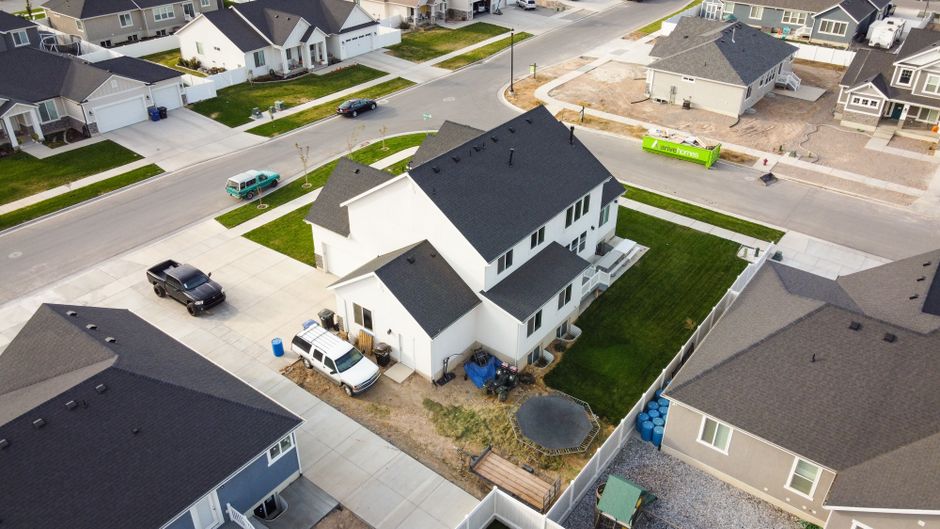
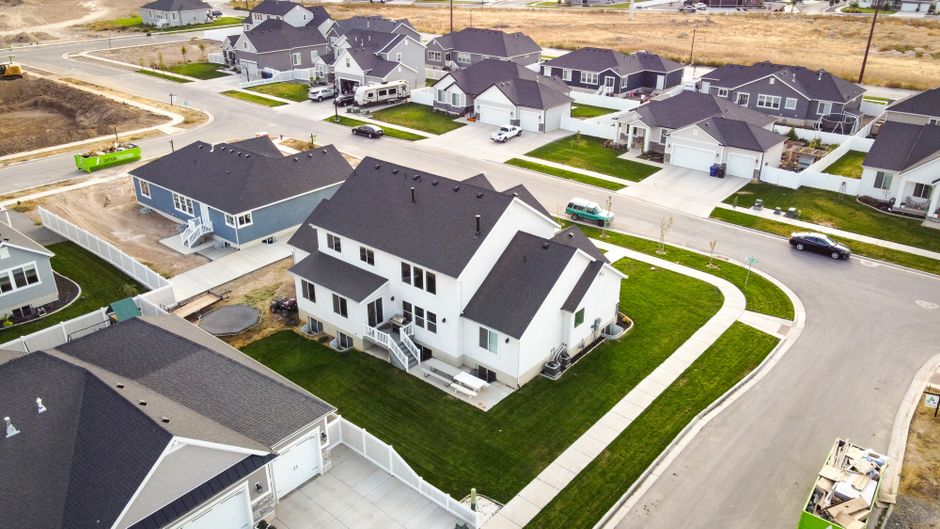
Salt Lake City isn't cheap anymore, but it's not yet expensive the way Denver or Portland have become. Housing is the main story. A median home price sits somewhere north of $500,000 depending on the neighborhood and how fast things are moving this month. Rent for a one-bedroom in decent neighborhoods runs between $1,500 and $2,000. Five years ago those numbers were noticeably lower, and the trajectory matters if you're thinking about locking in a place for the long haul.
Everything else is genuinely reasonable. Groceries, dining out, utilities—none of it feels like a financial punishment. A modest grocery budget works here. There's no state sales tax on groceries, which adds up over years of retirement. Property taxes are moderate by national standards, hovering around 0.6% of home value, though that varies by county. The real cost-of-living test comes down to this: if you're moving from California, Colorado's front range, or the Pacific Northwest, you'll probably feel like you're getting a break. If you're coming from middle America or the South, Salt Lake City will feel pricier than you're used to.
Healthcare and Medical Access
The University of Utah Hospital and Huntsman Cancer Institute anchor a reasonably robust medical infrastructure. There are multiple health systems in the metro area, good specialists, and enough population to support serious medical facilities without the wait times you sometimes see in smaller mountain towns. If you need specific expertise—cardiac surgery, orthopedics, oncology—you're not flying to Colorado or California. Some healthcare costs are lower here than in many states, partly due to the prevalence of insurance plans tied to Latter-day Saint–affiliated employers, which still influence the regional market even for non-members.
The altitude matters medically. Salt Lake City sits at 4,226 feet above sea level. That's high enough that some people—especially those with respiratory or cardiac issues—need adjustment time or ongoing management. Talk to your doctor before moving if you have any lung or heart vulnerabilities. The dry climate also means hydration is a genuine daily consideration, not just advice on a health website. Winter brings inversion events where air quality can degrade significantly, which matters if you have asthma or COPD.
Four Seasons With a Grip: The Climate Question
Winter here is serious but not apocalyptic. You'll get snow, cold nights, and a few days when leaving your house feels optional. But the Wasatch Mountains pull moisture out of incoming storms, which means Salt Lake City gets less annual snowfall than you'd think for a place at this latitude—usually 50 to 60 inches per year, clustered November through March. Sunny days still outnumber cloudy ones even in winter, and the light quality in winter is something photographers genuinely come here to chase.
If you hate winter, reconsider. If you can handle cold, snow, and shortened daylight without it wrecking your mental health, you'll probably be fine. Spring is brief but genuine. Summer is hot—regularly 90s, occasionally pushing past 95—but the low humidity means it's a different kind of heat than the Midwest or Southeast. Autumn is long and reliable, which alone attracts people. The air feels good to breathe most of the year, and the sky is almost aggressively blue. That matters to how a place feels after a decade or two.
Utah Taxes: The Basics
Utah has a state income tax that applies to retirement income like pensions, 401(k) distributions, and Social Security (though Social Security taxes vary by total income and filing status). The top rate is 4.65%, which is lower than many states. Property taxes are relatively low. There's no tax on military pensions for retirees, which matters if you served. Estate and inheritance taxes don't exist in Utah, which some families care about at retirement age.
I'm not a tax advisor and I'm not going to play one here. If you're seriously considering retirement in Salt Lake City, you need to run your specific situation past someone who knows Utah tax code and your personal financial picture. The broad strokes are that Utah is neither a tax haven nor punitive, and whether it saves you money depends almost entirely on where you're coming from and what type of income you'll be living on.
Sugar House and Central Salt Lake: Urban and Established
Sugar House is probably the most popular neighborhood for retirees who want walkability and community without moving to a small town. Tree-lined streets, good restaurants, galleries, parks, the University of Utah campus nearby providing cultural programming. Housing stock is older single-family homes and some condos, and prices reflect its desirability—you're looking at $600,000+ for a modest home. The neighborhood has the feeling of somewhere people have lived for decades. You'll see walkers and regular faces. Good transit, decent medical access. The tradeoff is density; it's active and sometimes loud, and parking can be annoying.
The central city neighborhoods immediately south and east of downtown are quieter with lower prices, though they require more comfort with urban living and some blocks are genuinely up-and-coming rather than established. If you want the city experience without the full Sugar House price tag, they're worth exploring. The public libraries in these areas are legitimately good, and there's a network of parks and trails that retirees tend to actually use.

Cottonwood Canyons and the Bench Communities
Mill Valley, East Mill Creek, and the neighborhoods climbing the east bench up toward the ski resorts offer a different flavor entirely. Houses are newer, lots are larger, the setting is genuinely mountain-adjacent. You can be in your backyard looking at serious peaks. The tradeoff is car dependency, longer drives to medical care and restaurants, and higher costs—these neighborhoods trend $700,000 and up. Winter access can be tenuous during storms. If you want a compound-like setting, it works. If you want to age in place without a car, it doesn't.
The advantage is quiet, space, and year-round access to trails and outdoor infrastructure. Some retirees thrive in this arrangement, especially if they're still active outdoors. Others find themselves isolated or spending three hours a week on necessary car trips. Know yourself before committing to the bench.
Park City: The Mountain Town Alternative 30 Minutes Away
Park City sits 25 miles northeast, about a 45-minute drive, and occupies its own category entirely. It's pricier than Salt Lake City proper—significantly so. Housing markets north of $800,000 are the baseline for anything decent. But if you want a small-town feeling with restaurants, galleries, skiing, and a sense that you're living somewhere genuinely special, it works for some retirees. The medical facilities are adequate but not as comprehensive as Salt Lake City's; you're sometimes driving back into the metro area for specialists. The altitude is higher—7,000 feet—which matters more medically for some people than 4,200.
The community skews younger and wealthier than Salt Lake City proper. You're not finding affordable senior housing or a visible retiree culture the way you would in the main city. It's not a bad choice, but it's a different choice. Talk to people who live there year-round, not just people who visit for skiing.
The Real Question: Does Salt Lake City Fit Your Life?
After several weeks in the city, asking questions and walking neighborhoods and sitting in coffee shops watching how people move through their days, I kept coming back to this: Salt Lake City works beautifully for retirees who want a city with mountains nearby, who can handle winter, who value outdoor access and community networks, and who don't need big-city anonymity. It's affordable compared to the coasts. Healthcare is solid. The infrastructure for active aging—trails, pools, community centers—is genuinely thoughtful. The altitude and winter and the particular culture of the place (yes, the religious demographic matters even if you're not religious; it shapes how communities operate) aren't deal-breakers for everyone, but they are real and worth sitting with.
If you're retirement-shopping, spend a winter here, not just a summer. Rent for three months. Walk neighborhoods at different times of day. Drive medical offices from your potential homes. Talk to people who moved here for retirement and people who left. Your retirement is probably a 25- or 30-year commitment, and the best choice is the one you've tested with your own life, not the one that looks good on paper.



