I landed in Salt Lake City on a Tuesday in March, pulled my luggage off the carousel, and did what I always do: asked the hotel clerk where not to go. She gave me the usual response—a mix of overstated concern and vague gestures. After spending a week here, hiking the nearby canyons, eating my way through downtown, and wandering neighborhoods on foot, I can tell you that Salt Lake is genuinely safer than a lot of mid-sized American cities. That said, like anywhere, there are blocks and times you should approach differently as a solo traveler.
The city sprawls wide and sunny, with the Wasatch Mountains as your constant compass. Most tourists and residents move freely through downtown, the avenues, and the neighborhoods clustered between 400 South and 1300 South. The real geography of caution isn't dramatic, but it's worth understanding before you land.
Downtown After Dark (and Why It's More Complicated Than You'd Think)
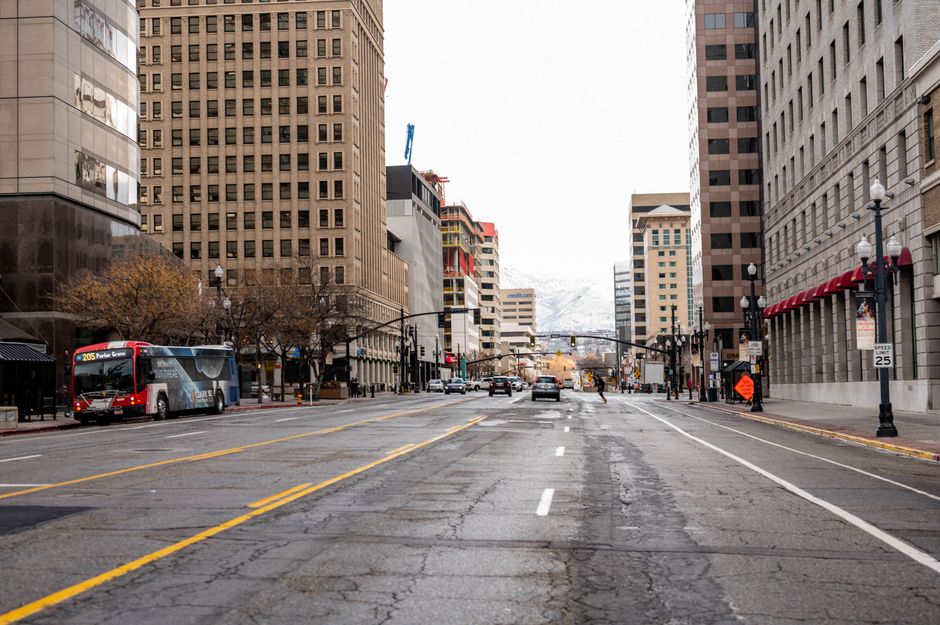
Downtown Salt Lake—bounded roughly by 400 North, 900 South, West Temple, and 400 East—is busy and well-lit during business hours and weekends. Walk it in daylight, and you'll see government workers, tourists, restaurants, galleries, and street life. The Library, the Cathedral, Main Street: all fine.
After sunset, the story shifts. Foot traffic thins considerably once the office crowd leaves around 5 p.m. on weekdays. By 9 or 10 p.m., even the well-maintained blocks feel emptier than you'd expect. This isn't unusual for a capital-city downtown, but it matters for solo travelers. If you're out at night, stick to Main Street between South Temple and 200 South, where bars and restaurants keep things active. Avoid cutting through the quieter cross-streets alone after dark, especially heading west toward West Temple or south toward 600 South.
The area immediately around Pioneer Park (300 South and Main) has had issues with loitering and drug activity reported by local residents and police. It's not a no-go zone in daylight, but I wouldn't linger there alone after sunset. Use Main Street and well-lit routes instead.

The Blocks South of 400 South: Exercise Real Caution
Once you cross 400 South heading into the corridor between 400 South and 900 South, you're in mixed territory. Some blocks are fine, others require more awareness. The area between 400 South and 600 South, stretching from Main Street west to West Temple, has higher concentrations of homeless encampments and reported drug activity. This isn't to say it's dangerous in the way a violent neighborhood is, but it's the part of downtown where you're most likely to encounter aggressive panhandling, erratic behavior, or people actively using substances.
West Temple itself, running north-south, is a major arterial road and technically safe—it's just unfriendly for walking. Foot traffic is minimal, and the street lacks the density that makes solo travel feel secure. If you need to move between north and south downtown, stick to Main Street or 200 East, which have better walkability and lighting.
The area around 100 South (near the old Rio Grande Depot) has gentrified somewhat in recent years, with galleries and studios moving in, but it's still less trafficked than central downtown. Daytime visits are fine; nighttime solo walks are worth reconsidering.
South Salt Lake and the Neighborhoods Below 900 South
If you venture more than a mile south of downtown, you're entering residential Salt Lake and then South Salt Lake, a smaller city proper. Most of this area is completely unremarkable—tree-lined streets, houses, local shops. But South Salt Lake (the city, not just the neighborhood) has historically been the area where law enforcement reports higher rates of property crime and occasional violent incidents. It's not a zone of constant danger, but it's where you should be most deliberate about your solo travel choices.
The good news is that most solo travelers have zero reason to wander deep into South Salt Lake unless they're specifically seeking something. The tourist infrastructure—hotels, restaurants, hikes, attractions—clusters north and east of here. If you do find yourself in this area, travel during daylight, use main streets, and don't linger alone in unfamiliar blocks after dark.
The one exception is the area around 900 South and State Street, which has benefited from development and restaurant growth. It's more walkable and populated than it once was, though still less dense than downtown or the Avenues.

The Avenues and the East Side: Generally Your Safest Bets
Head north from downtown up State Street or Main, and you enter the Avenues—a leafy, residential neighborhood that climbs toward the mountains. This is where locals live, and where solo travelers almost always feel comfortable. Tree coverage is thick, streets are well-maintained, and there's steady pedestrian traffic, especially on weekends. You can walk here alone at almost any hour without concern. The same goes for Marmalade, the neighborhood just north and west of the Avenues, which has gentrified rapidly and feels about as safe as a neighborhood gets.
East Salt Lake—the neighborhoods east of Main Street, around Liberty Park and up toward the University of Utah campus—is similarly reassuring. Well-lit, dense with students and residents, good walkability. I spent several evening walks in this area without hesitation. The University area itself is actively patrolled and maintained.
If you're looking for a neighborhood feel as a solo traveler, the Avenues or the area around Liberty Park are where I'd base myself or spend my wandering time. The safety margin is genuinely wide here.
Practical Precautions That Actually Matter
Here's the reality: most of the actual risk to solo travelers in Salt Lake comes not from crime against tourists but from being unaware of your surroundings in any urban area. Keep your phone charged, let someone know roughly where you're headed, and trust your instincts about blocks or times that feel off.
Use a rideshare or cab if you're out past 10 p.m. and more than a mile from your hotel. It's cheaper than a lot of cities, and it removes the variable of walking alone late at night. During the day, walking is generally safe—just use main streets and well-lit routes, especially if you're unfamiliar with the neighborhood.
The bus system works fine, but frequency varies by time of day and route. UTA (Utah Transit Authority) has decent coverage of downtown and popular neighborhoods, and the system is monitored. Walking to a bus stop at noon is fine. Walking to one at 10 p.m. in an empty area is less ideal. The same logic applies to transit centers—avoid lingering long in any transit hub after dark.
One more practical note: Salt Lake's winters are real, and snow and ice create their own safety issues. Sidewalks can become treacherous. Spring and fall are the easiest times to walk safely, but winter isn't a no-travel period—just plan for less walking and more rideshare or shorter daylight windows.

What Locals Actually Worry About (and What They Don't)
I talked to a handful of residents during my time here—bartenders, hotel staff, a few neighbors I met on morning walks. The consistent thread: they don't think of Salt Lake as a particularly dangerous city. The conversation tends to center on property crime (car break-ins, bike theft) rather than violent crime. This matters for solo travelers. You're more likely to have something stolen from your car than to face a personal safety threat.
That said, there's been a visible increase in visible homelessness and substance-use issues in downtown and certain corridors over the past few years, similar to trends in other Western cities. This creates an atmosphere that can feel uncomfortable—more confrontational panhandling, people in crisis—without creating equivalent risk of violence. Being around human distress is different from being in danger, but it can feel unsettling if you're not accustomed to it.
The neighborhoods most residents avoid are surprisingly specific: certain blocks near Pioneer Park, the area immediately west of downtown beyond West Temple, and the deeper reaches of South Salt Lake. These aren't mysterious. They're the areas with visible poverty and substance issues. Your safety risk there is real but limited; your comfort level will depend on your own experience and tolerance.
When to Call It and Pivot
Solo travel means you're making a lot of micro-decisions about where to walk and when. Listen to the voice that says a block feels wrong. In Salt Lake, that voice will rarely overrule you—most areas that feel off probably are, and there are a hundred other things to see and do instead of pushing through a discomfort.
If you're downtown and it's getting late, go to a restaurant or bar rather than walking back to your hotel alone. The couple of dollars in food or drink is worth the security of foot traffic and light. If you're in a neighborhood and suddenly realize you don't know the street, head back to a main avenue rather than keep exploring. These aren't failures of solo travel; they're just smart movement through any city.
The Real Deal
Salt Lake City is a safe city for solo travelers. The mountains are close, the downtown is walkable in daylight and early evening, and most of the city feels open and inviting. Your actual risk is modest if you use basic urban awareness—stick to lit, populated routes, avoid long walks alone very late at night, and skip the few blocks that clearly aren't on your itinerary anyway.
Spend your time in the Avenues, up Parley's Canyon, in the neighborhoods around Liberty Park, along Main Street in daylight, and in the restaurants and galleries scattered through downtown. That's 95 percent of what you came here for anyway. The few blocks you should avoid are easily avoidable, and they're not mysterious—you'll know them when you see them. Solo travel here is straightforward and genuinely rewarding.