
I landed at San Antonio International on a March afternoon and immediately felt the dry heat—nothing like the humidity I'd left behind back east. Drove straight into the core, and what struck me wasn't the River Walk's tourist machinery. It was how much actual city there was underneath it. Older couples on every bench. Retirees at the coffee shops on a Tuesday at 10 a.m. The place has a different rhythm than most sprawling Sun Belt metros, and that matters if you're thinking about spending the next 20 or 30 years here.
The question of whether San Antonio works as a retirement destination isn't simple. Yes, it checks certain boxes—no state income tax, relatively affordable housing compared to coastal alternatives, solid healthcare infrastructure. But it's also got a growing population, summer heat that will surprise you, and neighborhoods that range from genuinely pleasant to distinctly rough. I spent three weeks talking to people already retired here, visiting neighborhoods, checking hospitals, and spending enough time in the heat to understand what "nine months of summer" actually means.
Cost of Living and Housing Reality
San Antonio's cost of living sits comfortably below the national average, which is the main draw for a lot of people. Groceries, utilities, basic services—all cheaper than you'd find in Austin, Dallas, or any major coastal city. Property taxes run around 0.6% to 0.8% of home value depending on location, which is reasonable by Texas standards.
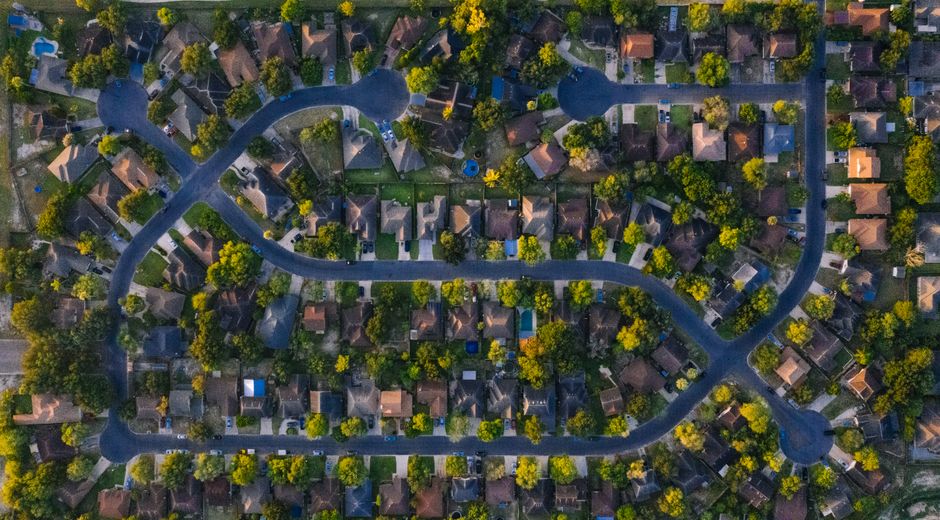
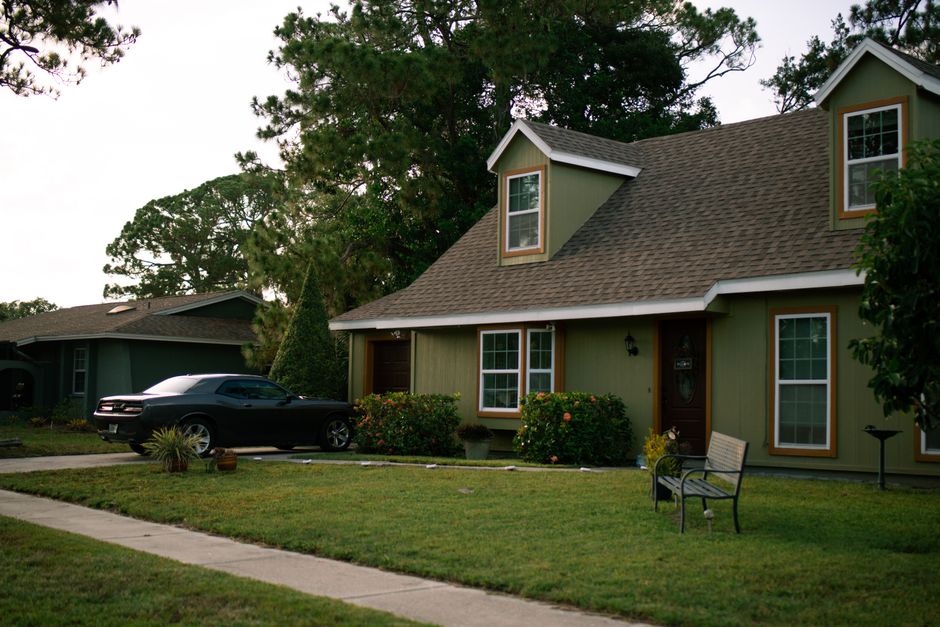
Housing is where people get excited, and partly for good reason. You can still find decent homes in established neighborhoods for under $400,000, and that number goes lower as you move further from downtown or toward the far North Side suburbs. I looked at several three-bedroom, two-bath houses on quiet streets with mature trees for prices that would get you a condo in Colorado or a half-house in California. But here's the reality check: prices have been climbing. The market's not what it was five years ago. Land is getting absorbed. If you wait another year or two expecting a correction, you might be waiting a long time.
Rent is also surprisingly reasonable if you're not ready to buy—you can find furnished apartments or smaller homes for $1,500 to $2,200 a month in decent areas, which appeals to people who want to test-drive the city before committing.

Healthcare and Medical Services
This matters more than people want to admit when they're 55 or 60 and thinking about the next several decades. San Antonio has solid healthcare infrastructure. UT Health San Antonio, Methodist Healthcare System, Christus Santa Rosa—there are multiple hospital networks here, which is important. You're not dependent on one institution. Specialists exist. Wait times are not catastrophic.
That said, it's not like you're moving to the Mayo Clinic's backyard. If you need specialized cardiac care or complex oncology, you might end up traveling to Houston or Austin for certain treatments. Most routine and common procedures? You're fine. The medical community here seems competent and not wildly overpriced compared to national averages. I talked to one retired teacher who moved here specifically because her rheumatologist had a practice here, and she hasn't regretted it. Another woman mentioned that she does have to drive to Austin occasionally, but it's only 80 miles and worth it for her specific needs.
State Taxes and What You Actually Save
Texas has no state income tax, and that's real. If you're living on Social Security, retirement distributions, and investment income, you're not writing a check to the state at the end of the year. That's one of the main reasons people cite for moving here, and it's not nothing—especially if you came from California, New York, or Illinois.
But don't let that become your only calculation. Property taxes, sales taxes (8.625% in Bexar County where San Antonio is), and gas prices still add up. Your overall tax burden depends heavily on what your income looks like, where you'd be coming from, and what your housing situation is. Someone with significant investment income benefits more from no state income tax than someone living primarily on Social Security. It's worth running your specific numbers rather than assuming that the headline "no income tax" automatically makes San Antonio cheaper than where you are now. For most people it probably does, but the math isn't automatic.
The Neighborhoods That Work for Retirees
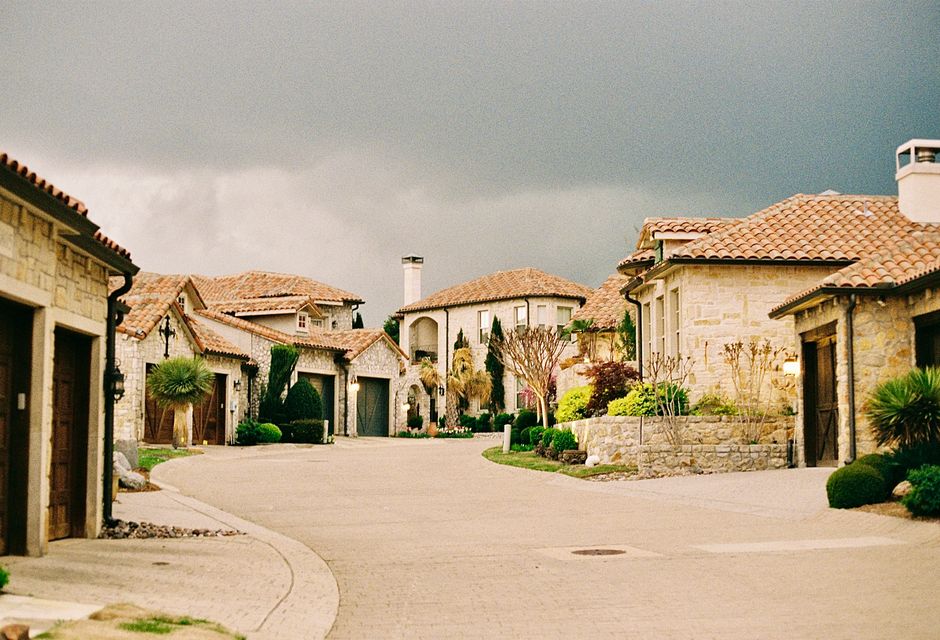
Alamo Heights sits northeast of downtown and is the obvious choice if you want established money and excellent schools—though if you're retired, the school rankings matter less. It's tree-filled, quiet, expensive by San Antonio standards, and full of people who either retired here or never left. I drove through on a Wednesday morning and saw exactly what I expected: golf carts, well-maintained properties, retired couples on walks. If you can afford it, it works. It's insular in a way that some people want and others find claustrophobic.
Terrell Hills, adjacent to Alamo Heights, is similar but slightly less buttoned-up. Still nice. Still established. Still pricey. These neighborhoods work if you've got $500,000+ to spend on a house and want that country-club retirement aesthetic.
For something with more actual life to it, Stone Oak in the North Central area has grown into a legitimate mixed-income neighborhood with restaurants, younger families, older residents, and enough activity that you don't feel like you're living in a retirement compound. Housing prices are lower than Alamo Heights. There's actual walkability to some places, though you'll still need a car for most errands. One retired architect I met there said he chose it specifically because he wanted to be around mixed-age people and active development. He's renovating an old house, which keeps him busy. Not everyone wants that, but it's an option beyond the traditional retiree enclave.
Nearby Towns Worth Considering
Boerne, about 30 minutes north, has become increasingly popular with people looking for a smaller-town feel while staying close to San Antonio's amenities. It's prettier—Hill Country topography, wineries, local shops that have actual character. Housing costs more than San Antonio proper, but it's still reasonable compared to most of the country. The trade-off is obvious: less urban convenience, longer drives for certain services, smaller population. But if you want to feel like you've left the city while technically being 30 minutes from a major metro, Boerne works. The downtown area actually bustles on weekends without feeling overrun.
Fredricksburg is farther—about 70 minutes—but worth mentioning because some retirees have bought places there as second homes or full-time residences. It's more aggressively touristy than Boerne, but also more charming in its own way. The landscape around it is genuinely nice. Weather's slightly cooler in the higher elevation. If you want to be truly away but don't want to leave Texas, it's an option, though you're trading proximity to San Antonio's healthcare and cultural stuff.
The Heat and What Summer Actually Means
Let's address this directly: San Antonio summers are hot. I showed up in March, and by mid-day it was hitting 85. People kept telling me, "Wait until July." In July and August, highs regularly breach 95 to 100 degrees. That's not Phoenix—it's humid enough that you feel it. And it lasts. Summer essentially runs from May through September, sometimes into early October. If you're retiring here from the Pacific Northwest or somewhere temperate, understand that you're signing up for months where you're going to spend midday indoors or in the pool.
The flip side: winters are genuinely mild. No snow. No ice. No bitter cold snaps. If you're coming from somewhere that winters are miserable, that's a significant quality-of-life gain. You can be outside in December without bundling up. That matters psychologically when you've got 20+ years of retirement ahead.
The Things Nobody Talks About
The city's sprawling. You need a car. If you want walkable retirement living, you're looking at downtown or limited neighborhoods, and downtown has its own character—more urban, younger demographic, some sketchy blocks mixed in with the nice ones. It's not a coherent walkable downtown like you'd find in a smaller established city.
Population is growing quickly. Traffic on I-35 is increasingly terrible. The city's absorbing suburbs into itself. If you're coming for "peace and quiet," understand that San Antonio is becoming busier, not less so. That's not necessarily bad—more restaurants, more culture, more options—but it's worth acknowledging if solitude is your priority.
The culture is genuinely Tex-Mex and Texas. That's good if you like that. If you're looking for a certain kind of cosmopolitan diversity, you'll find less of it here than in Austin or Dallas. The city has its own identity, which is appealing, but it's not secretly sophisticated. It's itself.
The Bottom Line
San Antonio works as a retirement destination if you want affordable housing, no state income tax, decent healthcare, and you don't mind heat and sprawl. It doesn't work if you need a walkable city, four seasons, or isolation from growth and development.
My advice: don't make the decision based on one visit or spreadsheets of cost comparisons. Rent for a month or two. Live in a neighborhood, not just visit. Drive around in July, not March. Sit in traffic on I-35 on a Friday afternoon. Talk to people who've actually retired here, not the ones who are thinking about it. The place reveals itself over time, and what works for someone else might not work for you. But for a lot of people—people with modest retirement budgets, people from expensive states, people who can tolerate heat and don't need cultural density—San Antonio is a legitimate choice. That's worth something.


