
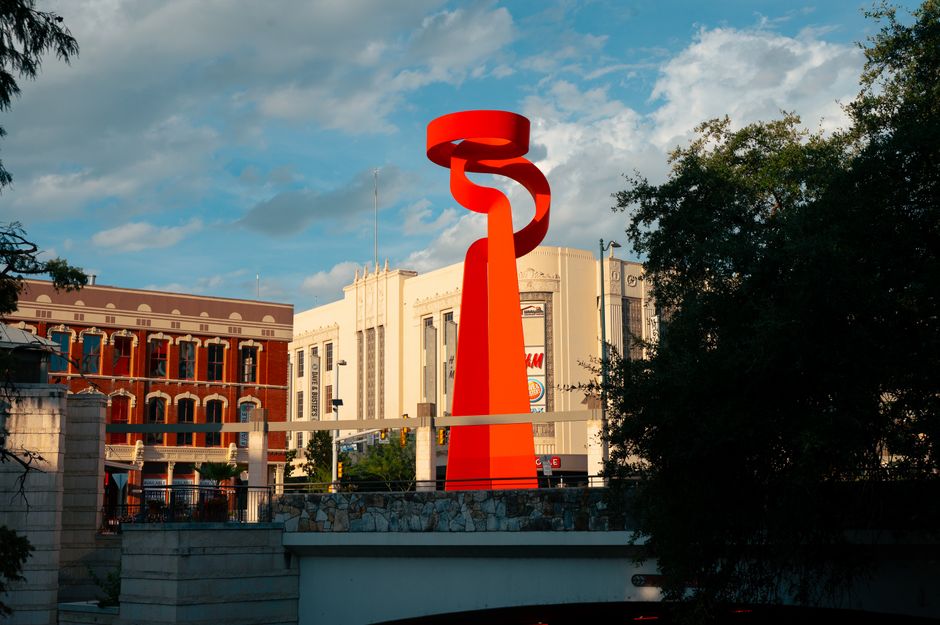
I landed at SAT on a Tuesday afternoon and headed straight downtown, rolling my suitcase past the River Walk crowds like I'd done it a hundred times before. Truth is, I hadn't. San Antonio's not dangerous in the way some cities are, but it's big enough and spread out enough that you can end up in neighborhoods that feel off if you're not paying attention—or you can spend a week here without ever feeling unsafe at all.
Most of San Antonio is genuinely fine. The River Walk is packed with tourists and families. Downtown's busy. The Pearl Brewery district draws crowds all day. But like any mid-sized American city with pockets of real poverty, there are streets and hours where you want to be smarter about where you are and what you're doing. I've spent enough time here to tell you where those lines actually are, not where fear tells you they are.
Downtown and the River Walk: Daytime vs. After Dark
The River Walk itself and the blocks immediately around it—Alamo Street, Houston, Crockett—are well-lit and heavily foot-trafficked during the day and early evening. I've walked these areas solo at 11 p.m. without incident, and plenty of people do nightly. But the foot traffic drops off noticeably after midnight, and even then, the actual River Walk corridor stays reasonably populated.
Where caution matters: the neighborhoods directly north and northeast of downtown—around East Commerce, East Houston, and especially blocks pushing toward I-37—thin out quickly. Streets that feel fine at 2 p.m. feel less populated and less maintained at 9 p.m. If you're staying downtown, stick to well-lit main routes when you're out after dark. The trolleys and the streetcar are useful not just for convenience but because you're around other people. Walking alone at night through the quieter residential blocks north of Houston, even if they look on the map like they're close to downtown, isn't worth the small risk.
South San Antonio: General Caution Areas
South of downtown—the neighborhoods spreading down South Alamo, South Presa, and around the 1604 loop—includes some of the city's most economically stressed areas. Police data and resident consensus both flag parts of this section as higher-crime zones. I haven't spent much time there solo, and local people I've talked to consistently recommend being more careful in those neighborhoods, especially at night.
This isn't about avoiding the entire south side; San Antonio's too big for that kind of sweeping advice. But as a solo traveler, you're usually there because you have a specific reason—a restaurant recommendation, a historic site. If you do, use a ride-share rather than walking, and try to handle it during daylight hours if possible. The same goes for some blocks between downtown and the airport: they're functionally between places, not destinations themselves.
Eastside: Hit or Miss, Context Matters
The Eastside—neighborhoods along East Houston, around the St. Mary's Strip area, and further out toward I-37—is genuinely mixed. Some blocks are vibrant and fine. Others have higher rates of property crime and street-level activity that feels unwelcoming to outsiders.
If you're going to a specific restaurant or bar you've researched, you're probably fine. But solo wandering around looking for something to do isn't the move here. Stick to areas people have actually told you about. The St. Mary's area has some good spots, but know before you go. Use daytime when you can. If you're using ride-share (which is cheap and easy in San Antonio), use it liberally in these neighborhoods rather than walking.

Safer Neighborhoods and Where to Base Yourself
If you're picking where to stay, the Pearl District, the area around the Majestic Theatre and Market Square, and the blocks immediately surrounding the Alamo are genuinely safer and busier. King William, just south of downtown, has tree-lined streets and feels quieter but also well-maintained and not sketchy. The Southtown Arts District around South Alamo (specifically the blocks with galleries and restaurants) is walkable and feels safer than other parts of the south side.
The North Star area, the blocks around the Japanese Tea Garden, and the northeast around Brackenridge Park are all fine for walking during the day. I've had good solo afternoons in those neighborhoods. The Quarry Market area on the north side is developed and busy and feels completely safe at any hour. If you're renting an Airbnb or choosing a hotel, staying in or near these areas gives you peace of mind and means you're not going to find yourself on an empty street at 10 p.m. trying to figure out where you are.
Transit, Walking, and Practical Precautions
San Antonio's got the VIA bus system, which is cheap and covers most of the city. The streetcar runs a useful loop downtown and toward the Pearl. Both are reliable ways to move around, and you're around other people. I used them multiple times a week when I was here. Ride-share is affordable—Uber and Lyft both work fine—and I'd lean on them for getting back from dinner after dark or for moving through neighborhoods you don't know.
Walking in San Antonio requires a bit more intentionality than it does in some cities, just because the city's sprawling and some blocks are pretty empty. Don't walk alone at night through residential areas you haven't been to in daylight. Stick to main streets. Use your phone's maps, but also stay aware of your surroundings—don't be the person staring at directions on a dark block. Travel with a backpack rather than a loose purse, and don't leave belongings visible in a car. These aren't paranoid measures; they're just baseline sense.
Street Smarts and Situational Awareness
The things that actually keep you safe in San Antonio are the same things that work in any city: don't flash cash or expensive electronics. Avoid being obviously disoriented or lost on a quiet block. Trust your instincts—if a block feels off, backtrack and take a different route. Move with purpose. Don't get drunk and wander. Use headphones in way that still lets you hear what's around you.
If someone approaches you asking for money aggressively, you can simply say no and keep walking. Most panhandling in San Antonio is low-key, but occasionally you'll get a harder pitch. Be firm but not rude. If you're genuinely uncomfortable, there are usually other people or businesses nearby; step into a shop or head toward a busier street. I've never felt cornered or threatened, but I've also been paying attention.
The Takeaway: San Antonio Is Normal-City Safe
San Antonio isn't a dangerous place for solo travelers. It's not like there's a constant threat level. Most blocks are fine. Most hours are fine. Most interactions are normal. But it's also not a small, sleepy town where nothing bad ever happens. It's a real city with real poverty and real crime in specific neighborhoods, concentrated in specific pockets.
The difference between feeling unsafe and actually being unsafe is often just knowing where you are and being intentional about how you move through the city. Do that, and San Antonio opens up just fine. Skip the obvious precautions, and you might have a story—but you probably won't have a good one.


