
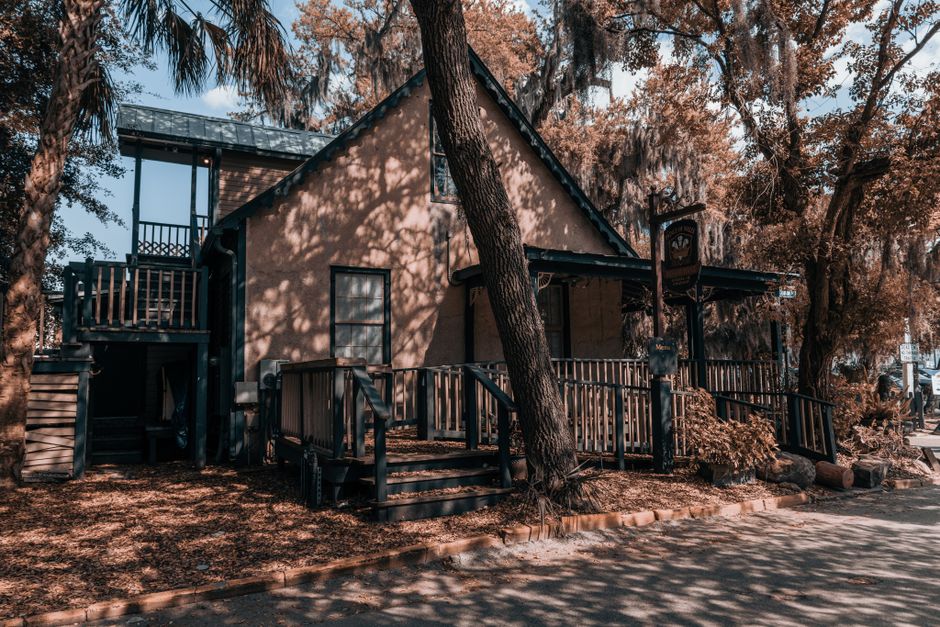
I rolled into Savannah on a humid June morning and immediately understood why people talk about this place like it's got some kind of gravitational pull. The squares, the moss-draped oaks, the general sense that the city moves at a pace that rewards lingering—these things are real. But I wasn't here as a tourist checking boxes. I was thinking like someone who might actually stay, who'd need a doctor's appointment to be something I could get without three weeks' notice, who'd be writing this column ten years from now if the money worked out.
Retirement decisions aren't made on charm alone, though Savannah has plenty of that. They're made on whether your dollar stretches far enough, whether you can actually access decent healthcare, whether the climate will drive you slowly insane, and what the tax situation looks like over the long haul. Savannah checks some boxes and stumbles on others, depending on what you're prioritizing.
Cost of Living: Not As Cheap As It Used to Be
Let's get the money talk out of the way first, because it matters. Savannah's cost of living is lower than most major coastal cities—that much is true. Housing, groceries, utilities, and general services run cheaper here than you'll find in Charleston, Beaufort, or certainly in Florida's pricier retirement zones.
But here's what I found: the spread is narrowing. Housing prices have climbed noticeably in the past five or six years. Historic district homes, if you want to be near the action, run high. You're looking at steep prices for anything walkable and charming. The trade-off is that you can find reasonable homes in nearby neighborhoods—Starland, Forsyth Park adjacent areas—where you get more square footage for less money, though you're trading some of that postcard appeal.
Rental prices have also shifted. If you're not buying and want to rent to test-drive retirement here, expect mid-range costs that feel reasonable by national standards but aren't rock-bottom anymore. Food and utilities remain fairly reasonable. Healthcare costs, which matter a lot to retirees, depend heavily on your insurance situation and where you go for care—more on that in a moment.

Healthcare: Good Access, but Plan Ahead
Savannah's got two major hospital systems—Memorial Health and Candler. Both are legitimate operations with decent reputations. You can get most specialties, cancer treatment, cardiac care. It's not Augusta or Atlanta-level medical density, but it's solid for a city this size. The infrastructure exists.
What matters for retirement is whether your preferred doctors and specialists are in-network with your coverage, and whether you're comfortable with the facilities. If you've got specific medical needs, it's worth calling ahead before you move, not after. Some retirees I talked to made a point of getting established with a primary care doctor early—waiting lists can stretch during peak migration seasons.
The VA hospital is also here, so that's a factor if you're military. Long-term care facilities, assisted living, and home health agencies are available, though quality varies. This isn't specialized gerontology paradise, but it's not backwoods either.
Tax Situation: Georgia Basics You Should Know
Georgia doesn't tax retirement income the way some states do, which is one reason retirees look here. Social Security and military pensions are exempt from state income tax. Distributions from retirement accounts have more nuance—some qualify for exclusion, others don't, depending on your age and the type of account. Federal tax liability doesn't disappear just because you move, so don't expect a magic solution there.
Property taxes in Georgia run around 0.85% of home value statewide, though Chatham County (where Savannah is) is actually slightly above average. It's still reasonable compared to northeastern states, but not a bargain. Sales tax is 7% in Chatham County. If you're coming from a high-income-tax state, you'll likely see a modest overall tax savings. If you're coming from Florida, you won't notice much difference.
The real tax conversation happens between you and an accountant who understands your specific situation. General claims about tax havens rarely hold up once you dig in. Talk to a professional before you commit.

The Climate Factor: Humid Summers, Mild Winters
This one's simple and brutal: Savannah is hot and humid in the summer. June through September, it's in the low 90s with humidity that makes you reconsider every outdoor plan. Air conditioning isn't optional; it's mandatory infrastructure. If you hate heat, this is a dealbreaker. There's no way around it.
Winters are mild—we're talking 50s and low 60s for highs, with snow essentially nonexistent. If you're coming from the Northeast and dread shoveling, that's genuinely nice. But if mild winters are your main selling point, every other coastal Southern city offers the same thing.
Spring and fall are genuinely lovely. They're also brief. Plan your life around them if you can.
Forsyth Park and Historic Midtown: Walkable, Quieter Than Downtown
If you want to be close to Savannah's action but not drowning in it, the neighborhoods around Forsyth Park are worth serious consideration. They've got walk-to shops, restaurants, the park itself, and a real sense of community. You're seeing more active retirees here than in the downtown historic squares, but it's not exclusively retirement housing.
Prices are elevated compared to the outer neighborhoods but more reasonable than true historic district. You can find homes with character without needing a second mortgage. The area's got that balance of being connected to the city without being overwhelmed by tourist traffic.
Midtown in general—the area along Victory Drive and in that quadrant—offers more affordable options and a slightly less polished vibe. It's gentrifying gradually, so prices are moving upward, but you still get decent value. Less Instagram-famous than Forsyth Park, which some people consider a feature.
Tybee Island: Beach Life at the Edge
About 20 minutes east, Tybee Island offers a different retirement play entirely. You get beach access, a quieter pace than downtown, and a strong seasonal tourism economy that keeps restaurants and services alive. Housing is higher here than inland Savannah, and it follows tourism cycles—summer gets loud, off-season gets quiet.
For retirees who want ocean views and don't mind isolation in winter, Tybee works. For those wanting walkable urban amenities with beach nearby, it's farther out than you might want. The trade-off is property value stability—waterfront always holds value—versus that seasonal hollowing-out feeling.
It's a solid option if your retirement image includes salt water and morning walks on sand. Just understand what you're getting: small-town beach life, not beachside city life.
Pooler and Port Wentworth: The Practical Suburbs
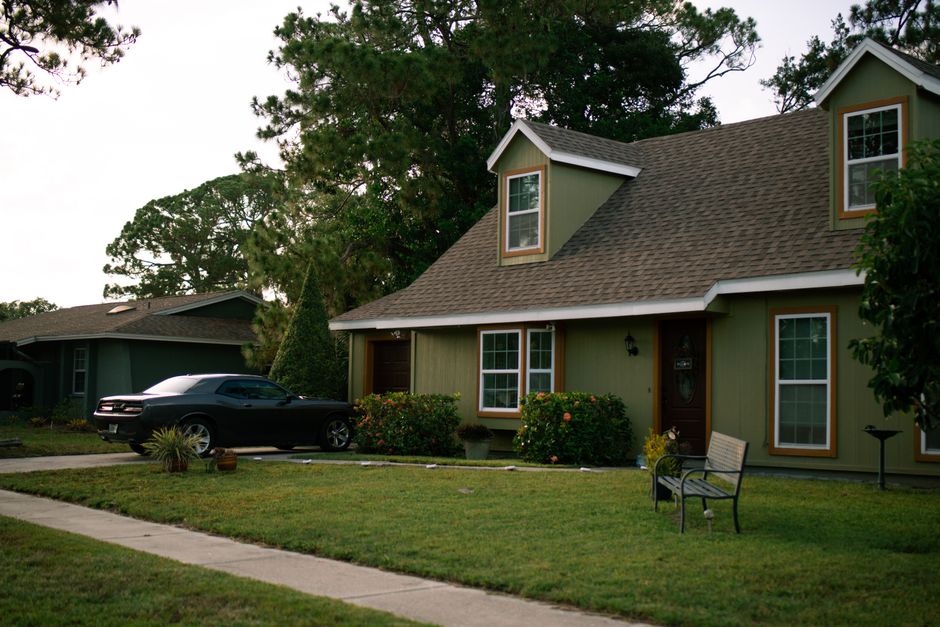
If you want lower costs and don't need the historic charm, the towns west of Savannah—Pooler, Port Wentworth, and that general corridor—offer space and affordability. Strip malls and chain restaurants replace Spanish moss aesthetics, but housing costs drop noticeably. You're 15-20 minutes from downtown Savannah's medical and cultural amenities, so it's not isolation.
These aren't places that attract retirees looking for identity-through-location. They're practical choices for people who want breathing room, newer construction, and lower costs. That's not nothing. If you're on a tighter budget and willing to trade atmosphere for dollars, it's worth looking.
The Real Question: Who Should Actually Move Here
Savannah makes sense for retirees who want a genuine city with walkable neighborhoods, don't dread heat, value cultural access and restaurant scenes, and are okay with moderate costs in a Southeast context. It works for people moving from the Northeast looking for a softer winter without Florida's extremes.
It doesn't work as well for heat-sensitive people, for those needing specialized medical care beyond what a mid-sized city provides, or for folks who need maximum tax advantages—that's not really what Savannah offers.
The honest take: this is a city that lives up to its reputation. It's also increasingly crowded and expensive. But compared to other places people actually want to retire to, it hits a middle ground on cost and quality of life. Visit for at least a week in summer. Talk to people actually living here, not just people vacationing. Make a spreadsheet if that's your style. Then decide if the charm translates to the kind of retirement you actually want. For some people, it absolutely does.



