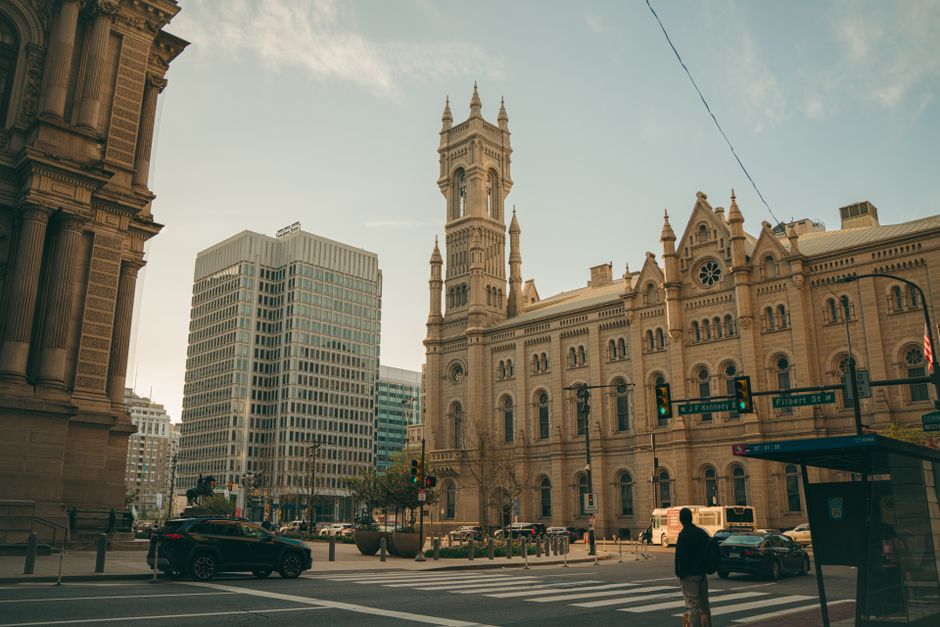
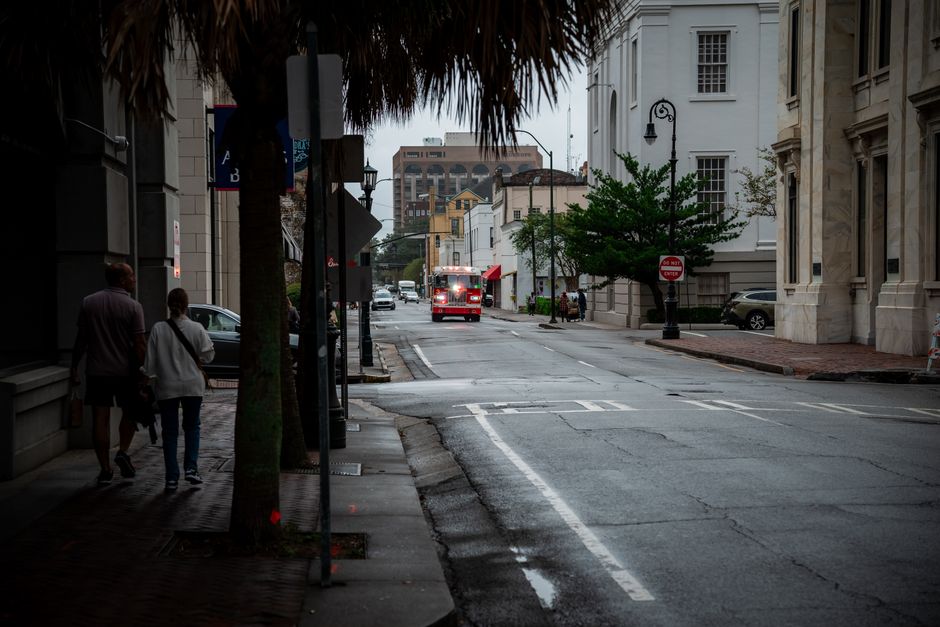
I arrived in Savannah on a humid June afternoon, rolling my bag down Broughton Street past the moss-draped oaks and historic storefronts. The city's reputation precedes it—charming, walkable, full of history—but I came ready to ask the harder questions. Where do locals actually avoid after dark? Which neighborhoods deserve caution, and which ones can a solo traveler navigate with basic street sense?
Savannah is fundamentally a safe destination. Millions visit annually without incident. But like any city with pockets of poverty, a downtown district swollen with alcohol sales, and blocks where foot traffic dies after sunset, it has real geography worth understanding before you book that historic B&B or decide to walk home at 2 a.m. after River Street drinks.
The Reality on the Ground
Savannah's violent crime rates are higher than national averages, according to FBI data, but they cluster geographically rather than spreading uniformly across the city. Property crimes—vehicle break-ins, package theft—are more common than violent crime and tend to hit parked cars in visible lots more than hotel guests. Most tourists never encounter a problem because they move through the Historic District, Forsyth Park, and the riverfront—areas with heavy foot traffic, police presence, and lighting.
The areas worth avoiding, especially after dark or as a solo walker, are generally south and west of the Historic District's southern boundary. I'm talking about the neighborhoods around Martin Luther King Jr. Boulevard and extending into west Savannah. These areas have struggled with disinvestment and carry legitimate safety concerns, particularly late at night. Broad Street and Victory Drive, while home to good restaurants and shops, transition into riskier blocks as you move away from the tourist corridor.
I spoke with a bartender at one of the River Street spots who'd worked downtown for years. She was blunt: "Don't walk alone west of Abercorn Street after 10 p.m., and don't assume the Historic District is safe just because it looks nice. Keep your wits about you." That's not paranoia. That's local knowledge.

River Street and Downtown After Hours
River Street itself—that famous brick promenade with the bars, restaurants, and river views—is lit and policed, but it floods with crowds of drunk tourists on weekends. Pickpocketing happens. Phone theft happens. So do bar-related disputes that can spill into the street. I watched a bouncer escort someone out at 11 p.m. on a Thursday, and that was just one night. Solo travelers should walk River Street in pairs when possible, especially heading back to parking lots or hotels after drinking. If you're alone, the hotel concierge can usually call a car for you, and it's worth the money.
Broughton Street, the main east-west corridor through downtown, is generally safe during the day and early evening when shops and restaurants are open. But it empties out after 9 or 10 p.m., and a solo walk to your car can feel lonely. Use the same judgment you would in any city: stay in lit areas, use your phone's flashlight if needed, and don't linger. A rideshare is cheap and sensible if you're a few blocks away and it's late.
Neighborhoods Worth Knowing
The Historic District itself—bounded roughly by River Street, East 49th Street, Victory Drive, and West Boundary Street—is the safest territory. This is where most visitors base themselves, and for good reason. The squares are well-maintained, foot traffic is constant, and police patrol regularly. Forsyth Park is beautiful and busy during daylight. I ran there at 7 a.m. and saw dozens of locals doing the same.
Midtown, around Victory Drive and extending toward the Starland District, has gentrified rapidly and hosts galleries, cafes, and young professionals. It's generally fine, though some blocks are better lit and more established than others. Starland itself—a neighborhood of converted warehouses and artist studios—is trendy and draws visitors, but it's less populated at night, so standard urban caution applies.
The Victorian District (south of Victory Drive, around Whitaker Street) has pockets of charm and good restaurants, but it transitions quickly into quieter residential areas. You'll want to know where you're going rather than wander. The Bonaventure area, northeast toward Bonaventure Cemetery, is beautiful but quiet and isolated after dark—not really a solo evening walk.
West Savannah, particularly around the Liberty Street and Waters Avenue corridors, has seen investment and some residential revival, but it still carries historical poverty markers and higher crime rates. Unless you have a specific reason to be there, and especially if you're alone, it's better avoided after dark.

Practical Precautions
Stay alert but not paranoid. Savannah's a walking city—that's the whole appeal—but walk with purpose, especially as a solo traveler. Keep headphones out, phone not glued to your hand, and eyes up. Walk toward well-lit commercial areas rather than residential side streets late at night.
Park smart. Don't leave valuables in your car, ever. Downtown parking lots have attendants and lighting. Street parking looks convenient but invites break-ins, particularly west of downtown. I spent an extra $5 per night for a small hotel lot and slept better.
Use rideshare apps for late-night trips. Uber and Lyft are available and quick. A $6 ride beats a 15-minute solo walk when you're tired or the street's empty. River Street restaurants and bars know this is how people move; they won't judge you for it.
Public transit exists (SCAD, CAT buses) but Savannah isn't a major transit city. Routes don't run late, and buses aren't designed for nighttime solo travelers. Taxis are available at hotels and can be called. They're reliable.
Trust your instincts. If a block or person makes you uncomfortable, change direction. There's no prize for being brave about it.
The Morning and Daytime Scene
During the day, Savannah is almost entirely walkable and quite pleasant. The Historic District's squares are public, safe, and beautiful. Forsyth Park draws families and joggers. The waterfront has police and permanent patrols. Café culture is real—there are plenty of spots to sit, work, and people-watch without feeling isolated.
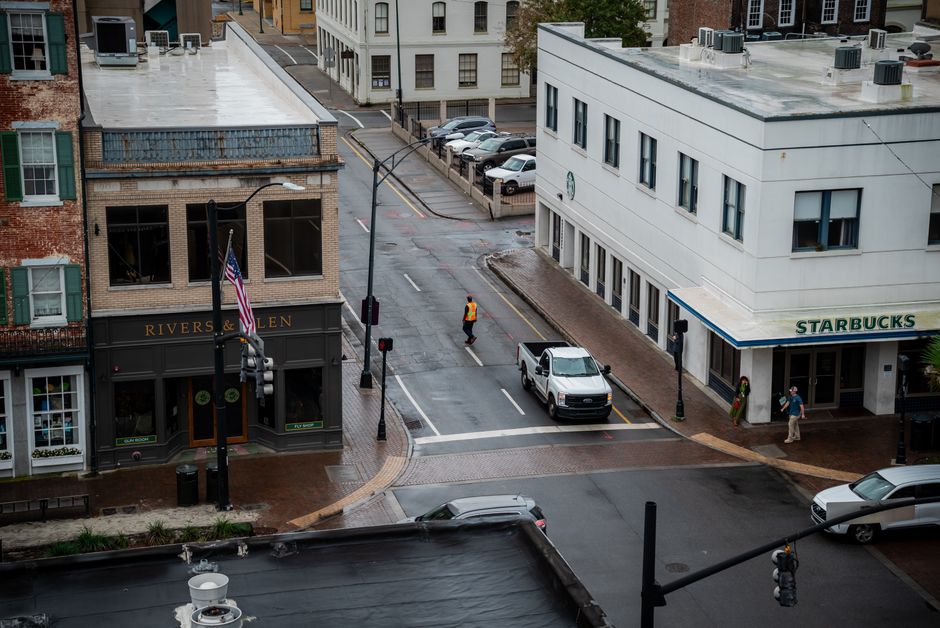
I walked alone all over the Historic District in daylight without concern. The Spanish moss, the architecture, the little cafes—it's all accessible. Even broader forays into Midtown or Victory Drive feel fine during business hours. This is the Savannah most visitors experience, and it's nice. The safety concerns are concentrated in specific areas and specific hours.
Planning Your Stay as a Solo Traveler
Stay in or near the Historic District if you can. Hotels on Broughton, River Street, or one of the main squares cost more, but you're in the center of foot traffic and safety. Hostels like Thunderbird Inn and Thunderbird Lofts draw solo travelers and offer social options if you want to explore with others rather than alone.
Book a hotel with good parking or use a paid lot. Valet isn't just a luxury here—it's practical. Many mid-range hotels offer it for $10-15 per day.
Do your evening activities in groups when possible. The bar scene is genuinely fun, but it's safer in a pack. If you're solo and want to socialize, eat early, get to know bartenders, and call a car after. Don't stay out alone until 2 a.m. expecting nothing to go wrong—that's true anywhere.
Ask staff at your hotel about specific routes to restaurants or attractions. They know which blocks are sketchy and which are fine at particular hours. They give this advice daily and aren't exaggerating.
Use your phone's location-sharing with a friend back home, just like you would traveling anywhere. Not paranoid, just practical.
Final Word
Savannah is a fantastic solo destination. The history is real, the food is excellent, the landscape is genuinely unusual. People are generally friendly, and you won't feel like an outsider if you're eating alone at a restaurant. But it's also a real city with real inequality and real urban issues. None of that means you shouldn't go—it means you should go with eyes open and a basic plan.
Walk with confidence in the Historic District and main commercial areas. Be aware and cautious in less-trafficked neighborhoods and after dark. Use the tools available to you—hotels, cars, rideshare—instead of proving something by walking solo through an empty street at midnight. That's not cowardice; that's how you actually have a good trip and go home with good stories instead than problems.
Savannah's worth your time. Just be smart about it.