
I arrived in Spokane on a gray November morning, the kind where the light never quite gets bright. My first thought, walking from my hotel toward downtown, was how quiet it felt—no traffic roar, no constant sirens. I wasn't here to move yet, but I was here to understand why so many people in their 60s and 70s seem to be asking whether this inland Pacific Northwest city might be their next chapter.
Spokane sits at a crossroads for retirees. It's got the Pacific Northwest reputation without some of the west-side price tags, decent access to outdoor activity, and a growing healthcare infrastructure. But it's also a place where winter actually shows up, where you're several hours from Seattle, and where you need to be honest about what kind of lifestyle you're actually looking for. I spent enough time here asking locals, checking neighborhoods, and looking at real numbers to get a genuine sense of what the retirement picture actually looks like.
Cost of Living and Housing
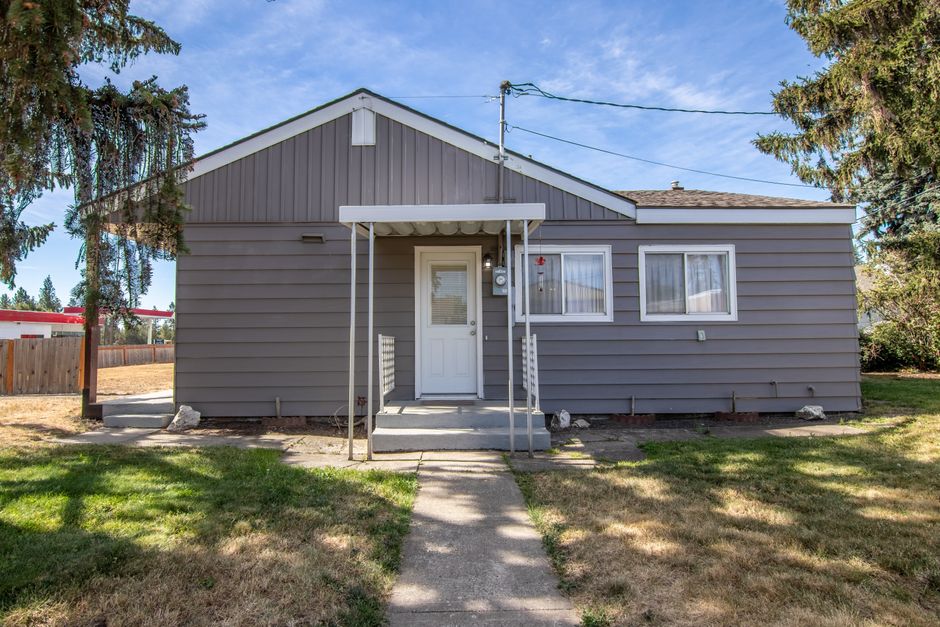
Housing in Spokane won't shock you the way Seattle or Portland might. A decent single-family home in established neighborhoods runs anywhere from $350,000 to $550,000 depending on what you want and where you're looking. That's real money, but it's not Bay Area money. I looked at a few listings while I was in town—a 1970s rambler with updated kitchen and solid bones went for under $400,000 in one of the central neighborhoods I'll get to in a moment.
Rent for those who prefer not to own sits lower, often $1,200 to $1,800 for a one-bedroom apartment in okay condition near downtown or in slightly newer complexes. Utilities run reasonable. Winters mean heating costs, obviously. One person I met mentioned paying around $120 to $150 a month for electricity in summer and closer to $180 in the deep winter months.
Groceries, dining out, and general services feel middle-of-the-road. Not cheap, not expensive. You'll spend less than you would in Seattle or Portland, more than you might in Boise or some smaller mountain towns. Property taxes in Washington state are moderate—the state has no income tax, which gets mentioned a lot when people talk about Spokane, though you should understand that Washington compensates with higher sales tax and property-focused taxes. For someone retiring on a fixed income, the lack of state income tax does matter.

Healthcare and Medical Services
This is where Spokane punches above its weight for a mid-size city. Providence Health and Services runs two major hospital systems here—Providence Sacred Heart Medical Center and Providence Holy Family Hospital—and there's also the Spokane VA Medical Center serving veterans. The hospitals are accredited, reasonably well-equipped, and the physician network is substantial. You won't have the same specialist density you'd find in Seattle, but for basic and intermediate care, the infrastructure is genuinely solid.
I talked to a few people in their 70s who moved here from California and mentioned that getting appointments felt easier than what they'd experienced on the coast. That said, if you have very specialized medical needs or need frequent specialist care, you may find yourself driving west to Seattle or considering that a long-term limitation. The healthcare ecosystem here works well enough for most standard retirement healthcare scenarios—joint replacements, cardiac care, cancer treatment—but it's not a medical tourism destination.
Winter, Climate, and What That Actually Means
Let's be direct: Spokane gets real winter. December through February, you're looking at temperatures that regularly dip into the 20s and 30s Fahrenheit, occasional ice, and a decent amount of gray sky. This isn't the Midwest—we're not talking 20-below blizzards most years—but it's far from the Seattle narrative of mild winters with a bit of rain.
I was there in mid-November and could feel winter waiting in the wings. The sun was setting by 4:30 p.m., and people talked about the stretch of December-to-February as something to prepare for, not ignore. If you're retiring because you want to escape winter entirely, Spokane isn't your answer. If you don't mind winter but don't want to be shoveling daily in Minnesota, it's probably reasonable. Many retirees I met had the approach of bundling up for walks, using the snow for outdoor activity if they're inclined, or simply accepting a few months of staying closer to home.
Spring and summer are excellent. July and August are warm and dry, often in the high 70s to mid-80s. Fall is crisp and beautiful. The overall pattern is drier than the Seattle area—Spokane gets around 17 inches of rain annually, compared to Seattle's 38. Plenty of sunshine in non-winter months.

Browne's Addition: Walkable, Historic, Close to Everything
Browne's Addition is the neighborhood that keeps coming up when I talk to people who've recently retired to Spokane. It's historically one of the city's most established areas, with tree-lined streets, early 1900s craftsman and Victorian homes, and an actual neighborhood feel rather than the dispersed suburban sprawl you get in much of the metro area.
Walking around Browne's—locals call it by the name, not "the Browne's Addition neighborhood"—you notice the proximity to downtown, to restaurants, to parks. Gonzaga University sits here, which brings some cultural activity and a college-town vibe that appeals to some retirees and feels too studenty to others. Prices for homes in Browne's have climbed accordingly; you're looking at $450,000 to $650,000 for something in decent condition with actual character. It's the neighborhood where retirees who want walkability and some urban amenities tend to land. Real estate moves here, and people mention it with the tone of someone who made a good move.
The South Hill and Newer Retirement Community Options
The South Hill is Spokane's expansion zone—newer construction, wider streets, bigger lots. For retirees interested in active adult communities or newer home construction, this is the area. There are several 55-plus communities scattered through the South Hill and surrounding areas—The Fairways, The Pointe, communities like that—offering different levels of services from basic neighborhoods with age restrictions to full resort-style setups with clubs, activities, and on-site healthcare coordination.
I didn't spend time in the communities themselves, but the general reputation is that they offer convenience, community activity programming, and the appeal of new construction if that matters to you. Prices run slightly lower than Browne's for equivalent square footage, though the communities with more amenities command premiums. These communities appeal strongly to people moving from out of state who want immediate social connection and don't want to spend their first year in Spokane figuring out where to make friends.

Liberty: Quiet, Rural, Still Accessible
About 20 minutes northeast of Spokane proper, Liberty is a small, genuinely quiet town that some retirees choose instead of the city itself. It's acreage-oriented, slower, with a small-town feel while still being close enough to Spokane's services and hospitals to matter.
Housing here runs cheaper—you can find decent properties on actual land for $300,000 to $450,000 depending on size and condition. It appeals to people who want space, maybe a small hobby farm or large property, but aren't willing to be truly remote. The trade-off is that you're driving into the city for most services, medical appointments, and entertainment. If you're the type who hates suburban sprawl and wants genuine rural quiet but needs to be able to reach a hospital in 30 minutes, Liberty or similar small towns in the area make sense. If you want walkable neighborhood life, this isn't it.
Things Worth Considering Before You Move
Spokane's job market and cultural intensity are weaker than larger metros, which matters less if you're actually retired but matters a lot if you're considering any part-time work or if you have adult children who might want to move nearby. The city is in a growth phase with some genuine investment in downtown, but it's not the same ecosystem as Seattle or Portland.
Education and culture are serviceable rather than exceptional. Gonzaga University brings some college-level events. There are museums, galleries, reasonable theater options. But you're not getting the cultural density of a major city. If that matters to you, acknowledge it now rather than assuming you'll adapt.
The one thing everyone mentions is the community of people—Spokane people seem genuinely friendly, the pace is slower, and there's a sense of neighbors actually knowing each other. This comes up regularly in conversations with recent retirees. Whether that appeals to you depends on what kind of retirement life you actually want.
The Real Question
Spokane works well as a retirement destination if you're looking for affordability, reasonable healthcare access, four legitimate seasons (including a winter you have to plan for), and community without the complexity of a major metro area. The cost of living is genuinely moderate for the Pacific Northwest. The healthcare is adequate. The climate is manageable if you're not allergic to winter.
It doesn't work if you need world-class specialty care, demand year-round warm weather, or require the cultural and professional infrastructure of a major city. Be honest about which category you're in. I spent enough time here to believe the people who chose to retire in Spokane made a sensible decision, but also that it's a decision that requires actually liking the place—not just settling for it.


