
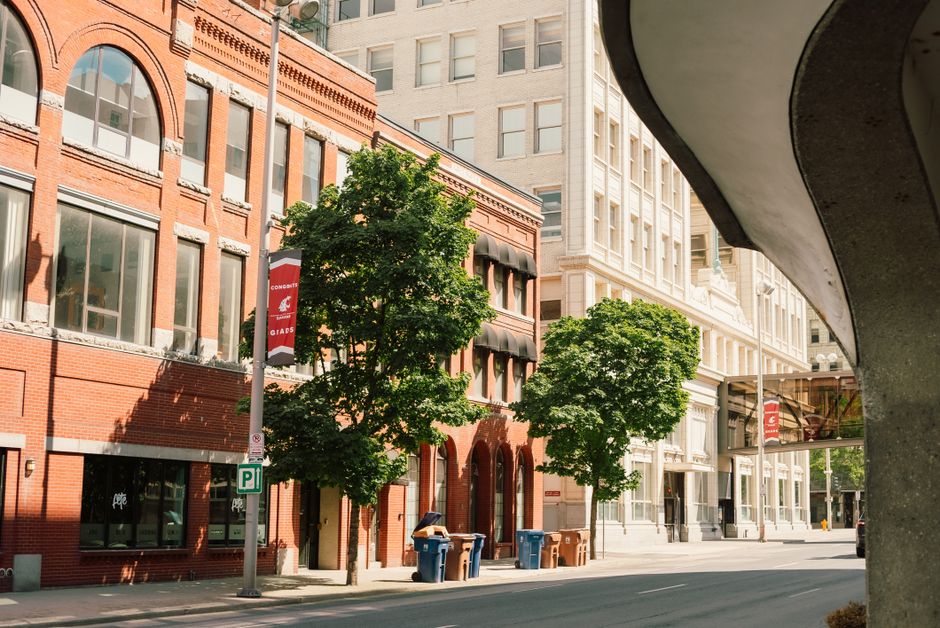
I rolled into Spokane on a gray afternoon last fall, fresh off six months of driving through the Pacific Northwest, and the first thing that struck me was how quiet it felt. The Dayton Hotel lobby where I checked in was almost empty. A friendly bartender told me the usual things—don't wander downtown late alone, stick to lit streets, use common sense. Standard advice for any mid-size city. But I wanted to dig deeper, talk to locals, actually understand where the real concerns are versus what's just travel-guide paranoia.
Spokane gets unfairly painted sometimes. It's a city working through some genuine issues—homelessness, addiction, property crime—but it's also a place where most visitors and residents move around without incident. The key is knowing which neighborhoods warrant extra caution, when daylight matters, and where you're genuinely fine walking around at 11 p.m. versus where you should call a rideshare instead.
Downtown After Dark: Timing Matters More Than You'd Think
Downtown Spokane during the day is pleasant. Riverfront Park is genuinely nice, the shops along Main Street are decent enough, and the walking mall has decent foot traffic. But the dynamic changes noticeably after sunset, especially in the blocks between the convention center and the residential areas spreading east. This isn't a war zone—you're not in danger just for being there at 9 p.m.—but the character shifts.
Locals who work or live downtown are pretty consistent about this: avoid walking alone in the quieter blocks after dark. If you're catching dinner or drinks, choose places with active sidewalks. The areas immediately around the Spokane County Courthouse and the residential blocks west of Division Street see property crime and occasional street-level drug activity that becomes more visible and less safe after nightfall. During daylight, these areas are unremarkable. At midnight, walking solo probably isn't your best move.
The practical advice here isn't rocket science: plan evening activities on busier blocks, use rideshare apps rather than walking back to your hotel alone after 10 p.m., and if you're downtown during the day, you're fine being a normal tourist.
The North Division and East Sprague Corridor
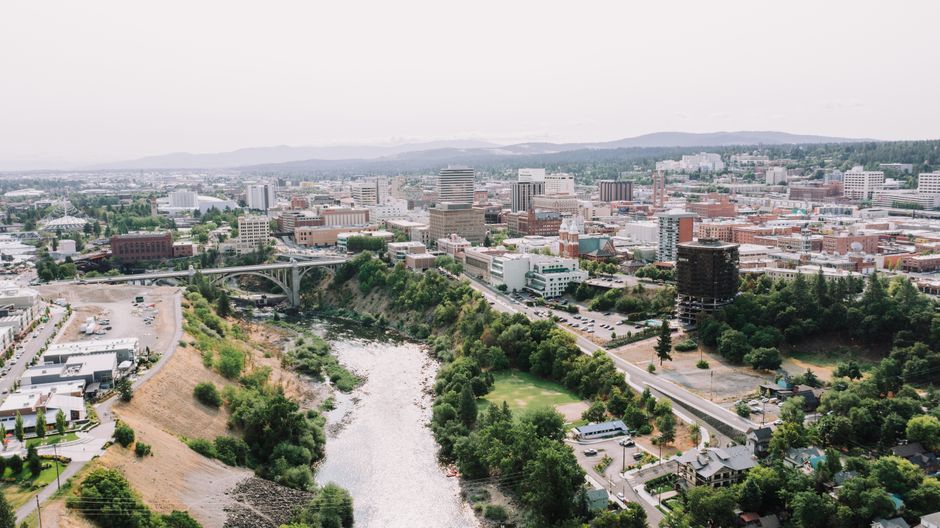
North Division and the East Sprague avenue corridor have a rougher reputation, and unlike some overblown warnings about neighborhoods, this one's rooted in actual patterns. These areas have higher concentrations of street-level drug activity, property crime, and the kind of petty theft that affects travelers specifically—car break-ins, theft from vehicles, bicycle theft. Police data and resident reports line up pretty cleanly here.
That said, people live, work, and pass through these areas every single day without incident. You might stay near Division if you find a good hotel deal, or need to cut through on your way somewhere. Just don't treat it like a destination. Don't park your car and leave valuables visible. Don't walk around alone late at night looking for a 24-hour diner. During daylight hours, the area is manageable, and certain blocks—especially closer to downtown proper—are fine. But the farther north and east you go, particularly in the evenings, the more you're testing your luck as a solo traveler with a camera or backpack.
Where You Actually Can Relax
Gonzaga's neighborhood around the university campus is genuinely safe and pleasant. West of downtown, around the historic neighborhoods and Browne's Addition, you get tree-lined streets, walkable commercial blocks, and the kind of vibe that feels secure even on evening strolls. This is where many locals actually spend their time. The Hill, Liberty Park, and the areas spreading west toward the residential core of the city are reliable.
River Park and the immediate Riverfront Park area—the tourist zone—is fine during operating hours and early evening. Visiting during the day or catching an evening event here isn't a risk calculation. The Cheney-Spokane border area, where you'll find Washington State University's satellite campus and some newer development, is equally unremarkable and safe. Eastgate and the neighborhoods spreading toward Medical Lake are residential, quiet, and secure.
Practical Precautions That Actually Matter
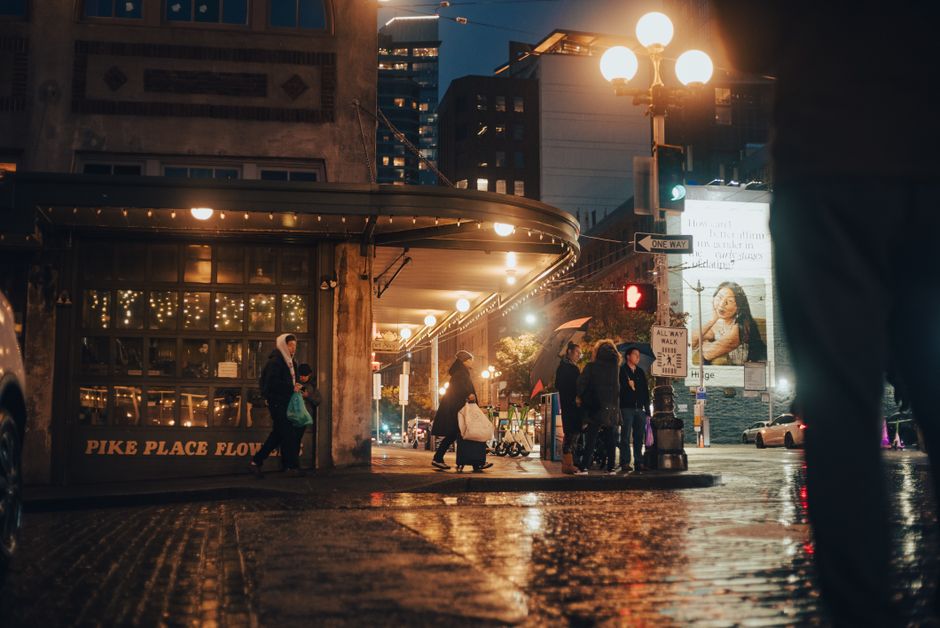
None of this requires being paranoid. Solo travel means managing risk sensibly, the same way you would in any unfamiliar city. First: don't leave anything valuable in your car. Not sunglasses, not a jacket, not a phone charger. Property crime here isn't usually violent, but opportunistic theft from vehicles is real and happens constantly, especially in less-monitored parking areas.
Second: trust the daylight. Spokane winters are dark and early, but winter daylight or summer evening light changes the calculus entirely. You can walk almost anywhere alone during daylight. After dark, be selective. Use the rideshare apps—Uber and Lyft both serve Spokane well—rather than assuming you can walk back to your hotel from a bar or restaurant at 11 p.m., particularly if you're heading to a quieter area.
Third: your phone and backpack are targets, even if you don't feel like you're being watched. Don't set your phone or bag down on a café table while you're distracted. Keep your backpack in front of you on public transit. These are habits, not panic responses.
Fourth: use your eyes and ears. If a block or a person feels off, it probably is. The city's homeless population is visible, particularly downtown and along the corridor stretching north. Most people you'll encounter are just dealing with their own stuff, but occasional aggressive panhandling happens. A firm "no thanks" and kept walking is standard; you're not being rude. If someone's clearly in crisis or acting erratically, move to a different block.
Getting Around Safely
Spokane Transit Authority buses run throughout the city and are generally fine during daytime and early evening. The same rules apply: be aware, keep your belongings with you, don't advertise expensive items. Solo travelers riding buses shouldn't overthink it, but midnight routes through less-busy sections of the city are where you'd want to consider alternatives.
Walking is the primary way to experience downtown and the neighborhoods, and that's completely reasonable. The blocks around the Dayton, the Fox Theater, and most of Main Street are walkable alone at reasonable hours. Taxis and rideshare are ubiquitous and cheap—use them without hesitation rather than walking alone late at night. Your phone will have signal everywhere in the city proper.
Seasonal Shifts and Winter Considerations
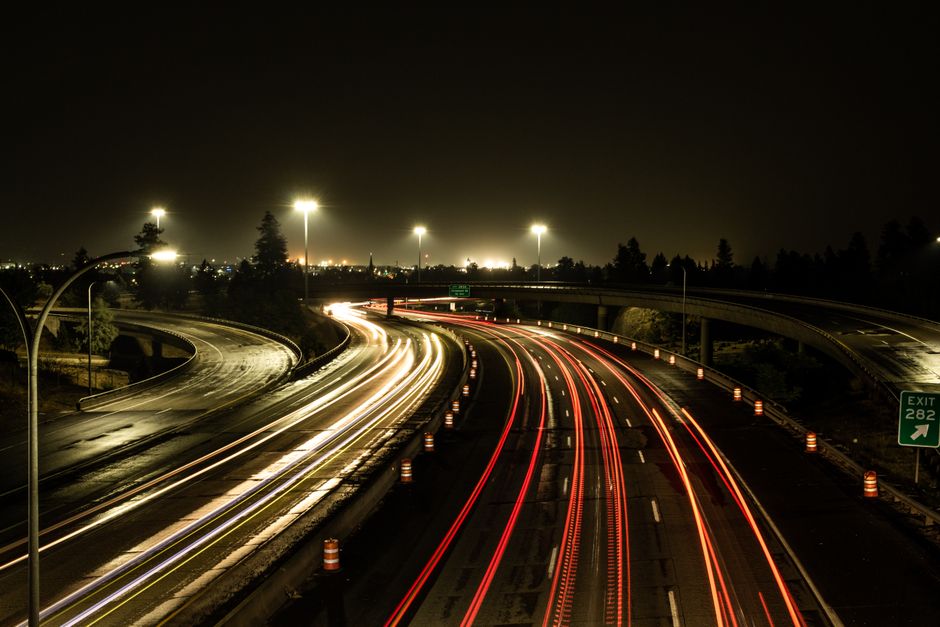
Winter in Spokane means ice and darkness, which don't create crime specifically, but do make solo travel more isolating. Icy sidewalks mean you're watching your footing rather than your surroundings. Darkness falls by 4:30 p.m. in December. Plan activities accordingly. Summer is straightforward—long daylight, mild evenings, more foot traffic overall, lower anxiety. If you're visiting in winter, just accept earlier bedtimes and rideshare usage without treating it as a sign of danger.
The Honest Bottom Line
Spokane isn't notably dangerous compared to other Pacific Northwest cities of its size. Seattle and Portland have higher property crime rates and more visible street-level disorder. Spokane has its own issues—a visible homeless population, drug activity in certain areas, property crime—but you're not taking an unreasonable risk by visiting solo. Thousands of people do it without incident.
The real advice is boring: stay aware, use daylight when you can, avoid walking alone in quieter areas after dark, don't leave valuables in your car, and trust your instincts. If you're making reasonable choices, Spokane is an easy city to navigate and enjoy. The falls, the riverfront, the local restaurants, and the general sense of friendliness that locals actually have—those are the real story here. Just balance that friendliness with ordinary caution, the kind you'd use anywhere.


