I rolled into Tulsa on a late-afternoon drive from the Texas panhandle, expecting a forgettable pit stop. Instead, I found myself wandering the Gathering Place, watching retirees on benches along the Arkansas River, and thinking: why isn't this city on more retirement lists? The place has bones. Historic buildings. A real downtown that's actually busy at lunch. And the price tag? Radically lower than what I'd come to expect in places with comparable amenities.
Retirement decisions aren't theoretical. They're about where you'll actually spend decades, whether you can afford to stay there as you age, and whether the place still feels alive when you're eighty. Tulsa checks boxes a lot of people don't realize until they visit. But it's not a fit for everyone, and I'm not here to oversell it.
Cost of Living: The Primary Draw
Tulsa's affordability is its clearest selling point. Housing costs run roughly 15–20% below the national median, and I'm not talking about decrepit fixer-uppers in the sticks. You can find solid three-bedroom homes in established neighborhoods for well under $300,000—sometimes substantially under. Rental options exist too, which matters for people who want flexibility in early retirement.
Groceries, utilities, and dining out follow suit. A modest monthly budget that would be tight in Denver or Austin feels comfortable here. The trade-off is that you're not in a high-cost coastal city, which is precisely the point for most people considering a move. If your retirement income is modest or middle-of-the-road, that breathing room matters.

Healthcare and Medical Infrastructure
Tulsa has several major hospital systems: Saint Francis, Hillcrest, and OU Medical, all with solid reputations and emergency services. The city attracts a fair number of specialists, though for very specialized care—and this is honest—you might travel to Oklahoma City or fly out. It's not Manhattan-level access, but it's far from rural.
One thing to verify before moving: your specific health conditions and whether the providers you currently use have offices here, or whether you're comfortable switching. Medicare and major insurance plans are well-represented. The healthcare situation is functional and reasonably priced, not cutting-edge. That's a fair trade at Tulsa's cost of living.
Weather and Climate Realities
Here's the honest part: Tulsa summers are hot and humid. Temperatures regularly top 95 degrees from July through early September. If you have severe respiratory issues or heat sensitivity, you'll want to spend money on good air conditioning—which most homes have, though older ones sometimes run questionable units.
Winters are mild by northern standards but can be unpredictable. You might get ice storms or sudden cold snaps, though sustained freezes are rare. Spring brings severe weather potential—thunderstorms and the occasional tornado threat—so weather awareness is part of living here. If you're coming from the cold Northeast, the overall climate is a net win. If you're escaping Arizona heat, Tulsa's humidity might feel like a trade-off. Fall is genuinely beautiful and long, which many retirees mention as underrated.
Taxes: What You Need to Know (Generally)
Oklahoma has no estate tax, which some retirees mention as a factor. The state income tax sits around 5%, which is moderate. Property taxes are low compared to national averages. Sales tax in Tulsa is higher than some states due to city and county additions, but not extreme. Social Security retirement income in Oklahoma is not federally taxed at the state level, which helps many retirees' situations.
I'm not a tax advisor, and your actual situation depends on where your income comes from—pensions, investments, Social Security mix. It's worth running specific numbers with a CPA or financial advisor before committing. But broadly: Oklahoma doesn't punish retirees with aggressive tax structures. That said, tax policy changes. Don't move here expecting current rules to stay frozen.
Midtown and Downtown Tulsa: Urban Retirees
Some retirees want walkability and proximity to culture. Midtown has seen real revitalization over the past decade. You've got galleries, restaurants, a brewery or two, and enough foot traffic that you don't feel isolated. The Philbrook Museum is here. The neighborhoods immediately surrounding—Cresent Hill, Kendall-Whittier—have older, attractive homes at reasonable prices. It's not a young-person's party district anymore; it's genuinely mixed-age.
Downtown proper is quieter but improving. The Gathering Place park is world-class and genuinely worth factoring in. If you want to be near cultural stuff and don't mind an older urban core, this works. Some older townhouses and lofts are available downtown itself, though inventory changes. The vibe is small-city, not metropolitan. If that appeals to you, great. If you need big-city anonymity and options, Midtown is a safer bet.

Broken Arrow: Suburbs Done Right
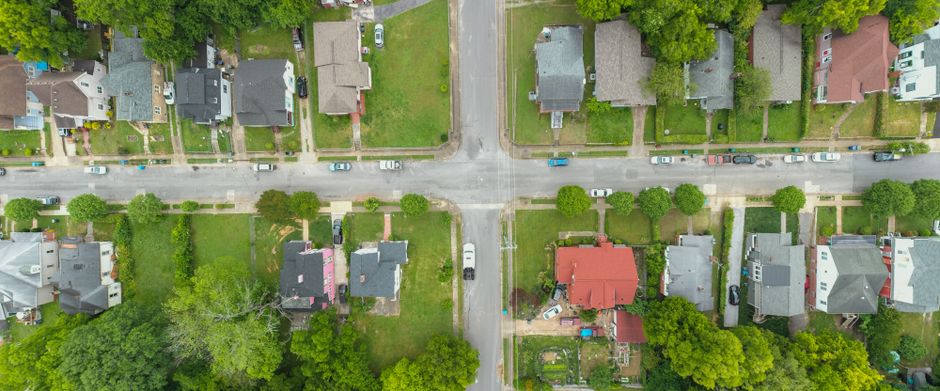
About fifteen minutes south of Tulsa proper, Broken Arrow is where a lot of retirees actually end up. It's suburban but not soulless—tree-lined streets, good schools (relevant if grandkids visit), and newer construction mixed with well-maintained older neighborhoods. The average home price is higher than central Tulsa but still reasonable nationally. You get safety, cleanliness, and proximity to Tulsa's amenities without the urban feel.
The downside: you need a car for everything. The upside: very low crime compared to urban Tulsa, active senior programs, and a genuinely nice community feel. Broken Arrow appeals to people who want retirement comfort without sacrifice. It's not flashy. That's kind of the point.
Owasso and North of the City: Space and Quiet
North of Tulsa, Owasso is more rural-leaning, with larger lots and quieter streets. It's the choice for retirees who want property—maybe a small acreage, a shop, space to have projects. The community is newer overall, so infrastructure is solid. It's farther from downtown Tulsa's cultural offerings, though not impossibly far.
If your retirement dream involves gardening, quiet mornings, and not hearing neighbors through walls, this direction makes sense. If you're someone who wants to walk to restaurants or gallery openings, Owasso feels isolating. Again, it's about what retirement means to you specifically.
The Real Verdict
Tulsa works well for retirees on modest to middle-class incomes, people who don't need cutting-edge medical specialization, and folks willing to drive to entertainment. The affordability is real. The city has personality. The healthcare is functional. The weather is livable if you accept humidity and occasional storms.
It doesn't work as well for people with complex medical needs requiring top-tier specialists, folks desperate for urban density and anonymous crowds, or anyone who absolutely cannot tolerate humidity. It's a solid regional city, not a prestige retirement destination. But solid, affordable, and actually alive is underrated. Worth a visit before deciding. Spend a week in Midtown or Broken Arrow in July and August, not just April. That's the test.