
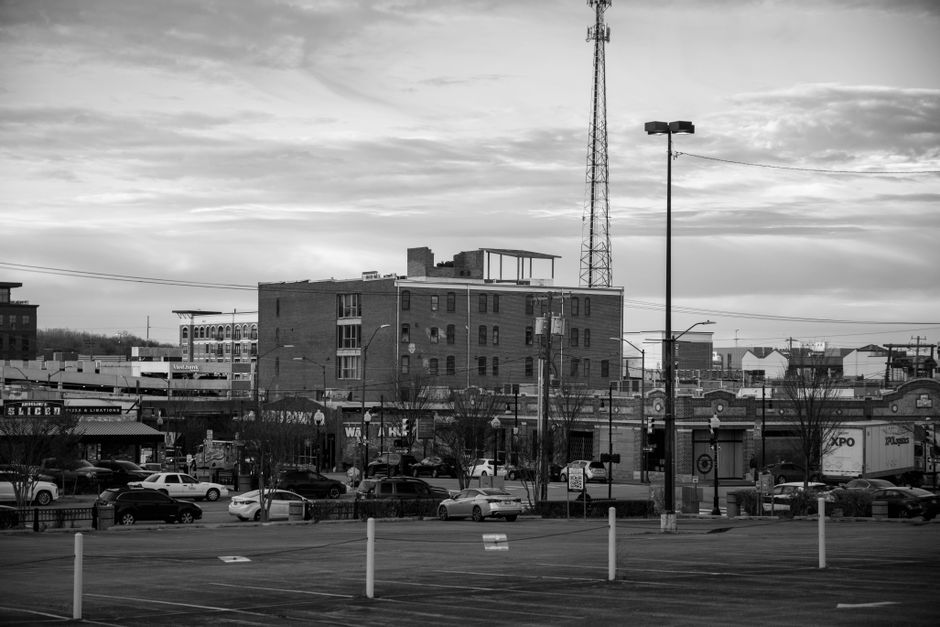
I rolled into Tulsa on a Tuesday afternoon with the usual solo-traveler mix of excitement and mild paranoia. The city surprised me—it's got actual momentum right now, real restaurants, a revitalized downtown that people actually use. But like any city of around 400,000, there are neighborhoods I'd navigate differently at 11 p.m. than at noon, and routes I'd take by car instead of on foot.
The good news: Tulsa isn't one of those places where you're genuinely unsafe in broad daylight in most areas. The challenging news: property crime exists, certain blocks deserve more caution than others, and like anywhere, solo travelers benefit from the same street smarts that work in Denver or Memphis. This guide is based on what local residents actually say, police-reported data patterns, and where I felt genuinely secure versus merely tolerated.
Downtown and the Pearl District: Safer Than You'd Think
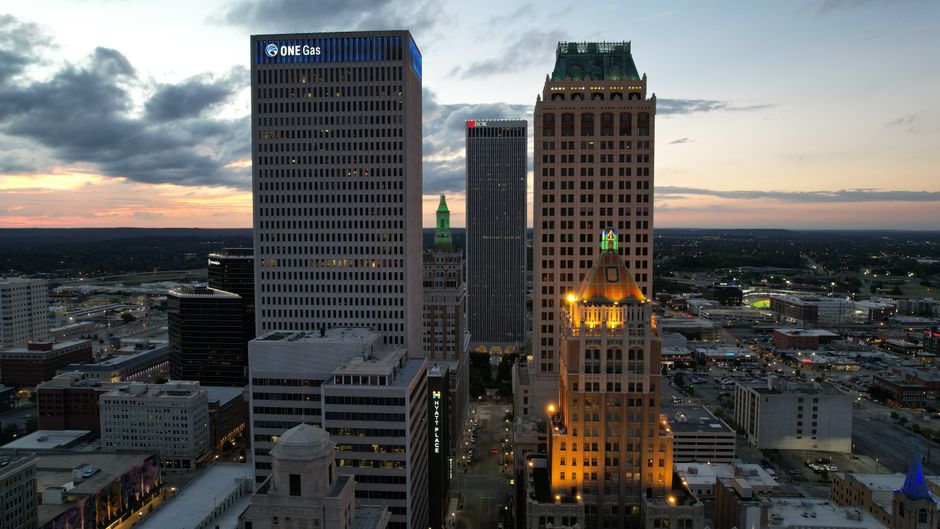
Downtown Tulsa has experienced real investment over the past decade. The Brady Theater area, the Convention Center, and blocks around the Philbrook Museum feel lively during business hours and into the evening. I walked around after dark without incident, though I stuck to well-lit main corridors and didn't dawdle on empty side streets at 2 a.m.—not because of Tulsa specifically, but because that's just sensible anywhere.
The Pearl District, running roughly from 11th to 21st Street between Boston and Detroit, is where young professionals actually hang out. Coffee shops, galleries, the Woody Grill—it's the part of Tulsa that feels actively curated. Street lighting is decent, foot traffic is real, and you'll see other solo diners and workers. This area genuinely presents fewer concerns than most Midwestern cities at a similar size.
That said, don't assume safety extends automatically to every block touching downtown. The areas immediately north of downtown, particularly around north-south streets without much commercial activity, thin out quickly. Walk with purpose, keep your phone out only when needed, and if you're going out for a night out, ride-share back rather than walking more than a few blocks to your hotel.

Neighborhoods That Warrant Caution and Practical Alternatives
Certain areas on Tulsa's north and east sides show elevated crime statistics compared to the rest of the city. Police data and local consensus point to sections of North Tulsa—particularly around 11th Street and further north, and similarly some tracts east of downtown—as places where property crime and violent crime rates exceed city average. This isn't speculation; it's what local news consistently reports and what residents actually tell you.
But here's the thing: you're unlikely to end up in these areas by accident if you're visiting. They're not where hotels cluster, they're not near the Philbrook or the Gathering Place park, and they're not on the route to anywhere a tourist typically goes. If you do find yourself there—say, because you're checking out a specific business or following a map—exercise standard precautions: don't leave valuables visible in your car, move briskly if it's getting dark, and call a ride-share rather than wait on a street corner. In daylight hours with your wits about you, these neighborhoods are survivable. Just don't linger.
For solo travelers, the practical advice is simpler: stick to the Pearl District, downtown, midtown (around 15th Street between Main and Yale), and the Philbrook area. Ride-share is cheap and abundant here. You're not being paranoid or rude by choosing it—you're being practical.
The Philbrook Museum Area and South Tulsa
South Tulsa is where Tulsa's money lives, and it shows in maintenance, lighting, and foot traffic. The Philbrook Museum itself sits in a pleasant, well-kept neighborhood, and the museum grounds are actively patrolled and secure. Around Utica Square and the retail corridors heading south on 21st Street, you'll find bookstores, decent restaurants, and the general hum of a moderately affluent area. Solo travelers feel comfortable here, and locals regularly recommend it.
Beyond the immediate commercial corridors, residential areas south of downtown are quite safe. If you're staying in a hotel south of downtown—which several decent mid-range and upscale options do—you're in better shape security-wise than if you landed in some random block of the north side. Walking between shops and restaurants during daylight and early evening is entirely normal. After dark, especially if you're walking alone, a ride-share is smarter than hoofing it for more than a few blocks.
Transportation: When to Drive, When to Walk, When to Ride-Share
Tulsa is a car city. It's sprawled out, and buses, while they exist, aren't the backbone of how people move. That's relevant to your safety calculation. Solo travelers without a rental car should lean heavily on ride-share apps—they're affordable here and available. A Lyft or Uber across town costs $7 to $15 in most cases.
Walking is fine in concentrated areas: downtown's lit commercial blocks, the Pearl District, Utica Square, the Philbrook area. Once you're more than a few blocks from these nodes, you're often on quieter residential streets or commercial strips designed for car traffic, not pedestrians. Even if they're technically safe, you feel exposed walking alone on a six-lane road with minimal sidewalk at 8 p.m.
If you rent a car, which many solo travelers do, park in visible, well-lit areas. Downtown has parking garages (use those rather than street parking at night). Don't leave gear visible on seats. The usual precautions apply. Overall, car theft and break-ins in Tulsa trend below national average, so you're not in a particularly high-risk situation if you're sensible.
Public transit (the MTTA bus system) is safe during daytime and early evening, but routes thin out and riders drop off significantly after dark. If you're going to use buses, do it before 6 p.m., and ideally not alone late at night—that's just practical everywhere.
Practical Precautions: What Actually Matters
Solo travelers fall into predictable patterns that attract opportunistic theft: phone out constantly, earbuds in both ears, backpack worn on one shoulder, distracted by maps. Tulsa's not unique in this, but it's worth noting. Don't broadcast that you're a visitor or carrying anything valuable. Keep your phone in your pocket unless you need it. Be aware of your surroundings in transit stations and popular tourist spots—not paranoid, just aware.
Hotels in downtown and midtown are generally solid security-wise. The Pearl District and south Tulsa options skew safer. North Tulsa and far east side accommodations would be unusual for tourists but worth avoiding unless you have a specific reason. If you're booking last-minute and price looks suspiciously low in an unfamiliar area, it might be flagging a neighborhood you don't want to land in.
Timing matters. Daytime in most of Tulsa is unambiguously safe. After dark, the calculation shifts. Most of the city remains fine at 9 p.m., but by midnight, foot traffic drops and you're more visible. Solo travelers out late should travel by ride-share or with others. That's not unique to Tulsa—it's true everywhere, and being smart about it is just sense.

What Residents Actually Say
I had coffee with a few locals—a bartender, a gallery owner, a retired cop volunteering at the Chamber. They all said basically the same thing: Tulsa's improved significantly in the past five years. The downtown revitalization is real. The Pearl District genuinely works. North Tulsa remains economically stressed and shows crime patterns that reflect that, but it's also not a zone where visitors typically wander by accident.
The retired cop was blunt: "If you're visiting, you're probably fine. Just don't be the person who ignores context. Don't walk alone through unfamiliar neighborhoods after midnight. Don't leave your bag unattended. Don't look like you've got $500 cash in your pocket. You're not special here—those rules work everywhere, and people who follow them don't have problems."
That sums it up. Tulsa's not dangerous by national standards. It's not pristine, either. It's a real city with real neighborhoods, some thriving and some struggling. Solo travelers who use basic judgment will be fine.
After Dark: Where to Be and Where to Skip
If you're out after dark in Tulsa, keep these mental maps: Downtown (particularly the Brady district and Convention Center area) is fine until midnight or so, especially if you're moving between lit establishments. The Pearl District remains lively until 11 p.m. or later on weekends; solitary walks home aren't recommended, but sitting at a restaurant or bar is normal. South Tulsa's commercial corridors are fine until late evening.
Skip: walking alone on dark residential blocks in north Tulsa or east-side neighborhoods you don't know. Skip: isolated parking lots after dark. Skip: being the last person on a quiet street at 1 a.m. These aren't Tulsa-specific; they're universal sense.
Use ride-share liberally if you're going out for dinner or drinks. The cost is low, your safety margin is high, and you'll actually enjoy yourself rather than calculating walking routes in your head. That's worth the $10.
The Bottom Line
Tulsa is a manageable city for solo travelers. You're unlikely to feel unsafe in the places tourists actually go. The neighborhoods worth avoiding aren't where you'll be unless you deliberately seek them out. And even then, caution beats cowardice—daytime visits to parts of town that struggle economically are survivable; midnight walks alone anywhere are just not smart.
The city's got real culture, decent food, genuine history, and enough going on to make a solo trip worthwhile. Come downtown in the morning, spend time in the Pearl District, check out the Philbrook, eat well, and ride-share after dark. That formula works. Most solo travelers will find Tulsa considerably safer than they expected.



