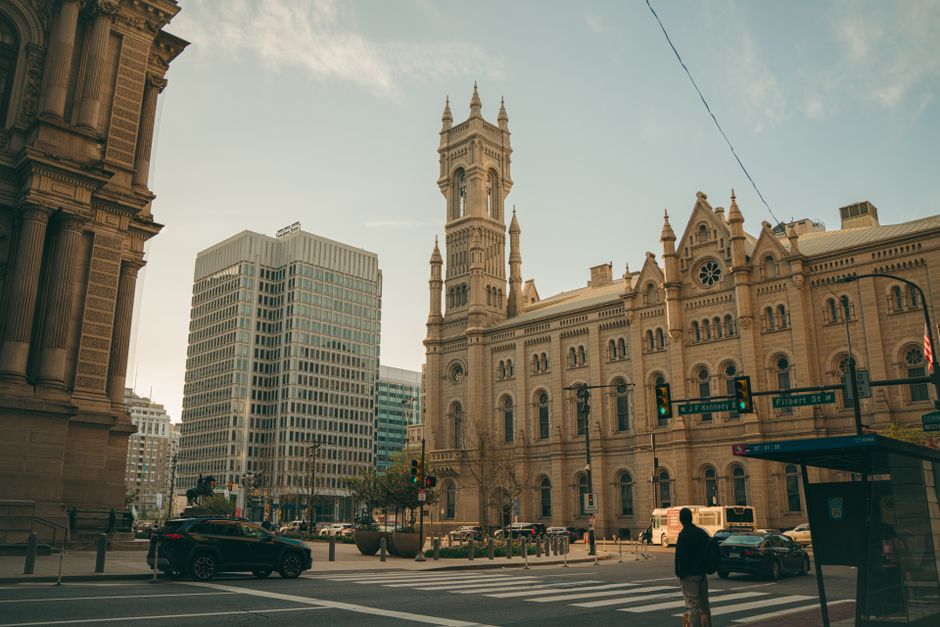
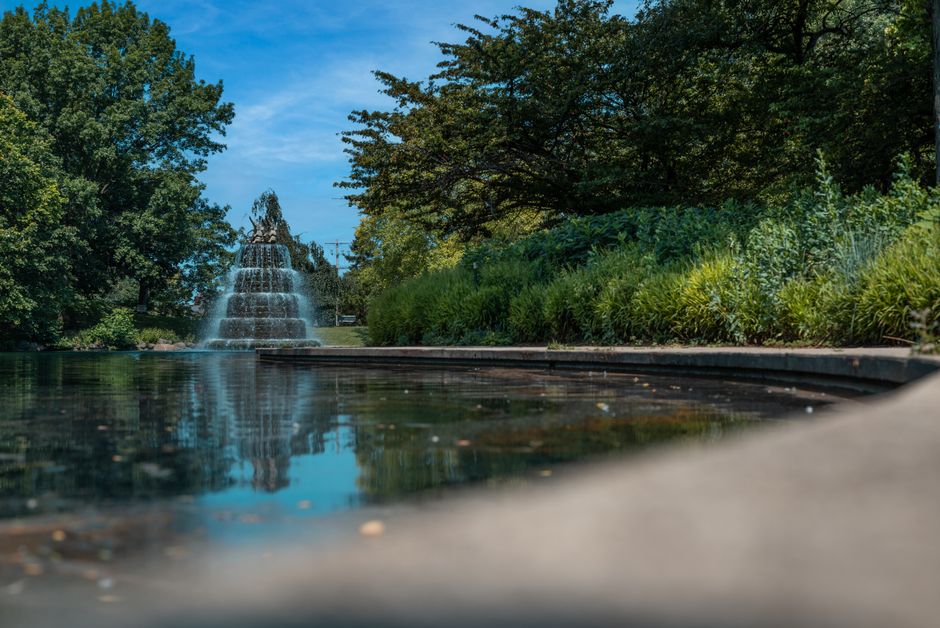
I rolled into Kansas City expecting barbecue and fountains, which I found plenty of. But after three days of hitting the obvious targets, I got curious about what locals actually do when they're not performing Kansas City for visitors. Turns out, the real texture of this place opens up the moment you stop treating Main Street like a theme park.
What struck me most was how much character sits just outside the tourist bubble. Not hidden in some gatekeeping sense—just genuinely quieter, less photographed, easier to actually experience without elbows in your ribs. I spent a week wandering, talking to people at coffee shops, and deliberately taking wrong turns. Here's what actually stuck with me.
Loose Park and the Rose Garden Nobody Talks About
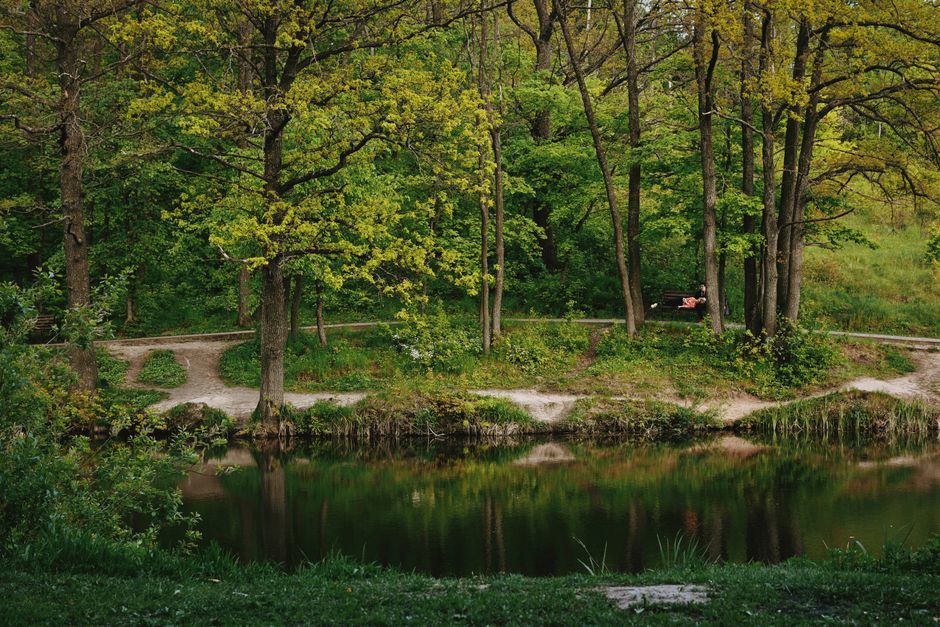
Most visitors stick to Union Station and the War Memorial. Loose Park is five minutes south and feels like someone's estate garden that the city forgot to fully commercialize. The rose garden runs about four acres—nothing massive, but in spring and early summer it's genuinely gorgeous and nearly empty on a weekday morning.
I sat on a bench there for an hour with a coffee I'd grabbed nearby, watching maybe six other people total. No trams, no selfie sticks, no one trying to get the perfect Instagram angle. Just rows of roses in a Midwestern afternoon. The playground area brings families on weekends, but if you time it right—weekday before noon—you'll have the serious garden parts mostly to yourself. There's parking right there. It costs nothing.
The Arabia Steamboat Museum Does One Thing Incredibly Well
This one shows up in guidebooks but somehow still feels genuinely quiet. A steamboat sank in the Missouri River in 1856, got buried under sand and mud, and sat there for 132 years until someone actually dug it up in the 1980s with the stuff still inside it.
The museum is small—you can see it all in 90 minutes—but what's there hits different. Dishes from people's cabins. Leather boots. Buttons. Cargo manifests. It's the opposite of a big-box museum experience. You're looking at actual objects from actual people whose names you can read, traveling toward lives interrupted. The museum itself is in a converted warehouse space that feels appropriately old and industrial, not sanitized. Staff people are genuinely knowledgeable and not overwhelmed by crowds. Admission runs around fifteen bucks. On the Tuesday I went, I counted maybe twenty people inside the whole time.
Crossroads Arts District When It's Just a Neighborhood
Crossroads gets traffic because of First Friday gallery crawls, which is fine, but they're loud and packed. Go on a regular afternoon—say a Thursday—and you're walking through an actual neighborhood where artists actually live and work, not a curated experience.
The space itself is beautiful in an industrial way: old brick warehouses converted into studios and smaller galleries, street murals that feel like actual art rather than Instagram props, a few coffee spots and restaurants that aren't trying too hard. I wandered into a couple smaller galleries without much ceremony and had real conversations with artists about what they were working on. One studio had a printmaker who let me watch for twenty minutes while she worked a woodcut. Profit motive seemed secondary to the actual making of things.
There's a brewery or two, some decent food, but honestly the main value is just walking around. Parking is usually fine. No admission charges to look at the neighborhood itself. Go when it's not a gallery-crawl night and you'll understand why people chose to set up here in the first place.
The Negro Leagues Baseball Museum and an Honest Conversation
Kansas City has legitimate baseball history—the Monarchs played here, and the museum takes that seriously without turning it into a Disney version of injustice. It's small, detailed, and staff members know their material because they actually care about it.
I spent maybe two hours there and had one of those conversations where a staff person noticed I was actually reading the exhibits rather than rushing through, and we ended up talking about what these players meant to their communities beyond just statistics. The museum sits at 18th and Vine, in a neighborhood that's been important to Kansas City's Black history and culture. It doesn't pretend that history is solved or museum-ified into safety. Admission's reasonable. The gift shop isn't trying to upsell you into debt.
Thomas Hart Benton Home and the House That Feels Lived In
I didn't know who Thomas Hart Benton was when I walked in. American regionalist painter, early-to-mid 20th century, lived and worked in this house for years. The house tour is small and guided—usually only a handful of people—and you're actually walking through rooms where he painted, lived, fought with his wife, made dinner, had creative crises.
What gets you is how normal it is. Not a mansion. Not roped off. An actual working artist's home that happens to be a museum now. His studio space, his easel, the kitchen where he lived. The volunteers who run the tours actually know the stories because the place is small enough that they're not interchangeable. There's something about standing in a room where someone did their best work that makes art feel less abstract. It's across the street from a park. Total admission is eight dollars.
The Working Stockyards, Not the Tourist Version
Here's the thing about Kansas City's stockyards: there's a tourist stockyard experience with gift shops and staged shows, and then there's the actual stockyards where actual livestock gets processed and sold. The working yards are north of downtown, less polished, way more real.
I took a walking tour through the actual working area early on a Tuesday—one of the few days they allow visitors. You're watching actual cattle handlers moving actual herds, seeing the scale of agricultural commerce that built this city. There's nothing cute about it. It smells like livestock and diesel and industry. The architecture is functional, aging, honest. A local tour company handles the logistics. Most people don't bother because there's no gift shop on the other end and you can't eat anywhere particularly convenient afterward.
But if you want to understand what Kansas City actually was and partly still is, standing in the middle of a working stockyard, watching someone move a thousand pounds of cattle with hand signals and a practiced calm—that's real. The tourist stockyard is fine if you want rodeo themes and memorabilia. This is the actual thing.
Where Real Locals Eat Coffee and Read
This isn't a specific spot as much as a category—there are a few genuinely good coffee and bookshop combinations around town that are run by people who actually care about coffee and books rather than the idea of caring about them. Usually smaller, never trying to be a lifestyle brand, good light, actually quiet enough to work or read.
I'd name specific places, but independent shops change ownership and hours, and I'm not confident enough in current information to guarantee hours or that they're still operating the way I found them. What I'd say: ask a bartender or someone at your hotel who actually lives nearby—not the concierge script, but a real conversation—and you'll find them. These places are where you'll overhear real conversations about Kansas City, not traveler talk.
The Rhythm of a Real City
What I came away with from Kansas City wasn't a list of must-sees so much as a rhythm. The city doesn't need you to validate it by hitting predetermined spots. The best parts were the quiet ones—the accidental conversations, the empty museum hours, the neighborhood where people actually live and work.
Tourists will keep hitting the same five blocks. That's fine. They're nice blocks. But if you've got time to actually be in a place rather than just checking it off, Kansas City rewards wandering. Take a wrong turn. Sit in a park for an hour. Ask someone at a coffee shop where they actually spend their time. That's how you find what matters.