
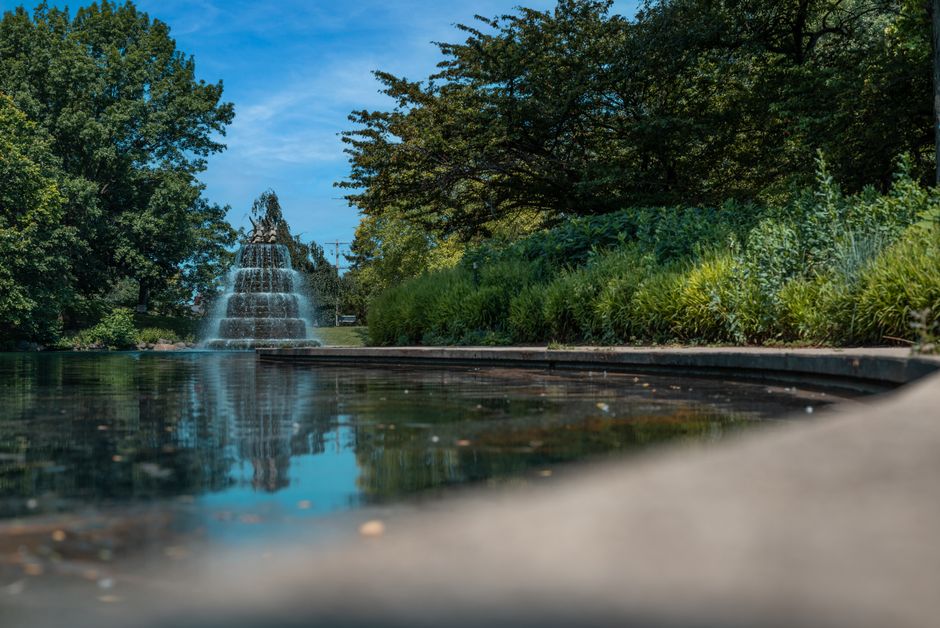
I showed up in Kansas City on a Wednesday in October expecting to hit the usual circuit—Boulevard Brewery, River Market, maybe catch a Royals game if I timed it right. By day three I'd abandoned the guidebook. The thing about this city is that most visitors never leave the immediate downtown corridor or Midtown's 39th Street strip, which means the actual texture of Kansas City—the parts where people live and work and eat without thinking about tourism—remains mostly invisible.
What I found instead was a city that repays wandering. Some of it is genuinely overlooked; some of it just doesn't photograph well enough for Instagram, which apparently disqualifies it from most travel writing. I spent the better part of a week getting lost on purpose, and what follows is what stuck with me—the places that made me understand why people actually choose to live here.
Mount Washington: A Real View of the City
If you've been to every rooftop bar downtown and looked at the same skyline angle from five different breweries, head south to Mount Washington Cemetery. I know, I know—a cemetery. But stick with me. There's a high point in the northern section that offers probably the clearest, least-crowded view of downtown and the Missouri River I found anywhere in the metro.
It's not some secret Instagram hotspot. There are no signs directing you to it. On a Saturday afternoon I had the place almost entirely to myself except for an older couple tending flowers near some family plots. The vantage point captures the architecture actually in context—the River Market below, the industrial corridor, the switch from dense downtown to the sprawling neighborhoods that make up most of the city. It costs nothing to get in, and the light in late afternoon is genuinely good. The drive from Midtown is maybe fifteen minutes.
Strawberry Hill Museum: Small Enough to Actually See
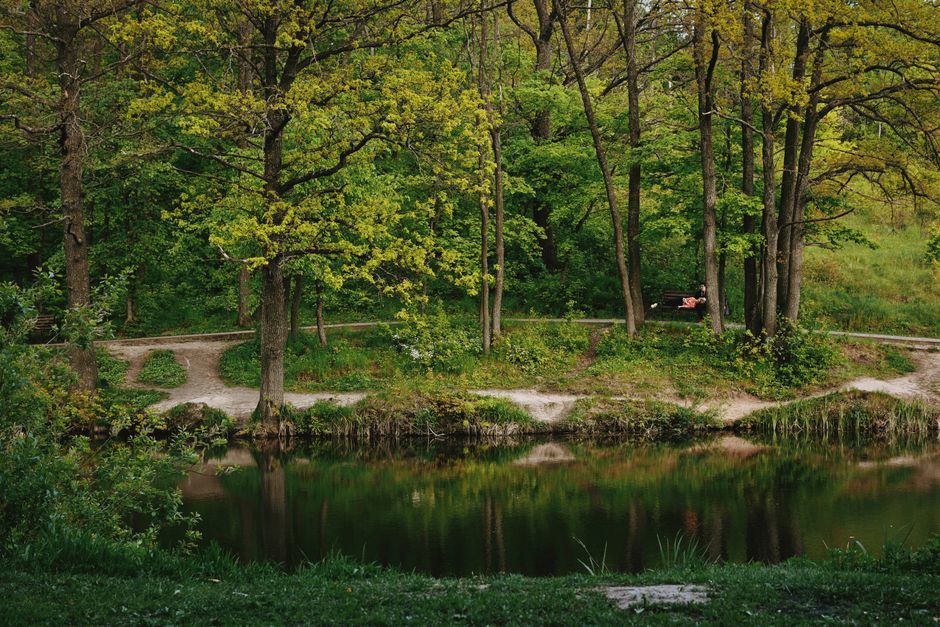
Kansas City has several excellent museums, which means most tourists never go to any of them—too many options paralyzes people. Strawberry Hill, tucked into a restored Queen Anne mansion in Kansas City, Kansas, avoids that problem by being small and specific. The collection focuses on historical art and decorative objects, with rotating exhibits that actually feel curated rather than overwhelming.
What struck me was how you could actually breathe in the galleries. The space isn't designed to move you through efficiently. You end up lingering, reading the didactics, sitting on the few benches long enough to actually think about what you're looking at. On a Tuesday I was the only visitor for two hours straight. The staff, completely unfazed, seemed genuinely pleased when I asked about something in the permanent collection. It's the kind of place that makes you realize how much time you waste in larger museums just trying to manage the crowd.
The Boulevard: Swope Park's Overlooked Tree Tunnel
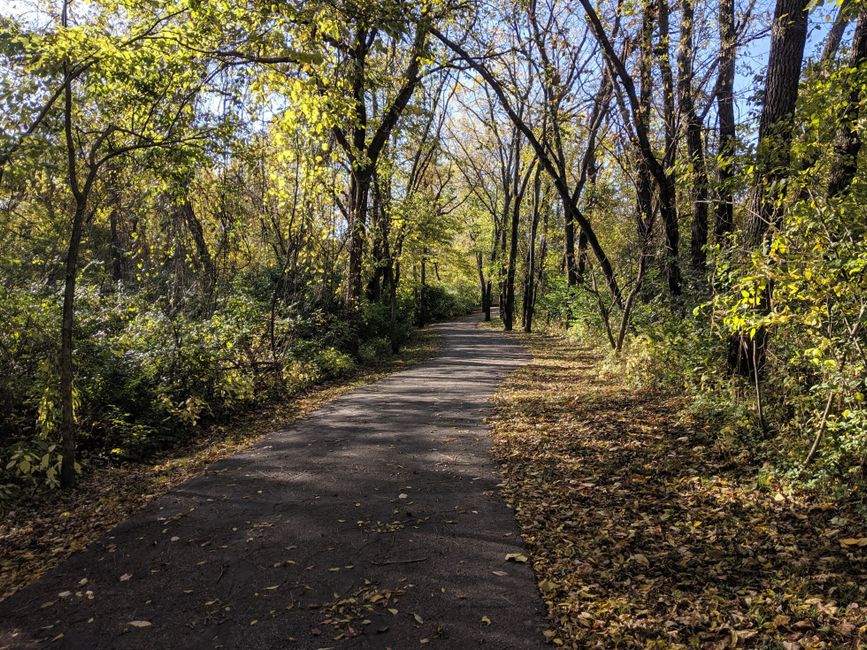
Swope Park gets mentioned in guidebooks for the zoo and the golf courses, but almost nobody walks The Boulevard—a tree-lined drive that runs through the park's interior, partly closed to through traffic. I discovered it by accident while trying to find the Kansas City Zoo parking lot and took the wrong turn.
It's just a road, technically. But the canopy is extraordinary, especially in fall. The trees form a natural tunnel that manages to feel both manicured and wild, and there are pull-offs where you can walk into the surrounding open space. I sat on a bench for thirty minutes one afternoon watching dogs chase tennis balls while their owners talked in small clusters. It's the kind of place that reveals what a Midwestern park is supposed to feel like—not designed for Instagram, not trying to be anything other than pleasant and functional.
Union Station's Underside: The Travel Town Perspective
Everyone visits Union Station. Most people photograph the Grand Hall and leave. The building itself, though, rewards actual exploration—not the ticketed tours, just walking around as someone who might catch a train. The waiting areas have a Depression-era dignity that most people miss by rushing through. The architectural details, the information boards, even the bathrooms carry this feeling of civic purpose.
I spent a morning sitting in the main waiting hall watching the actual rhythm of the station: people seeing off travelers, a few long-haul passengers checking their luggage, Amtrak staff moving with purpose. There's something about experiencing a major transportation hub as a functional space rather than a tourist backdrop that changes how you see a city. You start to understand the layered scale of it—how many people pass through in a week, where the locals go, which coffee stand gets the regulars.
The Furniture District and the Neighborhoods Below Westport
South of Westport, the architecture shifts. The Furniture District and surrounding blocks like the Old Northeast neighborhood contain blocks of converted warehouses, art studios, and small galleries that you'll barely notice if you're not looking for them. Nobody's paying these blocks much attention yet, which means rents aren't completely insane and the character is still genuine rather than performed.
I walked through on a Saturday and found a small coffee roastery, a used bookstore that seemed to operate on the honor system for at least part of the day, and several residential buildings with street-level studio spaces. Some of it is rough around the edges. Some storefronts are boarded up. But that's part of what makes it interesting—you can see the process of neighborhood change actually happening rather than looking at the finished product. These are the blocks where Kansas City is still figuring itself out.
Grinter Place: A Viewpoint Most People Don't Know Exists
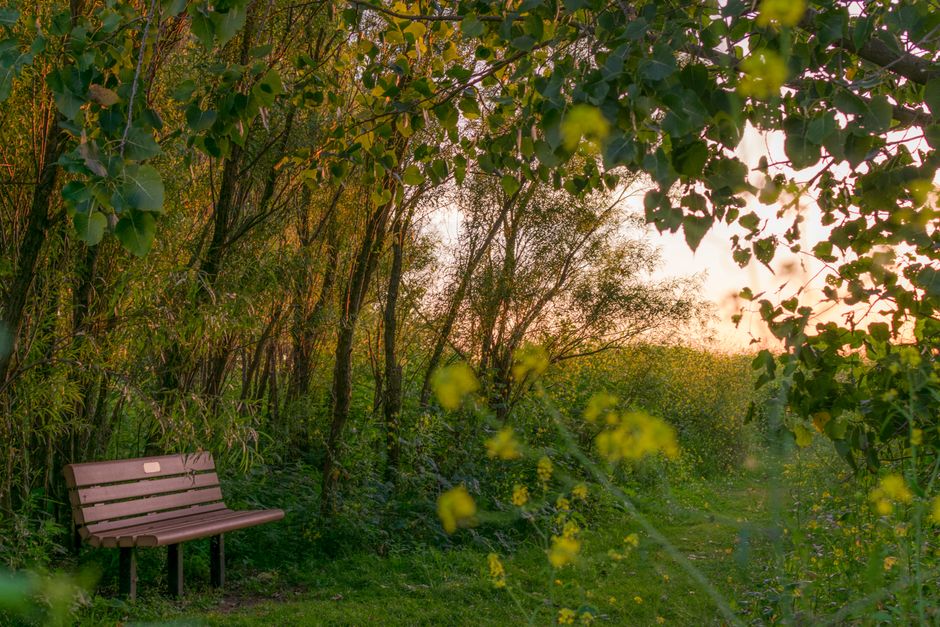
Technically this is in Kansas, maybe twenty minutes from downtown, but Grinter Place State Historic Site overlooks the Kansas and Missouri rivers and sits on what was once a significant river crossing. The grounds are quiet, the old stone structures have genuine historical weight, and the bluff gives you a different perspective on the geography entirely.
It's not heavily marketed to tourists. The parking area is small and unassuming. The buildings are closed more often than not—you're really there for the site itself and the view rather than to tour interiors. I watched a farmer in the distance working a field while a barge moved downriver. It's a reminder that Kansas City exists within a larger landscape and industrial system, not just as a downtown district surrounded by sprawl. For anyone interested in how rivers shaped settlement patterns and how those patterns evolved into modern cities, this is genuinely useful perspective.
The Real Move: Find a Coffee Shop and Talk to People
Here's what I actually learned in Kansas City: the lesser-known spots matter less than the permission they give you to slow down. It's not about discovering some secret viewpoint that nobody else knows about. It's about the minutes you spend sitting somewhere without an agenda, noticing details that don't make it into photo essays.
I had better conversations in a small coffee shop on Main Street than I'd had in most cities I'd visited. The bartender at one dive knew the architect who designed half the buildings in a three-block radius and would talk your ear off about it. The people in Westport's side streets seemed genuinely unsurprised that someone random had wandered in from another state. There's a kind of low-key friendliness here that doesn't require you to perform enthusiasm. Kansas City lets you be quiet. That's not something many cities do anymore.



