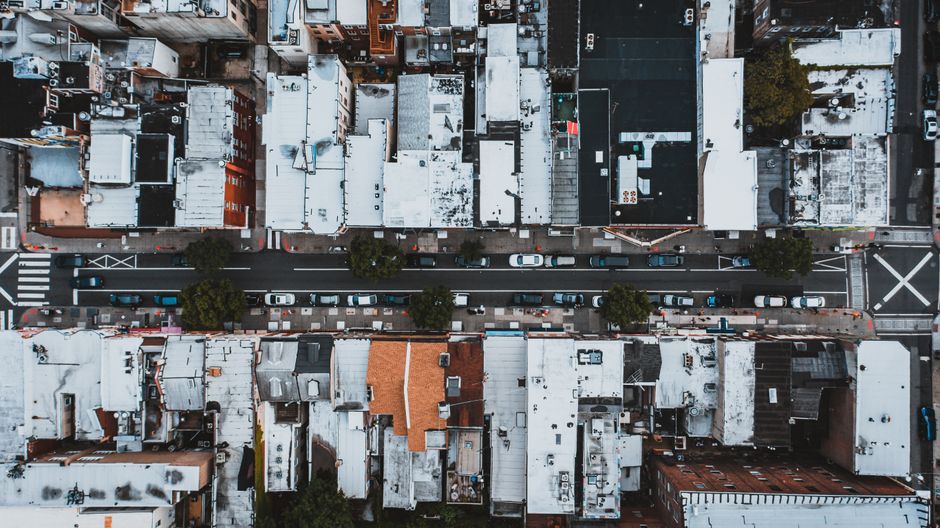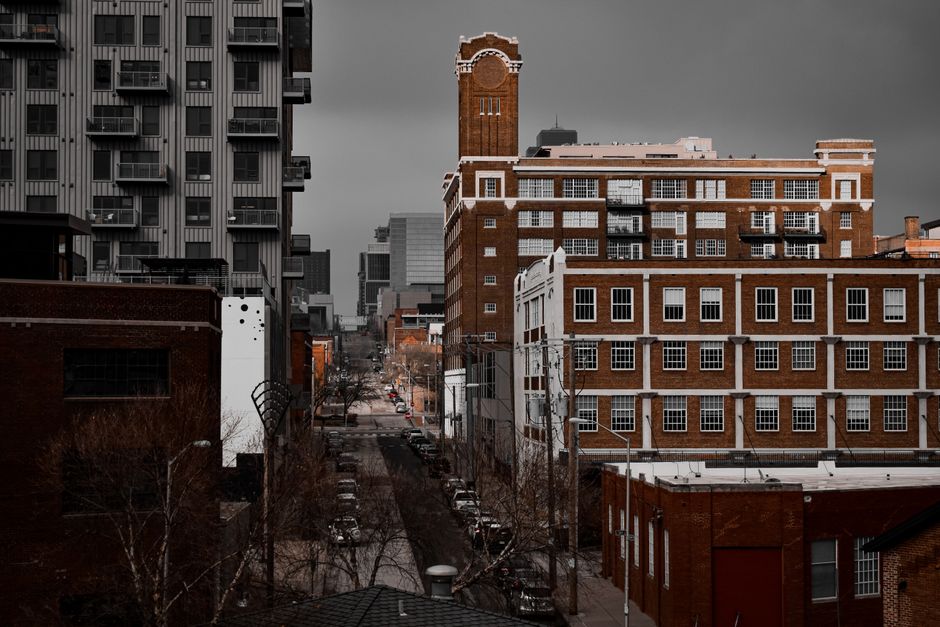
I showed up in Kansas City on a Thursday with no plan beyond finding somewhere to sleep that didn't feel like a chain hotel. That was five years ago, and I've been back enough times now to know the difference between a neighborhood that looks good on Instagram and one where you'll actually want to spend an evening. The Airbnb market here has matured past the early days when anything with exposed brick and a photo filter would rent itself. Now you've got real choices, each with a distinct personality and trade-offs worth understanding before you book.
Kansas City sprawls in a way that catches a lot of visitors off guard. It's not like you can just stay anywhere and walk to everything—the city is legitimately broken into clusters. Your neighborhood choice isn't just about aesthetics; it determines whether you're spending thirty minutes on surface streets to get dinner or whether you're stumbling home at midnight on foot. I've stayed in four of these neighborhoods multiple times. Here's what I've actually learned.
Crossroads Arts District: If You Want Walkability and Buzz
This is the neighborhood I book when I want to feel like I'm actually in a real place, not just passing through. Crossroads sits west of downtown, built on old warehouses and abandoned storefronts that got reclaimed by galleries, restaurants, and bars starting in the early 2000s. It's walkable in the sense that you can get from one end to the other without a car, and there's legitimately something happening on the streets most nights—gallery openings, people spilling out of restaurants, live music bleeding from a dozen venues.
The safety situation is honest but mixed. During daylight and early evening, especially Thursday through Saturday when foot traffic peaks, you'll see crowds. Late night (past midnight), it gets quieter and thinner in patches, which is typical for an urban arts district. Walk with awareness, keep to main streets after dark, and you'll be fine. The area's gentrified enough that police presence is regular.
Nightlife is absolutely the draw here. West Crossroads has a cluster of bars and restaurants within a few blocks of each other. The restaurant scene punches above its weight for a city this size—real chefs, not just chains. If you're looking for quiet, this isn't your spot. Expect ambient noise until at least 11 p.m., especially weekends. Nightly rates for Airbnbs run between $90 and $160 depending on season and how close you are to the core. You're paying for location and vibe.
Midtown: The Neighborhood That Actually Sleeps
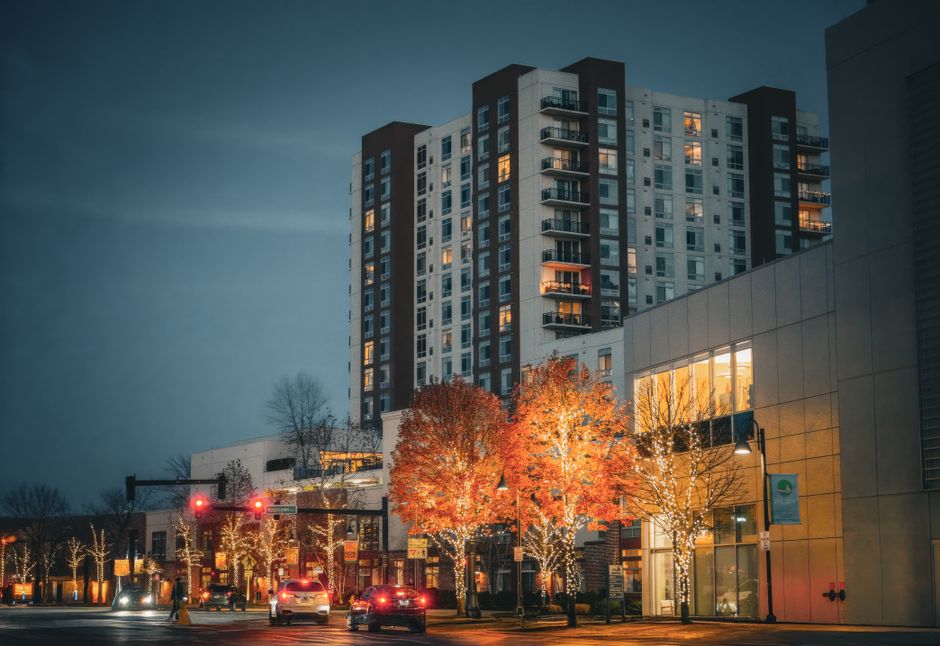
Midtown is what you book when you want walkability without the noise. It's centered around the Country Club Plaza and Westport, south of downtown, and it has a different energy than Crossroads—more established, fewer art openings, more coffee shops and people working on laptops. There are bars and restaurants, but they don't dominate the streetscape. You can have dinner at 8 p.m. and still hear conversation at a normal volume.
It's safer than Crossroads on paper and in feeling. Better lit, more residential blocks mixed in with the commercial stuff, steady foot traffic without crowds. I've walked around Midtown at 1 a.m. and never felt tense, though like anywhere in an urban area, street awareness matters. The neighborhood draws an older demographic—people in their 40s and 50s, families with kids, young professionals who chose stability over edge.
The walkability is solid but not quite as dense as Crossroads. You can walk the main commercial strips easily, but if you want to explore side streets or hit multiple venues in one night, you'll appreciate having a car or being close to a scooter. Restaurants here are good without being trendy. There's a Whole Foods, independent bookstores, actual neighborhood shops. The nightlife is real but subdued—good bars, not party bars. Airbnb rates run $75 to $130 per night. This is where I send friends who want to experience the city without feeling like they're living in a bar.
Power and Light District: Downtown's Compact Entertainment Core
Power and Light is downtown's attempt at a mixed-use entertainment district, built around a few blocks bounded by 12th and 14th streets. It's not a neighborhood in the traditional sense—it's more of a concentrated zone—but if you're booking an Airbnb here, you need to know what you're getting into. It exists primarily for nightlife. Bars, clubs, restaurants, all stacked on top of each other. On weekends it's genuinely crowded with people bar-hopping.
Safety is solid during evening and night hours because the area is packed with people and police presence is constant. It's probably the safest place to walk late at night in Kansas City simply because you're never alone. During the day it can feel dead, which is its own weird vibe.
Walkability is narrow by definition. You can walk the few blocks that matter, but this isn't a place where you explore side streets because there aren't neighborhoods adjacent to it—just downtown offices and parking lots. If you want more than nightlife, you'll need a car or be willing to Uber. The nightlife is the entire point, and it delivers: live music venues, sports bars, dance clubs. The noise is real and constant, especially Thursday through Saturday. Prices reflect demand: $100 to $170 per night. This is where bachelor parties and college friend groups stay. If that's your vibe, it's perfect. If you want any quiet, pick elsewhere.
Waldo: Gentrified but Still Neighborhoody
Waldo sits southeast of downtown, built around 75th Street, and it's one of Kansas City's best-kept secrets. It's gentrified enough to have good restaurants and bars, but it hasn't shed its neighborhood character. You'll see people actually living here, not just visiting. There are parks, coffee shops, vintage stores mixed in with the new spots. The vibe is young professional without being aggressively cool about it.
It's walkable along 75th Street and the immediate surrounding blocks, with enough density that you can get food, drinks, and entertainment without a car. Beyond that core, it spreads into residential areas. Safety is strong—better lit than Crossroads, fewer sketchy blocks, good community presence. It doesn't have the downtown police saturation of Power and Light, but it doesn't feel like you need it either.
Nightlife exists here but isn't the whole story. There are good bars and restaurants, but the neighborhood has other things going on: farmers markets, a real community feel, walkable residential streets. You can have a full evening without ever feeling like you're in a club. It's quieter than Crossroads, livelier than Midtown—right in the middle. Airbnb rates are $80 to $140 per night. The neighborhood feels like an actual place where people live, not a zone designed for visitors. That's exactly the point.
Freeing Yourself From Downtown
One thing I didn't understand until I'd stayed here multiple times: Kansas City is genuinely better if you don't stay downtown. Downtown has hotels and some Airbnbs, but it's not where the city lives. The real Kansas City is in these neighborhoods—the streets where people actually eat, work, and hang out when they're not hosting visitors. If you book downtown expecting walkability to real restaurants and bars, you'll spend a lot of time in a Uber or on a scooter.
Price-wise, this works in your favor. Staying in Crossroads, Midtown, or Waldo costs the same or less than downtown hotels, and you get actual neighborhood experience instead of a lobby. Each of these places has Airbnbs in the $80 to $160 range depending on season and what you're willing to pay for, and you're not subsidizing corporate real estate.
Choose based on what you actually want to do. If nightlife is the whole point, Crossroads or Power and Light. If you want to move around and explore without constant noise, Midtown or Waldo. If you want to feel like a resident and eat actual food and sit in actual bars with actual people, all four work—just differently.
The Practical Stuff Nobody Mentions
Book on weekdays if you can and want lower prices. All these neighborhoods jump 20 to 40 percent on weekends, especially Crossroads and Power and Light. Mid-week you're not just getting a better rate—you're getting a different neighborhood experience without the visitor crowds.
Parking is free in most Airbnbs, though some in Crossroads charge if they have dedicated spots. It's worth asking. If you're renting a car, budget for surface-street driving time. Kansas City is very spread out, and I-35 North is the main corridor; 470 East is also useful. Google Maps actually works pretty well here.
Weather matters more than visitors usually think. Summer gets humid and hot. Winter can be cold and icy. Spring and fall are genuinely perfect. If you're visiting without a car, go in May, September, or October. Visiting in July and expecting to walk everywhere is optimistic.
Tip: Most Airbnb listings will say how far they are from downtown or the airport, but that's not actually helpful. Ask how close they are to restaurants, bars, or whatever you actually care about. A place three blocks from the Country Club Plaza is worth more than something technically "closer" to downtown in a parking lot zone.