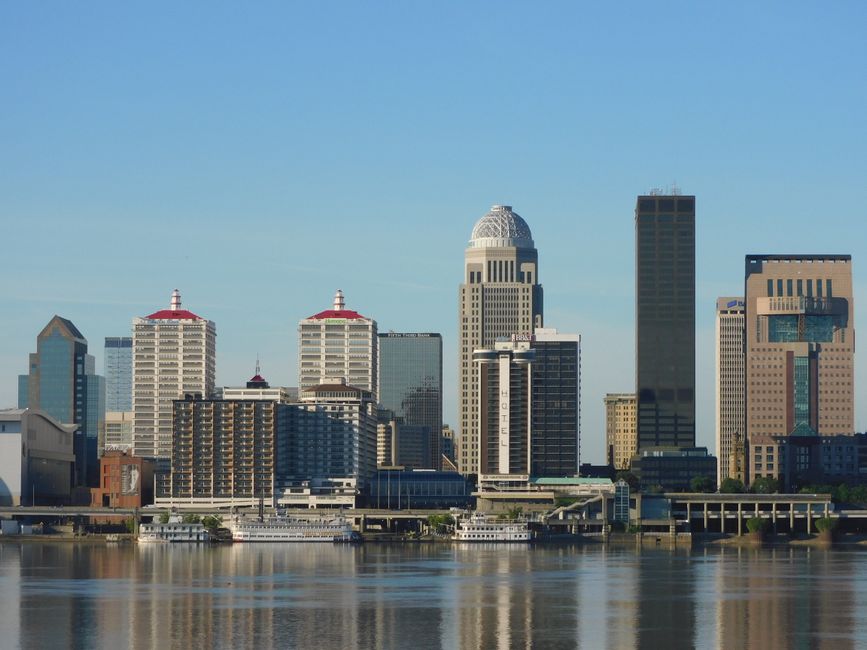
I rolled into Louisville on a Thursday evening, grabbed a bourbon on Main Street, and felt immediately at home. The city's got real character—working neighborhoods, a genuine arts scene, people who actually live here rather than perform for tourists. But like any mid-sized American city with pockets of economic stress, Louisville has areas where you need to be smart about when you go somewhere and how you get there. The good news: most of the city where visitors spend time is perfectly walkable and safe, especially during daylight and early evening.
I've spent enough time in enough cities to know that "safe" and "unsafe" aren't binary. They're about timing, awareness, and choosing your routes. Louisville's the same way. The downtown core, the Highlands, the waterfront—these are active, populated places where solo travelers move around without incident every single day. But there are neighborhoods where foot traffic thins out after dark and where property crime and street violence concentrate, according to both Louisville Metro Police Department data and repeated conversations with residents and fellow travelers.
The West End and Certain Central Districts
The West End—everything west of roughly 7th Street, extending toward the airport and beyond—has consistently higher crime rates than the rest of the city. This isn't new information; it's documented in crime statistics and acknowledged by locals without hesitation. Parts of the West End are improving, with new development and community investment, but it's still an area where you shouldn't wander alone late at night, and honestly, there's no pressing reason a solo tourist would end up there anyway. The same caution applies to stretches of the central south end, near the Ohio River in spots.
That said, the West End isn't a lawless zone. People live there, work there, raise families. You'll pass through parts of it on the way to destinations. During the day, especially on foot or by car with a destination in mind, you're fine. The risk escalates after dark and when you're obviously lost or lingering. If you're using a rideshare, you're especially protected—you're in a vehicle, tracked by the app, and the driver has a rating incentive to stay safe.

Downtown Late at Night: Variable by Block
Downtown Louisville after 9 or 10 p.m. thins out considerably. The Yum! Center and Fourth Street have activity on event nights, but outside of that, foot traffic drops. Walk with purpose, stick to Main Street and lit corridors, and don't linger alone in side streets. The 6th and 7th Street bridges heading toward the East End are not places to walk alone in darkness—they feel isolated and there's legitimate reason to be cautious there.
Conversely, if there's an event at the arena or a concert letting out, downtown becomes crowded and safe in the way crowded places are. The Waterfront Park area is frequented by joggers, cyclists, and families during morning and afternoon hours; at night it's quieter and you should use the same street smarts you'd use anywhere. Stay near the main paths, keep your phone charged, and don't assume an empty public space is a safe one just because it's scenic.
The Highlands and East End: Generally Your Safest Bet
Bardstown Road and the Highlands neighborhood are exactly where solo travelers should spend time. It's vibrant, walkable, full of restaurants, bars, record shops, galleries, and coffee places. People are out on the streets in the evenings. The neighborhood has its own character—artsy, younger, unpretentious. I felt completely comfortable walking around here at night, though even here, basic precautions apply: don't flash expensive gear, stay aware of your surroundings, walk with purpose.
Eastern Louisville—stretching toward places like Jeffersontown and the area around University of Louisville—has pockets of higher crime, but the directly east neighborhoods around Baxter Avenue and the university itself are relatively safe. The neighborhoods that draw visitors, like Frankfort Avenue's restaurant and bar strip, are fine day or night, though nighttime foot traffic is heaviest earlier in the evening.
Getting Around: Transit vs. Walking
Louisville's TARC bus system is cheap and runs throughout the city, but like most American transit systems, it's safest when you're not the only passenger and during daylight or early evening. Uber and Lyft are readily available, and honestly, for a solo traveler arriving unfamiliar with the city, using rideshare for anything after 11 p.m. or for trips to unfamiliar neighborhoods is money well spent. Rides within the city rarely exceed ten or twelve dollars.
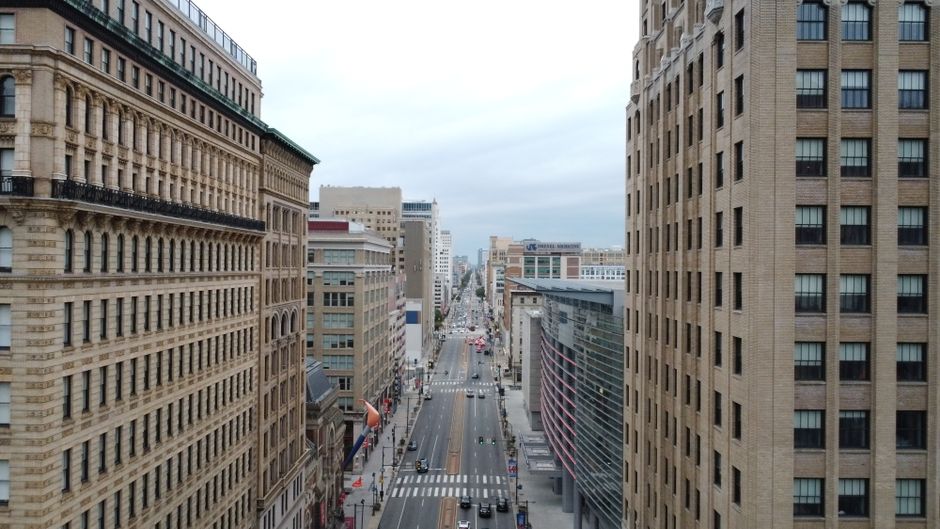
Walking is genuinely pleasant in Louisville's better neighborhoods. Main Street from the Waterfront to the Highlands is a walkable spine. Bardstown Road, Muhammad Ali Boulevard, Fourth Street—these are fine during daylight and early evening. The rule that's always worked for me in any city: walk like you know where you're going, keep to populated and well-lit streets, and if you're out late, share your location with someone or use a rideshare. Louisville drivers are generally courteous, which helps.
Practical Precautions and Common Sense
Don't leave valuables visible in a parked car anywhere, downtown especially. This is true everywhere, but bears repeating. If you're staying in a downtown hotel, ask the desk staff which blocks are active in the evening and which aren't—they'll give you honest answers. Avoid flashing expensive jewelry or electronics. Use hotel safes for your passport and extra cash. These aren't Louisville-specific paranoia; they're baseline urban travel sense.
The neighborhoods worth visiting—the Highlands, Nulu, downtown waterfront during the day—have real street life. Other neighborhoods have less activity and less informal surveillance, which is when risk goes up. Solo travelers moving intentionally, staying aware, and using rideshare or walking in groups at night will be fine. The city isn't dangerous if you're not careless, but it's also not immune to the property crime and occasional violence that affect many American cities.
What the Numbers Say and What Locals Know
Louisville Metro Police Department publishes crime statistics by district. West Louisville, parts of the West End, and south-central areas show higher violent crime rates than the neighborhoods where visitors typically go. Property crime—car break-ins, porch theft—happens across the city, not just in high-crime areas. But murder rates and aggravated assault are concentrated in specific neighborhoods that tourists generally have no reason to be in.
Talk to residents and they'll tell you the same thing: most of the city is fine, certain areas are worse, and timing and awareness matter enormously. No one I spoke with expressed paranoia about downtown or the Highlands. Everyone emphasized not being out alone late in the West End. This consensus is consistent and credible.
Neighborhoods That Are Actually Worth Your Time
Spend your time in places that have actual reasons to draw visitors: the Highlands for nightlife and food, Nulu for galleries and restaurants, the waterfront for parks and views, downtown for cultural attractions and the bourbon trail. These areas are safest and most interesting. The neighborhoods worth being cautious about aren't where the attractions are anyway. You're not going to accidentally wander into a high-crime area while trying to find a bourbon bar.
Louisville rewards being present and engaged. Visit during the day, explore on foot, eat local, talk to people. Use basic urban awareness at night. Don't assume the absence of police presence means safety—it usually means the opposite. Use rideshare liberally if you're out late or unfamiliar with a route. The city is genuinely enjoyable and the vast majority of it is accessible to a solo traveler without paranoia.
Bottom Line
Louisville is a working city with real economic disparities, and that shows up in crime data and on certain streets. But it's not a dangerous city for savvy travelers. Stay in neighborhoods with foot traffic and activity. Be aware of your surroundings. Use rideshare at night or walk with confidence in populated areas. Ask locals which blocks are active. Don't linger in isolated spots after dark. Follow these rules and you'll have a great time. The city's bourbon culture, food scene, and genuine character make it worth the visit—just move through it with the same street sense you'd use in any American city.