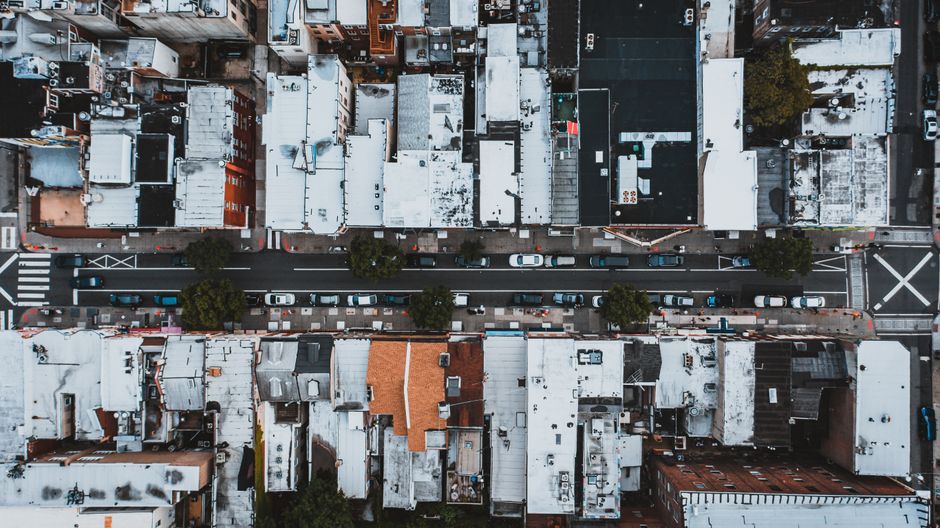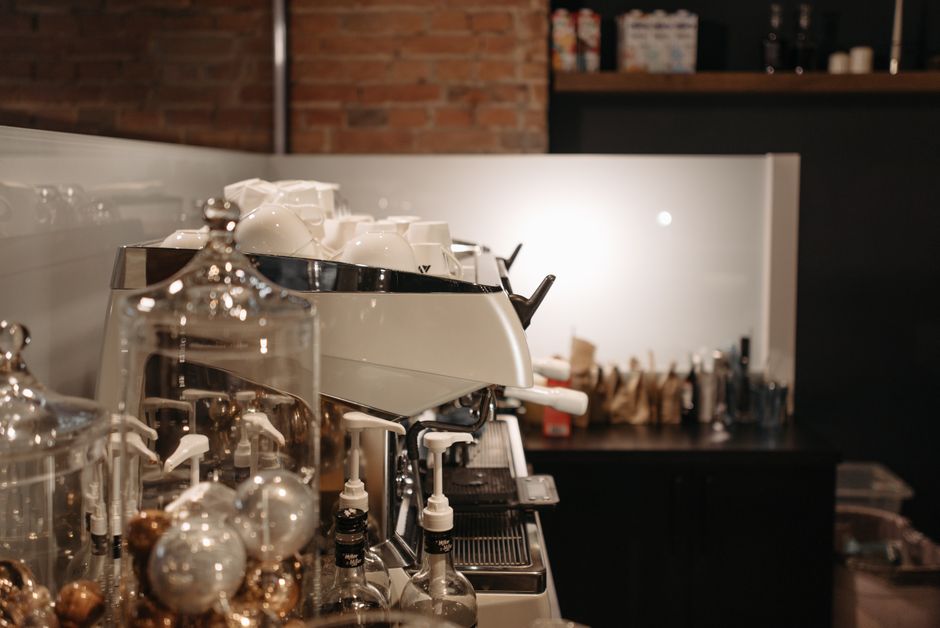
I landed in Louisville on a gray Thursday afternoon with my laptop and no real plan beyond finding a decent cup of coffee and a corner table where nobody would mind me camping out for three hours. The city's small enough that you can get around on foot or a quick Uber, but big enough that there are actual neighborhoods instead of just a downtown core and dead zones. The cafe scene here isn't trying to be Brooklyn or Portland—which is refreshing. Places are comfortable, people actually talk to each other, and the wifi generally works.
I spent a week bouncing between cafes across different parts of the city, working, eavesdropping, eating more pastries than is probably wise. Here's what stuck with me.
Grind Cafe & Bar (Butchertown)
Grind is the kind of place you walk into and immediately understand why locals treat it like a clubhouse. It's in Butchertown, a neighborhood that's been slowly turning from light industrial into the kind of place where artists and young professionals actually want to spend their rent money. The cafe itself has the raw-brick, reclaimed-wood setup you've seen a thousand times, but it doesn't feel precious about it.
The espresso drinks are solid—I'd skip the bells-and-whistles seasonal stuff and stick with whatever they're running as their regular roast. The pastry case rotates, but when they have the almond croissants, get one. Seating's a mix of small two-tops, bar seating along the front windows, and a few larger tables in the back that work if you're meeting someone. Wifi held up fine for video calls, and the spot tends to stay relatively quiet on weekday mornings. Afternoons get busier as the neighborhood lunch crowd rolls in, so plan accordingly if you need deep focus time.
One real advantage: they don't charge $8 for a coffee and make you feel guilty for only buying one drink all morning. Louisville pricing is still reasonable.
Please & Thank You (East End)
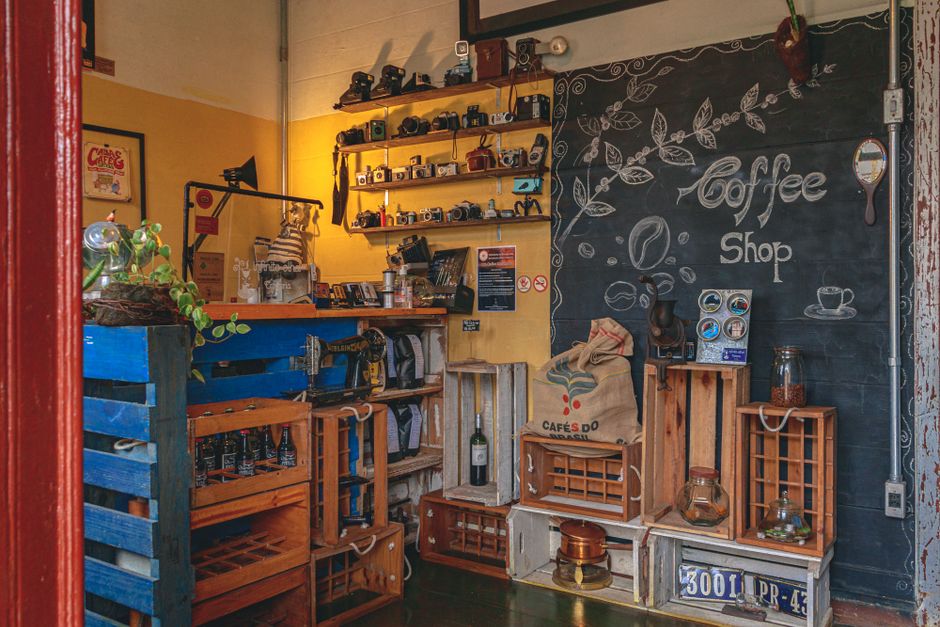
East End is Louisville's more established residential neighborhood—tree-lined streets, actual yards, the whole deal. Please & Thank You is deliberately small, the kind of cafe that feels like it could barely squeeze five people inside, which means it has a totally different energy than the bigger spots downtown.
They roast their own beans, and the coffee is genuinely good without any pretense. The owner's there most days and will actually chat with you if you're not buried in work. The pastries come from local bakeries rather than a commissary somewhere, which makes a difference you can actually taste. Seating is limited—a few stools at a counter facing the street—so this isn't where you plant yourself with a laptop for six hours. It's more of a morning ritual place, the kind of spot where you go for your coffee and maybe a bite, then move on. If you need a long-haul work cafe, keep reading. If you just want a genuinely good cup and to feel like you're part of the neighborhood, this is it.
Heine Brothers Coffee (Multiple Locations, Check the Highlands)
Heine Brothers is a local Louisville chain, which already makes it different from the Starbucks sameness most cities have fallen into. They have several locations, but the Highlands spot is worth your time. The Highlands is Louisville's main commercial neighborhood—the part with actual foot traffic, shops, restaurants, bars. It gets crowded, it gets loud, but there's life there.
The Highlands cafe has real seating, solid wifi, and the kind of vibe where people are working on laptops, meeting friends, or just sitting around. They do a decent cold brew, and the hot coffee isn't overextracted or burnt-tasting. If you're hungry, their food offerings are basic but fine—sandwiches, some pastry items, nothing that'll blow your mind but nothing that tastes like it came out of a freezer three months ago. The bathrooms are clean, the wifi password is easy, and I never had a barista give me the sense that me buying a $3 coffee and staying for two hours bothered them. It's not a cool-kid cafe, but it's efficient and friendly, which counts for something.

Remedy Espresso Lab (Clifton)
Remedy is the kind of place that could come across as trying too hard—specialty coffee, single-origin beans, all the equipment visible behind the counter, the baristas clearly know their stuff. But the crew running it actually lives in the neighborhood and gives off genuine enthusiasm rather than that thin-lipped tolerance for customers that some specialty shops develop.
Cliofton is a smaller, quieter neighborhood, less polished than the Highlands, fewer tourists. Remedy's tucked into a modest storefront that doesn't announce itself loudly, which means it doesn't get mobbed at midday the way some places do. The espresso drinks here are noticeably better than the average coffee shop—they're pulling proper shots, steaming milk with actual technique. If you're the type who notices that stuff, you'll appreciate it. If you're not, you still get a good coffee. The seating is tight but workable—a few tables, counter space. Wifi is available and stable. The neighborhood around it is quiet enough that you can actually focus, and the cafe tends to have a mix of regulars and people working, without the forced chumminess of some third spaces.
Kir & Cos (Highlands / Downtown Border)
Kir & Cos is positioned at the edge where the Highlands starts bleeding into closer-in downtown, which gives it decent foot traffic without being completely swamped. It's a French-leaning cafe, so expect better pastries than average—croissants that are actually laminated correctly, that kind of thing. The coffee is fine, maybe not as precisely dialed-in as Remedy, but good enough and not overpriced.
The real draw for a work or reading session is the space. There's actual seating capacity—small tables, a counter, some quieter corners. The cafe has a slightly more formal European cafe feeling than the aggressively casual American coffee shops, which means less of that constant reggae and TikTok-audio energy. It's not silent, but it's calmer. Wifi works, and you won't feel rushed. The crowd skews older and quieter than some other spots, which is either a pro or a con depending on whether you're here for focus or for people-watching. If it's the latter, a cafe full of people reading books and eating croissants is honestly solid people-watching.
Quill Coffee (Jeffersontown, If You Want Actually Quiet)
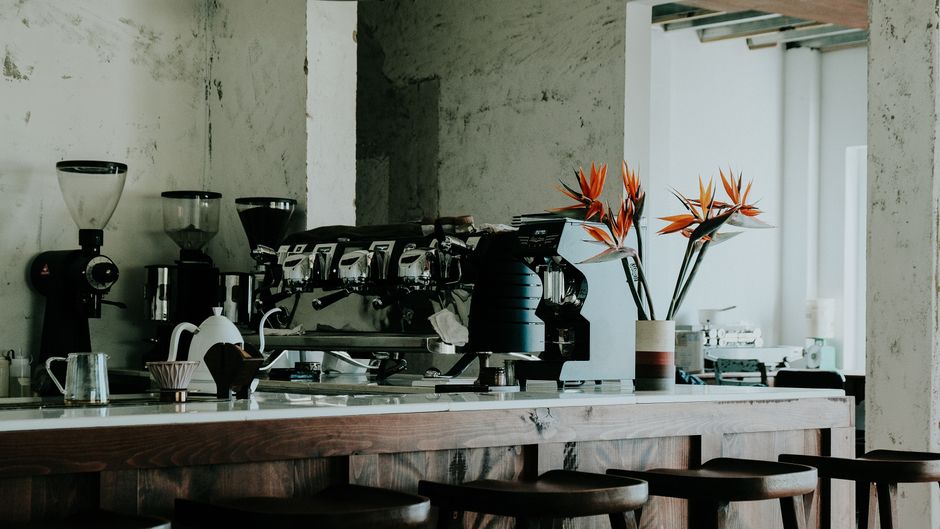
Jeffersontown is far enough out from downtown that most tourists and half the locals won't venture there. It's residential, church-dotted, blue-collar in ways the Highlands and East End aren't anymore. Quill is there, and it's genuinely quiet—not the manufactured-indie-folk quiet of some cafes, but actual quiet because the neighborhood doesn't drive high foot traffic.
The coffee is good, the seating is comfortable, and the wifi works. Pastries are decent. What you're really paying for here is space and calm. If you need a day where you can actually get work done without ambient noise and Instagram-adjacent energy, this is your spot. The trade-off is that it's less interesting for people-watching or feeling plugged into the city's social life. You're here for productivity, not for the vibe. It's worth knowing about if you're planning a longer stay in Louisville and need a solid home base.
Real Talk on Working in Louisville Cafes
Louisville's cafe scene is serviceable but not transcendent. The coffee is good but not precious. The wifi generally works. People don't camp out for eight hours as a matter of course, which means there's usually seating available during reasonable hours. The city hasn't been completely colonized by remote workers and startup energy, so you won't find yourself in a cafe full of people who look like they're performing the role of "person working in a cafe" for Instagram.
If you're here for a few days, pick two or three spots based on neighborhood and go from there. If you're staying longer, the variety keeps things from getting stale. The Highlands spots work if you want social energy and good coffee. East End and Jeffersontown work if you want quiet. Butchertown's a middle ground. None of them are going to reinvent how you think about coffee culture, but that's actually fine—sometimes you just need a place that works.