
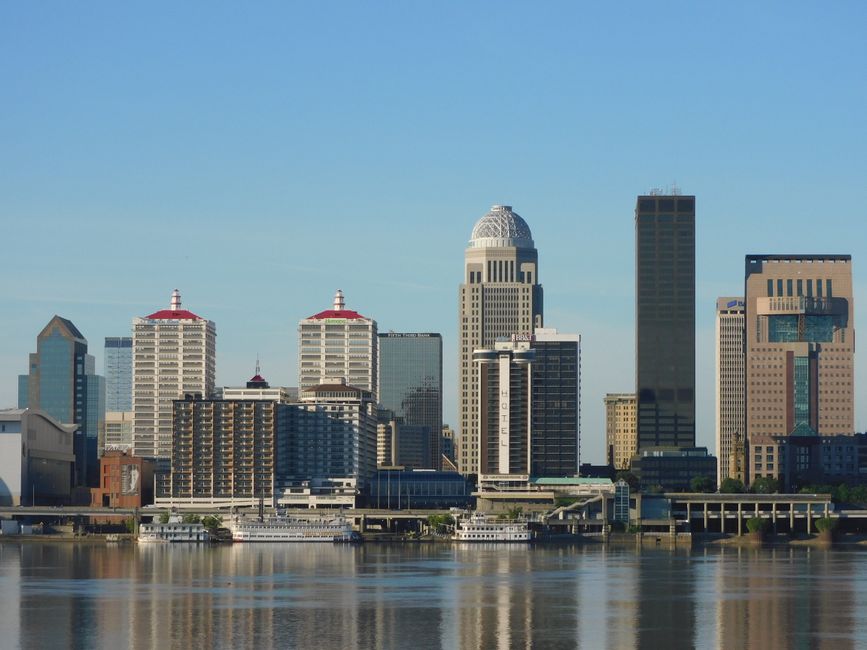
I showed up in Louisville on a Wednesday in September expecting to spend three days working through a standard tourist checklist: bourbon distillery, the Derby Museum, maybe the Big Four Bridge at sunset. By Thursday morning I'd scrapped half my plans. Not because Louisville is disappointing—it's not. But because the places everyone tells you to go felt like they were designed for people who'd already made up their minds about what Louisville is supposed to be.
After talking to locals at coffee shops and wandering neighborhoods that don't make the front of travel guides, I realized the city's actual character lives somewhere else entirely. Louisville doesn't need you to show up and consume its famous attractions in the right order. It rewards you for getting lost in Old Louisville, sitting in a park nobody's heard of, or eating at a restaurant where you're the only tourist in the room.
The Derby Museum Isn't Bad—It's Just Smaller Than You Think
The Kentucky Derby Museum sits across from Churchill Downs in a neat brick building with good climate control and a gift shop that sells more merchandise than you'd think possible related to a single horse race. The exhibit space is solid: replicas of famous Derby winners, interactive racing simulators, a walk-through stable setup. If you've never been to a major horse racing event and want to understand the Derby's place in Kentucky culture, it serves that purpose.
But here's the thing: it takes about ninety minutes to see everything that's actually interesting, and the museum charges admission that feels steep for the real estate. The crowds on a nice weekend day are worse than you'd expect from a horse racing museum. And if you're not already passionate about equestrian history, you'll find yourself lingering in front of placards about bloodlines and past winners, wondering why you're here.
Go if the Derby is happening or you're genuinely curious about racing heritage. Otherwise, your time and fifteen dollars would be better spent elsewhere.
Bourbon Tours Are Predictable—Try a Different Route
Louisville's distillery tour industry is efficient and well-oiled, which is exactly the problem. You'll line up with thirty other people, get shuffled through a gift shop first (it's always first), see the same temperature-controlled barrel room, smell the same angel's share, taste the same four samples, and file back onto a tour bus that departs every twenty minutes.
I've done two of these tours, and they blur together. The guides are pleasant enough, but they're working off scripts perfected over thousands of visitors. You learn facts about proof and mash bills that sound interesting for about five minutes. The actual experience of standing in front of a barrel doesn't land the way it's supposed to.
If you want to understand bourbon, skip the main distillery circuit and head to a bar like Haymarket Whiskey instead. Order something you don't know, talk to the bartender for ten minutes, and you'll absorb more about the actual culture of drinking bourbon in Louisville than you would from a two-hour tour. The bartenders at good cocktail bars know more about what they're pouring than the scripts allow distillery guides to share.
The Speed Art Museum Is Where Louisville's Taste Actually Lives
The Speed Art Museum sits on the University of Louisville campus in a building most tourists never find. It's free to enter, which is how you know the city isn't making money off it, which somehow means they've been able to focus on actual curation instead of maximum throughput.
The collection isn't enormous, but it's thoughtfully chosen. There's a strong photography section, medieval religious art that stops you cold, and rotating contemporary exhibits that feel like they're engaging with ideas rather than filling wall space. I spent two hours there on a Thursday afternoon and saw maybe six other people. You can stand in front of a painting without someone brushing past your shoulder.
The building itself is worth the trip: mid-century modern architecture with long hallways and enough natural light that you don't feel trapped indoors. There's a small café that makes decent coffee. If Louisville's cultural life has a real pulse, it's beating here, not in the heritage tourism version of the city that's marketed to visitors.

Old Louisville's Streets Beat the Big Four Bridge Crowds
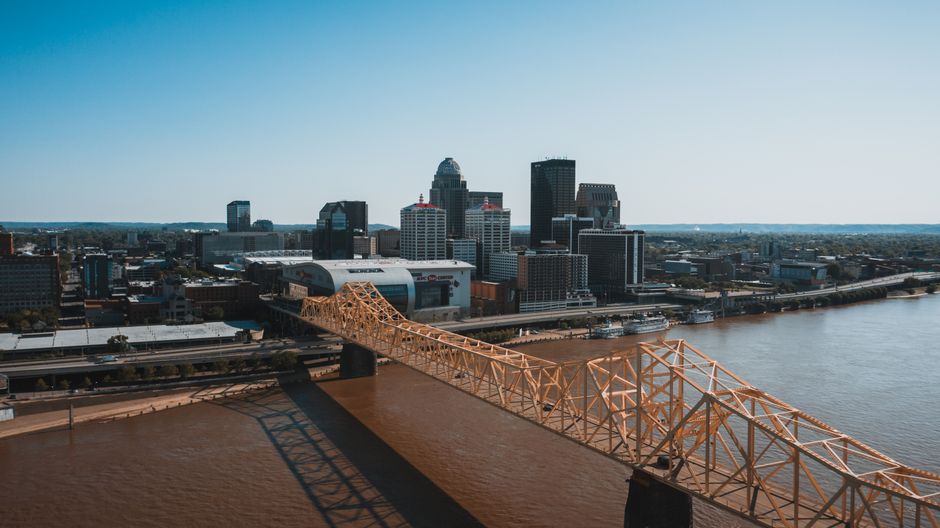
Everyone photographs the Big Four Bridge at sunset. It's a converted railroad bridge with a pedestrian walkway, painted a rust-orange color, stretching over the Ohio River toward Indiana. It's undeniably photogenic, and on a warm evening it's packed with people taking nearly identical photos.
Instead, walk through Old Louisville on a late afternoon when the light hits the Victorian brownstones from the side. The neighborhood is a genuine historical district, not a preserved theme park. Streets like Muhammad Ali Boulevard (formerly 4th Street in this section) have actual residents, working coffee shops, used bookstores, and restaurants where the business model isn't tourism. You'll see the bones of what Louisville was—the money, the taste, the architectural ambition—without the performance of visiting an attraction.
Stop by Carmichael's Bookstore if you want to kill an hour. Grab dinner at a neighborhood restaurant where nobody's expecting you to be impressed. Walk past the houses and notice the details: the stained glass, the iron railings, the year dates carved into cornerstones. This is how you actually understand a city's character, not by standing in line at a sunset photo spot.
Tyler Park Exists If You're Willing to Look Past the Name
Tyler Park is a sixty-acre green space with walking trails, a lake for fishing, a small amphitheater, and zero mention in most visitor guides. It's not hidden exactly—it's just not famous. The parking lot isn't full. The trails aren't crowded. If you show up on a weekday morning, you might see a few joggers and a handful of people sitting on benches, but mostly the space belongs to the city's actual residents.
The trails loop around the lake and through tree cover, and the walking is easy enough that you don't need a guidebook or athletic gear. There's a small visitor center, picnic areas, and the kind of quiet that most cities charge premium prices for at outdoor retreats. I spent a morning there reading and watching people fish, and it genuinely felt like I'd stumbled onto something that wasn't built for tourists.
This is where you go when you want to remember why you liked traveling in the first place—not to collect experiences, but to sit still and be somewhere real.

Fourth Street Has Lost Its Edge—The Real Neighborhood Dining Is Blocks Away
Fourth Street downtown is the pedestrian zone that's been converted into a dining and entertainment corridor. It's got restaurants, bars, some galleries. On a Friday or Saturday night it's loud and crowded with the specific energy of a place that's been branded as the place-to-be. There's nothing wrong with it, exactly. You can eat well on Fourth Street. It's just that it feels like someone's idea of what a neighborhood should be, not an actual neighborhood.
The better food and weirder energy is scattered through Old Louisville, the Frankfort Avenue area, and neighborhoods like Butchertown where actual chefs are cooking without a business plan that requires tourist foot traffic. Places like Lula's in Old Louisville or Bakersfield serve food that's more interesting than what you'll find in the branded establishments.
Fourth Street works fine if you're meeting friends downtown or want reliable cocktails and cuisine. But if you're trying to eat like you live in Louisville, you need to venture into the neighborhoods where the restaurants aren't trying to be destinations.
Whisper It: The Waterfront Park Is Better Without the Ferris Wheel Drama
Louisville added a ferris wheel to its waterfront park a few years back, and everyone's been talking about it like it's the anchor attraction. It's fine. The views from the top are what you'd expect from a ferris wheel—you see the river and the city and the bridge. It's priced like a tourist activity, so you're paying accordingly.
The waterfront park itself, without the ferris wheel, is genuinely pleasant. The walking paths along the river are well-maintained, there's public art scattered throughout, and on a quiet morning it's one of the better places to sit and think in Louisville. The park has this strange quality of feeling both urban and peaceful, which most cities struggle to manage.
Walk the park at your own pace, sit by the water, grab coffee from one of the cafés. The ferris wheel is there if you want it, but you don't need it to have a good time on the waterfront. Sometimes the best part of a place is the simplest part.
What Actually Sticks With You
After a few days in Louisville, I realized I wasn't keeping mental notes about the attractions I'd checked off. I was remembering conversations with bartenders, the smell of the Speed Art Museum's hallways, the way the light looked walking through Old Louisville at five in the afternoon. These aren't photogenic memories. They're not the kind of things you'd recognize from a travel brochure.
Louisville works best when you stop trying to consume it efficiently and let yourself waste time. Sit in a coffee shop. Walk streets where you're not on a tourist trail. Talk to people who live here. The city has identity and character that exist entirely independent of what's been designated as worth visiting. That's actually rarer than you'd think.
Frequently Asked Questions
Is the Kentucky Derby Museum worth visiting in Louisville?
The Derby Museum is well-done but compact—most visitors finish in about ninety minutes. It's worth seeing if you're genuinely interested in racing history, but it's not essential to understanding Louisville. If you're visiting when the actual Kentucky Derby is happening, the atmosphere is different and might make it worthwhile. Otherwise, your time and money are probably better spent at the Speed Art Museum or walking through Old Louisville neighborhoods.
What's the best neighborhood to walk around in Louisville?
Old Louisville is the strongest choice for walking—it has Victorian architecture, actual residents, bookstores, and restaurants that aren't pure tourism. Muhammad Ali Boulevard through this section has real character. The Frankfort Avenue area and Butchertown are good alternatives if you want neighborhoods that feel less like a preserved district and more like places where people actually live and eat.
Do I need to do a bourbon distillery tour in Louisville?
Standard distillery tours are efficient but formulaic—you'll see the barrel room, take the tasting, buy something at the gift shop. If you want to understand bourbon drinking culture, you'll get more from sitting at a quality whiskey bar and talking to the bartender. If you're specifically interested in production and heritage, distillery tours have value, but they're not required to have a good Louisville experience.
What free or cheap things can you do in Louisville?
The Speed Art Museum is free and worth several hours. Tyler Park is free for walking and fishing access. The waterfront park downtown is free to explore. Old Louisville neighborhoods are free to walk. Many of Louisville's best experiences don't require admission—they just require time and willingness to be a pedestrian.
Which one would you visit?



