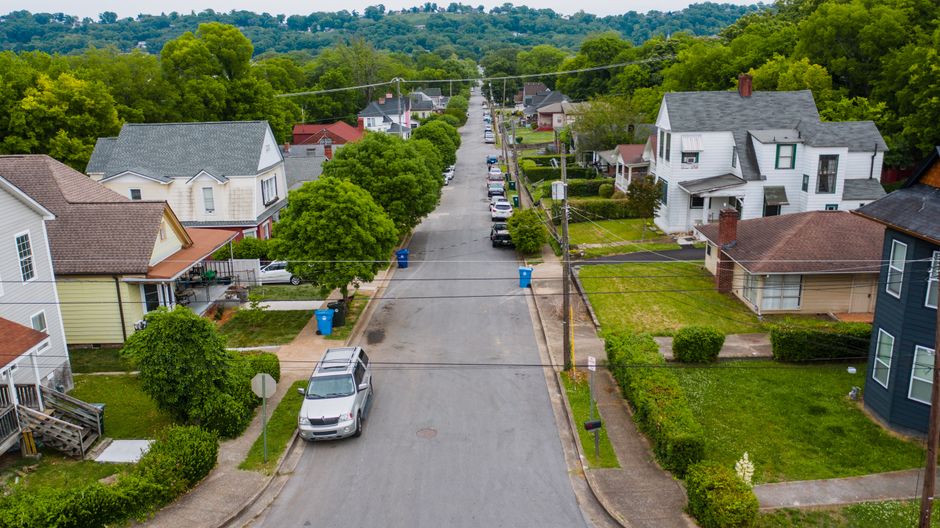
I arrived in Louisville on a humid Tuesday afternoon with no real plan beyond "check out neighborhoods." Within an hour I'd walked past Victorian mansions, street murals, bourbon bars, and a farmer's market—sometimes on the same block. The city doesn't feel scattered the way some mid-size places do. Instead, each neighborhood has a distinct personality, and they're close enough that you can actually experience several in a single day.
That's the thing about Louisville: it rewards a little wandering. You're not choosing between a downtown core and distant suburbs. Most of the interesting residential areas sit within 10 minutes of each other, whether you're driving or hopping on a bus. The real question isn't whether you can find a good neighborhood—it's which one matches how you actually want to live.
The Highlands: Where Young Professionals Actually Hang Out
The Highlands feels like the city's unofficial downtown for anyone under 35. Bardstown Road runs right through the center, and the strip is packed with restaurants, bars, boutiques, and coffee shops that don't feel aggressively trendy. People here seem to actually live here instead of just passing through.
Walking around on a Thursday night, I saw the same faces working at different shops, sitting on patios, heading into vintage record stores. The residential blocks branch off into tree-lined streets with modest homes and small duplexes that rent for less than you'd expect. There's a reason so many young professionals move to the Highlands first—it's got walkability, nightlife, and proximity to actual jobs downtown or at the University of Louisville.
Families also live here, though they tend to cluster in the quieter sections away from the main drag. If you work remote or freelance and want to be near energy without living in a converted loft, this is the neighborhood.
NuLu: The Fastest-Changing Block in the City
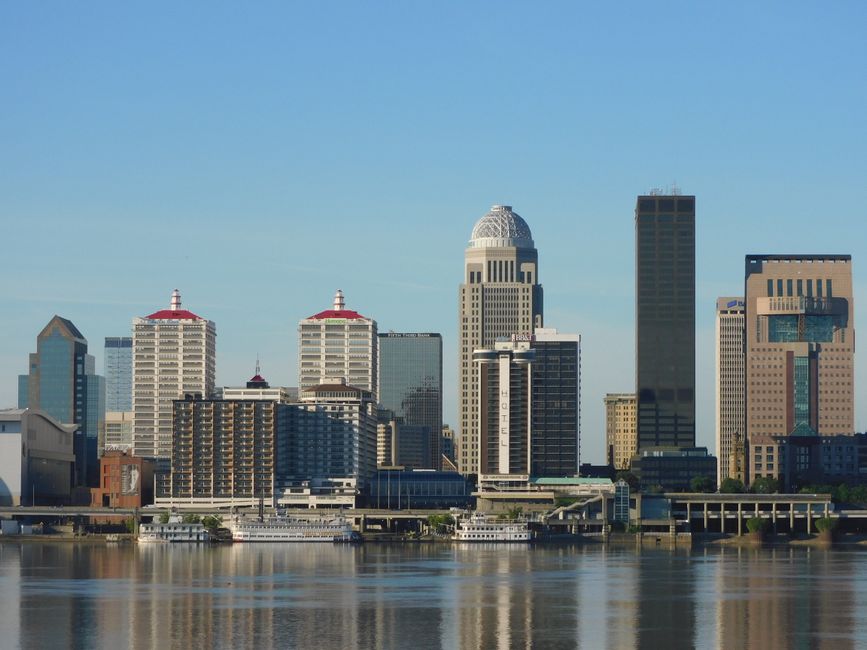
NuLu—short for the East Market District—is what happens when a forgotten industrial area gets attention from artists, chefs, and developers without (yet) completely losing its edge. On my visit, I walked past a screen-printing studio next to a farm-to-table restaurant, a muralist at work on a three-story wall, and a craft brewery that looked like it was built inside an old garage. Because it probably was.
The neighborhood is newest-arrival territory. If you want to say you got here early, this is where to be. Rents are climbing but still lower than the Highlands. The main stretch on East Market Street is walkable and genuinely interesting—not a curated "cool neighborhood" but an actual neighborhood going through rapid change. That can mean inconsistency: next-door neighbors range from longtime residents to recent transplants, which creates both vibrancy and occasional friction.
It works best for young professionals and creative types who don't mind being part of an experiment. Families might find the character appealing but should know the area is still finding its footing in terms of schools and services.
Old Louisville: History, Density, and Deliberate Living
Old Louisville is what you get when you take a 19th-century residential neighborhood seriously enough to preserve most of it. Victorian and Romanesque Revival mansions line the streets—some are single-family homes, others have been split into apartments. It's dense, walkable, and feels like you're actually living in a neighborhood instead of a subdivision.
I spent an afternoon here photographing building details and talking to locals at the coffee shop on Third Street. The vibe is intentional. People who live here tend to make a choice—they want walkability, history, and urban density, and they're willing to accept some noise from the major roads (Bardstown and Third), occasional parking hassles, and the fact that some of the charming old infrastructure comes with charming old problems.
Couples and older residents who want urban living without the high-rises downtown like this neighborhood. Young professionals come for the rent prices and stay for the community. Families with school-age kids need to be selective about which blocks—proximity to DuPont Manual High School is a major factor. You can find a stunning 1890s Victorian carriage house for less than a bland suburban colonial, but you're signing up for character, not convenience.
Downtown and the Waterfront: Living Where the Tourists Are
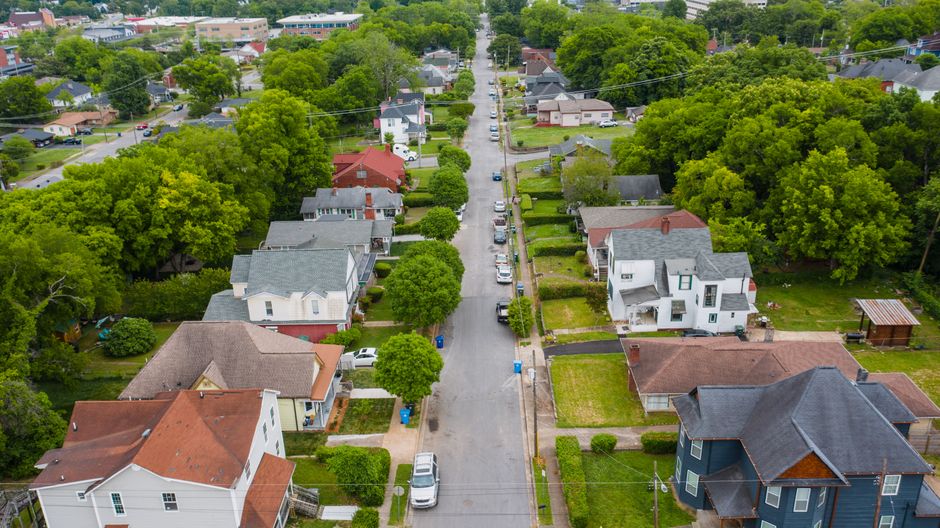
If your version of neighborhood living involves being able to walk to the Kentucky Derby Museum, bourbon distillery tours, restaurants, and a 30-story view of the Ohio River, you're looking at downtown or the West End waterfront area. The Main Street corridor has become aggressively residential over the past decade, with lofts, condos, and apartments replacing office buildings.
It works for certain people—remote workers, retirees who don't want yards or commutes, visitors who want to stay longer than a weekend. The actual neighborhood feel is limited; you're living in a vertical downtown, not a residential district. But the convenience is real. During my stay, I watched the riverfront fill up on a Saturday afternoon with locals, not just tourists.
Families with young children rarely choose downtown; it's not because it's unsafe, but because the neighborhood rhythms don't match parenting. Singles and empty-nesters, though, find the walkability and lack of maintenance almost liberating.
Crescent Hill: The Slower, Leafier Version
Head east from downtown for about 15 minutes and you'll hit Crescent Hill, a neighborhood that feels deliberately removed from the energy that younger Louisville is chasing. Tree-lined streets, parks, smaller homes set back from the road, families who've lived here for decades—it's the closest Louisville comes to a quiet residential suburb, except it's still technically within the city and connected by actual public transit.
Walking through, I saw kids on sidewalks, a neighborhood pool, local restaurants that don't have Instagram accounts. This is where families with school-age children move to, particularly those who want to stay connected to the city but prefer their neighborhood to center around the elementary school rather than a bar strip. The age demographic skews older than the Highlands; many residents have owned their homes for 20+ years.
It's not without character—the Highlands and NuLu overshadow it sometimes, but Crescent Hill has bookstores, small galleries, and real community institutions. If you're coming to Louisville alone for a short trip, you probably skip it. If you're moving here with a family or looking for a neighborhood where you actually know your neighbors' names, it's worth spending a Saturday afternoon.

Making the Neighborhood Choice
The neighborhoods themselves don't have the kind of stark divisions you find in bigger cities. Bardstown Road connects the Highlands to Crescent Hill. NuLu bleeds into Downtown. Old Louisville wraps around both.
Start by asking yourself what a Friday night looks like in your ideal neighborhood. If it's a rooftop bar with people you don't know, go Highlands. If it's a gallery opening with intentionality, try NuLu. If it's porch sitting with your actual neighbors, Crescent Hill. If you want to be in the action without a car, Downtown works—just know what you're trading off.
Louisville's best feature is density without sprawl. You can move between these neighborhoods easily, so your first choice isn't permanent. I met several people who'd lived in three different neighborhoods in four years, each shift motivated by a life change (new job, engagement, kid, early retirement). The good news: they stayed in Louisville. That suggests something about how livable these neighborhoods actually are.
Frequently Asked Questions
what is the safest neighborhood in Louisville Kentucky
The Highlands and Crescent Hill are widely considered the safest residential neighborhoods in Louisville, with active community engagement and consistent police presence. Downtown and waterfront areas near Major attractions have good lighting and visibility but higher foot traffic. NuLu is undergoing revitalization and is generally safe, especially on the main East Market Street corridor. Old Louisville has pockets of strong community organization, though like any older urban neighborhood, safety varies by specific block—talking to long-term residents is your best move.
is Louisville Kentucky a good place to move to
Louisville works well for people prioritizing affordability, neighborhood walkability, and proximity to amenities without major-city costs. The job market is solid but not booming; it's strongest in healthcare, bourbon/spirits, and logistics. The neighborhoods have genuine character rather than generic subdivision feel. Weather is humid summers and cold-damp winters. If you want a mid-size city with real neighborhoods, local culture, and room to explore, yes—if you need a tight job market or specific industry, research first.
which Louisville neighborhood is best for young professionals
The Highlands is the primary neighborhood for young professionals—it has walkable nightlife, restaurants, jobs nearby, and rental apartments under $1,200 for a one-bedroom. NuLu is the second choice for people seeking lower rents and more cutting-edge vibes, though it's farther from established job centers. Old Louisville works for those prioritizing affordability and urban living over nightlife. Downtown appeals to remote workers and those in specific industries.
can you live in Louisville without a car
Yes, but with limitations. The Highlands, NuLu, Old Louisville, and Downtown are walkable and have bus service. The TARC bus system connects most neighborhoods but runs on longer frequencies than major city transit. Crescent Hill is drivable-neighborhood density; walking works for groceries and school but a car is more practical. Most Louisvillians do own cars, so traffic patterns are built around cars, not pedestrians. It's possible carless, especially in the Highlands, but you'll have a narrower neighborhood selection than car owners.
Which neighborhood catches your eye?