
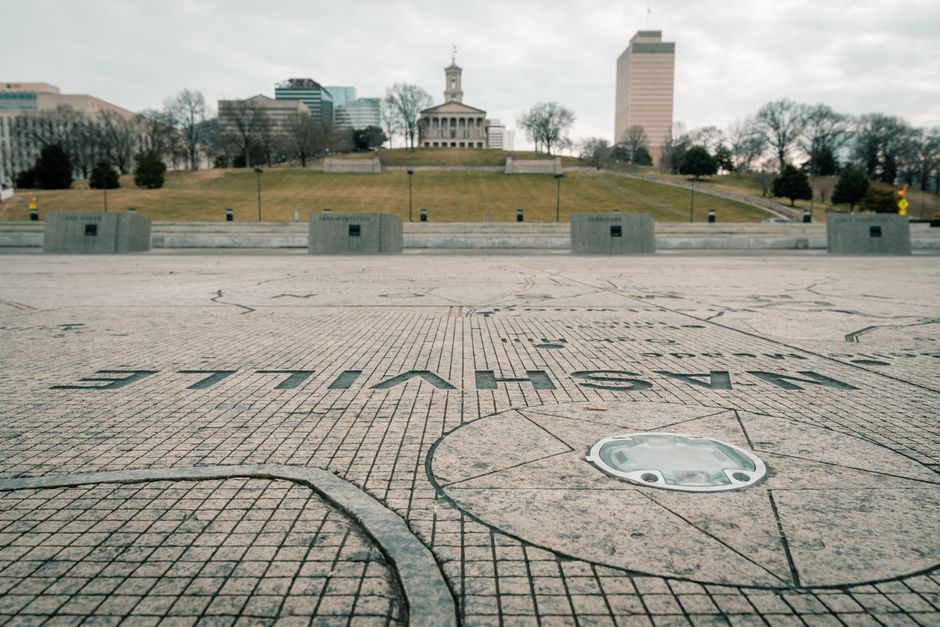
I showed up in Nashville on a Friday night expecting to hate it, which probably says more about my travel mindset than the city itself. I'd read enough think-pieces about Broadway's transformation into a bachelorette-party gauntlet that I figured I'd spend three days crossing things off a list, eating hot chicken, and leaving. Instead, I spent the first two hours wandering past neon signs and cover bands, then ducking into a dive bar on a side street, and that's when Nashville actually started making sense to me.
The thing about this city is that it's caught between two versions of itself. There's the Nashville that tourism boards advertise—the one with the sequins and the screaming, where you can get a shot called a "Nashville Mess" and watch someone's cousin play "Chicken Fried" for the 47th time that night. And then there's the Nashville where musicians actually live, where session players grab dinner, where people go to hear something they've never heard before. Both are real. But if you're reading this, you're probably looking for a way to skip the first one without missing what makes the second one worth visiting.
Why Broadway Feels Like a Trap (Even Though People Love It)
Lower Broadway is loud, packed, and designed to separate you from your money as quickly as possible. The honky-tonks there—Tootsie's Orchid Lounge, The Wildhorse Saloon, Luke's 32 Bridge—have real history, and I'm not going to sit here and say they're bad places. But they're museums now, basically. You pay a cover charge (sometimes five to ten dollars, sometimes more if a band is playing), elbow your way to the bar, and stand shoulder-to-shoulder with out-of-towners while a very competent live band plays the hits.
The real problem isn't the venues themselves. It's that everyone goes there at the same time, expecting the same experience. The music is good but interchangeable. The drinks are expensive. And if you're a solo traveler or someone traveling with just one other person, you'll feel it—the sense that you're in the wrong group size for this particular scene. It's built for parties, not for listening.
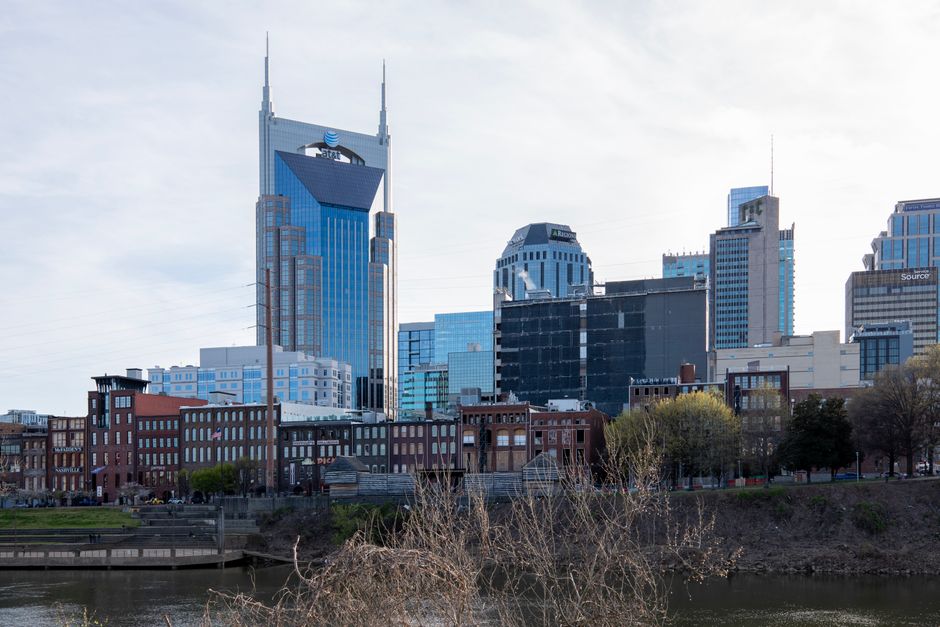
The Ryman Auditorium Is Historic, Not Transcendent
The Ryman is the reason Nashville's music industry exists, and you should probably walk through it. It's legitimately beautiful inside—the acoustics, the light coming through those old stained-glass windows, the weight of the place. But touring it is a different animal than actually catching a show there, and the ticket prices for concerts have climbed so high that you're often better off experiencing the venue as a museum and spending your concert money somewhere else.
The guided tour is solid and will teach you things. But it's also a 90-minute walk through a church that sometimes feels more like a shrine than a place where music happens. You'll stand in the pews where Patsy Cline stood, and it'll be moving, but you'll also be surrounded by 40 other people also standing in those pews, which blunts the impact a little. If you're specifically in town for a show—if you've already bought tickets—then yes, absolutely, be here. But if you're trying to decide whether to spend an afternoon at the Ryman or elsewhere, I'd think twice.
The Grand Ole Opry Is a Production, Not a Discovery
The Opry is technically in Opry Mills, which is outside downtown, and that distance is actually the kindest thing you could say about it. The show is extremely well-produced, the performers are top-tier, and the tradition is genuinely important to country music history. But watching it feels like watching a television broadcast in person. The venue is enormous, the stage is a country-music assembly line, and you're there as part of a paying audience, not as part of anything spontaneous or intimate.
If you love country music and you want to check the box, go. But if you're hoping for a revelation or a moment where you feel like you've touched something real about Nashville's music scene, the Opry probably won't deliver that. It's better than Broadway in terms of quality, but it's the same basic transaction: you pay, you sit, you watch professionals do their job very well, you leave.
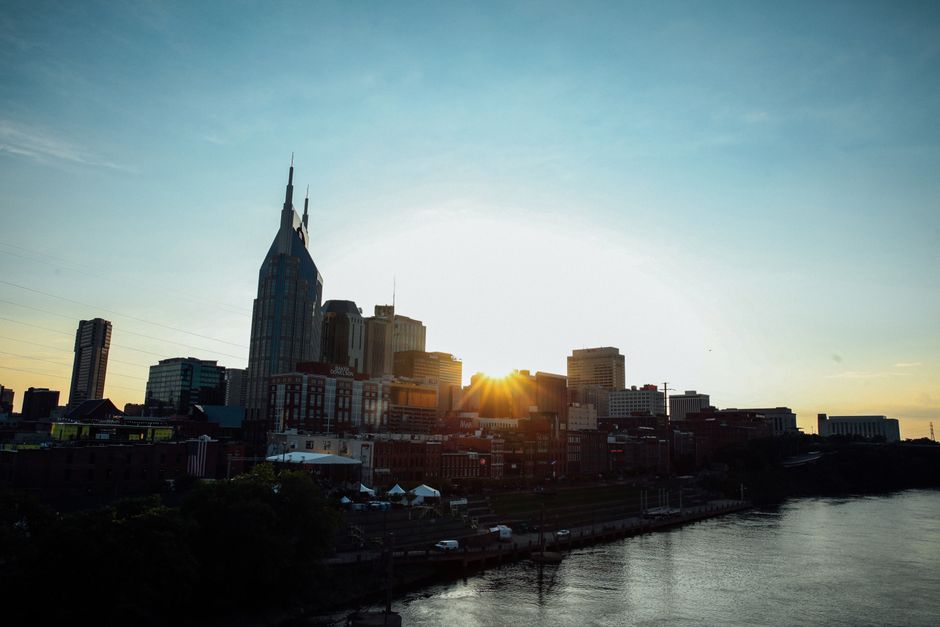
Why the Country Music Hall of Fame Disappoints Most Visitors
The Hall of Fame building on Broadway is impressive—all glass and modern angles—and the collection inside is genuinely significant. But it's also museum-paced, which means you can spend three to four hours here reading about artists and their importance without actually feeling much. There's a lot of looking at artifacts (jumpsuits, handwritten lyrics, old guitars) and reading plaques, which is how most museums work, and if that's your speed, fine. But something gets lost when you're trying to understand music history through a glass case.
The entry fee doesn't help either. It's not cheap, and for that money, you could catch three or four live shows at smaller venues and have a much different (and probably more memorable) experience.
What You Should Do Instead: The Bluebird Cafe
The Bluebird is famous enough that some people lump it in with the tourist traps, but it's actually the opposite. It's a small room in a strip mall on the south side of town, and the whole setup is designed around listening, not partying. There's no dance floor, no cheap neon, no screaming crowds. You buy a drink and maybe some food, and then you sit in theater-style seating and actually pay attention.
The songwriters' nights (usually Sundays through Thursdays) are where you catch people working through new material, telling stories between songs, genuinely creating rather than performing a set they've played 500 times. The admission is free if you buy food or a drink, and the whole experience feels like you're in a room with musicians who actually care about what they're doing. This is where the real thing lives in Nashville—not because it's "undiscovered," but because it requires actual attention.
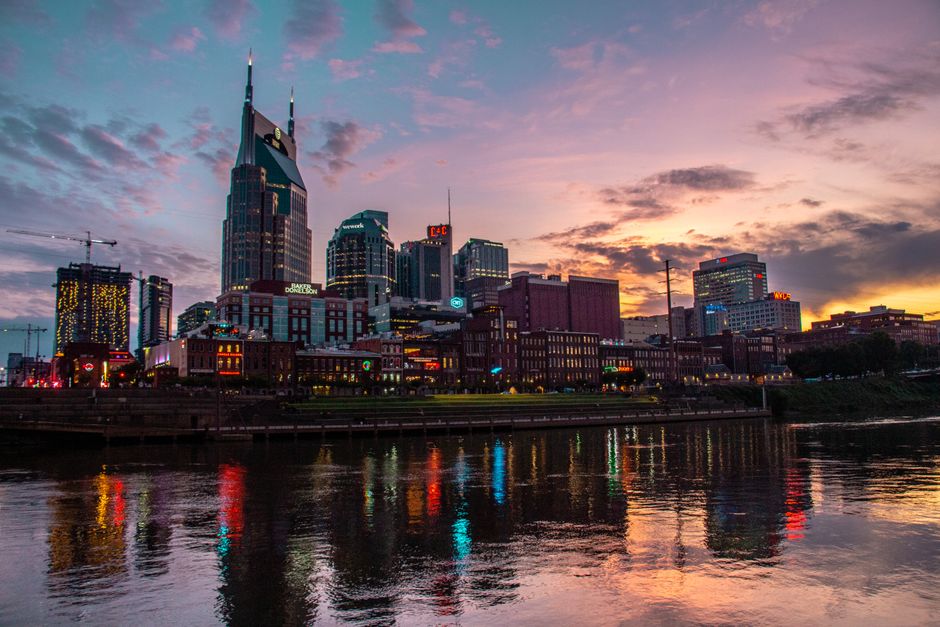
East Nashville's Bar Scene Beats Broadway Every Time
Five Points, Ellington, The Nations—these neighborhoods east and south of downtown have dive bars and live music venues where the default crowd is locals, not tourists, and that changes everything. The Basement East is a 500-capacity venue that books touring acts and local bands, and the whole place has an energy you won't feel on Broadway. Cannery Ballroom is another old warehouse space that actually matters to the music community. And then there are the bars—Freddy's, Bardy's Ugly Coyote, Sycamore Brewing—where you can sit next to someone who might actually play music for a living.
The cover charges are usually lower. The drinks are cheaper. And most importantly, the music isn't packaged for tourists. It's just what's happening that night. You might love it, you might have no idea what you're listening to, but you're guaranteed it won't feel like a performance designed for people on a weekend bachelor party.
Two More Underrated Moves: Honky Tonk Central and the Parthenon
Honky Tonk Central on Broadway actually functions differently than the surrounding bars. It's five stories of music history, honky-tonk replicas, and live performances on multiple stages. You can move through different rooms, different sounds, different energy levels. It's still touristy and still costs money, but it's at least designed for actual exploration rather than just buying a drink and standing in one spot.
The Parthenon is a full-scale replica of the ancient Greek temple, built in Centennial Park. It's absurd, it shouldn't work, and most visitors dismiss it as a quirk. But if you're solo, if you're looking for someplace you can actually think or walk without fighting crowds, it's genuinely good. The sculpture collection inside is interesting, the park around it is peaceful, and there's something about the strangeness of the building that actually makes Nashville feel like a real place with real character, not just a themed resort.
Food Matters More Than You Think
This is where I'll be genuinely opinionated: most of the famous hot-chicken places downtown are good but not special. Prince's, Hattie B's, whatever new spot opened on Broadway—they're fine. But if you're willing to venture into East Nashville or Germantown, the food gets much better and cheaper. Attaboy is a sandwich shop that's legitimately great. Molly Green has real cooking happening. Avo is simple and focused. These aren't tourist restaurants, which means the owners actually care about the food being good, not about moving you through quickly.
The East End is where the real food scene is building. It won't look as Instagram-ready as the downtown spots, but that's kind of the point. You're eating somewhere because the food is good, not because it's famous.
Frequently Asked Questions
Is it worth visiting the Ryman Auditorium if you're not seeing a show?
The Ryman tour is worth an hour or two if you care about country music history. It's beautiful and the tour guides are knowledgeable. But if you're just passing through and deciding where to spend limited time, you could skip the daytime tour and spend that money on a live show at a smaller venue instead. A concert at the Ryman is different from a daytime walk-through.
Is Broadway in Nashville safe for solo travelers at night?
Yes, Broadway is safe and well-lit with high foot traffic and security presence. It's extremely crowded on weekends, which actually works in your favor for safety. The main risk is spending too much money and attracting pickpockets if you're obviously intoxicated, not anything violent. Just use normal city smarts—be aware of your surroundings, don't flash a lot of cash, and stay on the main streets.
What's the best day to go to the Bluebird Cafe for songwriters' nights?
Sunday through Thursday nights are the songwriters' nights, and they're all similar in format and quality. Tuesday and Wednesday tend to have slightly smaller crowds than Sunday if you want an easier seat. Call ahead or check their website because occasionally they book special shows that replace the regular songwriters' lineup. Arrive early if you want a good seat.
How much does it cost to visit the major Nashville tourist attractions?
The Country Music Hall of Fame is roughly $25-30. The Ryman tour is about $15-18. The Grand Ole Opry tickets range from $50-100+ depending on seating. The Parthenon is around $6-8. Broadway bars usually charge $5-10 cover charges, sometimes free if you arrive early or on slow nights. Most East Nashville bars have no cover or a $3-5 cover.
Which one would you visit?



One Comment