I rolled into Nashville on a Wednesday evening with no real plan, which is exactly how I like to start. The city's sprawl can feel chaotic if you're not deliberate about where you plant yourself—and trust me, that matters. You could end up in a soulless hotel corridor, or you could be walking tree-lined residential streets with actual character. Over the next few days, I spent time in the neighborhoods that actually define what Nashville is becoming, not just what it was. If you're visiting for a long weekend or considering a move, these six areas will give you the real picture.
Downtown & Broadway: The Tourist Epicenter
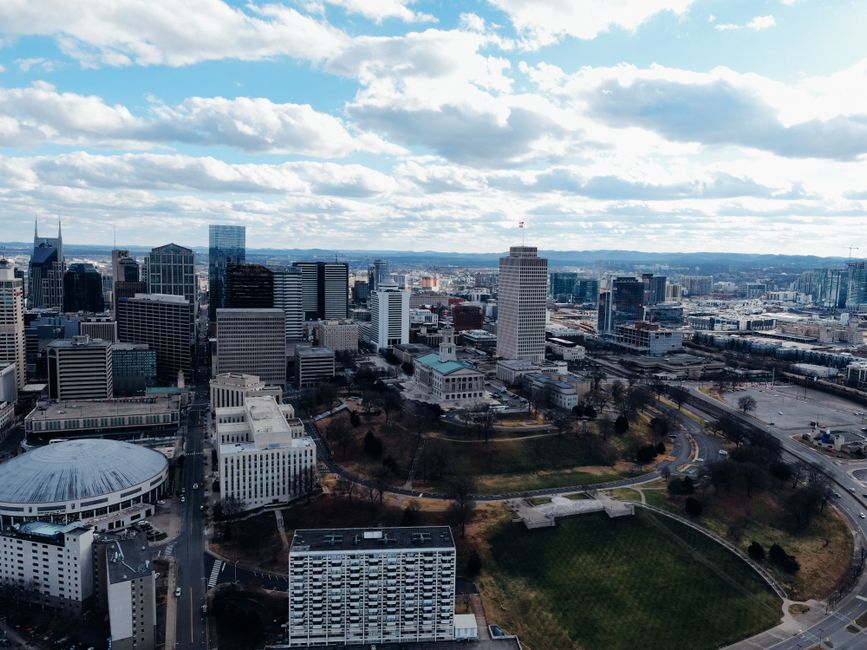
You already know what's here. Honky-tonks stacked on top of each other, neon signs, live music pouring out of every doorway, street performers, bachelorette parties in matching sashes. If you're visiting Nashville for the first time and want the full immediate immersion, this is unavoidable. Broadway especially is the face of modern Nashville tourism—polished, loud, and undeniably fun if you manage expectations.
For tourists staying three to five days, it's worth a night or two in this area just to check the box. The energy is real, even if it feels manufactured. Hotels here run expensive and the streets are thick with people from 6 p.m. onward. But head up to the rooftop bars and you'll find decent sightlines of the Cumberland River and the city's skyline. If you're moving to Nashville though, don't live here. The noise is constant, parking is a nightmare, and you'll be surrounded by transient visitors year-round. This is a place to spend an evening, not a neighborhood to call home.
East Nashville: Indie Soul and Young Creatives
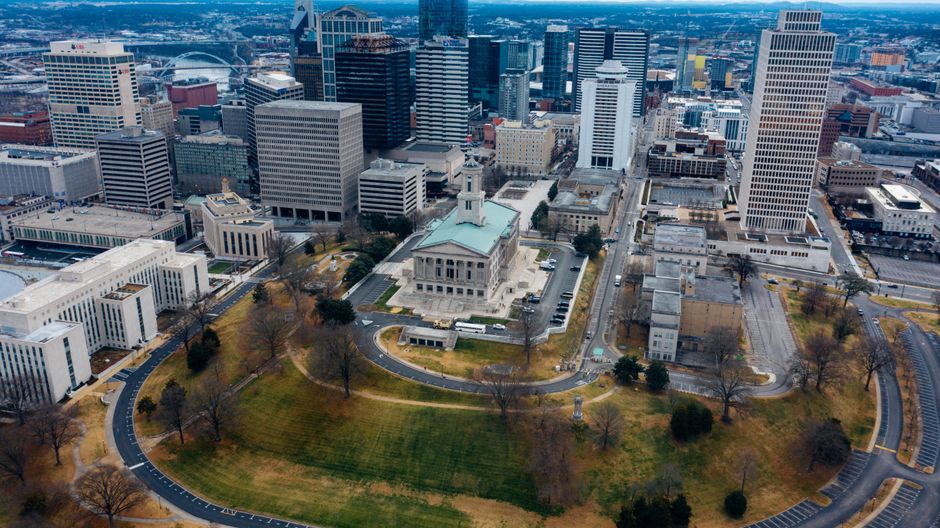
Cross the Shelby Street pedestrian bridge and you're in a different city. East Nashville has become the artistic beating heart—vintage shops, independent coffee roasters, restaurants that actually took risks on their menus, murals on warehouse walls that change seasonally. Five to seven years ago this area was still finding itself. Now it's become the place where musicians, artists, designers, and young professionals who didn't want cookie-cutter suburban life actually land.
The neighborhood clusters around areas like Five Points and the Woodland area. Rents have climbed significantly, which tells you everything about its trajectory. But there's still texture here—old Craftsman homes mixed with converted lofts, tree canopies over residential streets, actual sidewalk life. You'll see people at outdoor patios on Tuesday afternoons, which usually means the neighborhood has real livability, not just weekend appeal.
This suits young professionals in creative fields, anyone who wants to be near the actual music scene (not the tourist version), and people who value walkability and local ownership. Families with young kids can work here too, though you're paying for it. Be realistic: this neighborhood is experiencing rapid change, which means higher costs but also ongoing questions about long-term character. It's compelling, but it's not undiscovered.
Sylvan Park & West End: Family-Friendly Stability
This is where Nashville families actually raise kids. Sylvan Park is a residential enclave west of downtown with tree-lined streets, well-maintained homes from the 1950s onward, good schools, and the kind of neighborhood feel that doesn't require hipster irony to justify. It's close enough to downtown that you're not isolated, but far enough that you get genuine quiet. The commercial strip along Murphy Road has local restaurants, a good coffee shop, and the kind of everyday services that make neighborhood life functional.
West End (overlapping into areas near Vanderbilt) has similar family appeal, though it skews a bit younger and more connected to the university. Both neighborhoods are walkable at a residential pace—meaning you can stroll to coffee or dinner without it feeling like a destination. Parks are well-maintained. The vibe is stable, suburban-but-not-sterile, and appeals to people who moved to Nashville for work but want their kids in solid schools and their evenings free from bar noise.
If you're considering a move with a family, these neighborhoods represent Nashville's version of genuine livability. Prices are realistic compared to East Nashville or Green Hills, and there's no sense that the neighborhood is in flux. You can buy or rent here and feel reasonably sure about what you're getting.
The Nations: Hip Without Apology
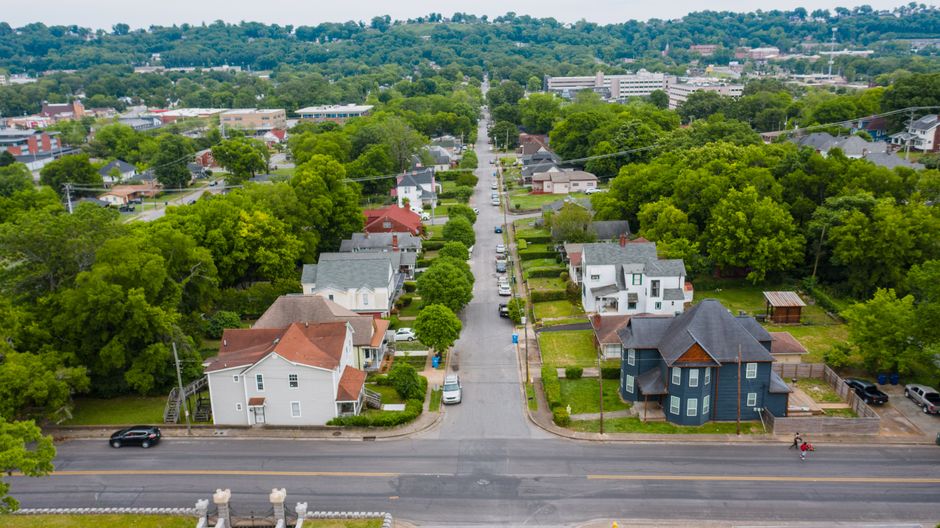
West of downtown, nestled between Broadway and Charlotte Avenue, sits The Nations—a neighborhood that somehow escaped obvious gentrification while still attracting serious creative energy. It's got the bones of old industrial Nashville, breweries that don't feel like tourist traps, restaurants that take their work seriously, and still affordable enough that working musicians and artists can actually afford to live here. That's rarer than you'd think in 2024 Nashville.
The neighborhood's boundaries aren't perfectly defined, which is part of its charm. You've got The Gulch creeping in from one side (The Gulch itself is flashy, expensive, and built on parking lots—skip it), but The Nations maintains its own distinct personality. The street life feels organic. There are dive bars alongside craft cocktail spots. Food trucks share parking lots with established restaurants. Murals are present but not overwhelming.
This suits creative professionals, people who want a neighborhood with actual history rather than curated authenticity, and anyone who finds East Nashville a little too self-aware. It's less immediately walkable than East Nashville but more genuine. It's also still in transition, so rents are climbing but haven't reached peak pricing. If you're moving to Nashville and want something between established stability and full-blown trendiness, The Nations is worth serious consideration.
Green Hills: Upscale Suburban Comfort
If you're relocating to Nashville for a corporate job and you want upscale suburban comfort without compromise, Green Hills is where that reality lives. It's south of downtown, anchored around a major shopping area, with expensive homes, good schools, and the kind of manicured residential environment that appeals to people with means and a preference for things to be settled and orderly.
Green Hills isn't quirky. It doesn't have a strong identity beyond being affluent and reliable. But that's exactly what appeals to certain residents—people tired of figuring out neighborhoods, people who want good restaurants and stable property values and excellent schools without having to think too hard about it. The neighborhood is residential, quiet, and populated by young families, established professionals, and retirees who've downsized but want similar amenities.
This is strictly for people who value comfort and stability over character and exploration. If that's you, Green Hills delivers. Just know you're paying for convenience and security, not for neighborhood texture or authentic local culture.
Germantown: Historic Character with Rough Edges
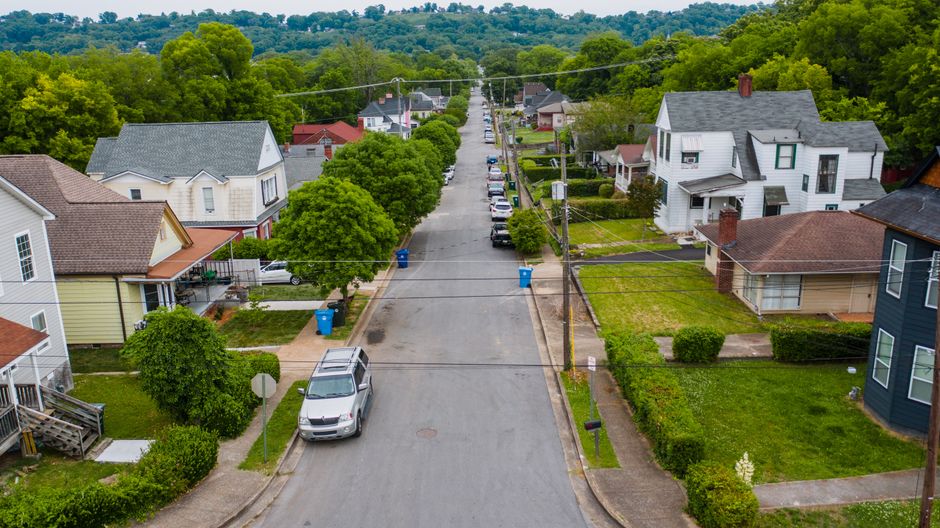
North of downtown, Germantown is one of Nashville's oldest residential neighborhoods, filled with Victorian homes, brick warehouses being converted into lofts, and genuine history layered into every block. It's gentrifying but not yet fully gentrified, which means you still find empty lots, older residents who've lived here for decades, and new arrivals trying to preserve something authentic in the process.
The neighborhood clusters around Main Street and the surrounding blocks. There are good restaurants and bars here—the kind that feel like they belong to the neighborhood rather than targeting visitors. You can walk to downtown in fifteen minutes. The architecture is actually interesting, not fetishized. Yes, construction is constant. Yes, rents are climbing. But there's still a sense that this neighborhood is being shaped by actual residents and business owners, not just investment capital.
This suits people who want urban walkability, don't mind some rough edges, like genuine history, and want to be adjacent to but not drowning in the tourist economy. It's less polished than East Nashville, more edgy, with actual diversity in terms of long-term residents, newcomers, and ongoing change. If you're comfortable living in a neighborhood in flux and want that energy, Germantown rewards attention.
The Real Talk Before You Decide
Nashville is growing fast. Very fast. That means neighborhood character can shift in three to five years, rents climb constantly, and what felt like an undiscovered area last year is now a development hotspot. Parking is increasingly painful across the board. Traffic has gotten genuinely bad on major corridors during rush hours. These aren't neighborhood-specific issues—they're Nashville-wide, and no amount of choosing the right neighborhood fully insulates you.
If you're visiting, pick a neighborhood that matches your interests and give yourself time to walk it on foot at different hours. Spend a morning, an afternoon, and an evening in each. Real neighborhood character reveals itself slowly, not through a quick drive-through. If you're moving, rent first if you can. Six months in an Airbnb costs less than signing a year lease on the wrong place. Visit on a random Tuesday, not a weekend, and eat where locals are eating, not where tourists are being funneled.