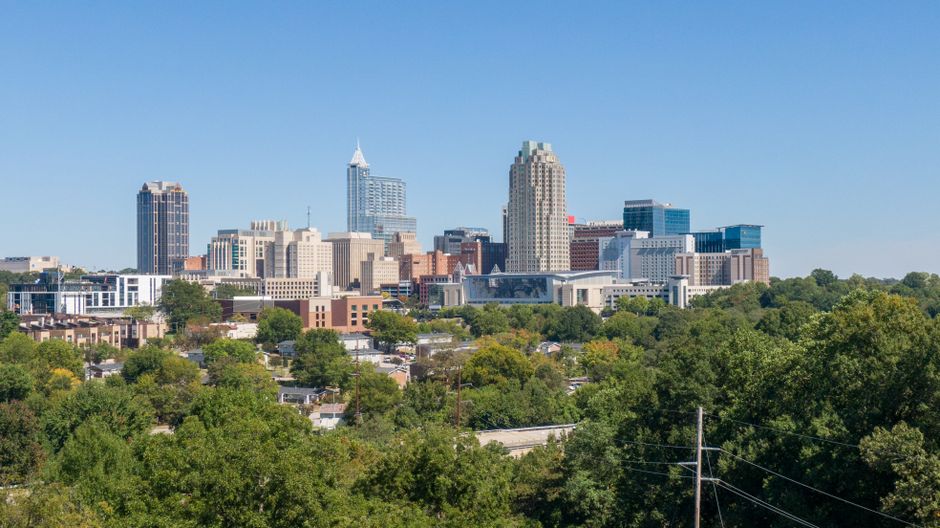
I landed in Raleigh on a Thursday expecting the usual downtown square experience—and I did hit those spots—but I got restless fast. The thing about Raleigh is it sprawls. It's got character scattered across neighborhoods instead of concentrated in one postcard area, which means most visitors never see the best of it. After four days of wandering neighborhoods, ducking into small museums, and eating lunch where locals actually eat, I understand why people miss the real city. This isn't a complaint. It's just how Raleigh works.
I'm not going to pretend this place is some undiscovered paradise. It's a real city with real infrastructure and corporate parks. But there's a rhythm here if you slow down enough to find it. The museums are smaller but genuinely interesting. The parks aren't famous for being parks—they're where people actually go to sit on the grass on a Tuesday afternoon. I found old bookstores, unexpected art installations, neighborhoods that feel lived-in rather than designed for Instagram. Here's what I found when I stopped looking for the main attractions.
Pullen Park's Quieter Side
Everyone knows about Pullen Park if they've done even five minutes of research. But most visitors see it as a stop, not a place to actually spend time. The park's huge—140 acres—and the boating lake and paddling areas near the main entrance eat up the tourist flow. Walk past all that.
The better move is to head toward the nature trails on the western edges, particularly around the small nature center. I spent an hour here on a weekday morning and saw maybe two other people. The trails wind through actual forest—not manicured, just quiet. There's a lake overlook that's become my favorite accidental discovery of the trip. It's nothing extreme. Just trees, water, and the sound of birds that actually registered in my brain because I wasn't surrounded by other people.
The Japanese Garden is also there, tucked away enough that it doesn't feel like a standard tourist checkpoint. It's modest compared to major Japanese gardens, but that's part of why it works. You can actually sit on a bench without someone's stroller blocking the view.

The North Carolina Museum of Art's Outdoor Park
The main museum building gets visitors, sure, but the Art Park—the 164-acre wooded landscape space with trails and art installations—barely registers for most tourists. I only found out about it from a casual conversation with someone at a coffee shop, which tells you something about how little it shows up in standard travel guides.
You don't need an art background to appreciate this place. Some of the installations are just interesting things to find while walking. Others are genuinely ambitious—there's a massive land art piece by Mary Miss that requires you to actually navigate it, not just look at it from a distance. The trails themselves are well-maintained, and unlike Pullen, you get actual quiet here. Real forest quiet. I walked for two hours and encountered maybe a handful of people.
Parking is straightforward, and there's a small museum cafe if you want coffee. The entrance fee is minimal, and honestly, you could spend half a day here without trying particularly hard. Winter and early spring probably feel even more solitary than when I visited.
Artspace on Fayetteville Street
This is an actual working artist community—studios, not a gift shop pretending to be art. You can walk through studio hallways and see people actually working. Some artists keep their doors open for visitors, some don't. That unpredictability is the whole appeal. You're not on a curated tour. You're basically wandering through someone's workplace and hoping they don't mind.
I spent an hour just moving between studios, chatting briefly with a photographer, watching a painter work on something large and abstract. Most visitors miss this place entirely because it's not positioned as a tourist attraction. It's just a functioning building where artists live and make things. A few studios are more gallery-like and expect visitors, but others are genuinely just workspaces. The energy is completely different from a standard museum.
Go on a weekend if you want a better chance of finding people around. I went on a Friday afternoon and caught less than I probably would have later. There's usually some kind of event happening monthly—check ahead or just show up and see what's happening. Even when most studios are quiet, the building itself has character.
Mordecai Historic Park and the Neighborhood Around It
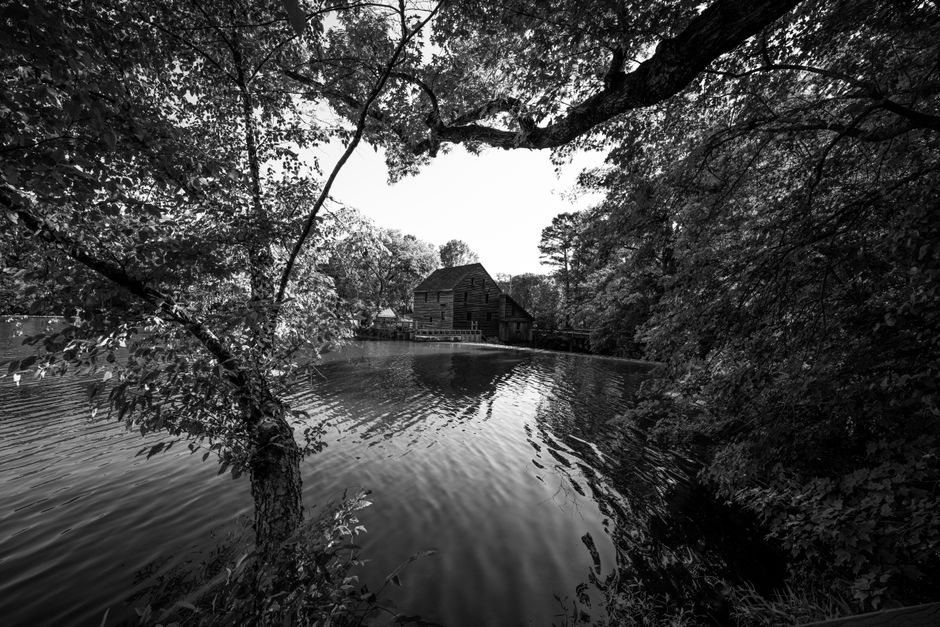
Most people know Mordecai House exists. Most people don't actually go there. The park preserves a pre-Civil War plantation home and outbuildings, which sounds like every other colonial history place, but the setting is what makes it different. It's in a neighborhood that's still actively residential, not separated and park-ified. Walking to it, you pass actual houses and streets that feel like part of the city, not a historical zone cut off from modern life.
The house tours are available, and they're thorough without being ponderous. But I spent more time just sitting on the grounds, looking at the outbuildings and trying to understand how the property fits into the city that's grown around it. There's something clarifying about seeing history still embedded in an active neighborhood rather than cordoned off.
The surrounding blocks—particularly toward Wade Avenue—have some genuine local restaurants and shops. After the historical site, I walked through the neighborhood and found a used bookstore that was worth an hour of browsing. It's the kind of place that exists because locals support it, not because it's been positioned for visitors.
The City Market Building and Fayetteville Street (But Not in the Way You'd Expect)
Fayetteville Street is the pedestrian downtown area. It's pleasant enough, and yes, you'll probably walk it. But the real thing is the City Market building—a 19th-century structure that now hosts local vendors, small restaurants, and craft studios. It's touristy in the sense that visitors go there, but it doesn't feel manufactured.
The ground floor has a rotating set of food vendors and a legitimate market feel. I ate lunch at a taco stand that was clearly local, not a franchise concept. Upstairs, there are studios and smaller shops—glassblowers, potters, jewelry makers. Again, nothing you couldn't replicate in other cities, but the building itself has bones. The brick and the high ceilings and the way natural light moves through the space make it feel like something with history, not a recreated historic marketplace.
I returned twice during my stay, which probably tells you something. It's a place you can return to without it feeling like you're repeating a tourist loop.
Umstead State Park (Just Outside the City)
Technically this is outside Raleigh proper, but it's close enough that I'm including it because almost nobody I met had actually been there. The park is 5,500 acres of actual wilderness—trails ranging from easy to pretty serious. I drove out for a half-day hike and felt like I'd left the city entirely, even though I was maybe 20 minutes from downtown.
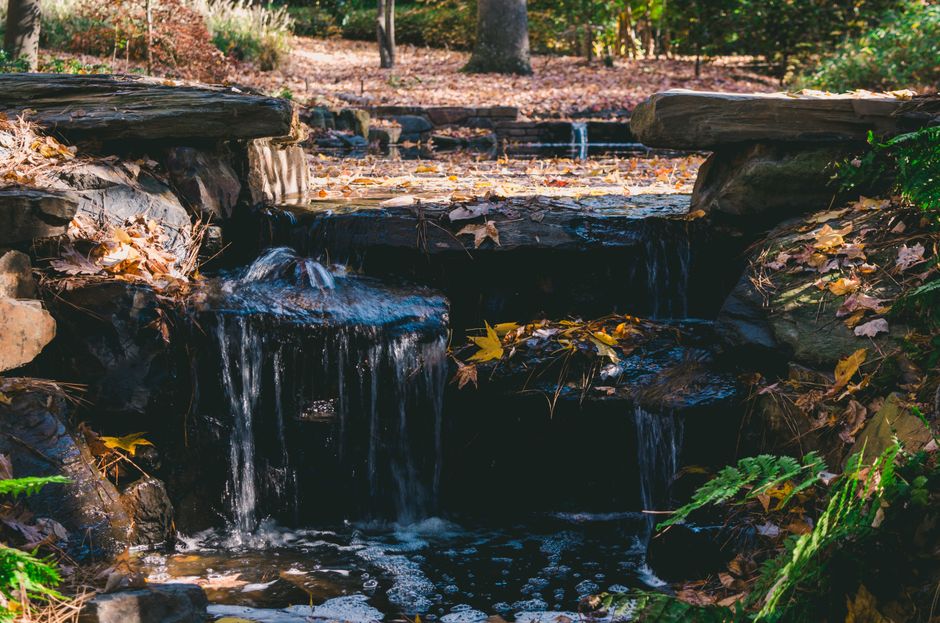
The trails are well-marked, but it doesn't feel like you're hiking a managed park. It feels like you're in a forest. There are water features, elevation changes, and enough distance that you can genuinely lose track of time. I saw exactly three other people the entire time I was there, and they were other hikers who mostly just nodded and kept moving.
If you're spending more than a couple of days in Raleigh and you have any interest in hiking, Umstead is worth the drive. Even if you're not particularly outdoorsy, the park is peaceful in a way that sitting in downtown parks, no matter how nice, just isn't. It's the kind of place that reminds you why people choose to live in places like this.
The Small Museum You Actually Have Time For
The North Carolina Museum of Natural Sciences gets visitors and is genuinely good. But the City of Raleigh Museum—a small, uncrowded space in a historic building—is the kind of place that lets you actually absorb information without feeling rushed. I spent maybe an hour there and could have spent more. The exhibits on the city's founding and development are straightforward without being condescending.
What struck me was how it presented Raleigh as a real place with actual history, not a narrative designed to make it seem more impressive than it is. The city was planned out from scratch in the late 1700s, which is interesting if you understand it as a decision rather than a predetermined fact. The museum makes that clear in a way that feels honest.
There's rarely a crowd, which means you can actually read things and look at photographs without someone's shoulder blocking your view. Free admission helps. Go on a weekday afternoon if you want absolute solitude.
A Few Final Notes
Raleigh works best if you approach it without expecting it to be a place that fits neatly into a tourist itinerary. It's a working city first. The downtown exists, the museums are good, and there are plenty of restaurants. But the actual character—the thing that makes it worth visiting beyond a business trip—is in the neighborhoods, the overlooked parks, the small institutions that exist because locals support them.
Walk the residential blocks. Eat lunch in places that don't market themselves to visitors. Spend an afternoon in a single neighborhood instead of checking off a list of attractions. That's when Raleigh reveals itself. It's not flashy, and it's not trying to be. That's the point.