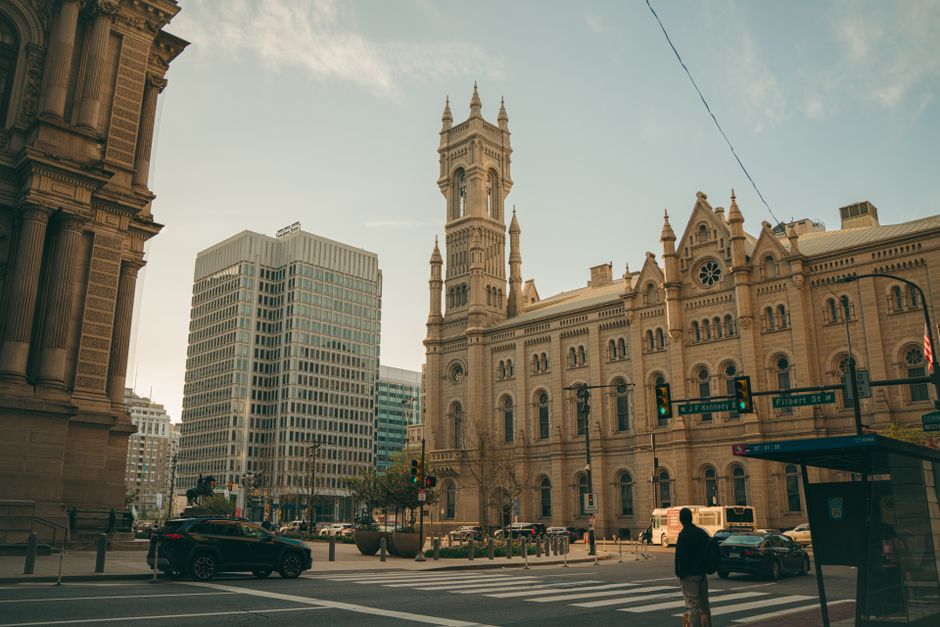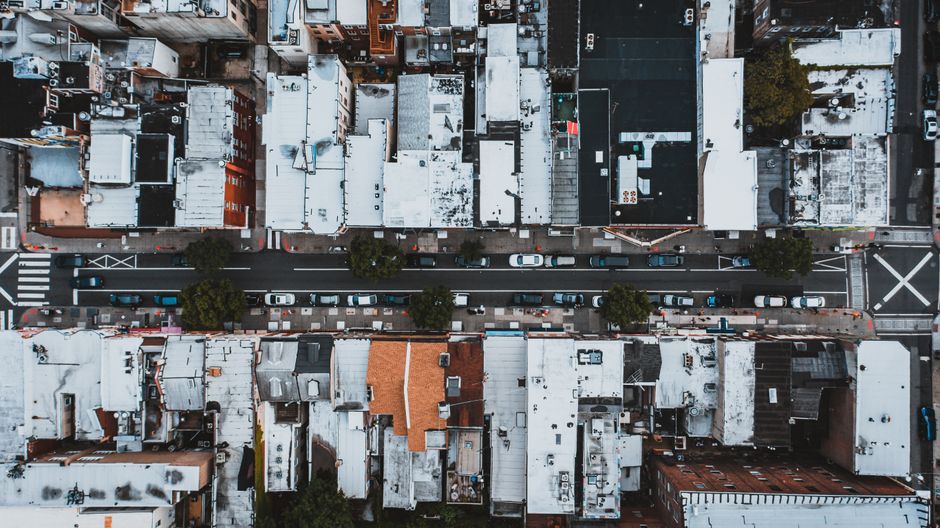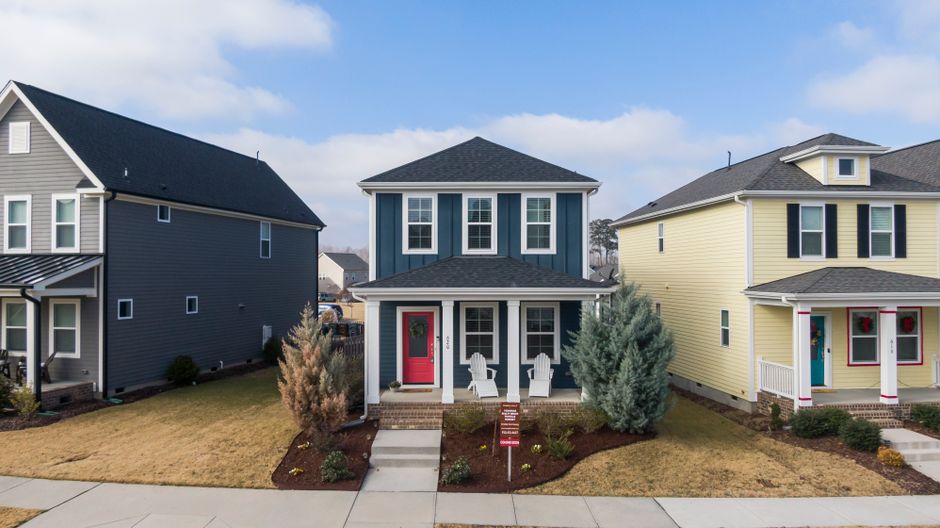
I pulled up to Raleigh on a Wednesday evening last fall, and the first thing I noticed was how spread out everything felt. Not in a bad way—just different from the East Coast density I'm used to. Within an hour of landing, I realized that where you stay in Raleigh matters more than it does in some other cities. A few blocks can mean the difference between a walkable evening and a car-dependent one. After spending a few weeks exploring the city block by block, grabbing coffee in different neighborhoods, and walking around at various hours, I've got a sense of which areas actually work for short-term renters versus which ones look great in photos but leave you stranded.
Raleigh's not a city you can boil down to one neighborhood. The downtown core is packed with restaurants and bars, but it quiets down fast after 10 p.m. The areas surrounding it each have their own character—some sleepy, some buzzing, some stuck in transition. The good news is that Raleigh's compact enough that most neighborhoods are within a 15-minute drive of everything. But if you want to spend evenings on foot without having to call a ride, you need to choose carefully.
Downtown Raleigh: The Safe Bet for Walkability
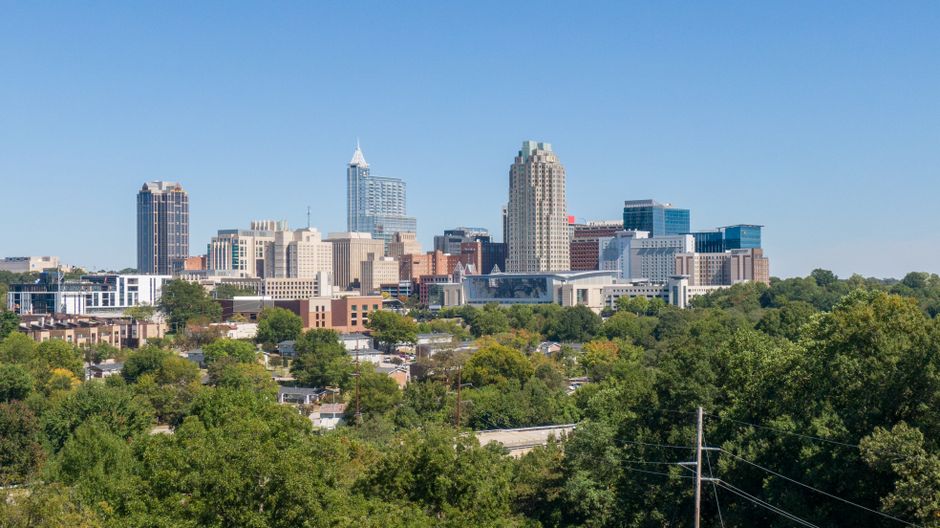
Downtown is the obvious choice for a reason. The blocks around Fayetteville Street, Martin Street, and the City Market area have genuine street life most nights of the week. You can walk to restaurants, galleries, bars, and a growing number of independent shops without thinking about it. The Raleigh Convention Center and nearby hotels anchor the area with a baseline of foot traffic that keeps things reasonably active even on slower evenings.
Safety-wise, downtown is well-policed and busy enough that you won't feel isolated at night. That said, it's still a mid-size city center, not a major metropolis—use basic judgment, stick to the main drags, and you'll be fine. The flip side of all this activity is noise. If you're looking for quiet, downtown isn't it. There's construction, bar noise on weekends, and the general hum of urban life. For solo travelers who want convenience and energy, it works. For people who want to escape into a more residential vibe, look elsewhere.
Nightly rates for Airbnbs in downtown Raleigh tend to run $110–$180 depending on size and exact location. You're paying for proximity and walkability, and for most visitors, it's worth it. The neighborhood empties considerably on Sundays and Mondays, so don't expect the same buzz every night.
Wade Avenue and Mordecai: Walkable, Quieter, Less Obvious
If downtown feels too energized, the Wade Avenue corridor and nearby Mordecai neighborhood offer a genuine middle ground. This area sits just north of downtown, and it's got pedestrian-scaled blocks, independent restaurants, local coffee shops, and enough trees that you don't feel like you're in the thick of things. The vibe is more residential but still accessible. You can walk to dinner and drinks without much effort, but you're not surrounded by high-rise hotels and convention-center crowds.
What I liked about this zone was the sense that you're actually in someone's neighborhood, not a hospitality district. There are real bars and restaurants here—places where local people actually go, not just tourist operations. The walk between your rental and dinner takes 15–20 minutes in most cases, which feels right. Safety is solid; the streets are mixed use enough that there's foot traffic without being overrun. Weekends are lively, weeknights quiet but not dead.
Airbnb inventory here is solid, and prices tend to be $90–$150 nightly. You lose some convenience compared to downtown—a few things require a short drive or a longer walk—but you gain atmosphere and a less transient feel. If you're staying more than a few days and want to feel like you're living in the city rather than visiting it, this area delivers.
Glenwood South: Where the Nightlife Actually Concentrates
Glenwood South, just west of downtown, is where Raleigh's nightlife actually happens. This isn't a neighborhood in the traditional sense—it's more of a commercial corridor lined with bars, late-night restaurants, clubs, and the occasional brewery. On a Friday night, it's genuinely busy. On a Monday night, it's nearly empty. That contrast is worth knowing about before you book.
Walkability within Glenwood South itself is fine for short distances, but it's not a deep neighborhood—it's basically one street and a few blocks of side streets. If you want to go elsewhere for a quiet dinner, you're either walking further or getting a ride. The bar scene here skews younger and louder than downtown; expect college students and bachelorette parties on weekends. The energy can be fun if that's your thing, suffocating if it's not.
For safety, the area is fine—lots of foot traffic and police presence, especially late at night. But it's loud until past midnight on weekends. If you're a light sleeper, ask about room placement before booking. Nightly Airbnb rates run $100–$170. This is the neighborhood to pick if you specifically want nightlife options at your doorstep. If you want a balanced mix of walkable dining and some downtime peace, look elsewhere.

Five Points: Artsy, Walkable, Residential
Five Points, anchored by the intersection of Fayetteville Street and White Deer Park Drive, is probably the neighborhood I'd choose for a longer stay. It's got a solid lineup of independent coffee shops, a bookstore, local restaurants, a farmers market vibe, and a genuine sense of community. The blocks are tree-lined and walkable. You can spend an evening on foot without strain.
The demographic here skews a bit older and more established than Glenwood South, which translates to less noise at night and more local-business focus. You'll see families on the weekend, artists, people who've chosen to live here rather than just pass through. Nightlife exists but isn't the main draw—it's more about daytime and early-evening activity. For someone who wants to walk to coffee, a bookstore, and a good neighborhood restaurant but isn't looking to bar-hop, this works.
Safety is excellent. This is one of Raleigh's more stable residential neighborhoods, and it shows. Foot traffic is consistent without being overwhelming. Airbnb rates tend to land in the $95–$155 range nightly. The trade-off is that you're a bit further from the downtown restaurant scene and you won't have the late-night variety that other areas offer. But the neighborhood itself is genuinely livable, which matters if you're staying more than a weekend.
Warehouse District: New Energy, Fewer Certainties
The area around Fayetteville Street's southern blocks and the old warehouse zones nearby is in active transition. New restaurants and bars are opening regularly, artists are moving in, and there's genuine momentum. It's got the energy of a neighborhood becoming a destination, which is exciting but also means things shift fast.
Walkability is solid in pockets but uneven overall. Some blocks have the careful pedestrian attention you want; others still feel industrial and sparse. Safety is fine—it's not a rough area—but it doesn't have the established baseline of foot traffic that downtown or Five Points do. You're relying more on the specific block your rental is on. The nightlife is genuine but still developing; some nights feel alive, others quiet.
The appeal here is that you're staying somewhere with real growth and energy, not in a settled, polished neighborhood. The risk is that your specific block might not have the amenities or foot traffic you expect. Ask detailed questions about exact location before booking. Nightly rates are typically $85–$140, lower than more established areas because the neighborhood is still proving itself. Good for someone willing to be a bit exploratory. Less ideal if you want certainty about your surroundings.

Getting Around: The Honest Part
Let me be clear about something: Raleigh is not a walking city in the way that Charlotte or a genuine East Coast downtown are. Most Airbnb neighborhoods have good walkability within their immediate area, but if you want to explore beyond that, you'll need a car or rideshare. Downtown to Wade Avenue is walkable. Downtown to Glenwood South is manageable. But downtown to a restaurant three neighborhoods away requires a ride.
If you're planning to spend your entire stay in one neighborhood, walkability matters a lot. If you're comfortable getting a Lyft or having a rental car, it matters less. Raleigh's rideshare is reliable and reasonably priced; expect $8–$15 for most trips within the city. That's worth factoring into your planning. The best neighborhoods for an Airbnb stay are the ones where you can accomplish most of what you want on foot, but you're not trapped if you want to explore somewhere else.
The Real Talk Before You Book
Raleigh in winter is gray and unremarkable. Spring and fall are genuinely pleasant. If you're visiting between November and early April, pick a neighborhood with indoor options and good restaurants, because you won't be spending as much time outside. Summer is hot and humid—the city empties out somewhat as people head to the mountains or coast.
Weekday Raleigh and weekend Raleigh are different animals. The downtown and Glenwood South areas are noticeably quieter Monday through Wednesday. If you're staying Tuesday through Thursday, you might want to be in a neighborhood where the draw isn't nightlife. The residential areas stay consistent regardless of day of the week.
One more thing: Raleigh's got a startup and tech influx that's changing the city's character. Some neighborhoods are genuinely better now than they were three years ago. That momentum is real and worth considering. You're not staying in a static city; it's actually evolving. That's good if you pick a neighborhood that's genuinely improving. Less ideal if you pick one that feels like it's caught between what it was and what it's trying to become.