
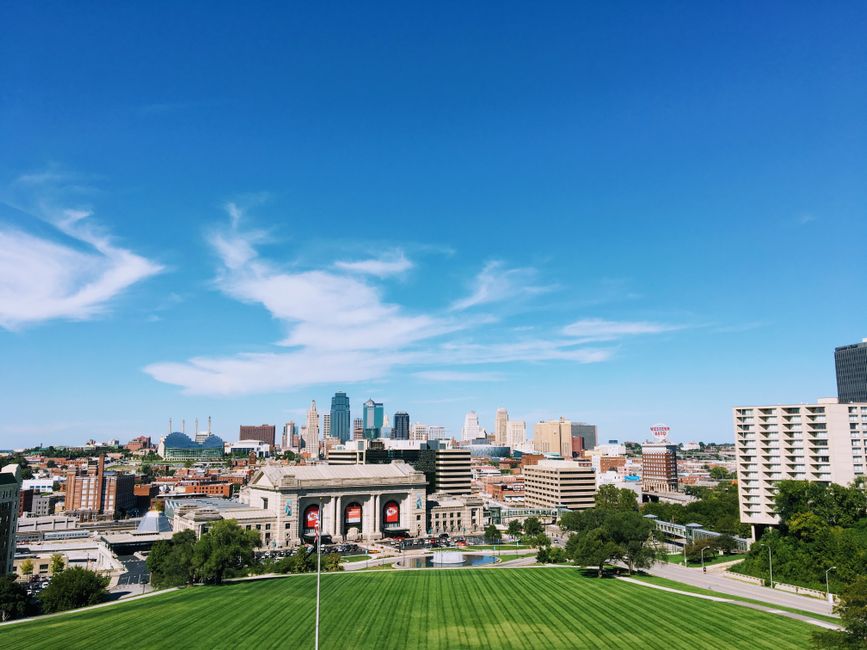
I rolled into Omaha on a gray February afternoon expecting a quick stopover—the kind of Midwestern city you pass through on the way to somewhere else. But I stayed four days, and by the end I'd developed a weird affection for the place. The Old Market smelled like someone's basement, the weather was punishing, and half the restaurants I wanted to try had closed since the guidebooks were printed. Still, I found myself coming back to certain corners, certain bars, certain lunch spots that didn't make the usual lists.
Omaha punches above its weight in the arts scene and has genuinely interesting food, but like most mid-sized cities it's learned to lean hard on a few marquee attractions. Some of them deserve the hype. Others don't. Here's what I figured out in my time there—what felt like a genuine use of an afternoon versus what felt like a box to check.
The Overrated Stuff
The Henry Doorly Zoo gets all the oxygen in travel writing about Omaha. And look, it's a legitimate zoo. The Skywalk is impressive, the cat complex is well-designed, and if you've got kids it's probably worth the admission. But—and I'll die on this hill—it's crowded, expensive for what you get, and if you've been to any major zoo in the last decade you've seen this exact setup. The penguin exhibit is fine. The big cats pace in ways that make you uncomfortable if you think about it for five seconds. It eats an entire day and leaves you tired and strangely unsatisfied. If you're in Omaha without kids, skip it. Seriously.
The Old Market is the city's darling, and there's something worth seeing there—the brick, the history, the genuine effort to preserve something authentic. But it's been gently theme-parked into submission. The restaurants are expensive and often mediocre (I had a $28 burger that tasted like regret), the shops sell the same Nebraska-themed tchotchkes they sell everywhere, and the whole thing feels like what a city thinks people want rather than what locals actually use. On a Saturday afternoon it's shoulder-to-shoulder tourists. Go once to understand the geography. Don't pretend you've discovered anything.
The Underrated Alternative: The Blackstone District and South 24th Street
Want to see what Omaha actually is right now? Spend an afternoon in Blackstone. It's north of downtown, built around a converted turn-of-the-century warehouse, and it's the kind of place where you bump into people who live here, not people visiting here. There's a decent coffee shop, some galleries that rotate actual work, restaurants that feel like someone's genuine project rather than a brand extension. I had a genuinely great lunch at a place whose name I've already forgotten, but whose carne asada was the best thing I ate in town. It's real in a way the Old Market pretends to be.
South 24th Street—sometimes called the Spanish Quarter—is where most guidebooks give a paragraph of cautious praise before moving on. Don't be cautious. This is where you find actual food, actual commerce, actual life. Hole-in-the-wall taquerias, panaderias, small groceries stacked with things you won't find elsewhere. Sure, it's grittier than downtown. That's the entire point. I spent two hours just walking, eating tamales from a cart, ducking into stores, and felt like I'd learned something about the city that mattered.
The Overrated Stuff (continued): Aksarben Village and the Lauritzen Gardens
Aksarben Village is the kind of mixed-use development that cities build to feel like they're doing something interesting. It's not terrible—there are restaurants, a movie theater, some shops. But it's aggressively soulless in the way that new developments are, and it could be anywhere. You could be in suburban Kansas City. You could be in suburban Denver. The fact that Omaha invested heavily in making it feel like the place to be doesn't make it worth your time. It's the downtown Disney approach to neighborhood development: sanitized, controlled, ultimately forgettable.
The Lauritzen Gardens is beautiful if you care about botanical gardens, which I sometimes do but didn't on the particular day I went. It's 100 acres of very well-maintained plants, which is fine, but it's also $15 and three hours if you're thorough. The rose garden was dormant. The Japanese garden was fine. I left feeling like I'd done a chore rather than had an experience. Again: if horticulture is your thing, go. Everyone else has better options.

The Underrated Alternative: The Joslyn Art Museum and the Durham Western Heritage Museum
The Joslyn Art Museum sits in a 1931 Art Deco building that alone makes it worth thirty minutes. But the collection is genuinely strong—lots of American West stuff if that's your thing, some solid European work, and it's the kind of museum where you can move through at your own pace without feeling stampeded. Admission was free when I went (it's often free or pay-what-you-wish), and the crowd level was civilized. I saw actual things I hadn't seen before. That matters.
The Durham Museum is housed in the old Union Station and is exactly what it sounds like: a local history museum. It shouldn't be as good as it is. The railroad exhibits are genuinely interesting—there's something about being in a restored 1931 depot learning about rail history that works. The immigrant experience section, the Native history, the quirky local lore all packed in with that specificity that only happens when locals have shaped the narrative. Most people skip it. They shouldn't.
The Overrated Stuff (final): Gene Leahy Mall and the Pedestrian Bridge Instagram Moment
I know what's coming here—the pedestrian bridge over the Missouri, the photos at sunset, the whole romantic Omaha riverside moment. It exists. The bridge is fine. But if you've seen a pedestrian bridge, you've seen this one. The nearby Gene Leahy Mall is a park in the way that every city center now has a park: well-maintained, pleasant, utterly unremarkable. Good for a walk if you're already in the area. Not worth a special trip. Not worth more than fifteen minutes of your time.

The Underrated Alternative: Benson, The Great Plains Black History Museum, and the Indie Music Scene
Benson is a residential neighborhood northwest of downtown that's become a genuine destination. There's a vintage arcade that doesn't feel gimmicky, some real coffee shops, bars where people actually hang out. It feels like where Omaha's younger residents live and work and socialize, not like a neighborhood that was built for tourism. Spend an evening there. Eat something, have a drink, listen to the accents and conversation. It's the closest thing to capturing what living here might actually feel like.
The Great Plains Black History Museum is small and under-resourced and important. It tells a specific part of Omaha's story—the North 24th Street that used to be the cultural heart before disinvestment and urban renewal did what they did in a hundred other cities. You should go. It's not flashy. It matters.
Omaha has a real indie/alt music scene that doesn't get mentioned in the travel coverage. Venues like The Waiting Room and Slowdown have actual shows, actual artists, actual crowds. If you're there when something's playing, go. You'll meet people. You'll hear music that's not the radio. That's the Omaha nobody talks about.
The Real Take
Omaha isn't a destination city, and I think everyone knows that. You come here for work, or because you're driving to somewhere else, or because you got curious about the Midwest. What surprised me was how much better it got once I stopped looking for the Instagram moments and the branded experiences and just… walked around. The overrated stuff exists for a reason—it's easy, it's obvious, it's what the city has decided to market. But the actual city, the one worth knowing, is in the neighborhoods, the small museums, the corner restaurants. It's in the people who actually live here, not the tourists passing through. Stay four days if you can. Skip the zoo. Eat on South 24th. Go to Benson on a Friday night. That's Omaha.



