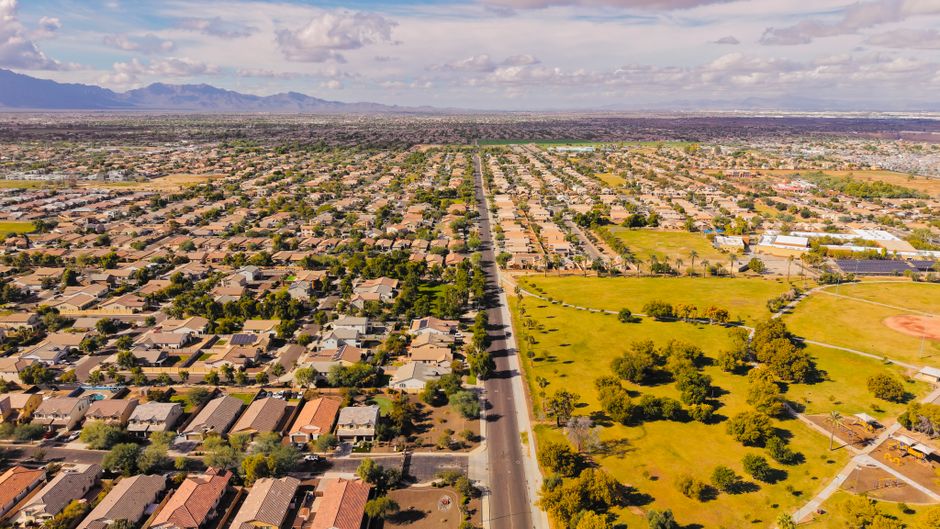
I landed in Phoenix in mid-March on my third solo trip west, and the first thing I noticed wasn't the sprawl or the mountains—it was how many silver-haired people were actually out walking around, sitting on patios, moving through the farmers market on a weekday morning. There's a reason for that. Phoenix has become a serious retirement destination over the past decade or so, and it's not just nostalgia or inertia. But before you start pulling the trigger on snowbird status or a permanent move, there's a lot to untangle. The low cost of living relative to other major metros is real. The healthcare infrastructure exists. But the summers here aren't a marketing exaggeration, and there are some tax and financial realities that don't get enough attention in the glossy retirement brochures.
The Heat Is Not a Minor Detail
Let's address the obvious first, because it actually matters. Phoenix summers are not survivable without air conditioning in any conventional sense. We're talking 110, 115, sometimes 120 degrees for weeks straight from late June through August. Your car door handle will burn your hand. The asphalt in a parking lot will literally soften. Swimming pools become body temperature by late afternoon.
If you have arthritis or other conditions that humidity helps—Arizona won't be that. If you're the type who loves being outside year-round, you'll be managing a trade-off: nine glorious months of perfect weather versus three where you're mostly indoors or doing errands at dawn. Some retirees genuinely love that rhythm. Others find the isolation of summer frustrating. I met people who have lived here 20 years and still escape to family homes in cooler states each July through September.
Cost of Living: The Main Draw, With Caveats
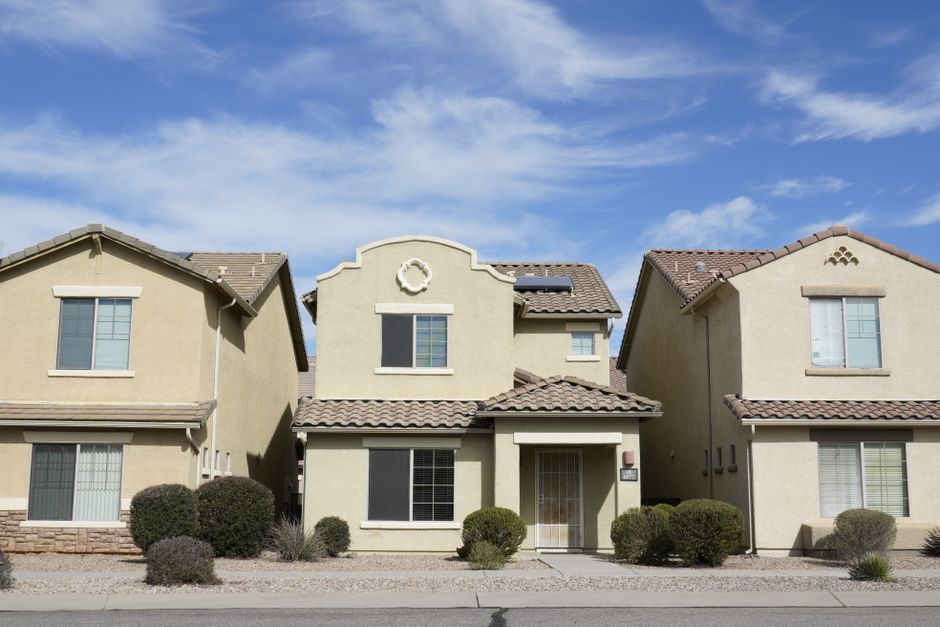
Housing prices have risen sharply in Phoenix over the past five years—not shocking news, but the trajectory matters for retirement planning. A modest single-family home in an established neighborhood still runs less than comparable properties in Denver, Austin, or Southern California, but we're not talking bargain-basement anymore. You can find older, smaller homes or condos in the $200k–$350k range if you're flexible on location and condition. Newer retirement communities and age-restricted neighborhoods push upward from there.
Utilities are lower than the national average during winter months. Summers flip that equation—air conditioning runs constantly and your electric bill can triple. Groceries, dining out, and gas are generally inline with or slightly below the national median. If you own a car outright, Arizona's registration fees are moderate. Property taxes are actually not terrible compared to many states, though they're not negligible either—around 0.6% of assessed home value on average, which hits different depending on your income situation and where you came from.
Healthcare costs don't get cheaper in Phoenix just because housing does. That's a detail retirees sometimes overlook in the spreadsheets.
Healthcare: Adequate but Not Exceptional
Phoenix metro has solid hospital infrastructure. Banner Health operates multiple large facilities, and there are other major systems and numerous independent providers. For routine care, specialists, and emergency services, the access is genuinely there. Retirement communities often market proximity to hospitals as a selling point, and that's real—you won't be stranded.
The wrinkle: finding a primary care doctor who's accepting new Medicare patients is still a waiting game, same as most growing metros. Specialists often have longer wait times than they did five or ten years ago, and some retirees from the Northeast or West Coast report missing the density of highly specialized centers they had access to before. If you have a complex health condition or need cutting-edge care, you might be looking at traveling to Phoenix Sky Harbor (which is convenient, actually) or managing care across distance. It's workable for many, but it's not Mayo Clinic on your doorstep.
Taxes: The Boring but Important Part
Arizona has no inheritance or estate tax, which factors into planning. The state income tax structure is progressive and not harsh compared to many states, but it's not zero. If you're drawing Social Security, 85% of benefits may be taxable depending on other income—that's federal, not state-specific, but it matters. Property tax rates are moderate (mentioned above), but they do compound over time.
Like anywhere, the tax picture really depends on your specific situation: what state you're leaving, what type of income you'll draw in retirement, whether you have investments or real estate elsewhere. Anyone considering a move should sit down with an actual accountant, not rely on vague assumptions about being tax-friendly. Arizona's reputation as a low-tax state has some merit, but it's more nuanced than a headline.
Scottsdale and North Phoenix: Affluent but Pricey
Scottsdale is where money goes to retire in Arizona. It's beautiful—the Sonoran Desert landscape is handled with care, golf courses are everywhere (if that's your thing), and the dining and cultural scene is genuine. Active adult communities here and in nearby North Scottsdale run upmarket. You'll find people who moved from Aspen or the San Francisco Peninsula and feel like they're still in the same income bracket.
Home prices in Scottsdale proper are significantly higher than Phoenix overall. A two-bedroom condo could easily run $400k+, and detached homes start well above that. But the amenities, the restaurants, the quality of outdoor spaces—it's not arbitrary. If you have substantial retirement savings and want a polished lifestyle with hiking and golf nearby, Scottsdale delivers. Just know you're paying for it, and the cost advantage Phoenix has over coastal cities narrows considerably once you're talking Scottsdale specifically.

Sun City and the Planned Retirement Communities
Sun City, just northwest of Phoenix proper, was one of the first large-scale age-restricted retirement communities in the country, and it's still one of the biggest. There are multiple Sun Cities now—Sun City, Sun City West, Sun City Grand—each with its own character but all built on the same model: 55+ only, built-in community activities, clubs, golf courses, and HOA that covers a lot of upkeep.
The appeal is straightforward. You buy a home (usually smaller, more affordable than Scottsdale), and the infrastructure for retirement living is already there. Rec centers, pools, organized group outings, health services. If you're someone who values that kind of structured social environment and doesn't need to impress anyone with your address, these communities make practical sense. Homes are generally $150k–$300k depending on size and age. The trade-off is HOA fees (often $300–$400+ monthly) and living in a very consciously retirement-focused bubble. Some people thrive in that. Others feel claustrophobic.
Tucson: Smaller, Warmer, Cheaper
If Phoenix feels too big or pricey, Tucson (two hours south) is worth considering. It's warmer—even hotter in summer, which sounds insane until you realize the Sonoran Desert in Tucson is more intense and drier, and some people prefer it. Housing costs are meaningfully lower. You'll find established communities of retirees, particularly around the northwest side of Tucson near golf communities and resorts.
Tucson's downtown has genuine character—art scene, restaurant culture, University of Arizona presence keeps the place younger in energy. It's more bohemian and less glossy than Phoenix or Scottsdale. If you want lower costs and don't mind a smaller city (or prefer it), Tucson is a legitimate alternative. Healthcare is adequate, though less dense than Phoenix. Some retirees split time between the two.
So, Should You Move? The Honest Take
Phoenix works as a retirement destination if you're honest about the trade-offs. The weather is genuinely pleasant nine months a year, housing costs are lower than major coastal metros, and there's enough culture, healthcare, and activity to avoid total boredom. If you're coming from somewhere expensive like California or the Northeast, the monthly savings are real.
It's a poor choice if summers genuinely oppress you, if you need world-class specialized healthcare immediately accessible, or if you're betting on rapid home appreciation as your nest egg. It's not a panacea. But for people in decent health with moderate to good retirement savings who don't mind the heat and actually like the lifestyle that exists here? Phoenix delivers on the promise. Visit for a full summer, not just March. Talk to people who've been here ten years, not the ones still in honeymoon phase. Then decide.