I arrived in Phoenix on a scorching March afternoon with the usual bucket list: the big names everyone books on Instagram. Camelback Mountain at sunrise. Taliesin West. Old Town Scottsdale. But after three weeks working through the city, rerouting to quieter neighborhoods, and talking to people who actually live here, I realized I'd almost wasted a lot of time standing in line for views I could've gotten better elsewhere—for free or cheap, with space to breathe.
Phoenix gets a weird reputation as a tourist town built on hype, but that's not entirely fair. The city has real character if you know where to look. The problem is most visitors follow the same worn trail, arriving at the same hot spots at the same times, paying the same markup for the same mediocre experience. What surprised me most wasn't discovering new spots—it was learning which famous ones are actually worth the drive and which ones you can skip without guilt.
The Camelback Mountain Trap
Camelback Mountain is the photo op everyone wants. A 2,704-foot summit with clear views across the valley. But here's the catch: the parking lot fills by 6:30 a.m. on weekends. The trail is steep, rocky, and narrow—there's barely room for two people to pass on the hard parts. You spend forty minutes dodging other hikers, getting your photo, and heading back down. On a busy morning, you're just part of a human chain.
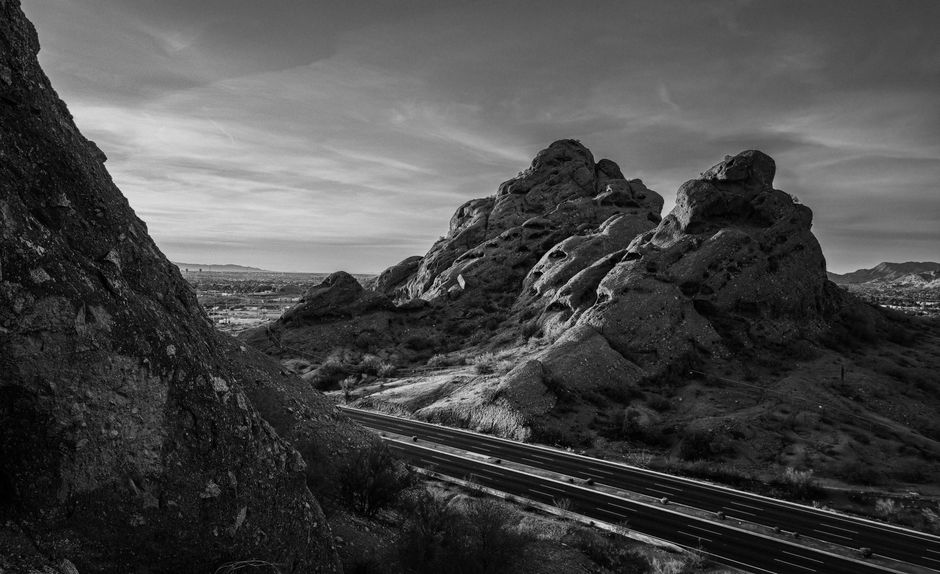
Papago Park, twenty minutes south, offers almost identical valley views from a much easier walk. The Hole-in-the-Rock trail gains just 300 feet of elevation through soft desert sand. You'll pass fewer people, see better light on the rocks, and actually have time to sit and observe the landscape instead of rushing to beat the crowds. The park is older, less polished, and completely free. Most tourists skip it because their guidebook didn't mention it.

Why Taliesin West Underwhelms (and Where to Go Instead)
Frank Lloyd Wright's winter home and architecture school is worth seeing in theory. The buildings are real, the history is solid, and the price—around thirty dollars for a tour—isn't unreasonable. But the experience depends entirely on which tour guide you get and how many people show up that day. I went on a crowded afternoon and spent half the tour waiting for others to clear a room so I could see anything. The docent rushed through the explanation. It felt more like a museum shuttle than an actual glimpse into Wright's work.
If you care about architecture and design, the Scottsdale AIA Center (nearby, free, small) showcases contemporary Arizona architects with real depth. Or spend an hour walking the Roosevelt Row Arts District, where actual working artists maintain studios you can visit. The murals are better, the energy is real, and you're supporting local people instead of funding a historic-site gift shop. You get better stories too—artists will talk to you unprompted.
Old Town Scottsdale's Expensive Emptiness
Old Town Scottsdale trades on Western charm and proximity to money. The galleries are nice. The restaurants are fine. But it's expensive, crowded with other tourists, and somehow feels like a theme park version of itself. You'll pay thirty dollars for a burger. The shops are mostly chains with a "local" veneer. During my visit, a March afternoon, the main drag was packed shoulder-to-shoulder with people holding shopping bags—exactly the opposite of what I came to the desert for.
Walking south into south Scottsdale—the working neighborhoods—you find different galleries, better prices, actual character. The Desert Botanical Garden, a few miles away in south Phoenix, is expensive too, but genuinely excellent. Three-hundred acres of desert plants arranged so you understand the ecology, not just look at pretty succulents. The design is thoughtful. You move at your own pace. It's quieter in late afternoon, and the light on the plants is better anyway.

What Actually Makes Phoenix Worth Your Time
South Mountain Park and Preserve is the city's best-kept secret. Twenty thousand acres of hiking trails, most of them empty even on weekends. You can spend a half-day exploring ridgelines with views of the entire valley, switchbacks through creosote and saguaro, and maybe see a roadrunner if you're quiet. The main parking area is close to the road, so you don't spend money on parking or wait in a lot. Trails range from easy (forty-five minutes) to genuinely strenuous (three hours). Everything is free.
The Heard Museum, downtown, is a real museum about Native American art and culture—Southwestern tribes especially. It's not a theme park. The collection is substantial. Most visitors skip it because it's not on their Instagram list. I spent two hours there without feeling rushed. Admission is about fifteen dollars. The gift shop actually sells work by Indigenous artists instead of cheap knockoffs.
Hasayampa River Preserve, north of the city, is a quiet riparian zone with walking paths through cottonwoods and along the water. It's the opposite of desert clichés. Birders like it. Photographers like it. People seeking thirty minutes of quiet like it most. It costs six dollars. On a hot Phoenix afternoon, the shade and running water feel like luxury.
The Art District Nobody's Heard Of
Roosevelt Row sits between downtown and south Phoenix, a neighborhood of old industrial buildings and artist lofts. It's where the Desert Botanical Garden is, and where you'll find working studios, small galleries, and murals that are actually good—not corporate street art. The First Friday art walk happens here once a month, but even on regular weekdays, it's interesting. Galleries stay open with actual artists inside, not just retail staff. Cafes are cheap. The energy is real because the neighborhood is real, not designed to look real.
What makes it better than Old Town Scottsdale: you're not performing tourism. You're just walking around looking at things. If you want to eat, you find a small place. If you want to buy something, it's probably made by someone in the neighborhood. It costs nothing to walk the streets. You don't feel like you're supposed to be having fun—you just are.
The Desert Botanical Garden That Actually Teaches You
The Desert Botanical Garden is expensive—around thirty dollars depending on season—but here's why it matters: it teaches you how the desert works. Most visitors see Camelback Mountain or hike Papago Park without understanding what they're looking at. The botanical garden explains plant adaptations, water cycles, which plants are native and which aren't, why the desert looks the way it does. The design intentionally walks you through different desert habitats. It's education disguised as a walk.
Timing matters. Go in late afternoon (doors close at eight p.m. in spring). The light turns golden. Fewer people arrive that late. You can stop at each section without feeling pressured to keep moving. If you spend three hours there instead of rushing through in ninety minutes, you actually learn something about the landscape you came to see.
The Real Takeaway for Phoenix Visitors
Most overrated spots in Phoenix aren't bad—they're just crowded, expensive, and designed for the tourist experience rather than the actual experience. You'll stand in line with hundreds of other people doing the same thing, paying the same price, taking the same photo, moving on.
The underrated alternatives offer time, space, actual contact with the landscape or the community, and usually cost less. They require slightly more effort to find, which is exactly why they stay empty. But that's the whole point of travel, isn't it? Phoenix is a real city with real character. You just have to skip the main tourist drag to find it.
Frequently Asked Questions
Is Camelback Mountain worth hiking in Phoenix?
Camelback Mountain offers decent valley views but gets extremely crowded, especially on weekends and mornings. If you want the view with less crowds and easier hiking, Papago Park's Hole-in-the-Rock trail provides similar scenery with a gentler 300-foot elevation gain and a much quieter experience.
What's better to visit in Phoenix instead of Old Town Scottsdale?
Roosevelt Row Arts District offers authentic galleries, murals, and local artist studios without the tourist markup or crowds of Old Town Scottsdale. It's free to walk, more affordable to eat, and the energy comes from actual working artists rather than retail galleries.
Is the Heard Museum in Phoenix worth visiting?
Yes, the Heard Museum is one of Phoenix's best attractions and remains undervisited compared to more famous spots. It houses a substantial collection of Native American art and culture, particularly Southwestern tribes, and costs around fifteen dollars with no crowds.
What's the best free thing to do in Phoenix?
South Mountain Park and Preserve offers twenty thousand acres of hiking trails with valley views throughout the park, completely free. It's one of the city's least crowded outdoor spaces despite being its largest park.
Which one would you visit?