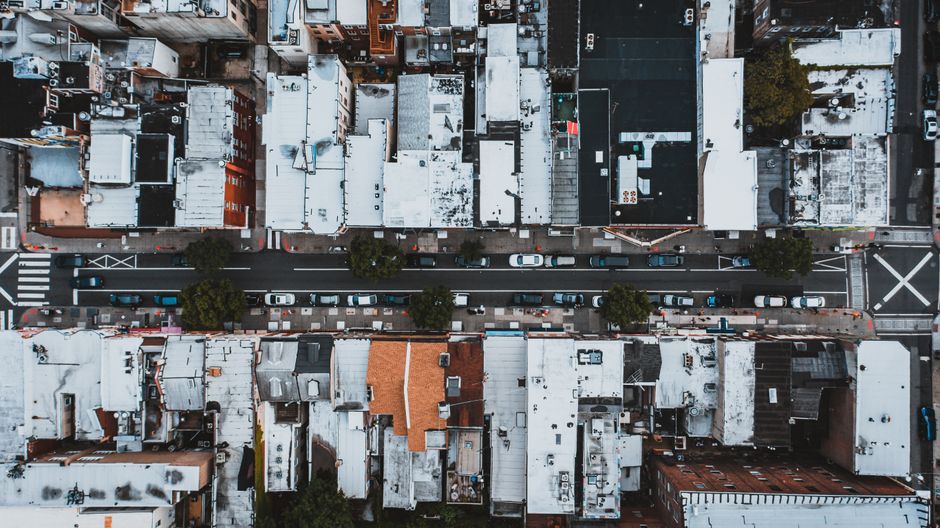
I landed in Phoenix on a brutally hot March afternoon, the kind of dry heat that makes you understand why people either love this city or flee it. The skyline from the rental car looked flatter than I expected, sprawling rather than vertical, and I quickly realized that Phoenix rewards the kind of traveler who doesn't mind driving between neighborhoods and actually talking to locals about what matters.
Most guidebooks push the same handful of spots—Camelback Mountain, Old Town Scottsdale, the Desert Botanical Garden. Those places exist for a reason, sure. But after spending time here talking to people who actually live in the valley, I've come to some pretty firm conclusions about what's genuinely worth a detour and what's mostly worth skipping in favor of something better.
The Overrated: Camelback Mountain
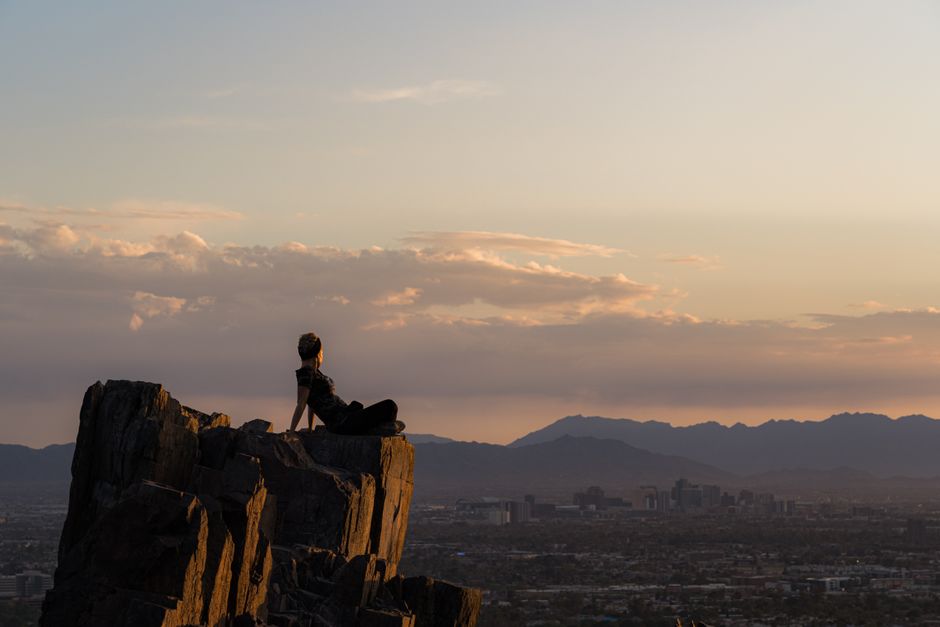
Everyone who visits Phoenix seems to make a pilgrimage up Camelback Mountain. The hike is short—maybe 2.5 miles round trip—and the city views from the top are legitimately nice. The problem is that everyone knows this. The parking lot fills up by 9 a.m. even on weekdays, the trail is clogged with people of wildly varying fitness levels and footwear choices, and you'll spend half the hike navigating around others. The rock scramble at the top, which used to feel vaguely adventurous, now feels like waiting in line at a theme park.
I get the appeal for first-time visitors, but if you've got even moderate hiking legs, the crowds aren't worth the view.

The Underrated: Papago Park
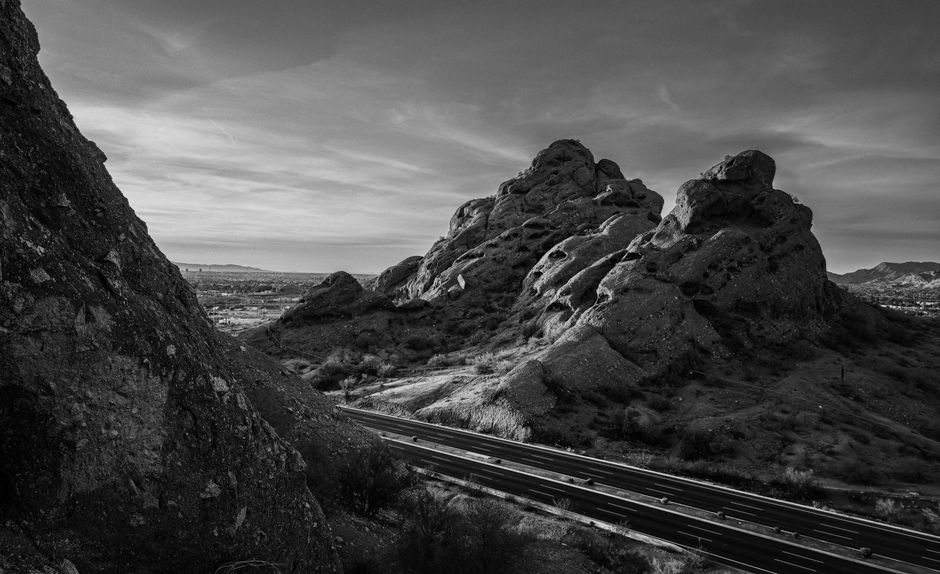
Just south of Camelback, Papago Park is the hike everyone overlooks. It's easier than Camelback—maybe 1.5 miles to the summit—but the views are nearly as good, and more importantly, you'll actually have space to breathe. The red rock formation is striking in a different way than Camelback's sharp outline; it feels more substantial, more geological. There's a hole through the top that makes for decent photos, and the whole experience feels less like a social media obligation and more like an actual walk in the desert.
Parking is generally fine, the trail is well-maintained, and you won't feel like you're in a mobile phone store queue. Go at sunrise if you want to feel like you discovered something.
The Overrated: Old Town Scottsdale
Scottsdale's central pedestrian zone trades on its reputation as a charming southwestern town center. What you actually get is upscale retail boutiques, chain restaurants operating under locally-themed names, and gallery after gallery of abstract art that seems designed primarily to launder money. The whole stretch has been so polished and themed that it reads less as authentic and more as a focus-grouped approximation of what a wealthy tourist thinks a desert town should look like.
The people-watching is fine if you're into that scene. But if you want to understand what Scottsdale actually is, you're looking in the wrong place.

The Underrated: Downtown Phoenix Public Library
I stumbled into the Phoenix Public Library's downtown branch on a sweltering afternoon, more out of a need for air conditioning than any particular enthusiasm for libraries. What I found was a genuinely excellent modern building by architect William Bruder, with a massive oculus, good light, and a collection that reflects real community curation rather than corporate chain aesthetics.
It's free, it's quiet, and it tells you more about how Phoenix actually thinks about public space than any tourist destination will. The design is thoughtful in ways that Old Town Scottsdale isn't even attempting. Spend an hour here and grab coffee at the in-house café, and you'll understand the city better than a dozen brewery crawls would teach you.
The Overrated: The Desert Botanical Garden
The Desert Botanical Garden is the most Instagram-friendly attraction in Phoenix. It's also $33 per adult, and while the cactus collection is genuinely impressive, the experience is choreographed toward maximum photo opportunities and minimum actual time learning anything. You'll walk past lots of people holding their phones at various angles, pausing for the perfect angle, and the whole thing has the vibe of a botanical theme park.
If you're already deep into desert plants, it's worthwhile. If you just want to see some cacti and get a feel for the desert landscape, you don't need to pay to be herded through here.
The Underrated: Taliesin West
Frank Lloyd Wright's winter home and architecture school sits on the north edge of Scottsdale, and it's the kind of place that makes you reconsider what you thought you knew about Arizona design. The buildings are genuinely odd and thoughtful in ways that feel opposed to everything polished about modern Scottsdale. Wright's philosophy about buildings responding to landscape is on full display here, and the whole compound manages to feel both completely integrated into the desert and somehow wildly out of place.
The guided tours are worth the time, and the place never feels crowded the way downtown attractions do. It's one of the few places in the metro area where you can feel the intellectual ambition of Arizona's mid-century past without the overlay of resort marketing.
The Overrated: Mill Avenue (Tempe)
Mill Avenue in Tempe is the go-to place for college-aged nightlife and daytime bar crawling, and it's successful at what it does—pack a lot of people into a small area and sell them drinks. But if you're over 25 and not actively looking to be surrounded by spring breakers and ASU students, it's mostly just loud and expensive for what you're getting.
The whole street has the energy of a planned entertainment district rather than an organic neighborhood that happened to develop a character. You can tell everything here is optimized for maximum revenue per square foot.
The Underrated: The Heard Museum
The Heard Museum focuses on Native American art and history, and it's genuinely one of the better specialized museums in the Southwest. The collection is strong, the curation is thoughtful, and it's located in a beautiful historic building in central Phoenix without the tourist machinery of some other attractions. Admission is reasonable, and you'll actually learn something about the region's actual history rather than its packaged version.
The museum also hosts events and performances that reflect living Native American culture rather than treating it as a historical artifact. It's the kind of place that rewards both casual visitors and people with serious interests in the subject. You can spend two hours here and feel like you've actually spent time somewhere, rather than checked a box.
A Few Final Notes
Phoenix is a sprawling city that doesn't reward the tourist who tries to experience it in a concentrated walkable district. You're going to drive between things, and you should accept that rather than resist it. The best experiences here often involve talking to people who've lived here long enough to have actual opinions rather than just following the standard itinerary.
The city's real character isn't in its most famous spots. It's in the neighborhoods, the smaller museums, the parks that don't have a gift shop. Come for the weather if you want, but stay because you actually got curious about the place.