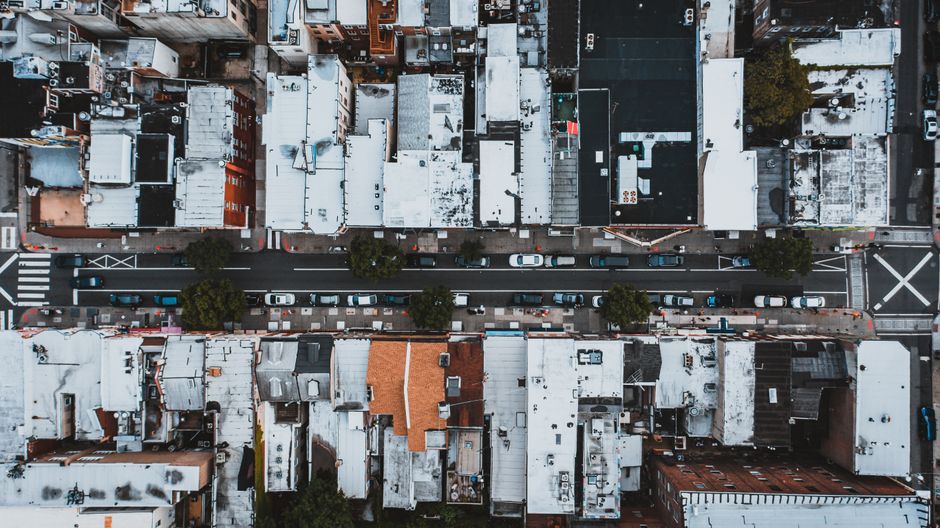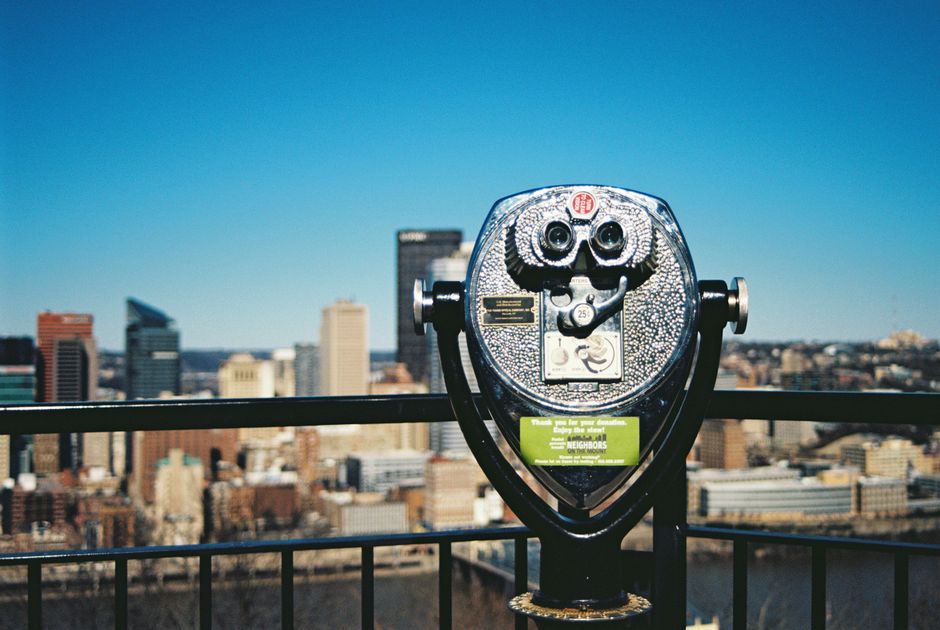
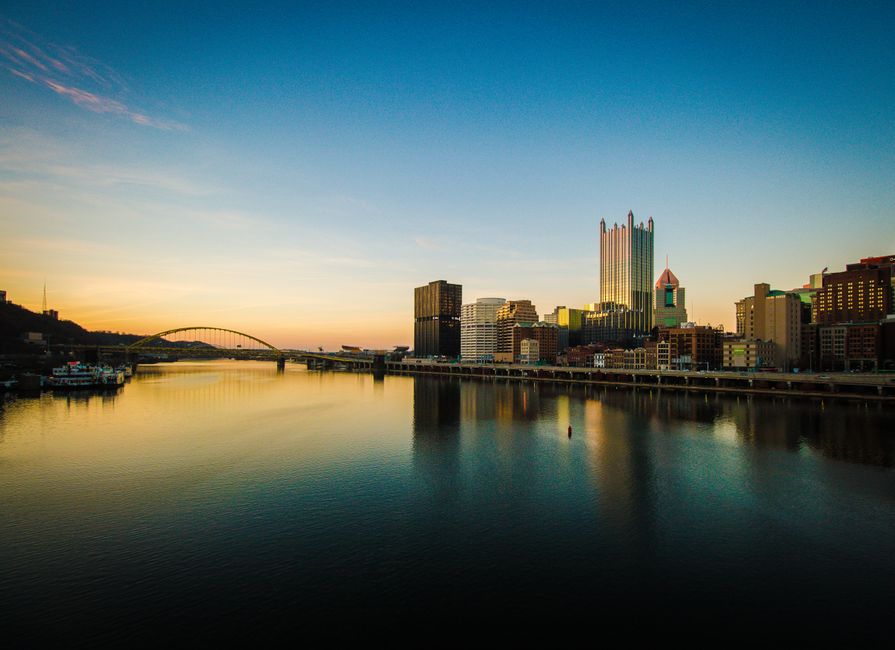
I rolled into Pittsburgh on a gray November afternoon, the kind of day that makes the city's steel-and-brick skyline look properly moody. I'd heard the usual pitch: the Aviary, the Strip District, Mount Washington viewpoint. All real places, all worth knowing about. But after a week of wandering neighborhoods that don't make the Instagram rotation, eating at counters where the owner's mother still cooks the daily special, and finding myself genuinely lost in the best way, I started dividing Pittsburgh into two cities. One is the version everyone's heard of. The other is the one people actually live in.
I'm not here to trash the famous stuff—some of it's legitimately good. I'm just here to say that if you show up and tick boxes off the official tour guide, you'll leave having seen Pittsburgh but not having tasted it. The difference matters.
The Aviary Gets Crowded; Go to the Phipps Instead
The Aviary in North Shore is a respectable walk-through bird sanctuary. It's clean, the birds exist, and families with young kids find something worth their afternoon. But on any decent weekend, you're shuffling through with two hundred other people, the kids are loud, the birds are stressed, and you're paying a solid chunk of change to see what amounts to a very nice zoo-adjacent experience.
Instead, slip into Phipps Conservatory, also in Schenley Park but operating on a different wavelength entirely. Yes, it's technically famous—it's been around since 1893—but most visitors don't realize you don't need to do a full garden tour to enjoy it. Buy a ticket, wander the orchid conservatory and the tropical rain forest room, and actually *sit* somewhere without feeling rushed. The light in there, especially on overcast days, is worth more than any bird encounter. And if you're there in winter, the poinsettia show is genuinely stunning in a way that doesn't photograph well and thus doesn't pull crowds.
Mount Washington: Famous for a Reason, but Go at Dusk
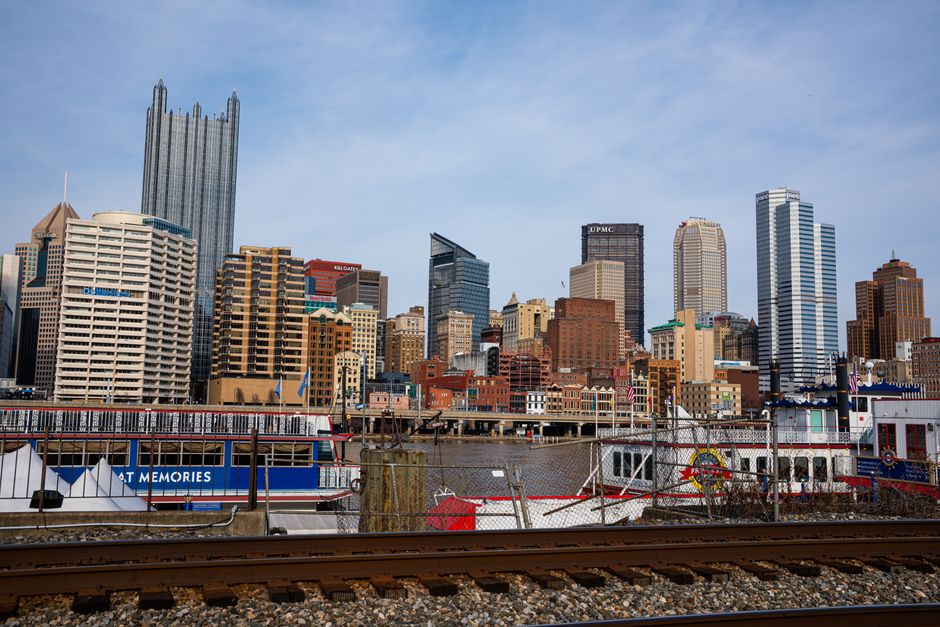
I'm not calling Mount Washington overrated exactly—the view of the city skyline from the overlook is genuinely excellent, worth seeing once. But go there at 3 p.m. on a Saturday and you're fighting for space with everyone in a hundred-mile radius who had the same idea. The light's harsh, everyone's angled the same direction, and it feels more like attendance than experience.
Go at dusk instead. Around 5 or 5:30 p.m., depending on the season, the light gets amber and soft, the postcards crowds have mostly dissolved, and you can actually stand there without feeling like you're part of a tourist assembly line. Better yet, grab dinner or a drink at one of the restaurants up there—they're not fancy, but the view through the window while you eat is better than looking at the view while standing in the cold with your phone out.
The Strip District Is Real, but Sunday Morning Is When It Happens
The Strip District is a genuine wholesale produce and meat market zone, and tourists show up expecting some kind of curated farmers market experience. They find old-school butchers, Vietnamese produce stands, bulk spice shops, and a lot of actual working people trying to buy groceries. It's real, which is good. But it's not really *for* tourists, which is the thing most tourists misunderstand.
Show up on a Sunday morning between 8 and 10 a.m. Everyone's doing actual shopping, the energy is different, the light is different, and you're not in anyone's way. Grab something from one of the bakeries—Wholey's has proper Eastern European stuff—and eat it standing up while you watch how a city market actually functions. That's when it clicks. That's also when you understand why people who've lived here for thirty years still shop here instead of going to a supermarket.
Skip the Point State Park Fountain; Find Mellon Square Park Instead
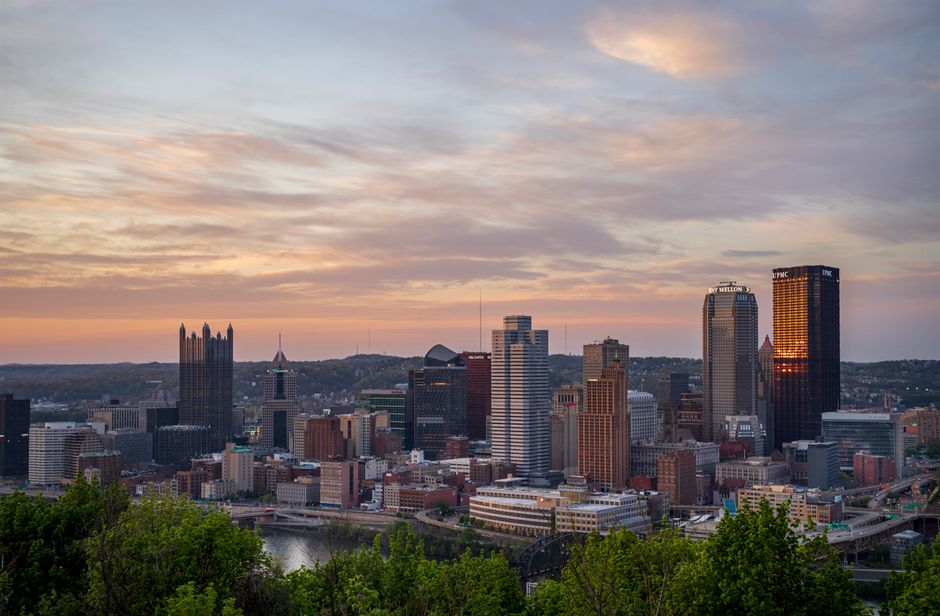
Point State Park is where the three rivers meet. It's geometrically interesting, historically significant, and absolutely a place you should know exists. But there's not much to *do* there, and the fountain, while iconic, doesn't justify a dedicated visit. You'll see it from everywhere anyway.
Mellon Square Park, a few blocks away downtown, is a sunken plaza with trees, water features, and actual seating where you can sit and think. It's quiet in a way that feels impossible when you're surrounded by a city. I ended up there twice, once by accident and once on purpose. Both times, I was the only person there, or nearly. It's the kind of place that doesn't photograph well, so it doesn't trend, so it remains actually peaceful. If you need fifteen minutes of actual quiet in Pittsburgh, this is where you get it.
Heinz History Center Is Solid; The Andy Warhol Museum Is the Real Thing
The Heinz History Center does a fine job with Pittsburgh history—it's informative, well-designed, and if you want a timeline and context, it's useful. But there's something dutiful about it, the way there is with most regional history museums. You leave feeling educated rather than moved.
The Andy Warhol Museum, though—that's a different beast. Warhol was from Pittsburgh, and the museum is installed in a converted factory in the North Shore, and it's genuinely excellent. I spent three hours there without meaning to. The silkscreens are massive up close, the early paintings are weird and interesting, and the Film Projection Room, where they just *run* his films, is hypnotic. It's a real art museum, not a sightseeing checkpoint. And because it's not on the main tourist trail—it requires intention to get there—you actually have room to think while you look at things.
The Real Underrated Move: East Liberty's Neighborhoods
This is where I finally understood what people mean when they talk about Pittsburgh's comeback without sounding like a real estate brochure. East Liberty, which was economically complicated for a long time, has become a place where people actually want to live and eat and spend time. You've got Wholey's Market (another one, this location is smaller and calmer), proper restaurants that aren't chains, bars that aren't trying too hard, and a neighborhood feeling that most cities pay consultants to fake.
Take an afternoon, walk around, get coffee at one of the independent spots, eat lunch at a place with no internet (there are still some), and watch how people move through a neighborhood. That's Pittsburgh in a way that the official tour stops aren't. And Lawrenceville, just next door, is in that interesting middle space where it's known enough that some people show up, but not so famous that it's overrun. The murals are real public art, not Instagram bait. The vintage shops and independent bookstores exist for the people who live there, not for visitors. That feels rare.
The Honest Take: Pittsburgh Works If You Slow Down
Here's what I figured out: Pittsburgh's overrated stuff isn't actually bad. The Aviary is fine. Mount Washington is spectacular. The Strip District is fascinating. But they work on a tour-group schedule, and Pittsburgh doesn't. This is a city that rewards slowness. It rewards showing up somewhere without a plan and wandering. It rewards talking to people who've been here longer than five days.
The underrated version of Pittsburgh is the same city, just experienced at a different pace. It's the same neighborhoods, the same rivers, the same architecture. The difference is time. If you've got a weekend and a list of checkboxes, hit the famous spots—they're famous for real reasons. But if you can linger, if you can sit in parks and eat in random restaurants and take wrong turns, that's when Pittsburgh shows you something worth remembering. That's worth the trip.