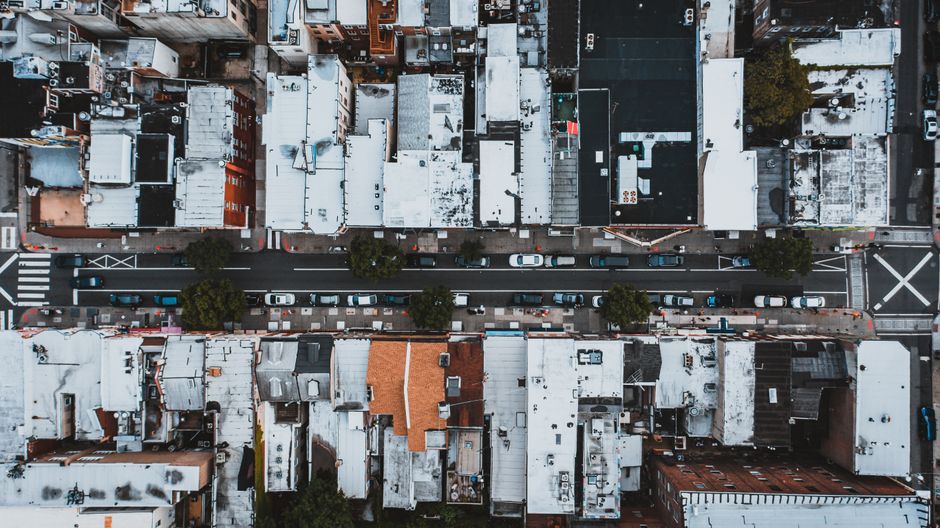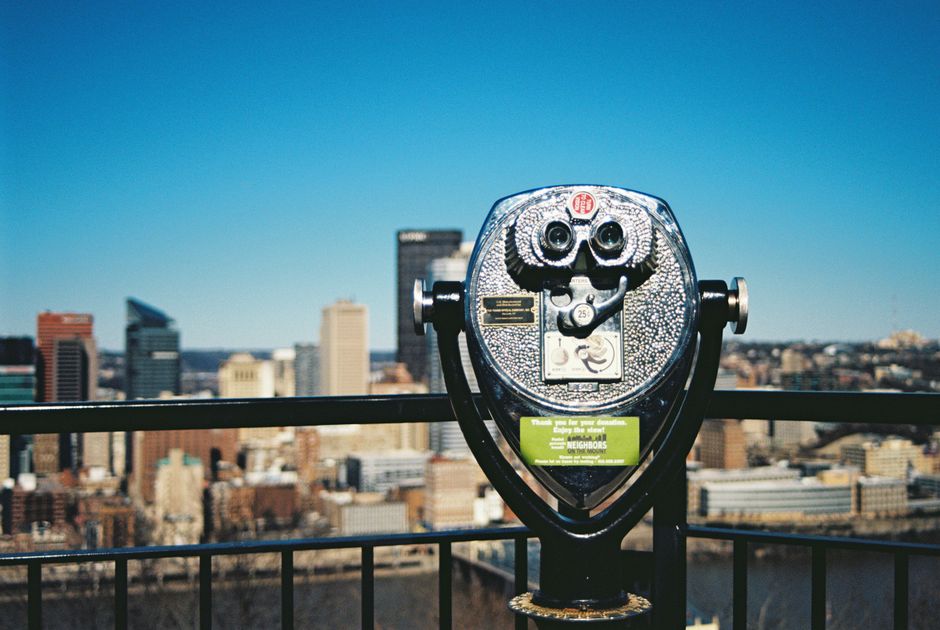
I arrived in Pittsburgh on a gray Thursday in October, coming off a flight from DC with nothing but vague notions about bridges and robots. The usual tourist itinerary sat in my phone's notes app—you know the one—and I was determined to ignore most of it. What I found over three days was a city that works best when you ignore the well-worn paths entirely. The North Shore feels obligatory in the way Vegas feels obligatory, but there's real soul in neighborhoods the guidebooks barely mention.
Pittsburgh gets a decent amount of visitor traffic, but not enough that the city feels overrun. That's actually part of the problem: the famous spots stay famous because they're convenient, not because they're exceptional. Meanwhile, some genuinely remarkable places operate at a fraction of the volume, and frankly, that's better for everyone.
The Overrated Bucket: Where Tourist Dollars Go to Sleep
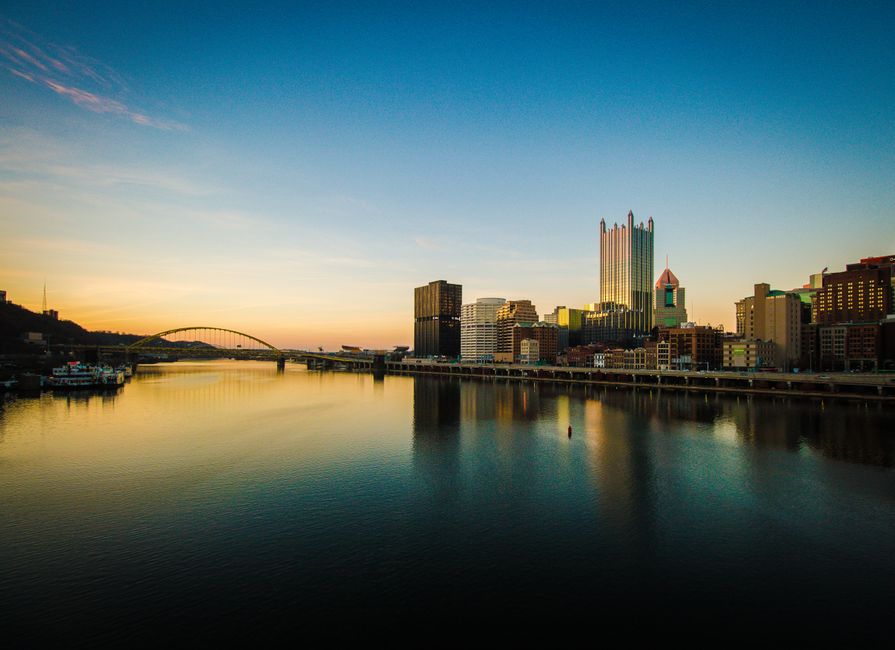
Point State Park sits at the confluence of three rivers, and yes, the fountain is photogenic in a postcard-y sort of way. But the park itself is… a park. Grassy. Crowded on weekends. People take the same photo from the same angle, upload it, and move on. You'll spend twenty minutes here if you're being generous, forty if you stop to read historical plaques. The actual value is in the surrounding skyline views, which you can access just as easily from a dozen other spots without the crowds.
The Heinz History Center, housed in the impressive Landmark building, skews heavily toward the industrial narrative. It's competent and occasionally engaging, but if you've been to even a decent regional history museum, you've essentially seen this before. The industrial-heritage thing is Pittsburgh's identity, I get it, but the presentation feels dutiful rather than revelatory. Save the $15 admission.
Then there's the Phipps Conservatory. It's a beautiful Victorian greenhouse, no argument there. But it's also a conservatory full of plants in a climate-controlled building. If you've visited any major botanical garden in the northeast, you've got a good sense of what you're getting. The special exhibitions rotate, so timing matters. Fine to see if you're in the neighborhood. Not worth making a special trip.
The Duquesne Incline is probably the most overrated of all. Yes, it's historic. Yes, the views from Mount Washington are genuinely good. But you don't need to ride a novelty cable car to get those views. The Monongahela Incline exists three blocks away, works just as well, and draws a fraction of the Instagram queue. Even better: just walk up. It's steep but doable, and you avoid both the wait and the $5 ticket.
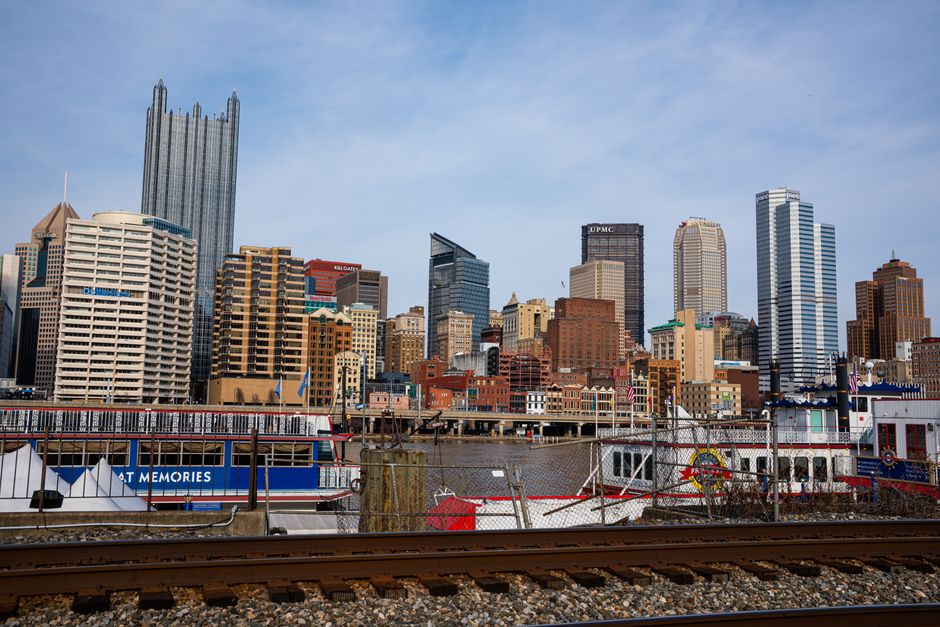
The Strip District Is Real—But Not How Guidebooks Frame It
The Strip District gets mentioned in travel guides as a place to eat and shop, which is technically true but misses the actual character of the neighborhood. Yes, there's a Reading Terminal Market analogue—the original Pittsburgh farmer's market, plus various Italian food shops—and it's fine. Genuine businesses, real customers who aren't tourists, decent prices on produce and specialty items.
But the Strip's identity isn't for visitors. It's a working neighborhood where people actually live and do business. If you're there on a Saturday morning, you're among residents buying groceries, not curated "market experiences." The restaurants and bars that line the streets are used primarily by locals and Duquesne University students, not tour groups. That's the actual draw: watching a neighborhood function like a neighborhood, not perform like one. Show up hungry, eat something that's not a photo opportunity, and move on. That's the whole game.
Underrated Move #1: The Mattress Factory Is Actually Weird and Excellent
This contemporary art museum in the Strip District operates almost entirely off the radar of mainstream visitors. For about $15, you get access to consistently innovative, often installation-based contemporary work. The building itself is an old mattress factory, which feels honest rather than precious.
What makes it genuinely underrated is the curation. You're not here to see mastworks—you're here to encounter risk-taking. Recent exhibitions have run toward immersive and conceptual work that doesn't photograph well for Instagram, which is probably why you've never heard of it. If you care about art that's doing something rather than just existing as a recognizable object, this is the move. If you're just looking for something to do, skip it.
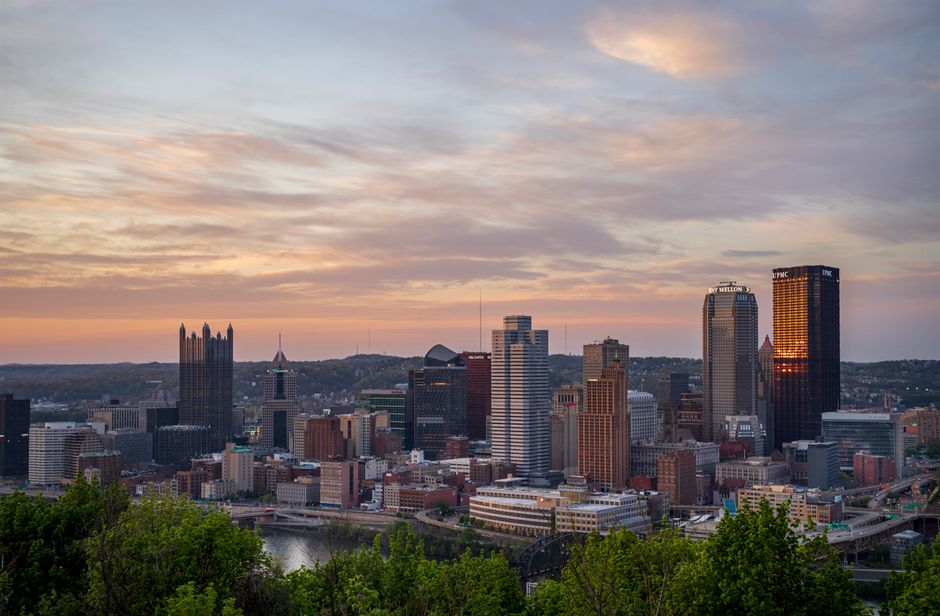
Underrated Move #2: Lawrenceville Is Where Pittsburgh Actually Lives
Every city has a neighborhood that's starting to gentrify and hasn't completely surrendered its character yet. In Pittsburgh, that's Lawrenceville, and it's still leaning harder toward "actual neighborhood" than "destination." The blocks around 40th Street are thick with restaurants, bars, and coffee shops that opened because residents wanted them, not because someone ran a market analysis.
Butler Street is the main axis, but the real interest is in how the neighborhood hasn't collapsed into a monoculture yet. You've got long-standing corner bars next to newer cocktail spots. A solid independent bookstore. Multiple thrift shops. Restaurants that range from "my cousin opened this" casual to genuinely ambitious cooking. Most importantly, you'll see actual Pittsburghers, not tourists. Wander, grab lunch, browse the used bookstore. This is how cities actually work when you're not on the main performance stage.
Underrated Move #3: The Cathedral of Learning Is Massive and Free
I know, I know—it sounds touristy and college-campus-y. The Cathedral of Learning sits on the University of Pittsburgh campus and serves as the central administrative building. It's a Gothic Revival tower built in the 1930s, and it's absolutely enormous. You can walk into the lobby, look up, and feel genuinely small. No admission fee. No lines. No one's there taking selfies because it's "not on the list."
The university also owns the adjacent Heinz Memorial Chapel, similarly Gothic and similarly empty of tourists. These aren't hidden exactly, but they're ignored in a way that makes them genuinely pleasant to visit. Walk through campus, see a bit of how the city has integrated education into the urban fabric. Twenty minutes well spent.
Underrated Move #4: Schenley Plaza and Squirrel Hill Offer Actual Neighborhood Life
South of the university, Schenley Plaza was designed as a public square in the early 1900s and still functions like one. It's surrounded by real businesses—restaurants, bars, pharmacies—that serve the community rather than tourists. The plaza itself is open, tree-lined, and completely unpretentious. On a nice day, people actually sit here. Work here. Meet friends here.
Adjacent Squirrel Hill is one of Pittsburgh's most established neighborhoods and happens to be historically significant without performing that significance. Historic homes, genuine commercial corridors, the kind of place that doesn't need a museum to explain itself. Walnut Street runs through it with real businesses—again, serving residents first. This is where Pittsburgh reveals itself to people who actually slow down enough to look.
Underrated Move #5: The Allegheny Observatory Has Actual Character
Operated by the University of Pittsburgh, the Allegheny Observatory sits in Riverview Park and has been doing astronomy since 1859. They offer public observing sessions on clear nights, which means you can actually look through a real telescope. Not a simulation. Not a museum exhibit. An actual telescope pointed at actual space.
Yes, it requires checking when they're open and planning ahead. Yes, weather dependent. But the experience of walking up to a working observatory, being handed access to a telescope, and seeing Saturn's rings or Jupiter's moons is the opposite of a packaged experience. It's a reminder that cities contain functional institutions that predate tourism entirely and continue operating on their own terms.
The Real Takeaway
Pittsburgh rewards slow travel in a way most American cities don't. The tourist infrastructure exists, it's fine, and if you want to see the postcard version of the city, you can get that. But the better move is to ignore the algorithm, skip the incline queues, and just walk around neighborhoods where regular people are doing regular things. The restaurants are better. The experience is less mediated. You'll actually remember it.
I left Pittsburgh with only fuzzy photos and concrete memories of wandering, eating well, and not once standing in a line for a famous view. That's the move.