
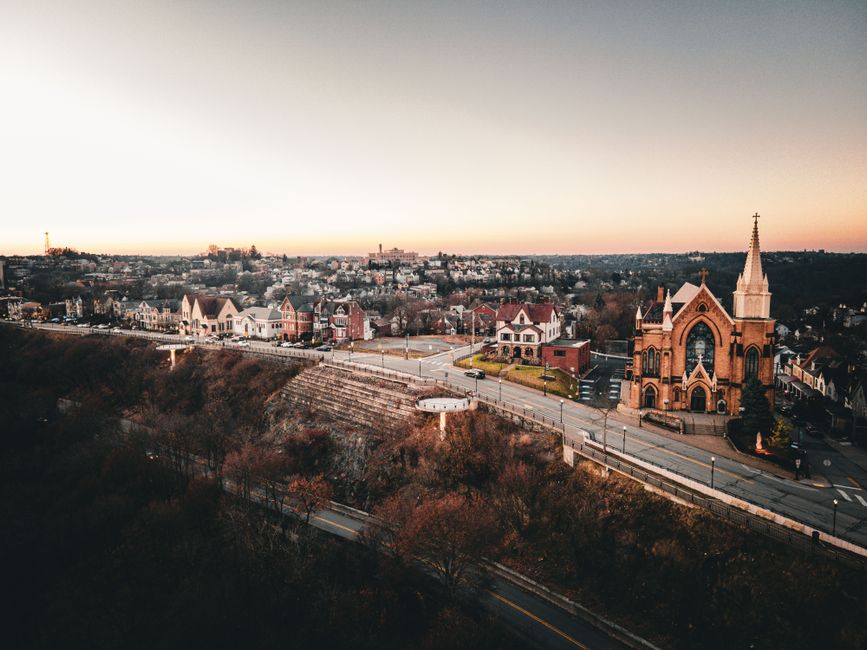
I arrived in Pittsburgh on a gray November afternoon, the kind of day that makes you understand why this city's mood is so tempered, so real. My train pulled in and I grabbed a cab uphill, watching the neighborhoods roll past—Victorian blocks giving way to glossy new apartments, industrial corridors next to parks. After three days of walking these streets, I realized Pittsburgh doesn't really have one center. It has neighborhoods, each with its own stubborn identity, and choosing where to land matters.
This isn't a city that shouts. It whispers in different accents depending on which side of the Allegheny you're on. Over the next few days, I talked to people who'd moved here, people who'd grown up here, and people just passing through. The neighborhoods aren't all equally good for everyone—that's the thing nobody tells you. What works for a couple with a toddler won't work for a 26-year-old software developer. What draws a retiree will bore a tourist in a hurry.
Shadyside: Where Money Lives, But It's Not Obnoxious About It
Shadyside is Pittsburgh's neighborhood for people who want walkability, restaurants, and no surprises. Walnut Street is the spine—lined with boutiques, wine bars, and places like Salt of the Earth that locals will actually defend. The neighborhood feels more expensive than it is, which is both its charm and its trap.
It suits young professionals, people moving here for corporate jobs, and couples who want to walk to dinner without having to think about parking. Families like it too, though real estate prices have gotten aggressive in the past decade. You'll see a lot of people in their late twenties through early forties, a lot of French bulldogs on leashes, a lot of white button-ups on weekend coffee runs.
The downside: it's lost some personality. Ten years ago, there were dive bars and weird vintage shops. Now you get another gastropub, another yoga studio, another place charging $16 for a salad. If you're the type who wants the neighborhood to feel lived-in by actual humans rather than a target demographic, Shadyside can feel thin.
For a tourist, it's useful. Everything is walkable. The streets are safe. You can get good coffee and better dinner. But you won't find anything you haven't already found in every other upmarket neighborhood in America.
Lawrenceville: The Neighborhood Everyone Moved To, Then Complained About
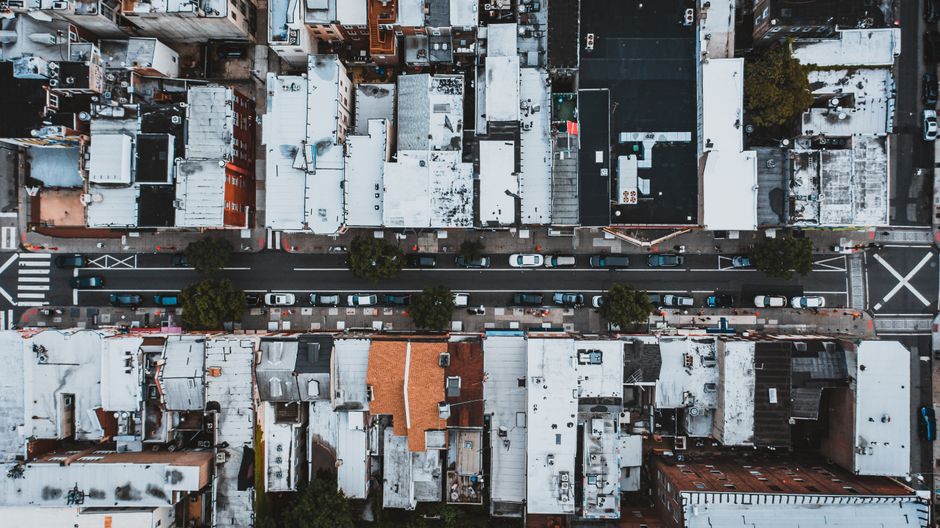
Lawrenceville is where Pittsburgh's young people and creative types landed a decade ago. It still feels that way, except now the rents have tripled and some of those young people are moving further out, complaining that the neighborhood has gotten too expensive and too trendy. This is how gentrification sounds up close.
But here's what makes it worth understanding: it's still the most interesting neighborhood in the city. Butler Street is a genuine mixed block—Ethiopian restaurants, dive bars, galleries, coffee shops opened by people who seemed to actually care about coffee. The architecture is prettier than Shadyside, the bars are cheaper and stranger, and you can still get a beer and a shot for under seven dollars at places like Bocktown. Walk a block or two off the main drag and you're in residential streets with massive Victorian houses that families are converting into multi-unit properties.
Lawrenceville works for artists, bartenders, musicians, and anyone under 35 who doesn't mind a little noise. Young families with money can make it work too—there's a school nearby with a decent reputation. Tourists should spend an evening here. It's the only neighborhood in Pittsburgh where you feel like things are actually happening, where you might stumble into a basement art show or end up talking to someone interesting at a bar.
Just don't move here expecting it to stay the way it was in 2015. That version is gone. What remains is still good, but it's increasingly expensive and increasingly populated by the exact people who say it's gotten ruined.
Strip District: Where Tourists Get It Right (Sometimes)
The Strip District is long and narrow, running along Penn Avenue between downtown and the neighborhoods to the east. It's part market, part restaurant row, part wholesale district, and part neighborhood where actual people still live above the shops and warehouses.
This is where to come for food. Wholey's Fish Market is the most famous—a chaotic, smell-rich seafood vendor that's been there long enough to be an actual institution. There are produce stands, bakeries, and restaurants that range from quick ethnic takeout to higher-end ambitious places. The whole thing has the feel of a working neighborhood rather than a curated tourist experience, which is probably why tourists don't come here enough.
As a place to live, it's mixed. Some blocks are genuinely nice—Victorian rowhouses, quiet, tree-lined. Others feel industrial and cut off. The foot traffic and parking situation can be maddening. But if you want to be near downtown without living downtown, and you like the idea of walking to a Serbian bakery or a Vietnamese market, this is where to look. It suits people who cook, who want to be near the city but not of it, who tolerate noise and congestion in exchange for real character and real affordability compared to Shadyside.
For tourists: come for lunch or dinner, walk around, buy something from a market stall you won't find anywhere else. It's worth two or three hours, not a place to build your whole trip around.
Oakland: For Academics, Students, and Anyone Who Wants Density Without Trying
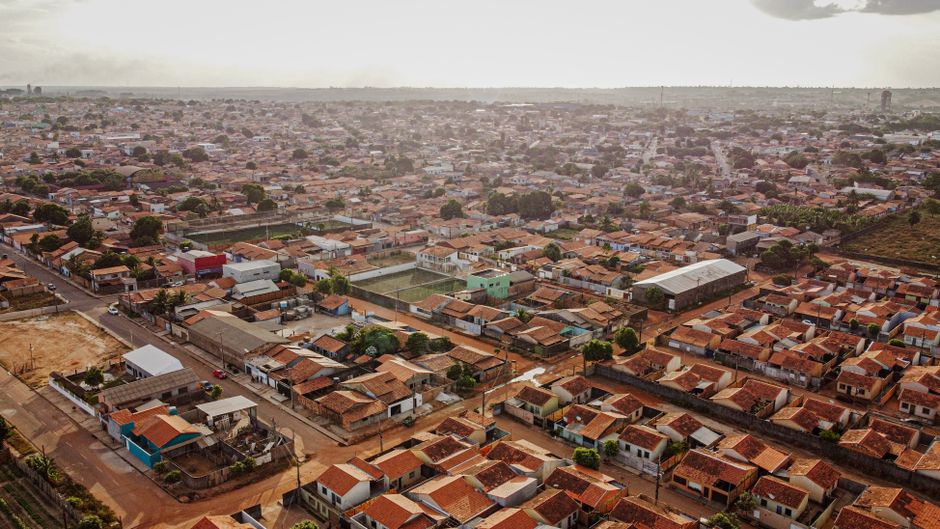
Oakland is home to the University of Pittsburgh, Carnegie Mellon, and the cultural institutions that serve both. It's the densest neighborhood in the city, and it has a college-town feel even if you're not in college anymore.
The Cathedral of Learning looms over everything, gothic and enormous. The neighborhood around it is what you'd expect: coffee shops, cheap bars that serve students, bookstores, a used record store or two. Forbes Avenue is the main drag, and it's busy in the way that makes you feel like something is actually happening—foot traffic, noise, young people moving fast.
It's good for students, naturally. It's good for people who work at the universities. It's good for retirees who don't mind a college atmosphere and want walkability and affordable tickets to university-hosted events. Families have a harder time here—not because it's unsafe, but because the neighborhood's pace and culture are pretty thoroughly student-oriented.
Tourists should visit the museums—the Carnegie Museums of Art and Natural History are genuinely good and rarely packed—and see the University of Pittsburgh campus, which is beautiful in that imposing, old-money way. The neighborhood itself doesn't have much tourism infrastructure, which is part of why it feels genuine.
Southside Flats: If You Like Your Neighborhood Weird and Affordable
Cross the Smithfield Street Bridge and you're in Southside, a neighborhood that hasn't figured out what it wants to be yet, and that's actually its main selling point. It's cheaper than Lawrenceville and Shadyside. It's grittier. The architecture is varied—industrial buildings rubbing up against residential streets, empty lots next to new construction.
There's a growing food scene here. Church Brew Works is in an actual church. There are bars and restaurants that feel like they're here because they couldn't afford to be anywhere else, which means they're often better and stranger. The neighborhood is more demographically mixed than the others—not just young white professionals, but long-time residents, immigrants, people who've lived here for thirty years watching things slowly change.
It suits people who want affordable space, who don't need everything curated, who actually like a little bit of roughness in their neighborhood. Young artists and people early in their careers. Some families. The downside: it's still gentrifying, which means displacement is happening, and some blocks still feel sketchy at night. It doesn't have the established infrastructure of Shadyside or Lawrenceville.
Tourists usually skip it unless they're specifically looking for something off the beaten path. If you are, the Southside Flats delivers. It's the neighborhood that feels most like contemporary Pittsburgh rather than Pittsburgh's idea of what it should be.
Point Breeze: The Quiet Option for People Who Mean It
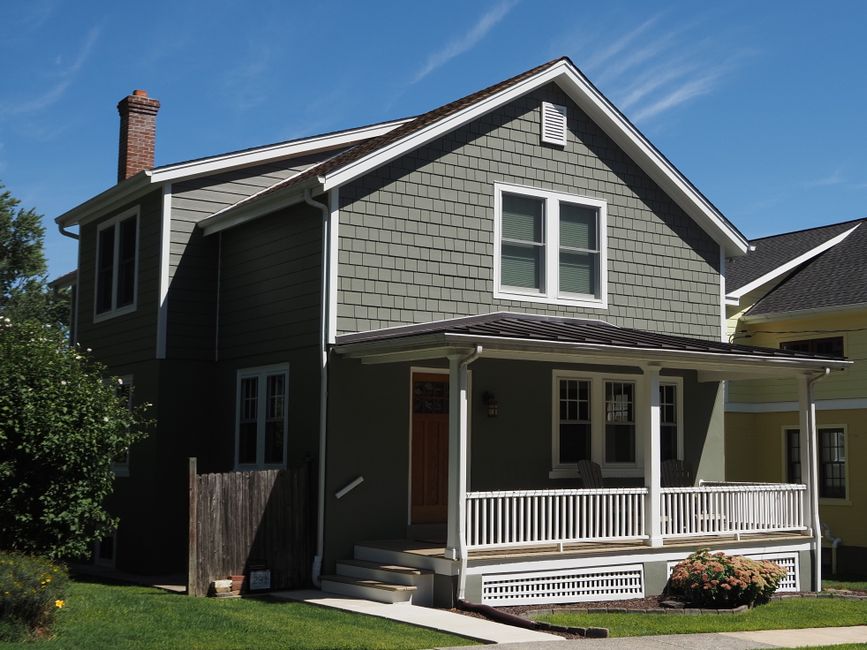
Point Breeze sits south and east, away from the main tourist corridors and the neighborhood circuits that everyone does. It's residential—heavily residential. Tree-lined streets, Victorian and early-20th-century homes, people sitting on porches in summer, a quiet that actually feels intentional.
It's good for retirees, empty-nesters, and families who want space and quiet. There's a main commercial strip that's developing slowly and deliberately—some nice restaurants and bars, but nothing frantic. Mellon Square Park is here, a green space designed by a landscape architect in the 1960s that feels less like a park and more like someone's very sophisticated garden.
The neighborhood has no tourism infrastructure and doesn't particularly want one. It's not unfriendly to visitors, but it's not designed for them. The main reason to come here is if you're actually considering living in Pittsburgh and want to see what a calm, residential neighborhood looks like.
One thing worth knowing: Point Breeze has a complex history. Neighborhoods in Pittsburgh are still working through economic and demographic shifts that have played out over decades. It's worth taking time to understand a neighborhood before deciding it's the right place, and it's worth talking to people who actually live there rather than relying on first impressions.
How to Actually Pick a Neighborhood
After spending time in these neighborhoods, I realized the real decision isn't about which one is best. It's about what you actually need. How much money do you have? How important is walkability? Do you want to be near young people or away from them? Can you handle noise? Do you want restaurants within stumbling distance or are you cooking at home?
Visit in different times of day. Walk the residential streets, not just the main commercial areas. Talk to people at coffee shops and bars. Ask the bartender if they'd actually want to live here, and listen to the answer carefully. Neighborhoods in Pittsburgh move slowly, which means first impressions can be misleading. What seems quiet might actually be peaceful. What seems gritty might actually be vital.
Pittsburgh doesn't try to seduce you. It's not that kind of city. But if you spend enough time walking these streets, talking to people, sitting in bars that don't have specialty cocktails, you'll figure out which neighborhood matches who you actually are rather than who you think you should be.




One Comment