I rolled into Pittsburgh on a gray March afternoon, the kind of day where the city's steel-town reputation feels earned and the Allegheny River looks like liquid graphite. First thing I did was dump my bag at a hotel in the Strip District and walk around without a plan, like you do. Within an hour I'd figured out what most solo travelers discover pretty quickly: Pittsburgh is a manageable city. It's not Miami or New Orleans in terms of street-level risk, and it's not some downtown-dead ghost town either. The real story is more granular—some neighborhoods feel active and watched, others thin out fast after dark, and some blocks shift character depending on what time you roll through.
I've spent time in plenty of cities, and Pittsburgh's got a reputation that doesn't quite match the day-to-day reality on the ground. Yes, certain areas warrant caution, especially late at night. But the broader truth is that solo travelers can absolutely navigate this city safely if you use baseline common sense and respect the rhythms of different neighborhoods. This isn't about fear—it's about being practical.
Downtown and the Cultural District
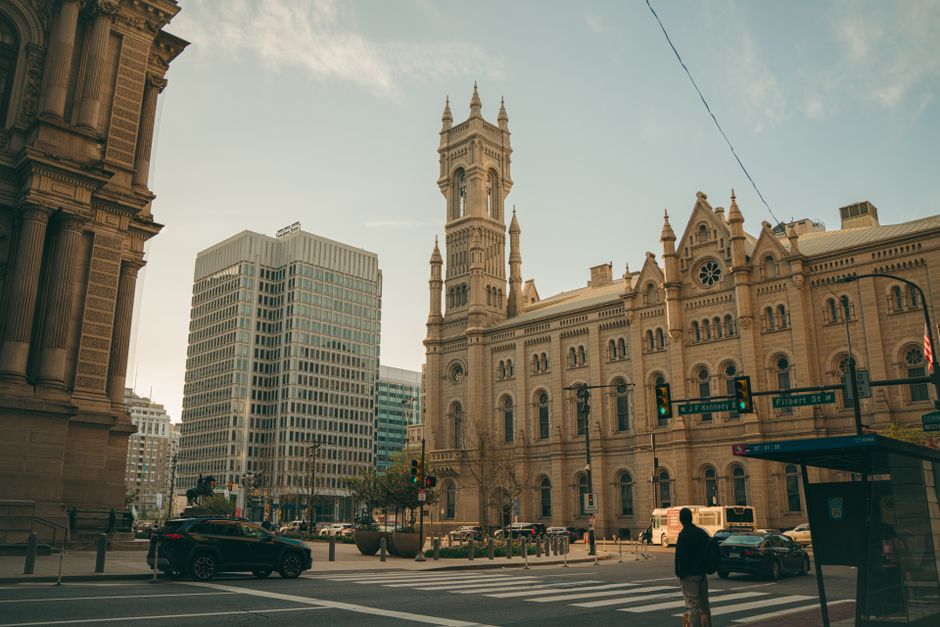
Downtown Pittsburgh—the core blocks between the Strip District, Market Square, and the Golden Triangle office district—is generally well-maintained and well-lit. During business hours and early evenings, especially when there's activity at the theaters or sports events, the streets feel normal and populated. The Cultural District itself, concentrated along Penn Avenue, is where you'll find performance venues, galleries, and foot traffic until late evening on event nights.
That said, once you move beyond the main commercial corridors into some of the residential blocks, density drops and visibility becomes thinner. Streets that are fine at 6 p.m. can feel isolated by 10 p.m. if there's no event activity. Stick to well-lit main routes, use rideshare or the T (the light rail system) late at night rather than walking solo across empty blocks, and be aware of your surroundings during shoulder hours—say, between 9 p.m. and midnight when the theater crowd has headed home but bars are still open. It's not that downtown is unsafe; it's that you're working with typical urban patterns where nighttime foot traffic matters.
East Liberty and Shadyside: Gentrified but Mixed
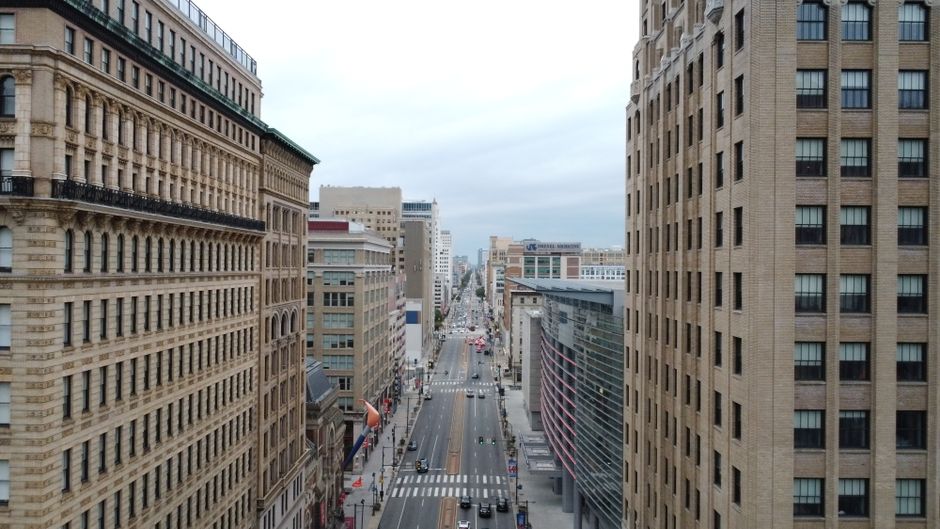
East Liberty has undergone serious redevelopment in the last decade. Whole Foods, boutiques, restaurants, and newer residential development have transformed the main commercial strip around Penn Avenue. During the day and early evening, it's busy, relatively upscale, and feels like anywhere else a young professional might shop or eat. The vibrancy is real.
But East Liberty isn't uniformly developed. Move a block or two north or south from the main retail corridor, and you're in residential areas where foot traffic is lighter and the neighborhood's older character shows through. Solo travelers should feel fine walking the main commercial drag during daylight and evening hours, but late-night solo walks through residential side streets aren't ideal. It's less about active danger and more about the practical reality that when streets are empty, you're more vulnerable to any opportunistic situation. Same logic applies to adjacent Shadyside—very pleasant during the day and early evening, but after dark, use transportation rather than banking on solo foot travel through quieter blocks.
Neighborhoods to Avoid or Use Caution In
A few neighborhoods in Pittsburgh have ongoing challenges that warrant real caution, particularly after dark or for solo travelers unfamiliar with the terrain. The North Shore area, despite being directly across the river from downtown and home to stadiums and museums, can be dicey in certain blocks, especially away from the main stadium corridor. Lower Hill District, East Hills, and parts of Homewood have higher rates of property crime and street-level activity that makes them less suitable for solo wandering, particularly at night.
That's not to say these neighborhoods are no-go zones—plenty of residents live there without incident, and there are specific attractions worth visiting in some of these areas (like the August Wilson African American Cultural Center in the Hill District). But if you're a solo traveler unfamiliar with Pittsburgh, these aren't neighborhoods to randomly explore at night. Ride there for a specific purpose, stay aware, and use transportation back rather than walking. Local residents know the safe pockets and how to move through these areas; solo visitors don't have that social knowledge. It's just practical geography.
Strip District and South Side: Timing Matters
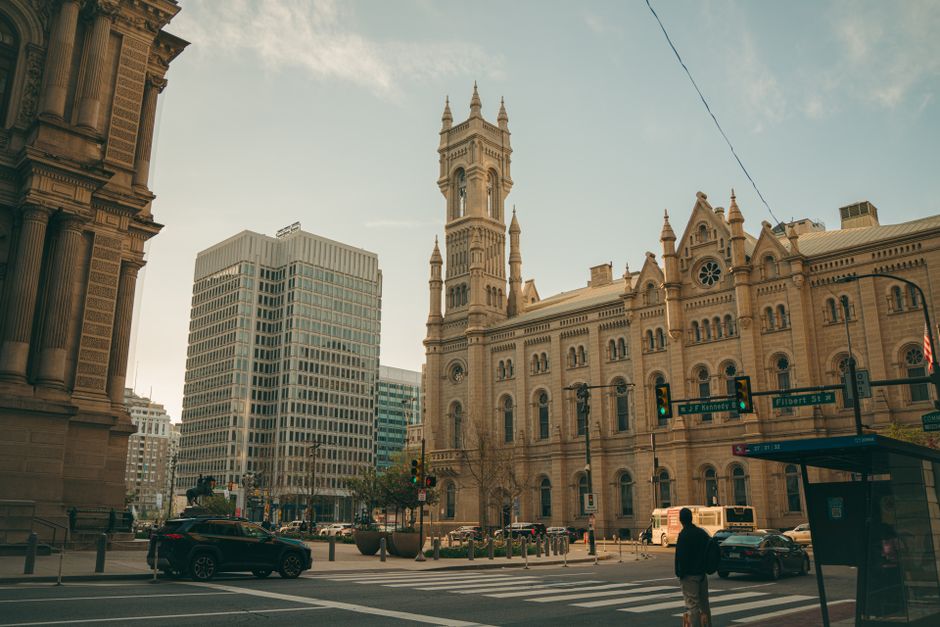
The Strip District, running along Penn Avenue from downtown, is a working neighborhood—produce vendors, wholesale shops, markets, some restaurants and bars. During the day it's genuinely active, a little gritty, full of people moving with purpose. It feels safe and lived-in.
After dark, especially on weeknights, the foot traffic dies. Weekend nights are different—there are bars, some late activity, more eyes on the street. But a solo traveler walking through the Strip at midnight on a Tuesday would be silly. The neighborhood isn't dangerous in any extraordinary sense; it's just that you'd be alone in a place designed for commerce, not nighttime pedestrian strolls. South Side, across the river, has become increasingly trendy with bars and restaurants, and the main strip along East Carson Street is well-populated in evening hours. But venture into the residential blocks, especially as it gets late, and the same principle applies: walk well-lit main routes or use transportation.
Using the T and Rideshare Responsibly
Pittsburgh's T light rail system is extensive and relatively safe during normal operating hours. I used it repeatedly without issue, and solo travelers should feel comfortable using it for transportation between neighborhoods. Like any transit system, certain cars and certain times are better than others—a packed evening commute feels different than an empty car at 11 p.m. If something feels off, move to another car. Generally, though, the T is a reliable way to avoid walking isolated streets at night.
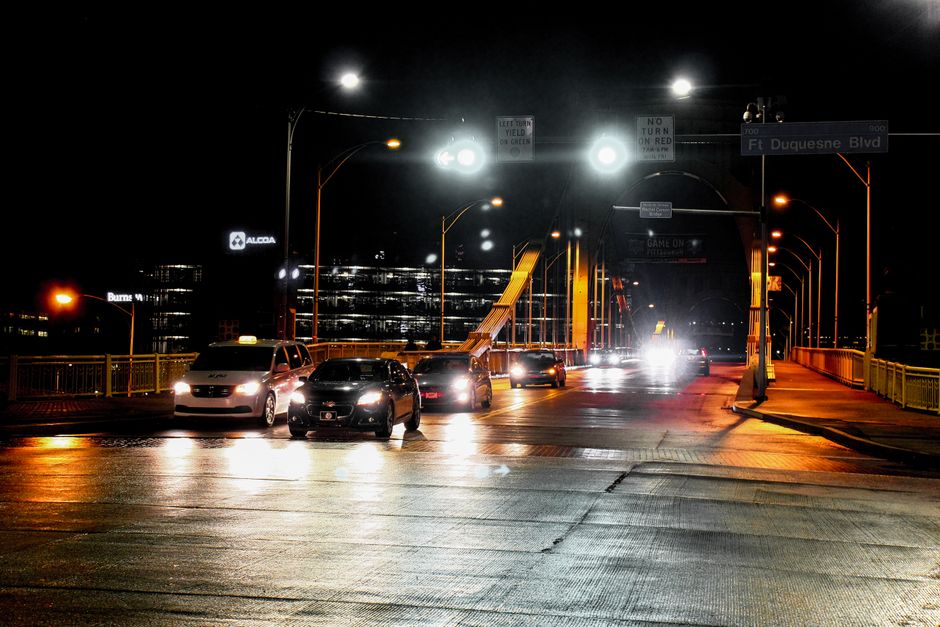
Rideshare (Uber, Lyft) is obviously available throughout the city, and it's a smart default for solo travelers returning to their hotel after dark. Prices aren't outrageous compared to other major cities. If you're going out to dinner or drinks and planning to return late, budget for a ride rather than walking. It's not paranoia; it's just removing an unnecessary variable. The same applies to taxis, which are less common now but still available through hotel concierges.
Practical Precautions and Common Sense
Most of my time in Pittsburgh felt normal and unthreatening, honestly. I walked around neighborhoods during daylight, went to restaurants and bars, used the T, took rideshares when it made sense. The city doesn't feel like a place where you need to be in a constant state of alert. But there are basic precautions that work everywhere: don't display expensive cameras or jewelry, keep your phone in a pocket rather than dangling it, be aware of your surroundings instead of walking with headphones in at full volume, trust your instincts if something feels off.
Avoid walking alone through unfamiliar neighborhoods after dark, especially if they're residential or sparse on foot traffic. If you're going out drinking, plan your transportation home in advance. Tell someone where you're going. Use hotel concierges as a resource—they know the neighborhoods and can give real-time advice on what's walkable and what's not. And understand that Pittsburgh is a city in transition, with neighborhoods changing rapidly. A street that feels safe and lively now might be less populated five blocks away.
The Real Story
Pittsburgh doesn't have a major crime crisis affecting tourist areas in the way some larger cities do. There are neighborhoods with documented challenges, and there are smart practices for navigating any city after dark. But solo travelers shouldn't approach Pittsburgh with anxiety or feel like they need to barricade themselves in a hotel.
The city has real character and worth exploring. Walk around neighborhoods like Lawrenceville, Shadyside, and Squirrel Hill during the day without worry. Use transportation when you're heading into unfamiliar areas late at night. Respect the fact that some neighborhoods are more developed for pedestrian traffic than others. Do that, and you'll have a normal, fine visit. Most people do.