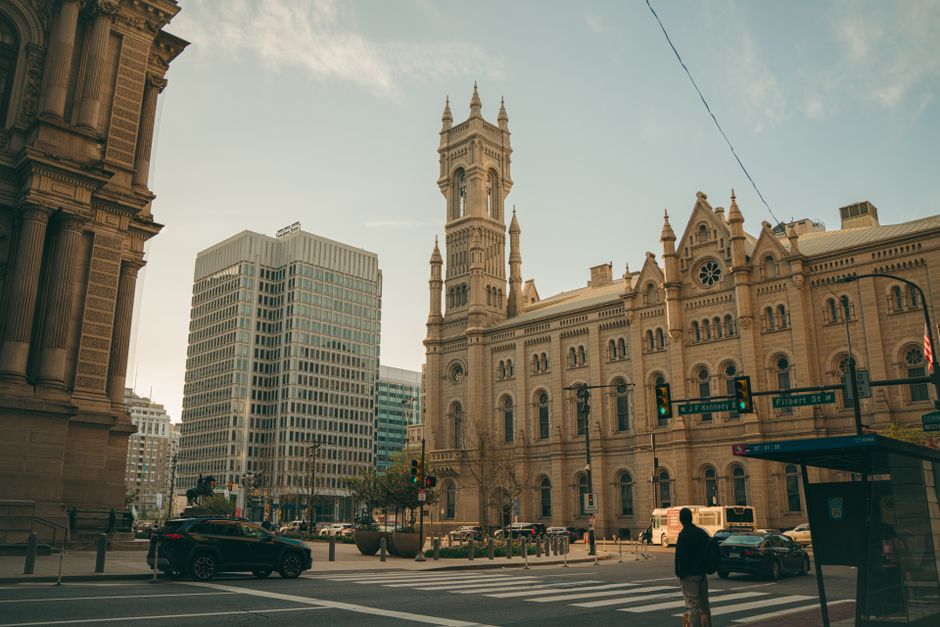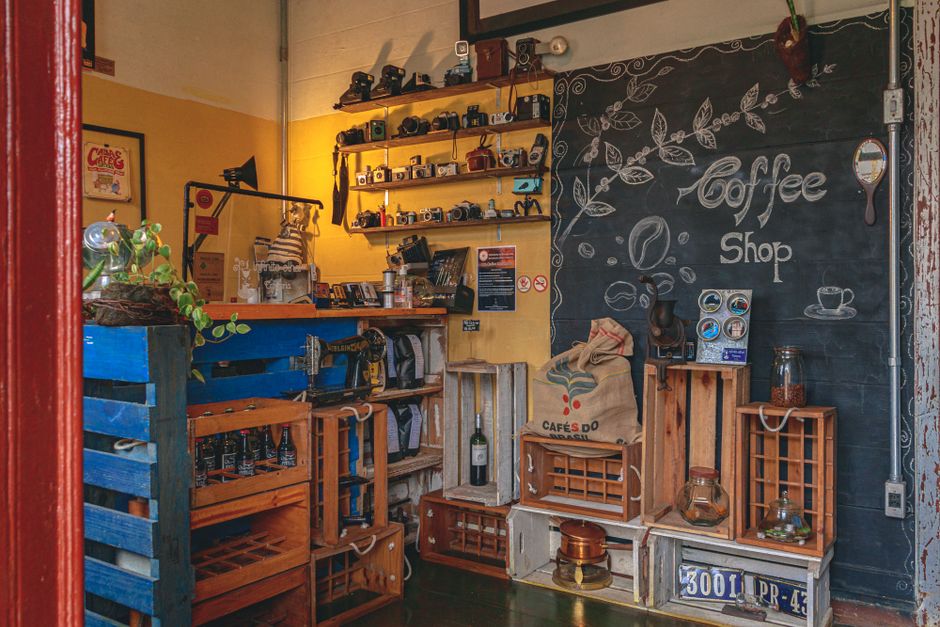
I landed in Pittsburgh on a Tuesday morning with a laptop, two half-empty notebooks, and the kind of restless energy that only a week of solo travel can produce. The city hit me differently than I'd expected—less rust-belt melancholy, more actual momentum. But I wasn't here for the bridges or the sports bars. I was here to find a place to settle in, order something that didn't taste like every other cafe in America, and watch the city move around me while I pretended to work.
Over the next few days, I became a cafe nomad. The kind of person who orders one espresso and camps out for three hours, who notices which baristas remember your name by day two, who can tell you exactly which corner seat has the best light and the fewest glare-related laptop problems. Pittsburgh's cafe scene doesn't get enough credit. It's not Brooklyn. It's not Portland. But that's exactly why it works.
Commonplace Coffee in Lawrenceville
Commonplace occupies a converted row house on Butler Street, which tells you most of what you need to know about Lawrenceville's whole vibe right now. The cafe is the kind of place that feels like it grew organically instead of being designed by committee. High ceilings, big windows, mismatched furniture that somehow works—the usual indie-cafe playbook, sure, but executed with actual restraint.
The wifi is solid and the seating sprawls across multiple rooms, so you can usually find an unguarded outlet or a corner that doesn't feel like you're taking up prime real estate. I watched a woman set up a full photography editing station at one table for a full afternoon, and nobody bothered her. The cold brew here is clean and straightforward, not aggressively trendy. Their pastries rotate but lean toward the competent bakery variety rather than the Instagram-bait category. The neighborhood itself is worth the trip—galleries, vintage shops, the kind of Saturday afternoon energy that makes you remember why you liked cities in the first place.

Caffeine & Cream in Highland Park
This spot sits near the park entrance, and the morning crowd reflects it: a mix of regulars, dog walkers, and people like me who showed up because they had nowhere else to be. The place is smaller than Commonplace, more intimate, with counter seating and a few tables crammed into the available space. If you're looking for sprawl, this isn't your place. But if you want to sit close enough to the espresso machine to watch the actual craft, it works.
Their lattes have a particular texture to them—something about how they steam the milk, I think. Or maybe I'm just tired and willing to believe in small distinctions. The real standout is their rotating selection of breakfast pastries. On my Thursday visit, they had a brown-butter croissant that rewired something in my brain. It's the kind of neighborhood joint that feels like it could disappear tomorrow if the landlord decides to raise rent, which is both part of its charm and its fragility. The wifi password is posted on a small chalkboard, which feels appropriately low-tech.
The Grind House in Shadyside
Shadyside is Pittsburgh's more polished neighborhood—nicer storefronts, higher rent, the kind of place where people are usually moving with actual purpose. The Grind House fits right in, but without the sterile chain-cafe energy you might expect. It's a proper cafe with decent pour-overs, a real pastry case, and enough seating to actually work without feeling like you're squatting.
I spent most of a Friday afternoon here, which says something about both the wifi and the general livability of the space. Lots of natural light, decent music volume—loud enough to feel like a cafe, quiet enough that you can concentrate. The cappuccino is executed with the kind of precision that makes you wonder where they're sourcing their beans. A slice of their lemon cake paired with an americano became my standard order by day two. The neighborhood is full of shops and restaurants, so if you need a break from your laptop, you've got options. It's more comfortable than adventurous, which is exactly what you need when you're trying to actually finish something.

Tremolo Coffee in the Strip District
The Strip District is Pittsburgh's oldest neighborhood, and parts of it still feel like they haven't fully decided what they're becoming. Tremolo sits in this in-between space—close enough to catch some of the neighborhood's developing energy, but far enough away that it doesn't feel like an outrider in gentrification. It's a smaller operation, standing-room and a few stools, the kind of place that prioritizes the actual coffee over the venue experience.
Their espresso is bright and alive. They rotate single-origin beans regularly, and the people behind the counter actually know what they're talking about. No latte-art obsession, just solid preparation. For working purposes, this isn't ideal if you need hours of settling—you'll want to take your coffee and move. But if you're stopping in for an hour, using their wifi to send emails and do focused work, it's perfect. The vibe skews young and caffeinated and purposeful. The neighborhood itself is worth exploring: old storefronts, wholesalers, the kind of place that still feels like it's actually producing something rather than just consuming experiences.
Spoon & Leaf in Squirrel Hill
This is the lesser-known option I promised. Squirrel Hill is Pittsburgh's most diverse neighborhood, and Spoon & Leaf reflects that—a quieter, more intergenerational cafe scene than you'll find in trendier areas. The cafe is bright and genuinely spacious, with the kind of seating arrangement that lets you disappear into a corner without feeling isolated or performative.
The wifi is reliable. The outlets are plentiful. They do a serious pour-over if you're into that, and their chai tea latte is the kind of thing that makes you question why you spent years ordering the same coffee drink everywhere else. The pastry selection is solid but not precious. What strikes you about Spoon & Leaf is that it's not trying to be anything other than a good neighborhood cafe. No industrial-chic aesthetic, no barista-as-artist performance. Just people showing up, working, reading, having conversations. The neighborhood has good bookstores and restaurants nearby, but Spoon & Leaf itself is quiet enough that you can actually concentrate on what you came to do.
Muddy Waters Coffee in Lawrenceville (Again, But Different)
I almost didn't include this one because Commonplace got the Lawrenceville spotlight, but Muddy Waters deserves separate mention. It's farther down Butler Street, less immediately polished, more obviously ramshackle. The kind of place where the furniture actually looks lived-in rather than curated to look lived-in.
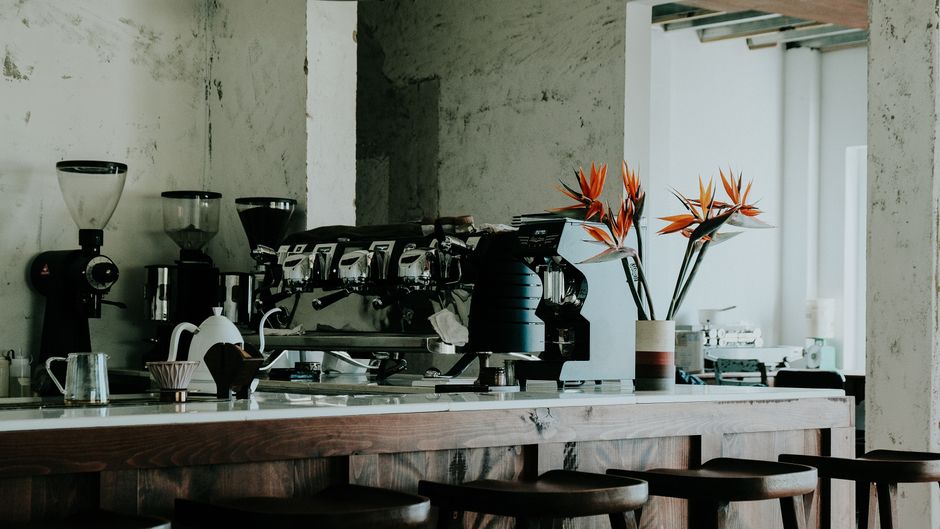
This is where the coffee obsessives actually gather. The people behind the counter take themselves seriously about beans and extraction and all the technical specifics that either fascinate you or bore you to tears depending on your particular neurology. They have wi-fi and seating, and the background music skews toward jazz and things that don't demand your attention. It's darker than Commonplace, feels more like a neighborhood anchor than a destination. Good if you want to work without feeling like you're performing the act of working. The neighborhood around it—the actual residential Lawrenceville, not the commercial strip—has a different rhythm than the busier spots closer to Liberty Avenue.
What Actually Matters
After a week of cafe-hopping, I realized I'd been overthinking it. The best cafe for working, reading, or people-watching isn't really about the specific espresso blend or whether the pastries are handmade. It's about whether you can sit somewhere without feeling rushed, whether the wifi actually works, whether the temperature and noise level let your brain do what you brought it here to do.
Pittsburgh has plenty of places like that. Some are polished and Instagram-ready. Some are deliberately low-key. Most of them are run by people who actually care about coffee and who've figured out that a good cafe is part third place, part temporary home, part stage for watching other people's lives happen in real time. Pick a neighborhood you're curious about. Walk in somewhere that doesn't look hostile. Order something. See if you stay.