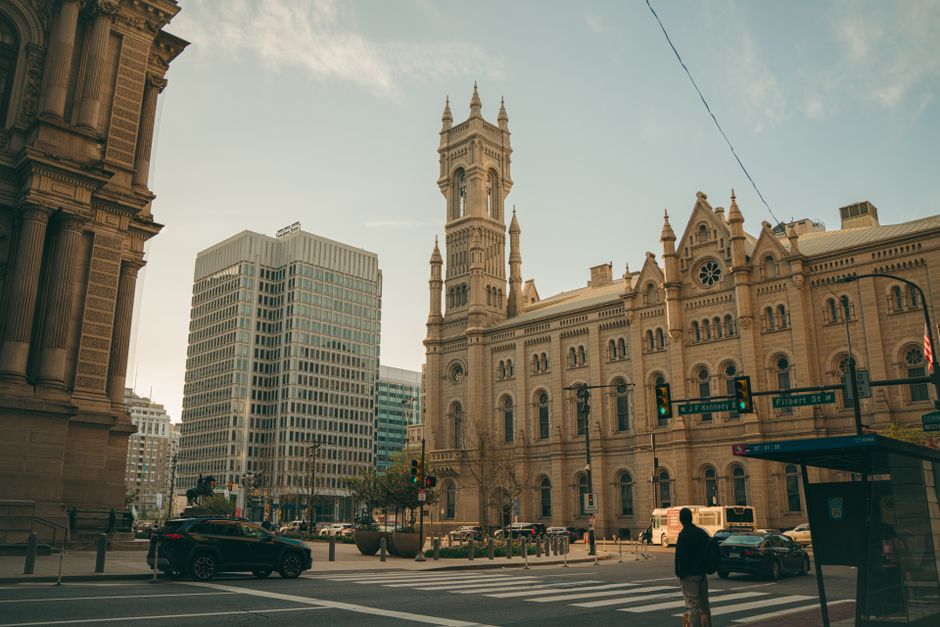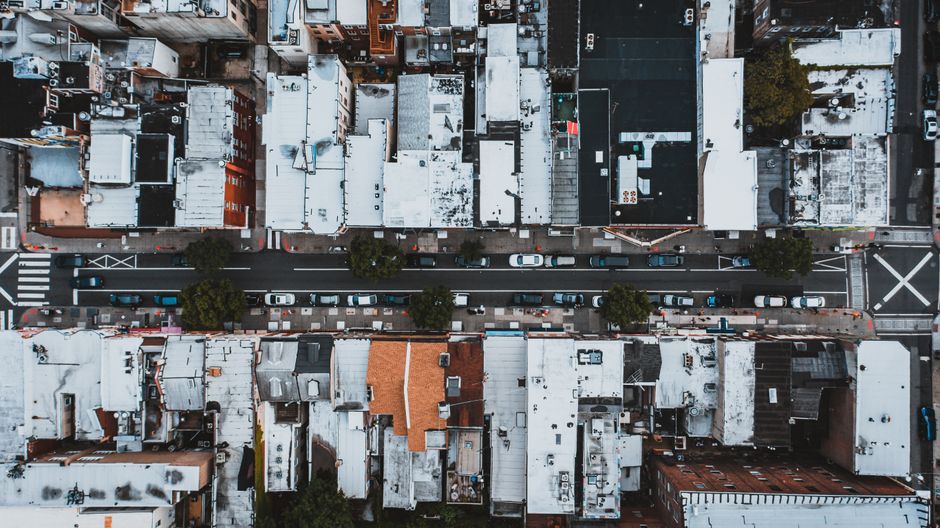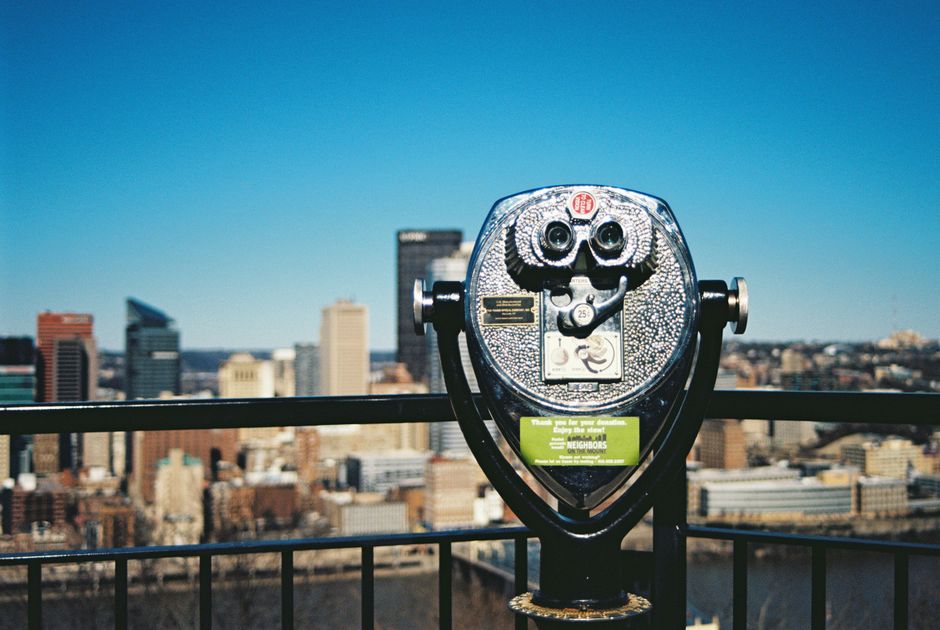
I rolled into Pittsburgh on a gray November afternoon, the kind of weather that makes the Steel City feel like it's settling into itself. Everyone warned me about the usual circuit: the Incline, the Museum of Natural History, maybe catch a game at PNC Park. But after four days of wandering neighborhoods, sitting in dive bars, and talking to people who actually live here, I realized most visitors are working from a script written ten years ago.
This isn't about Pittsburgh being bad—it's genuinely a well-put-together city with real character. The problem is that the famous spots get so much oxygen that travelers miss the actual texture of the place. So here's my honest breakdown: what I think gets overstated, and what actually deserves your time.
The Incline: Still Popular, Still Crowded, Still Just a Cable Car
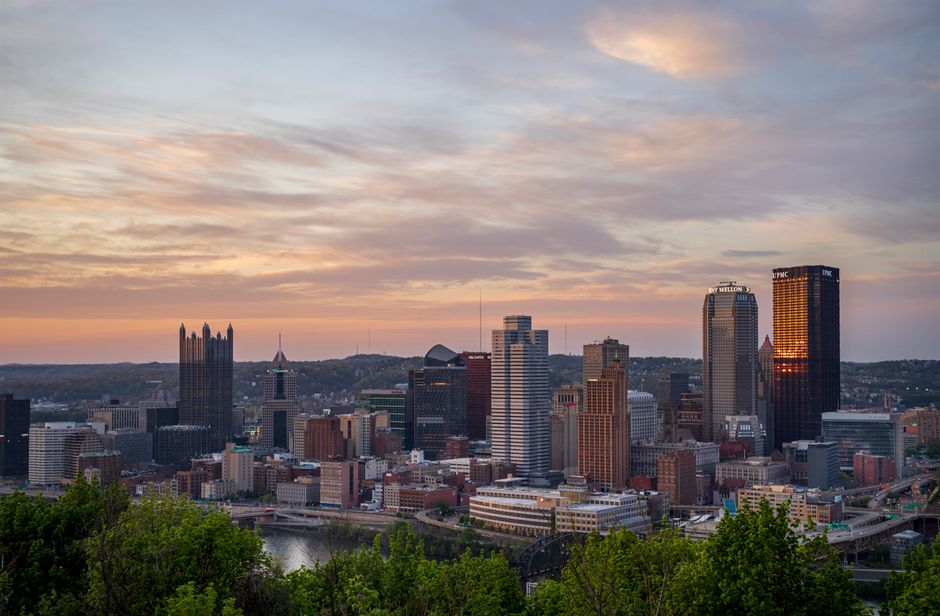
Look, the Duquesne Incline is engineering marvel and the view from the top is real. But it's also $7 to ride up and down, and you're doing this with about two hundred other people who all had the same idea. The vantage point of the city is good, not transcendent. On a clear day it's better. On a typical Pittsburgh day—overcast, hazy—you're basically paying to ride in a box and stare at a brown-gray vista.
The thing that actually gets me is how it's marketed as this essential experience. It's a cable car. A nice one, sure. But the real Pittsburgh views I found happened by accident—walking across the 16th Street Bridge at dusk, sitting on a bench in Schenley Park, standing in Deutschtown looking back at the skyline. Free, less orchestrated, actually peaceful.
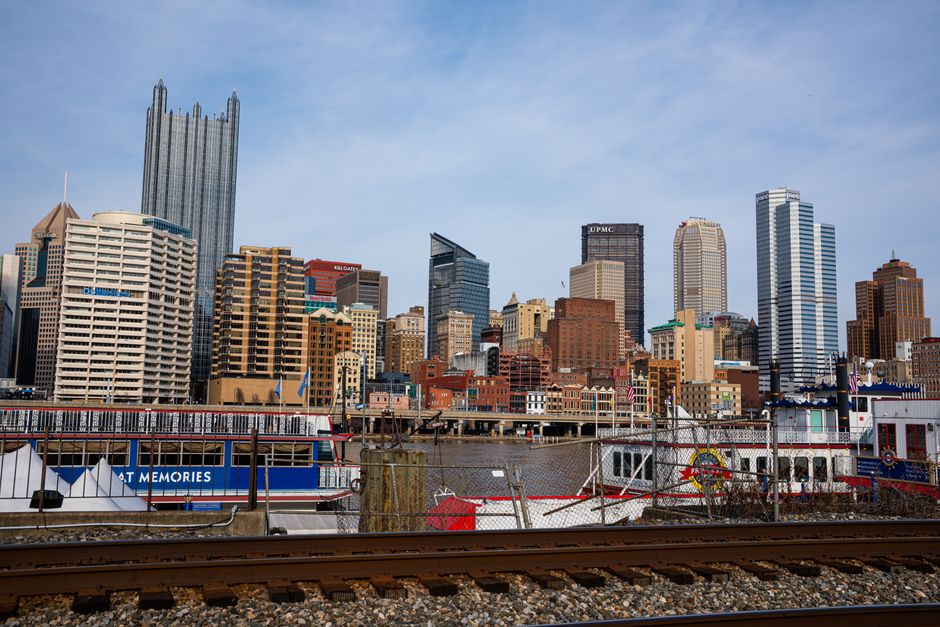
The Strip District: Overstuffed and Trying Too Hard Now
The Strip used to be Pittsburgh's working market—farmers, produce guys, a real economy. There's still some of that fabric left. Wholey's is still functioning. You can buy decent stuff if you know where to look. But it's been discovered, redeveloped, boutiqued. You've got ghost kitchens and Instagram restaurants wedged between the old grocers. The vibe is confused—trying to be both authentic market and trendy destination, landing somewhere in the middle that serves neither well.
If you want the actual market experience, go on a weekday morning, not a Saturday. But frankly, there are better neighborhoods to spend your time.
PNC Park (Yes, Really) and the Hype Around It
I'm going to catch heat for this. PNC Park is beautiful. The design is excellent. The location is smart. But—and this is crucial—it's only truly great if you're actually watching baseball and you're invested in the game. If you're showing up for the Instagram shot of the bridge in the background, you're wasting an afternoon standing in a stadium where nothing interesting is happening.
The other thing: Pirates tickets are cheap because the team isn't very good, and the crowds reflect that. You can get a good spot easily. But if you're not a baseball person, spending three hours watching a middling squad play a middling opponent just because the ballpark photographs well is a particular kind of tourism emptiness. Go if there's a game you actually want to watch. Otherwise, skip it.
The Smithfield Street Bridge and Tiny Camera Shops: Underrated Oddness
This bridge is 1883, steel, a little industrial dinosaur that most people drive over without noticing. But if you walk it—and it's a actual pedestrian option—it feels like time travel. The views of the rivers and the South Shore Works are genuinely eerie and cool. It's got a specific Pittsburgh energy: built by people making things, maintained without flourish, useful and indifferent to whether tourists think it's beautiful.
And then there's the camera shops on Smithfield Street itself. There are still a couple of them, these old-school places that sell film, do repairs, carry serious gear. They're dying, probably, but they're still operating like it's 1995. You'll overhear actual photographers talking shop. It's one of the few places in Pittsburgh that hasn't been rebranded or made quaint. People just work there.
Lawrenceville and the Obligatory Coffee/Art Crawl: What Everyone Says Versus What's Actually There
Lawrenceville has gotten the full millennial-neighborhood treatment. There are good restaurants, galleries, coffee places. But it's also become a checked box—people come here, hit the known spots, and feel like they've found something undiscovered. The actual pulse is different. The neighborhood is genuinely mixed—old families, artists who've been here fifteen years, new money, working guys. If you wander the side streets away from Butler Street, that's where you find it. Eat at the places that don't have a Instagram aesthetic. Talk to people at the bar. That's Lawrenceville.
But honestly, the neighborhood everyone actually sleeps on is Deutschtown, over the 16th Street Bridge. It's older, less finished, genuine. There's a brewery or two, a few places to eat, but it hasn't been packaged yet. Same with Homestead, if you want something a little grittier—real working-class history, slow change, a different pace.
Phipps Conservatory: Quieter Than You'd Think
This actually isn't overstuffed with tourists because it requires admission and parking hassle, but it deserves more traffic. Phipps is a legitimate Victorian conservatory with real plants, real horticulture. The orchid show, if you time it right, is genuinely worth a few hours. The building itself—glass, light, the smell of earth and humidity—is a reprieve from November in Pittsburgh. It's not trendy. It's not photogenic in an Instagram way. But it's substantive, well-maintained, and you might actually be alone in a room for a minute.
Schenley Park as a whole is underrated. People know it exists, but they don't actually spend time there. It's big, it's got trails, it's got architecture, it's got space. It's the park Pittsburgh proper residents use, not tourists.
The Mattress Factory and Other Real Art: Versus Museum Tourism Theater
The Mattress Factory is an artist-run space in the North Shore that does contemporary art installations, usually site-specific and a little strange. It's not shiny. It's not an institution you've heard of. But it's one of the few places in Pittsburgh doing genuinely interesting curatorial work without trying to appeal to everyone. The work is hit-or-miss because it's actually taking risks.
Compare that to the mainstream museums, which are solid but a little safe. I'm not saying skip them—the Carnegie is good, the Natural History side has real stuff. But the energy at Mattress Factory, or at younger galleries around Lawrenceville, is where Pittsburgh's actual art community is working. That feels like a different city than the one the tourism bureau is promoting.
Final Thought: Pittsburgh Works Better as a Real Place Than a Destination
The honest assessment is that Pittsburgh is better when you're not trying to optimize your experience. The famous spots will entertain you adequately. But the actual city—the neighborhoods, the bars where nobody is performing for tourists, the sense that things here were built for function and not for your pleasure—that's what I'll remember. It's a city that doesn't need you to find it beautiful. That's its own kind of appeal.