
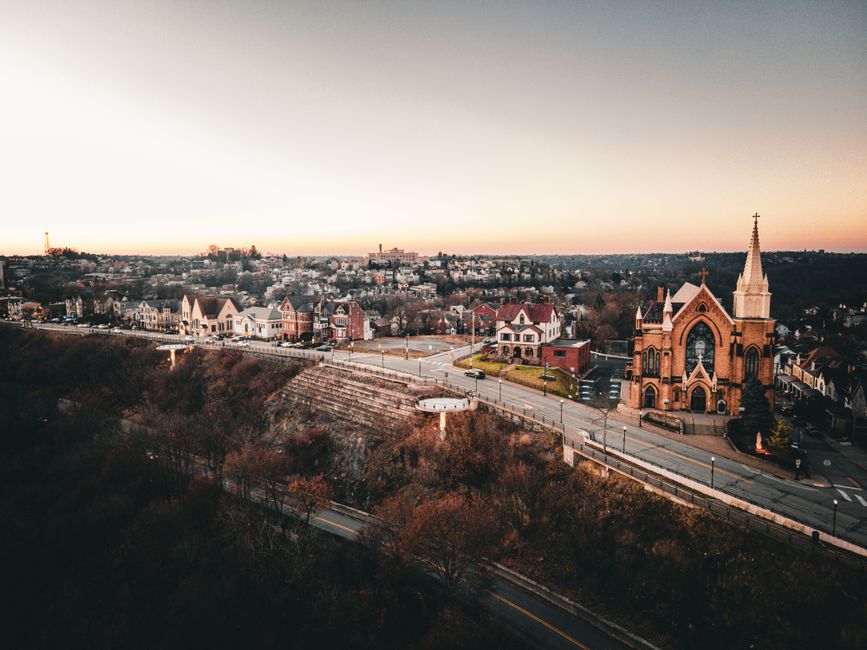
I got off the bus at the downtown terminal on a gray Tuesday and immediately understood why people keep moving here instead of leaving. The light bounces off the rivers in ways that make the old steel buildings look almost noble. I'd heard the usual startup-hub talk, the affordable housing pitch, the "it's the next Brooklyn" nonsense. But walking through neighborhoods over the next few weeks, I found something more honest: places that actually feel inhabited, where people have reasons beyond a Instagram caption to plant roots.
The city's geography helps. Three rivers carve it into distinct pockets. You're not getting the same strip-mall sprawl. Each neighborhood has its own weight, its own set of reasons to move there or visit. Some are engineered for families. Others suit people who want to walk to dinner at 10 p.m. A few are still working through gentrification in ways that feel complicated and worth paying attention to. Here's what I found.
Lawrenceville: Where Everyone Under 35 Wants to Live
Lawrenceville has the energy. You'll see it in the murals turning warehouse walls into actual art, not the kind that looks like a corporate brainstorm. The neighborhood sits about ten minutes from downtown but feels separate enough to have its own identity. Butler Street runs through it like a spine, packed with galleries, vintage shops, restaurants that change hands but maintain a certain ambitious scrappiness.
It suits young professionals and anyone who likes being around other creative people without needing it announced. There's a reason the rent climbed here—the neighborhood genuinely improved, attracted decent bars and restaurants that aren't franchises. The flip side is that it's become noticeable enough that some of the original weird-in-a-good-way character is being smoothed over. Still, if you're new to Pittsburgh and work downtown or at one of the universities, this is a logical landing spot. The nightlife is real. The grocery stores are good. You're a fifteen-minute walk from the Allegheny Commons park.
The streets can feel tight and parking is theater. But most residents don't seem to care, which tells you something about the tradeoff they've made.
The Strip District: Loud, Ethnic, Cheap, and Functional
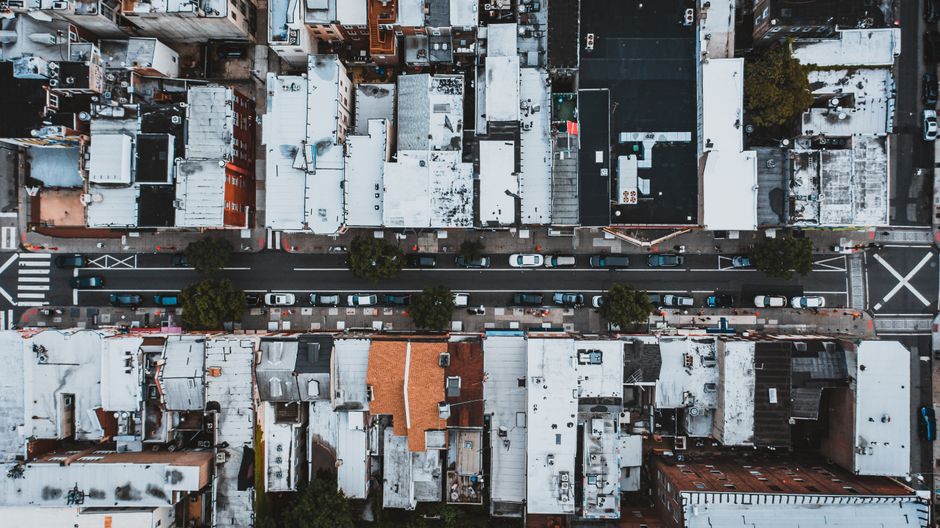
The Strip District earned its character the hard way—through decades of working. It's still the wholesale produce and fish market center for the whole region. On a Saturday morning, the whole neighborhood smells like fresh mushrooms and Eastern European bread. Vendors sell to restaurants and home cooks alike. The prices are honest because the volume is real.
This neighborhood works for visitors who want to eat well without spending money, and for residents who value practicality over aesthetics. The restaurants here are mostly family-run. You'll find authentic ethnic food—Russian, Chinese, Italian—at prices that would seem impossible anywhere else in the country. The Historic City Market House sits in the middle of it all, looking weathered but purposeful.
It's not a destination for quiet evenings or Saturday brunch culture. The streets are industrial, sometimes grimy. The foot traffic is working-class. But that's exactly why it matters. If you're the kind of person who gets excited about finding real groceries at real prices, who wants to live somewhere actual life is happening rather than curated life, the Strip makes sense. You'll hear the accent of the city before you hear its marketing pitch.
Point Breeze: For Families Who Want Walkability and Space
Point Breeze is the neighborhood where young families and empty-nesters figure out that Pittsburgh is actually affordable. It sits east of downtown, tree-lined, with blocks of restored Victorian and turn-of-the-century homes that cost what a modest apartment goes for in Boston or Philadelphia. The schools feed into a district that's solid and improving. Parks are within walking distance. Walnut Street has restaurants and coffee shops without the frantic energy of Lawrenceville.
Visitors staying with friends here get a real Pittsburgh experience—the old residential bones of the city, the way neighborhoods actually feel like neighborhoods. Families are drawn to the space-to-cost ratio. You can buy a three-bedroom house with a yard for less than you'd pay for a one-bedroom in a coastal city. The neighborhood still has rough edges, parts that are less polished than others, but that seems to anchor the appeal. It feels genuine.
The downside is that you're more dependent on a car for some things, though less than you'd expect. The neighborhood is still becoming what it will be—gentrification is happening, but slowly enough that longtime residents haven't all been priced out. It's worth paying attention to if stability and space matter to you.
Shadyside: The Obvious Choice for Money and Convenience
Shadyside is what happens when you build a neighborhood deliberately for people with disposable income. Walnut Street is lined with boutiques and restaurants with waitlists. The tree coverage is thick. The streets are wide. Houses here are expensive by Pittsburgh standards—sometimes genuinely expensive—and that acts as a filter.
Visitors get shuttled here by friends who live in nice apartments and want to show off. New residents with corporate jobs or inheritance money land here. It's not a bad choice. The neighborhood is genuinely pleasant, safe, and convenient. The shopping is real. The restaurants are thoughtful. You're a bus ride from downtown.
But it's also the neighborhood most likely to feel like it could be anywhere. The edges have been smoothed. The quirks have been monetized and packaged. If you're coming to Pittsburgh to experience something distinct, Shadyside is the part of the city that looks most like the parts you've already seen. That's fine if convenience matters most. Just know what you're getting.
The North Shore: Tourists and Cultural Institutions
The North Shore is where Pittsburgh puts its monuments. The Heinz History Center. The Andy Warhol Museum. PNC Park, which genuinely might be the best baseball stadium in America. The neighborhood exists partly as a cultural destination, which means it's polished and relatively sterile during the day, then comes alive when there's a game.
Visitors spend time here. It's required and worth it. The river walk along the North Shore is genuinely nice—you get views of the city skyline that make sense of why people chose to build here in the first place. The museums are substantial. The stadium is beautiful in ways that matter even if you don't care about baseball.
As a place to live, it's different. Real residents exist here, but the neighborhood still reads as provisional, as a place designed for traffic patterns rather than rootedness. The apartments are modern and expensive. You're paying for proximity to attractions. It works for someone who travels for work, values convenience, and doesn't need deep community connections. For everyone else, it's a place to visit repeatedly, not necessarily to stay.
Squirrel Hill: Quiet, Established, Overlooked
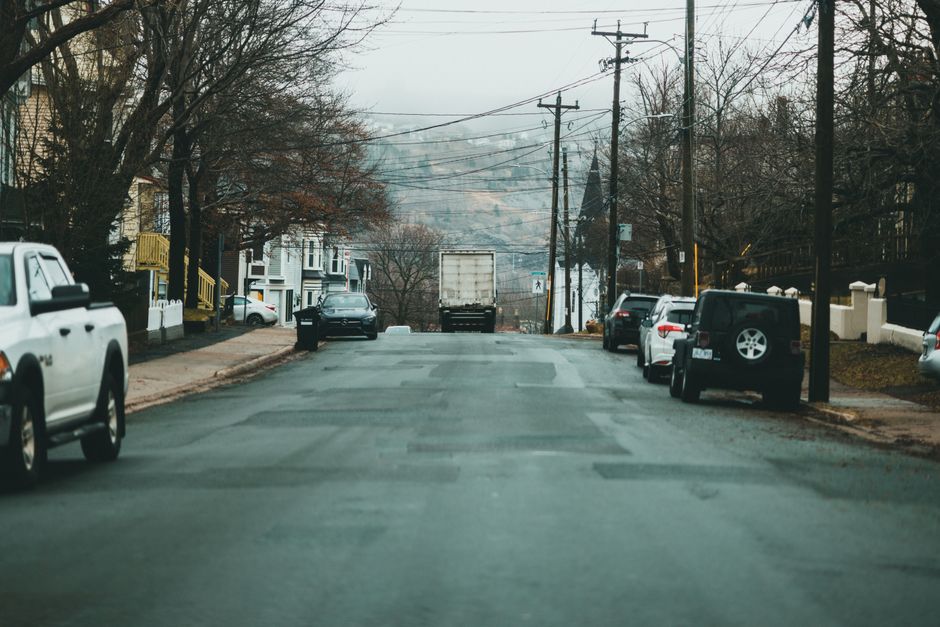
Squirrel Hill is the neighborhood people forget about, which is part of why it remains livable. It's residential in the way most of the city used to be. A lot of longtime residents, a significant Jewish community with deep roots, tree-lined streets, schools that work. Forbes Avenue runs through it with actual local businesses.
It suits people who want to be in Pittsburgh but don't need to be in the scene. Families, retirees, professionals who have already built their social life and don't need their neighborhood to provide it. The neighborhood is genuinely affordable. The parks are quiet. There's a real sense that people chose to stay rather than being trapped.
The trade-off is that nightlife is minimal and the restaurant scene is functional rather than exciting. You're not walking to dinner at midnight. But if you're the kind of person who thinks that sounds good, Squirrel Hill makes a lot of sense. It's the Pittsburgh that still exists behind all the hype about the Pittsburgh that's becoming something else.
Why Pittsburgh Neighborhoods Matter More Than Others
Most cities have neighborhoods. Pittsburgh's feel different because the city's geography forces them to be genuinely distinct. You can't blur them together. Each pocket has its own economy, its own history, its own reason to exist. The Strip District doesn't look like Shadyside. Lawrenceville doesn't feel like Squirrel Hill.
That matters if you're deciding where to spend time or where to live. You're not just choosing a price point or a vibe. You're choosing whether you want to be seen or left alone, whether you need nightlife or parks, whether you're building something new or settling into something established. The neighborhoods will answer those questions honestly, which is more than most cities manage.



