I landed in Pittsburgh on a gray November afternoon with a half-full laptop battery and a vague sense that this city had more going on than the quick visits usually let you see. Spent the first week bouncing between coffee shops—partly out of necessity, partly because good cafes tell you more about a place than any guidebook. Pittsburgh's cafe scene isn't trying to be Brooklyn or Portland. It's quieter, less performed, and honestly better for actual work.
The thing about Pittsburgh is that neighborhoods still feel like neighborhoods. A cafe in Lawrenceville hits different than one in Shadyside, and the people sitting around you reflect that. I wanted spots where you could actually camp out with a laptop without someone eyeing your table, where the staff knew regulars by name, and where the coffee or pastry gave you a reason to come back beyond just the chairs.
Commonplace, Lawrenceville
Commonplace sits on Butler Street in Lawrenceville, in the thick of the neighborhood's ongoing renovation. It's the kind of place that gets packed around 9 a.m. with people who aren't pretending to work—actual freelancers, students, people with legitimate reasons to be on their laptops. The front windows face the street and the foot traffic is consistent enough that people-watching doesn't feel like a waste of time.
Wifi is solid. Seating is tight but available if you arrive before the mid-morning rush. They've got good espresso drinks and the pastries rotate, but the croissants are dependable—flaky, properly laminated, not oversized. The space has a utilitarian feel that works in its favor. No forced coziness, no Edison bulbs doing aesthetic overtime. Just a functioning cafe where creative people show up to do work.

Cuppa Coffee in Squirrel Hill
Squirrel Hill's Cuppa Coffee is a quieter animal altogether. It's the kind of neighborhood spot where you see the same faces, and the regulars have a gentle territorial sense about certain corners. The cafe is small—maybe seven or eight tables—which sounds limiting until you realize it means there's rarely a time when it feels chaotic.
They do a solid pour-over and the bagels come from a real bagel shop rather than being some hybrid pastry. The laptops are welcomed but it's more of a "three hours of focused work" place than a "camp here all day" setup, partly because space, partly because the vibe isn't really built for that. It's in a neighborhood worth exploring anyway. Murray Avenue has decent food, used bookstores, and a feel that suggests people actually live here rather than perform living.
Espresso a Mano, Strip District
This one is small, genuinely small, but if you can snag a table—or even bar seating along the counter—the espresso is worth the logistical puzzle. The owner knows shots the way some people know wine. Not pretentious about it, just competent and consistent. It's in the Strip District, which means you're surrounded by produce stands, butchers, and the kind of food infrastructure that's increasingly rare in American cities.
Wifi works but the real draw is the coffee itself. I wouldn't set up camp here for eight hours, but for two focused hours before heading elsewhere, it's ideal. The neighborhood energy outside is strong enough that you're not bored when you're not typing. Go for the espresso drinks. The pastry case is modest—they've outsourced that to other people who do it better, which is honest.

Dripline Coffee, Highland Park
Dripline is the easier recommendation if you need full-day laptop hours. Bigger space, tables that won't force your elbows into your ribs, and wifi that doesn't require you to refresh every fifteen minutes. It's in Highland Park, a neighborhood that's quieter than the immediate central areas but not remote. Close enough to walk to other things if you need a break.
The coffee is solid if unremarkable—a competent third-wave operation without the gatekeeping. They do good cinnamon rolls and have a couple of different drink menus running depending on what you're after. The crowd is mixed: remote workers, parents with kids, people meeting friends. It doesn't have the scrappy energy of some other spots, but for pure functionality—if you need to be somewhere with good wifi, edible food, and no one will bother you for six hours—this works. It's popular enough that you'll have company without feeling lonely, but not so packed that you'll contemplate leaving.
Whitty's Coffee, Shadyside
Shadyside is Pittsburgh's most obvious neighborhood if you want upscale coffee, and Whitty's is the place that doesn't feel like it's performing upscale-ness. It's a corner location with good natural light, a solid espresso program, and the kind of crowd that actually seems happy to be there rather than present for the Instagram potential. Seating is adequate and the vibe skews toward people with actual appointments rather than perpetual campers.
They source beans from local and regional roasters and rotate them with some regularity. The breakfast sandwich is standard but well-executed. Wifi is good and there's enough ambient noise that you're not working in an eerie silence. Shadyside is also the easiest neighborhood to wander around afterward—there's shopping, food, enough foot traffic that an afternoon break doesn't feel isolating.
Brew Gentlemen, Braddock
This is the lesser-known outlier. Braddock is an old steel town about twenty minutes from downtown—not somewhere most visitors venture. Brew Gentlemen is a microroastery and cafe that's taken root in a neighborhood that's slowly finding its footing after decades of postindustrial struggle. Walking in feels like stepping into someone's serious hobby project that accidentally became a real business.
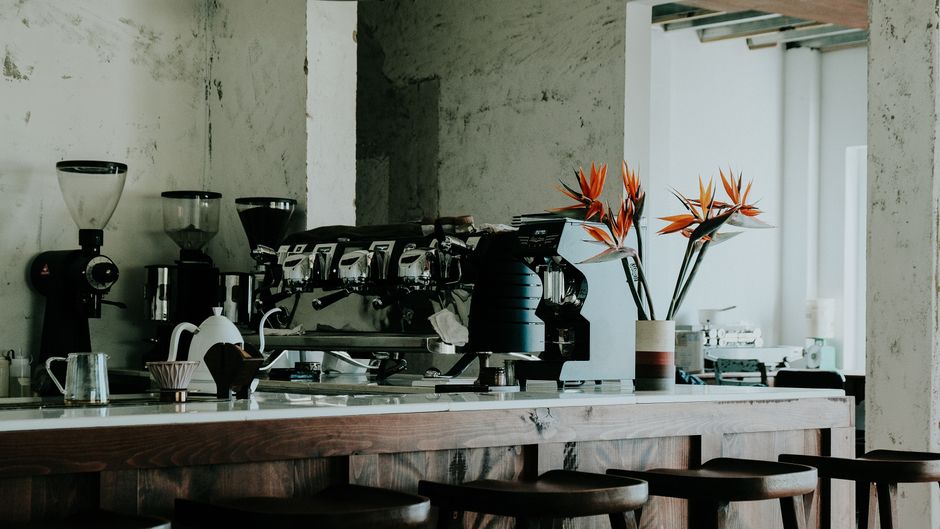
The coffee is genuinely thoughtful. They roast their own beans and the staff can tell you what they're doing and why. The space has that raw-bones industrial feel—exposed brick, big windows, minimal decoration. It's not styled, which is refreshing. There's good seating, the wifi works, and you'll be one of maybe four people there on a random Wednesday. Braddock itself is worth the trip: cheaper than central neighborhoods, has working galleries, restaurants that are actually trying things, and a strange hopeful energy that's more interesting than anywhere performing transformation. If you want to understand Pittsburgh beyond the obvious, this is the direction to go.
A Few Practical Notes
Hours and wifi reliability change—call ahead if you're depending on a specific location for a specific reason. Most of these places are friendliest between 7 and 11 a.m., and a few get quieter again in the mid-afternoon if you're looking for focused work time. Cash is still useful in Pittsburgh cafes in a way it isn't everywhere. A couple places are cash-only.
The coffee culture here isn't trying to outdo itself or anyone else. It's functional and good without the anxiety. You'll overhear real conversations—about work, about the city, about why someone moved here or stayed. That's part of the draw. These are places where people actually go to do things, not just to be seen doing things.