I rolled into Pittsburgh on a gray morning last fall with my laptop and too much coffee already in my system. I'd heard good things about the food scene, but what I really needed was a cafe where I could sit for three hours without feeling like a vagrant. What I found over the next few weeks surprised me: Pittsburgh's got a cafe culture that doesn't feel performative or designed for Instagram. These places actually want people to linger.
The city's neighborhoods each have their own rhythm, and the cafes reflect that. Shadyside has the polished spots. Lawrenceville has the scrappy, interesting ones. Strip District has weird energy mixed with old-school Pittsburgh grit. I spent enough time in enough of them to know which ones are actually worth your time, and which ones look nice but fall apart after an hour when the espresso machine acts up.
Commonplace Coffee (Lawrenceville)
If you're going to work in Pittsburgh, you'll probably end up here. Commonplace is the kind of place that feels lived-in without feeling dirty—exposed brick, high ceilings, the smell of actual espresso. The wifi is reliable, the outlets work, and people clearly spend whole days here without anyone making them feel unwelcome.
The coffee is genuinely good. I'm not going to pretend I have a palate refined enough to describe the notes, but it tastes like someone cared about what went into the cup. Their pastries rotate, but the croissants and almond croissants tend to be solid—the lamination is actually right, which sounds basic but you'd be surprised. Lawrenceville itself has gentrified hard over the past decade, but Commonplace somehow doesn't feel like it's performing that gentrification; it just exists as a good cafe in a neighborhood that happens to have money now.

Constellation Coffee (Shadyside)
Shadyside is Pittsburgh's attempt at being a real neighborhood, and Constellation is where Shadyside goes to pretend it's bohemian. It's a sleeker operation than Commonplace—better designed, more expensive, the kind of place you'd expect to see in a better-funded version of a city. But it works. The seating is plentiful and varied, there are actual tables big enough for multiple laptops, and they seem to genuinely want people working here rather than just buying one coffee and leaving.
Their house pastries come from a local baker, and the selection changes enough that you won't get bored. The cortado is where you'll notice the attention to detail—it's the kind of drink that reveals whether an espresso place is actually thinking about craft or just selling caffeine. The neighborhood outside is pleasant if you need air; Shadyside's got galleries and vintage shops if you need to procrastinate productively.
Remedy Coffee (Strip District)
The Strip District is Pittsburgh's old working neighborhood, increasingly surrounded by development but still weird enough to feel real. Remedy Coffee sits in that awkward middle ground—it's nicer than what the area used to have, but it hasn't fully gentrified the space. The vibe is deliberately casual, almost defiant about not being precious. You'll see contractors, artists, and people genuinely using it as a meeting space, not just a backdrop.
The seating is tight but honest; you won't have a huge table to sprawl across, but the place is so busy that you don't feel like you're taking up space. Their espresso drinks are solid without being fussy. The pastries are decent but not the main event here—the main event is the coffee and the specific energy of the Strip District, which is one of the few places in Pittsburgh that still feels like it has actual stakes. WiFi is fine, not blazing fast, but good enough for email and writing.

Butler Brews (East Liberty)
East Liberty is Pittsburgh's new money neighborhood, all renovated storefronts and restaurants that charge prices that would've been unthinkable here five years ago. Butler Brews caught the wave early and does what a cafe in that kind of neighborhood should do—it's comfortable enough to work in, nice enough to impress someone, and doesn't make you feel like you need to be performing wealth just by sitting there.
The coffee is good. The pastries are excellent, especially their morning baked goods which actually sell out most days. They've got enough seating to accommodate people who are working, and the wifi password is on the menu without any weird conditions. The neighborhood itself is worth walking around in if you finish early; it's changed so much that even locals get disoriented, but it's undeniably pleasant in a carefully curated way.
Spoon Cafe (Squirrel Hill)
Spoon Cafe is the kind of place that locals know and visitors miss, which is probably how the people who go there prefer it. Squirrel Hill is a neighborhood in transition—old Jewish neighborhood mixed with young professionals mixed with families who've been there forever. Spoon sits in that blend without trying too hard to be anything other than a cafe in a real neighborhood.
It's smaller than the other places on this list, which means it fills up and you might not get a table during peak hours. But when you do get in, you're in a space that feels genuinely lived in—not designed to feel lived in, but actually lived in by the people who work there and the regulars who've been coming for years. The coffee is straightforward and good. The pastries are hit or miss depending on what's been baked that morning. WiFi works. It's the least polished spot I'm recommending, which is exactly why it's worth knowing about.
Colectivo Coffee (Downtown)
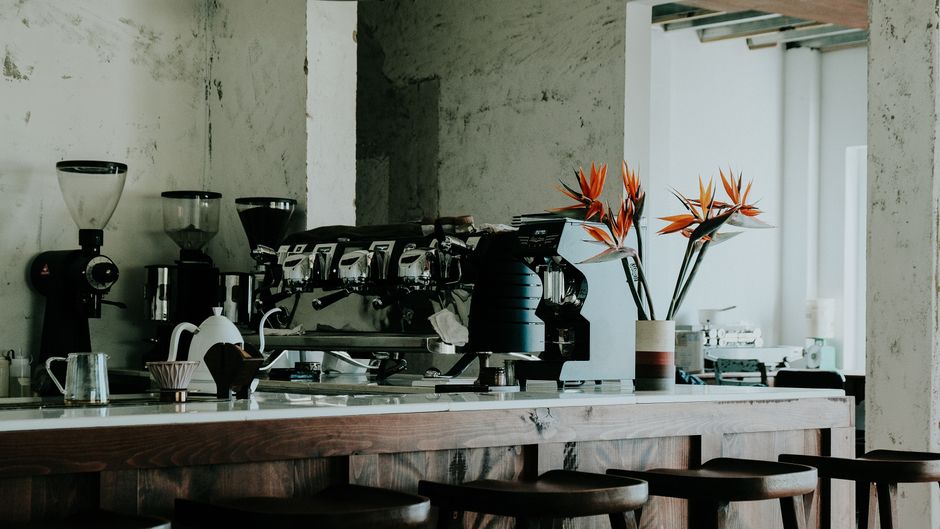
Colectivo is a Milwaukee-based chain, which might make you think it's generic. It's not, at least not here. Their Downtown location is in a building that's part of Pittsburgh's ongoing effort to make the core of the city worth existing in again, and Colectivo is the kind of anchor tenant that actually makes that work. The space is deliberately light and open, lots of glass, good natural light. People are working here, but it also has the feeling of a place where stuff is happening—meetings, conversations, the actual hum of a neighborhood remaking itself.
Their coffee is very solid, their pastries rotate regularly and come from reputable local bakeries, and the whole operation has the kind of efficiency that you notice when you're trying to work. The seating situation is good—not intimate, but spacious and organized in a way that makes you feel like you're part of something larger rather than just occupying a cafe chair. Downtown Pittsburgh is actively rough around the edges in some directions and aggressively renovated in others, so Colectivo sits in that strange middle ground where both versions of the city are visible from the cafe window.
General Thoughts on Pittsburgh Cafes
Pittsburgh's cafe scene isn't trying to be something it's not. These places aren't Instagram-bait. They're not positioned as "third spaces"—they just function as third spaces because they're good at what they do. The coffee is legitimately good at every place listed here; none of them are coasting on neighborhood hype or designer aesthetics. The wifi works. The seating accommodates people who are actually planning to stay for a while.
The other thing worth noting: Pittsburgh's still affordable enough that you can sit in a cafe for four hours on a fifteen-dollar purchase without feeling like you're subsidizing a landlord's retirement. That's not true everywhere anymore, and it matters. It means these places can afford to let people work, read, watch other people, or just exist without constant pressure to optimize every square inch for throughput.
If I'm coming back to Pittsburgh next month, these are the places I'm heading to first.