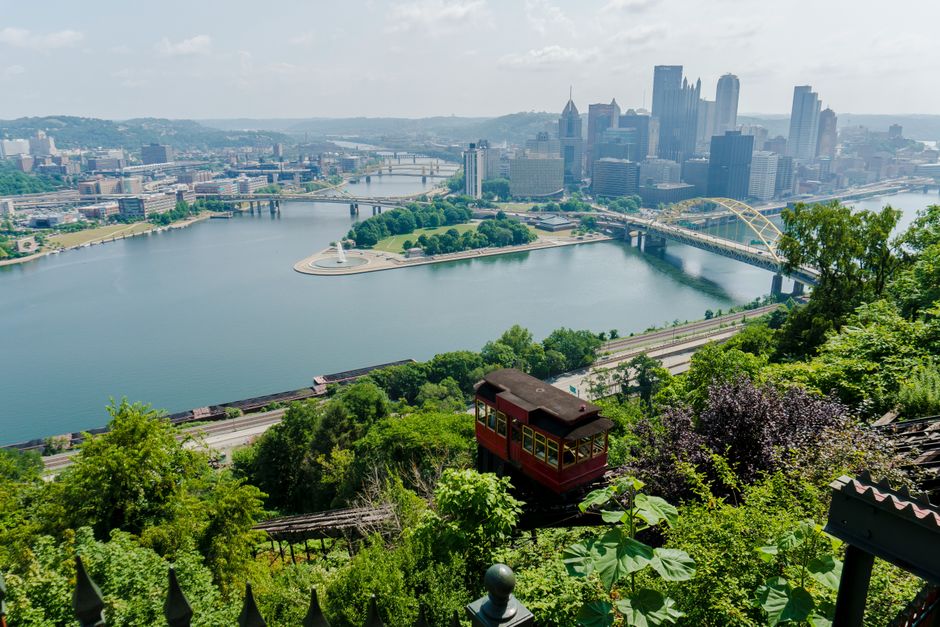
I showed up in Pittsburgh on a gray October afternoon expecting the standard river-and-bridges narrative. Don't get me wrong—the Strip District has energy, and the Incline is a legitimate experience. But I'd come to a city with enough geography and neighborhood character that I figured the real payoff had to be somewhere off the usual tourist map.
Turns out, you don't have to work that hard to find it. Pittsburgh's best-kept spots aren't remote or precious. They're just places where locals actually spend time instead of where the promotional boards point you.
Schenley Park's Quiet East End
Everyone knows Schenley Park exists. Most visitors never really explore it. They hit the main entrance near the museums, walk the obvious loop, and call it done. The park's east side—accessible from the Schenley Plaza area or via Panther Hollow Road—is where the whole place opens up into something less choreographed.
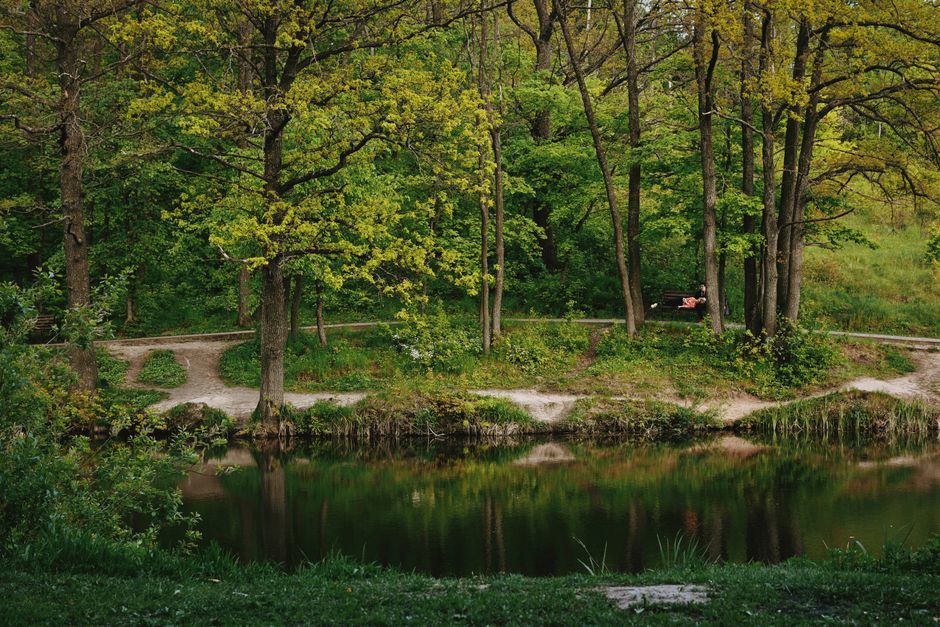
There's a reservoir that catches light in a way that makes the surrounding woods feel removed from the city, even though you're still technically in Oakland. The meadows are genuine. I watched a group of students studying on the grass on a weekday morning with the kind of genuine peace you rarely see in urban parks. The paths are less polished than what you'd find closer to the museums, which means fewer people treating it like a checkbox on a walking tour.
The Sixteenth Street Bridge at Dusk
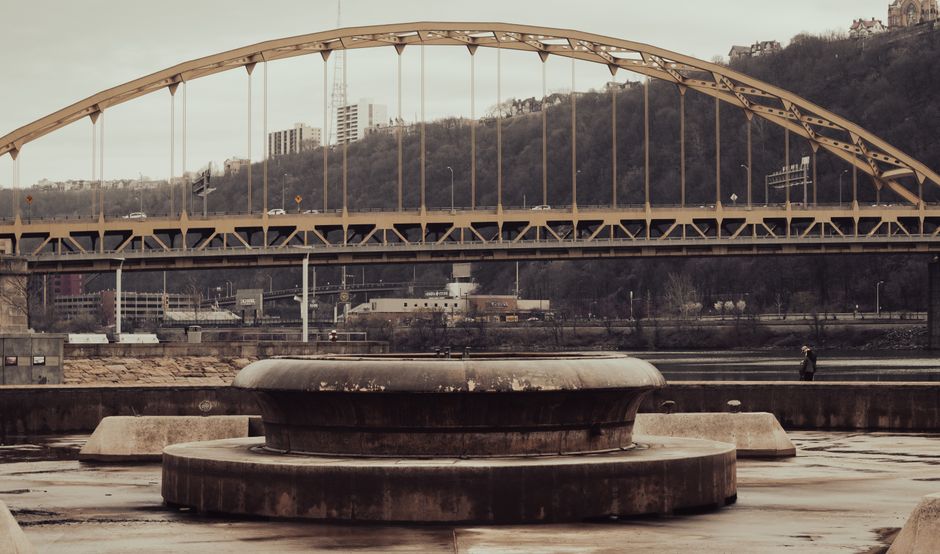
This one lives in that strange territory where locals know it well but tourists almost never gravitate toward it. It's a 1923 steel bridge connecting Pittsburgh's North Shore to the Strip District, and the view from the middle—looking east toward the Liberty Bridge and downtown—is genuinely arresting without being postcard-obvious.
I went there on a weeknight around 5 p.m. Maybe a dozen other people were around, spread across the pedestrian walkway. The light was soft, the city was catching that moment before the buildings lit up for evening. There's a kind of quietness that happens on a lesser-known bridge that you won't get from the Smithfield Street Bridge or the Point, both of which are photogenic enough that they draw crowds even on weekdays.
Artcraft Wines in Lawrenceville
Lawrenceville is fashionable enough that it's getting crowded in its own right, but Artcraft Wines on 33rd Street still feels like a shop where the owner actually cares about wines rather than a place optimized for Instagram. It's narrow, genuinely cluttered in the good way, and the owner and staff actually talk to customers instead of reciting training materials.
I spent maybe forty-five minutes in there one afternoon, initially looking for something specific and ending up in a conversation about Pennsylvania wines and what makes the bottle-shop experience worth walking into in 2024. They have decent natural wine selections alongside accessible bottles, and their used-wine-section is worth browsing if you're the type who finds pleasure in off-beat discovery. It's the kind of place that reminds you what local retail can be when someone isn't just trying to move units.
West Penn Hospital's Philips School of Nursing Building
This might seem like an odd recommendation—it's technically a working hospital building on the North Shore. But the Philips School building, dating to 1940, has architectural details and a courtyard that's genuinely pleasant and almost entirely unmolested by tourists. You can walk in during the day, and the interior is art deco in a straightforward, non-precious way that you don't see often anymore.
I went on a midday Friday and basically had the space to myself. The natural light through the windows, the tile work, the bones of the space—it all reads as something built with actual intention rather than as a statement. If you're interested in mid-century institutional design or just looking for unexpected quiet in a city block, it's worth twenty minutes of wandering. No gift shop, no crowds, no interpretation panels explaining why you should appreciate it.
The Neighborhood Behind Deutschtown's Main Strip
Deutschtown (North Shore neighborhood) has become a destination of sorts—murals, coffee shops, the gravitational pull of revitalization. The actual neighborhood behind 16th Street, where people live and where the gentrification is still uneven, tells a very different story. Blocks of maintained Victorian rowhouses, corner bars that have been there thirty years, small grocery stores, and the real texture of what Pittsburgh actually is for people who aren't visiting.
I walked around for an hour with no agenda and found myself talking to someone sitting on a stoop who'd lived there their whole life. The conversation meandered in the way that happens when neither of you is performing tourism. He pointed out buildings his grandparents had lived in, shops that had changed hands, the small dramas of neighborhood succession. It's not an "attraction" in any formal sense. It's just where the city actually is.
Phipps Conservatory's Hidden Corners
People visit Phipps—it's popular enough. But most visitors follow the main path through the exhibit halls and miss the actual conservatory space, which is massive, humid, overgrown, and full of plants that nobody's trying to make Instagram-friendly. It's the working greenhouse where the institutional knowledge actually lives.
The orchid collection is extensive and genuinely obscure. I spent most of my time there rather than in the designed exhibits, which is apparently unusual enough that staff members asked if I was looking for something specific. You're allowed to just sit and be among plants that are being cultivated for reasons other than immediate display impact. It's a different kind of peaceful than the manicured gardens.
How to Actually Move Through the City
Pittsburgh's advantage as a place to wander is that it's still navigable on foot without feeling like you're on a predetermined route. Take a section of river you haven't walked and just go. Duck into neighborhoods not marked on tourist maps. The city's neighborhoods are distinct and close enough together that you can drift between them without a car. Buses are real options if you want to extend your range.
The best spots I found weren't because I was looking for "hidden gems." They emerged from walking without a rigid itinerary, talking to people who actually live there, and spending time in spaces that don't exist primarily for visitor consumption. That's the only real strategy that works.