
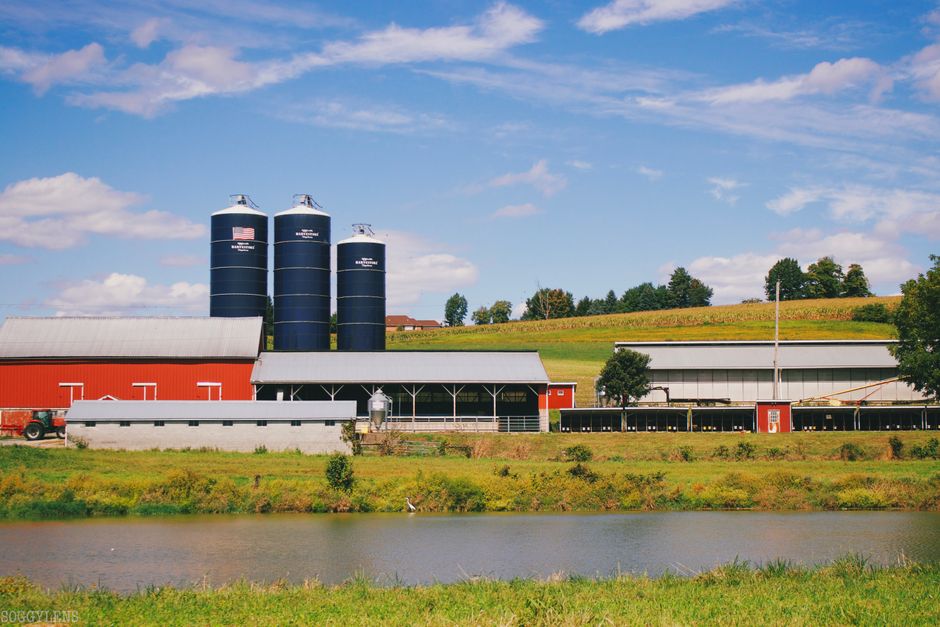
I rolled into Pittsburgh on a gray October afternoon with the Steel City's reputation for grit and reinvention already in my head. What struck me faster than I expected was how quickly the urban landscape gives way to something entirely different—green rolling terrain, small towns with real character, and destinations that justify a full day away from the city without requiring you to commit to overnight travel. The radius I'm talking about is maybe an hour to 90 minutes in any direction, which means you can leave Pittsburgh after breakfast and be back by dinner, or stay through sunset if the mood takes you.
I spent three weeks testing these routes, and what I found was refreshing: day trips here aren't manufactured tourist experiences. They're places locals actually go, places with independent businesses that have been around long enough to know what they're doing. Let me walk you through the ones worth your time.
Fallingwater (Mill Run, PA)
The drive south to Mill Run takes about 90 minutes, and it's the most obvious recommendation I'll make—but obvious doesn't mean it's wrong. Frank Lloyd Wright's Fallingwater still hits you in the gut the moment you see it. The house cantilevers over the waterfall with such casual defiance of gravity that you almost forget this was completed in 1939.
You have to tour it with a guide; no self-guided wandering. Book ahead because tours fill up, especially on weekends. The guided experience is actually good—they're knowledgeable without being tedious, and they let you soak in the space. The grounds are equally worth your time. If you're mildly outdoorsy, bring hiking shoes and spend an hour on the trails after the tour. The woodland here is peaceful, and you'll see why Wright chose this specific site.
Best seasons: Late April through October. The water level is highest in spring (April-May), which makes the waterfall actually dramatic. Fall is crowded but the light is better for photography. Winter is possible if you don't mind cold, but the lack of foliage around the house changes the sight line. Summer is warm and muggy, and the crowds are worst. Go in June or September if you can.
Budget about four hours total—one hour driving each way, 1.5 hours for the tour, an hour wandering. Eat before you arrive. The area has almost nothing nearby; there's a restaurant on the grounds, but it's pricey and mediocre.
Laurel Highlands Wine Country (Near Ligonier, PA)
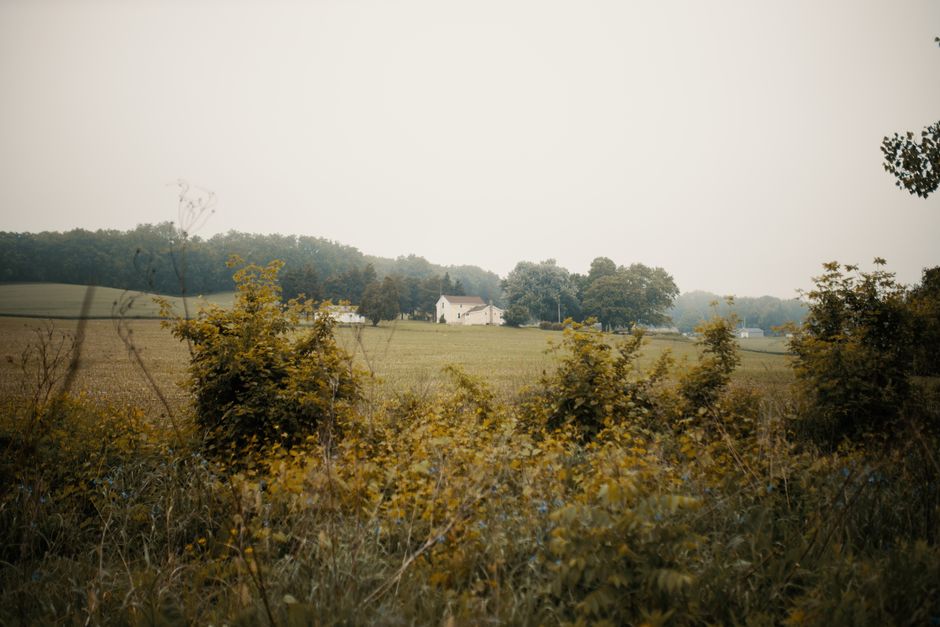
Head southeast for about 50 minutes and you'll find yourself in a landscape that honestly surprised me. Pennsylvania wine country isn't famous—it doesn't have the branding of Napa or the tourist infrastructure of Willamette Valley—which is partly why it's worthwhile. You get actual winemaking without the Instagram posturing.
Around Ligonier and the broader Laurel Highlands region, there are a half-dozen small wineries scattered across productive farmland. Laurel Highlands Vineyard, Windy Corner Vineyard, and Nemacolin Winery are the ones I'd recommend. They're genuine operations where you can taste directly from the owner or a staff member who actually knows the wine, not just the tasting notes. Pennsylvanian wines skew toward sweeter, fruitier profiles—think whites and blends more than structured reds—and they're honest about their own limitations. That kind of transparency is refreshing.
Pair the wine tasting with a drive through Ligonier itself, a small town with an actual town square, a few cafes, a bookstore that hasn't been replaced by a chain, and some hiking nearby at various state forests. You can make a full day of it without feeling rushed, or you can knock out tastings in three hours and explore elsewhere.
Best season: September through November, when the region cools down and harvest is happening. Summer is hot and buggy. Spring can be rainy. Winter is dead—many tasting rooms have reduced hours. Fall is when the grapes are coming in and the landscape is sharp.
Ohiopyle State Park (Ohiopyle, PA)
About 75 minutes south, Ohiopyle sits where the Youghiogheny River cuts through the Laurel Highlands. It's one of those parks that justifies its popularity without becoming totally overrun, at least not if you time it right.
The main attractions are straightforward. Youghiogheny Falls is a 20-minute walk from the main parking area, and the waterfall itself is a worthwhile sight—not massive, but properly formed. More importantly, the park has serious hiking. The Laurel Highlands Trail runs through here; you don't need to do the whole 70-mile route, but even a 4-5 mile section gives you a real sense of the landscape. The Cucumber Run Trail is shorter and less trafficked. If you're not into hiking, the river itself is the draw—the park is known for whitewater rafting, and commercial outfitters base themselves here. Even if you're not paddling, watching the activity is entertaining.
In town, which is tiny, there are a few small restaurants and a brewery (Rusty Rail). The brewery is actually decent, and it's become the unofficial community gathering spot. Overnight lodging exists here if you want to extend, but a day trip works perfectly.
Best seasons: May through October. Summer is warmest and the water level is decent. Fall colors are attractive in late September and early October, though the park gets busier. Water levels drop in late summer and early fall, making rapids less dramatic but hiking more pleasant. Winter is quiet and cold. Spring is muddy but green.

Friendship Hill and the Monongahela Valley Historic District
Due south, about an hour's drive, sits Friendship Hill, the home of industrialist Albert Gallatin. The house itself is a brick Federal-era mansion (1789), and it's operated as a National Historic Site by the National Park Service. If that sounds dry, you're not wrong—it's not the flashiest destination. But if you're even mildly interested in early American history or architecture, it's solid.
The real draw, though, is the surrounding Monongahela Valley. This was serious industrial territory—coal, steel, iron works—and the landscape still carries that weight. The hills are steep and forested now, reclaimed from active mining, but the evidence is there if you know what to look for. Small towns like California, PA and Brownsville still have their historic downtown cores, with 19th-century architecture and the kind of economic hardship that feels very present.
I'd recommend doing the Friendship Hill tour (1.5 hours) and then driving through the valley itself, stopping in Brownsville for lunch or a walk along the Monongahela River. It's not cheerful, exactly—there's a melancholy to post-industrial towns—but it's real and historically important in ways that matter if you care about American labor history. It also gives you a clearer sense of why Pittsburgh itself was built the way it was.
Best season: Spring through fall. The house interior is more interesting when the grounds are maintained, which is April through October. Winter hours are reduced and the heating in the house is minimal.
North Park and Moraine State Park (Near Zelienople, PA)
North of Pittsburgh, about 45 minutes to an hour depending on which direction you're starting from, Moraine State Park is built around Lake Arthur, a 3,225-acre reservoir. It's not a wilderness experience—it's a developed regional park that sees decent crowds—but it functions. You can bike around the lake (there's a paved pathway for most of the loop), paddle, fish, or just walk. The park has a marina, a visitor center, and enough infrastructure that you don't need to overthink logistics.
I'll be honest: this is the most "local recreation area" of all the day trips on this list. It's where Pittsburgh residents actually go on weekends to move their bodies and be outside without leaving the metro area. That's not a criticism. Sometimes the best day trip is the one where you do something active in a place that's pleasant without being a formal destination.
In the nearby town of Zelienople, there are cafes and a few small restaurants. Nothing exceptional, but enough to round out a day. If you're into biking, the park is your play. If you're more into quiet water walks or fishing, that works too. On weekends it gets busy, but weekday mornings are calm.
Best season: May through September for any water activity. Summer is warm and the lake is full. Late spring and early fall are pleasant for biking or walking, with fewer crowds and better light. Winter is cold and grey, though the park doesn't close.

Getting the Timing Right
The mechanics are simple: pick a destination, leave Pittsburgh by 9 AM, spend 4-6 hours there, and be back by 7 or 8 PM. None of these require overnight commitment, though several are worth an overnight if you want to slow down.
If you're trying to string multiple places together, you could do Fallingwater in the morning and wine country in the afternoon—they're roughly in the same direction from Pittsburgh. You could also pair Friendship Hill with Brownsville and a short hike. But honestly, each of these is substantial enough to deserve its own day. A mistake a lot of people make is trying to optimize by squeezing too many stops into one trip. You end up spending more time driving than actually being anywhere.
Book ahead for Fallingwater tours. Everything else is pretty walk-up friendly, though summer weekends at Moraine and Ohiopyle can fill up parking lots. Weekday visits are almost always quieter. And check hours before you head out—state parks and smaller attractions sometimes shift their schedules by season.
A Final Note on Routes and Seasons
October is probably the single best month for day trips from Pittsburgh. The summer heat breaks, the light is clear, the crowds thin slightly, and the landscape is actually worth looking at. Spring is muddy and unpredictable. Summer is hot. Winter is grey unless you like that aesthetic—some people do.
That said, don't wait for perfect conditions to actually go. I've done all of these in sub-ideal weather and enjoyed them more than I expected. Fallingwater in a light rain is actually atmospheric. Wine country in September heat is sweaty but manageable. Even Moraine on a grey day has its own quiet appeal. The point isn't to check off a list. It's to get out of the city and remember that Pittsburgh's real advantage isn't what's inside the urban core—it's how quickly you can reach something entirely different if you're willing to drive 90 minutes south.



