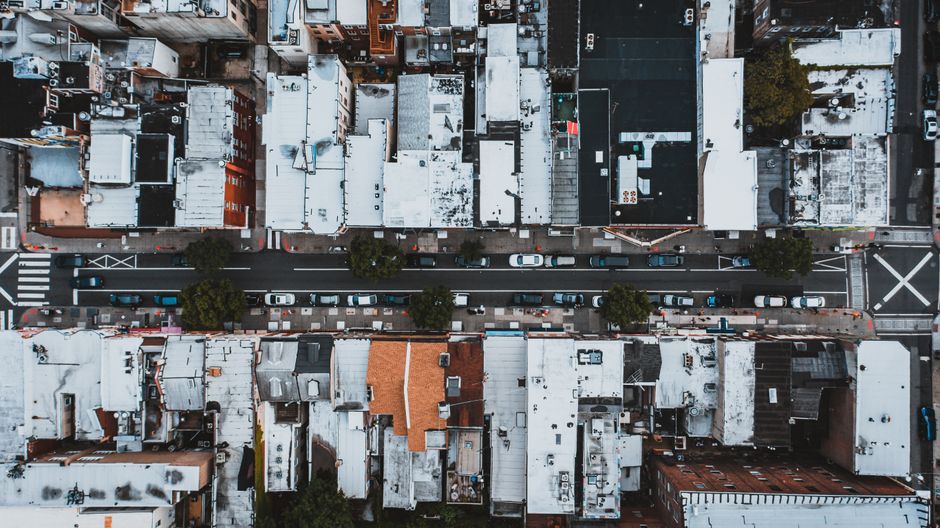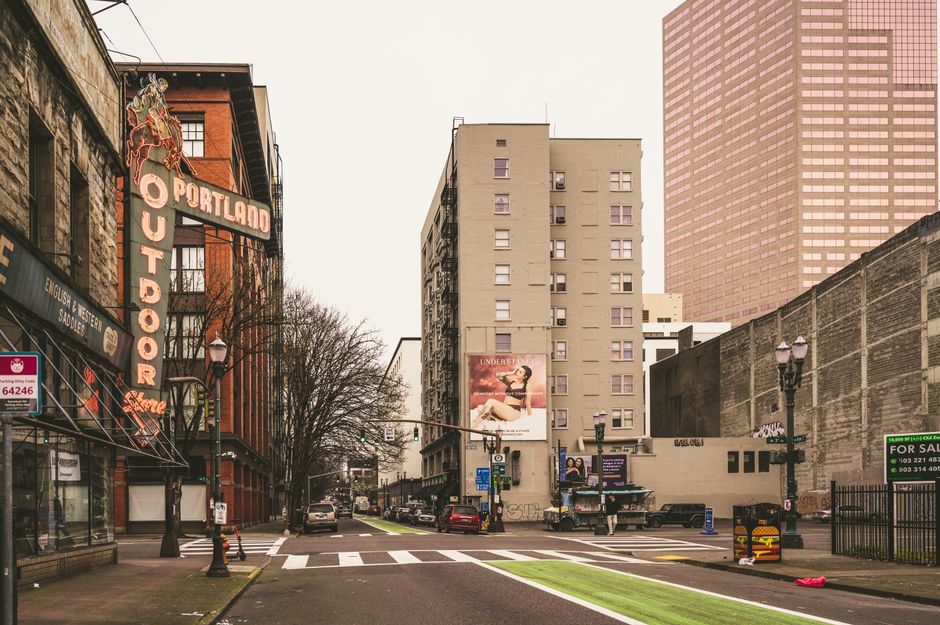
I rolled into Portland on a drizzly afternoon last spring, backpack slung over one shoulder, ready to explore a city I'd only read about. The coffee shops looked welcoming. The murals were exactly as colorful as advertised. But within a few hours of walking around, I noticed what locals had warned me about—pockets of the city that felt noticeably different from others, blocks where you'd see more people in distress, more needles on the ground, more aggressive panhandling.
Here's the thing: Portland is not a war zone. Most neighborhoods are genuinely safe and walkable, especially in daylight. But it's also a city dealing with real homelessness, addiction, and mental health crises in ways that are visible and sometimes uncomfortable. As a solo traveler, you need to know where those concentrations are and how to move through the city smartly. That's what this guide is actually about.
Downtown Core: Where Most Tourists Go and Why It's Complicated
Downtown Portland—roughly bounded by the Burnside Bridge, Morrison Bridge, and the river—is where you'll find Powell's Books, the food pods, most of the hotels, and almost every tourist walking around. It's also where you'll encounter the most visible signs of the city's unhoused population and substance-use crisis. I'm not saying this to scare you. I'm saying it because you need to set realistic expectations.
During the day, especially in the retail core around SW Alder and SW Morrison, things are fine. There's foot traffic, security presence, and a working commercial district. The blocks around Powell's, the Portland Building, and Pioneer Courthouse Square are busy and well-populated. Walk those areas in daylight without hesitation.
After dark is when downtown changes character. Evening foot traffic drops. Some blocks feel emptier and more unpredictable. If you're staying downtown, use the MAX light rail (it's free within downtown limits) or call a rideshare after 9 p.m. rather than walking solo through unfamiliar blocks. The pedestrian bridges, while technically safe, feel more exposed at night. Stick to well-lit main corridors.
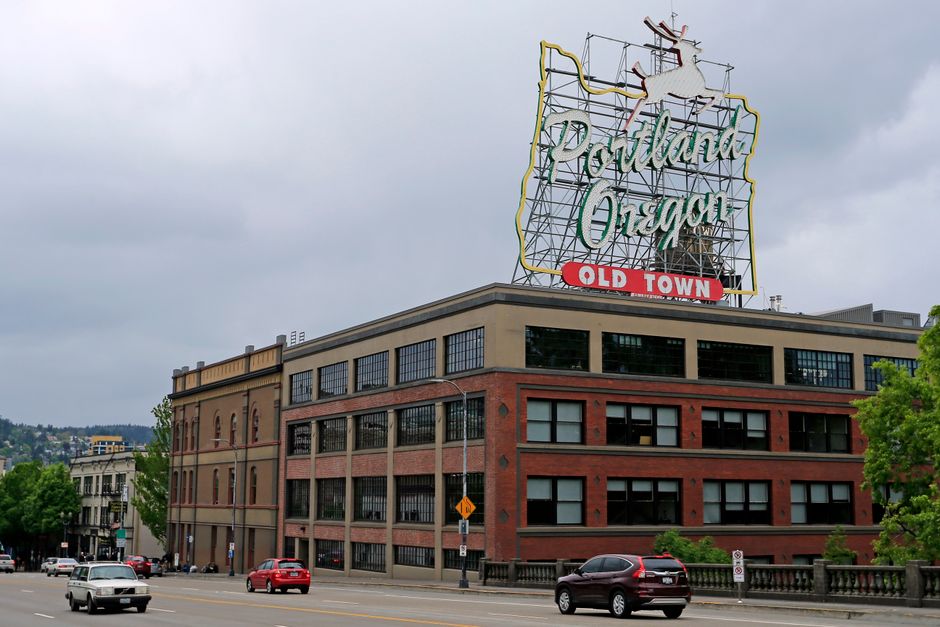
Old Town/Chinatown: Historic but Hit-or-Miss
Old Town Chinatown has bones—the architecture is genuinely interesting, and there are good restaurants and bars mixed throughout. It's also very inconsistent. Walk down NW Davis on a Saturday afternoon and you'll see a vibrant neighborhood. Walk the same street at 11 p.m. on a Tuesday and you might feel less comfortable.
Daytime exploration is worthwhile. The Lan Su Chinese Garden is beautiful and small enough to visit without feeling lost. Restaurants and breweries in the area draw regulars. But at night, this neighborhood has a reputation (backed up by police data) for higher rates of street-level crime, aggressive panhandling, and situations related to the homeless encampments that have existed here.
If you're dining in Old Town, do it before 9 p.m. and plan a ride out. If you're staying in the area, choose a hotel on the better-lit main strips. Walking solo at night through the smaller side blocks—NW Flint, NW Everett—is not advisable.
Gresham, East Portland: Where Caution Matters Most
East of I-205 isn't a no-go zone, but it requires real awareness. Gresham proper has pockets of commercial activity and decent neighborhoods, but also areas with higher property crime and visible disorder. East Portland—the stretch that includes neighborhoods like Parkrose and parts of the 82nd Avenue corridor—has been hit hard by displacement, gang activity, and the concentration of homeless services. Local residents and police have documented higher rates of property theft and violent crime in sections of this area.
If you're getting around Portland solo, avoid walking alone in East Gresham or East Portland, especially after dark. The MAX light rail does serve Gresham, but the peripheral stations (particularly in the evening and early morning) can feel sketchy. Stick to daytime visits if you have a specific reason to go east, and strongly consider using rideshare. This isn't a permanent judgment on these neighborhoods—they have residents, families, and workers—but as a solo traveler without local knowledge, the risk-to-reward doesn't stack up well.

Practical Safety: How to Actually Move Around
The real secret to staying safe in Portland solo is using the transit system and rideshare intelligently. TriMet's MAX light rail is genuinely reliable and much better for solo travelers than walking. Cars feel safer than urban blocks when you're alone at night. The MAX runs until around midnight on most lines, and the downtown core is fare-free, which removes the small friction of paying.
If you're walking, walk with purpose and awareness. Earbud out, phone out of your hand, head up. Avoid routes that take you through empty blocks between 9 p.m. and 6 a.m. Neighborhoods like Southeast (most of it), Northwest, and Eastmoreland are fine for daytime walking. The Pearl District is walkable and feels safe, though it's expensive and touristy. Hawthorne Boulevard is pleasant during the day. Mississippi Avenue has genuine character and is lively in the afternoon.
Don't buy or use drugs. Beyond the obvious personal-health reasons, street-level drug transactions in Portland attract crime and put you at risk. The fentanyl situation is real and brutal.
Solo Woman Travelers: Real Considerations
If you're a woman traveling solo, add another layer. Portland's homeless population includes people with untreated mental illness and addiction, and some of that manifests as harassment. You'll likely encounter aggressive panhandling, catcalling, or people in genuine distress. It's not universal, but it's common enough that you should expect it.
Stay visible and in groups when possible, especially at night. Women-only rideshare options exist. Trust your discomfort—if a situation feels off, move or ask for help. Local women residents typically feel safe in most of the city, but they also know the blocks to avoid and the times of day to be careful. Use their knowledge: ask your hotel staff or locals at coffee shops what blocks feel safe at night.
The vast majority of solo female travelers move through Portland without incident. But being prepared for minor harassment or discomfort is realistic.

What You Probably Don't Need to Worry About
Portland isn't Seattle or San Francisco, where the downtown core itself feels more uniformly sketchy. Most of the city is genuinely safe and pleasant. The West Hills are fine. The residential cores of Belmont, Division, Multnomah Village, and Sellwood are exactly as nice as they're made out to be. Washington Park is beautiful and safe to explore during daylight. The waterfront and Eastbank Esplanade are good walking routes, especially in daylight.
Violent crime against tourists is uncommon. You're far more likely to experience property theft (bike, phone, stuff left in cars) than anything violent. Use basic precautions: don't leave belongings visible in a parked car, lock your bike securely, watch your phone and bag in crowded areas. These are normal city survival skills, not Portland-specific panic points.
Bottom Line: Portland Is Manageable If You're Aware
Portland rewards travelers who are present and thoughtful. The coffee scene is real. The food is genuinely excellent. The bookstores are worth your time. The neighborhoods south and east of downtown—especially if you venture into the quieter residential blocks—have charm and authenticity that big cities often lose.
What you need to do is move through it with your eyes open. Don't romanticize the visible suffering you'll see. Use transit and rideshare strategically. Know which blocks to avoid at night. Ask locals for real advice, not Pinterest advice. Stay off your phone when you're walking. And if something feels wrong, trust that feeling and move.
I felt safer in Portland than in several other major cities I've visited. That's partly because I knew what to avoid and when.