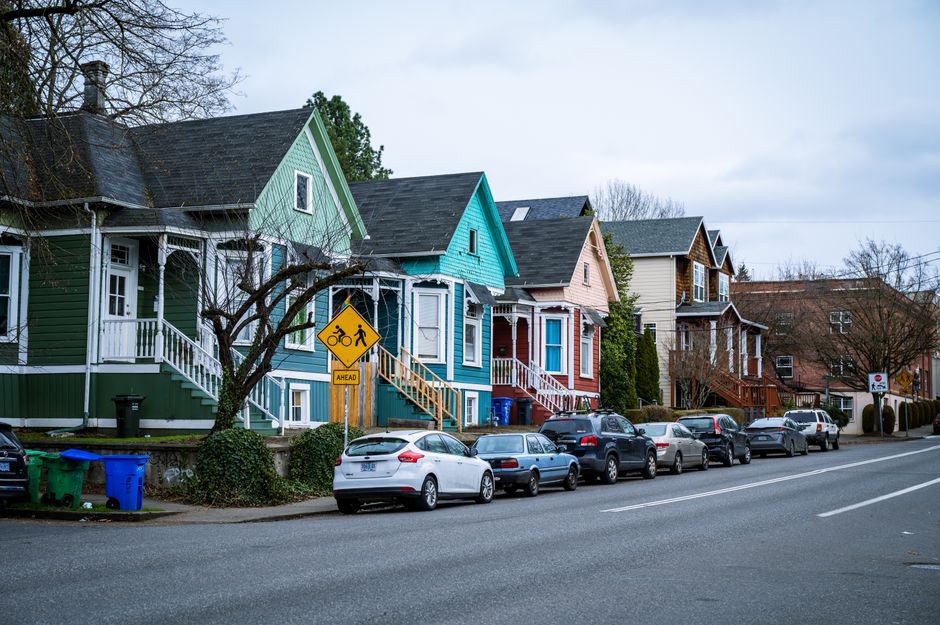
I flew into Portland on a gray October afternoon, the kind of gray that doesn't feel gloomy here—it just feels honest. After spending the last decade ping-ponging between retirement-friendly places, I wanted to know if this city's reputation as a cool, livable spot actually held up for someone thinking about staying put for the next 30 years. The rain wasn't a surprise. The cost of housing was.
Portland has long marketed itself as the thinking retiree's alternative to Arizona or Florida—a place where you can actually have seasons, walkable neighborhoods, and decent food without feeling like you're subsidizing a golf course or a retirement community's marketing budget. But that reputation is getting tested. Over the past decade, the city and its inner suburbs have gentrified at a clip that caught a lot of people off guard, and not everyone retiring here is happy about their housing bill. This guide breaks down what Portland actually costs, where you might actually afford to live, and whether the climate, healthcare, and tax situation make sense for your retirement.
Housing: The Biggest Shock
If you're coming from the Midwest or parts of the South, Portland's housing prices will feel like a punch in the gut. A median home price in the city proper hovers around $600,000 to $650,000, depending on neighborhood. Rent is steep too—a one-bedroom apartment in close-in neighborhoods runs $1,400 to $1,800 a month, and that's not in the trendiest blocks.
Within Portland's city limits, older inner neighborhoods have held onto character but shed affordability. The central eastside and parts of Northeast Portland still feel somewhat reasonable compared to the West Hills or Pearl District, but even these areas have seen rents climb and condo prices jump 30 percent or more in the last five years. If you're a renter, budget $1,500 minimum for something modest and not falling apart. If you're buying, you're looking at north of $500,000 for anything remotely move-in ready.
The real move, if you're serious about stretching a fixed income, is to look just beyond city limits or further out on the MAX light rail line. Beaverton and Tigard, about 20 minutes west of downtown, offer more space for less money—and you're not completely isolated. Gresham, to the east, is even more affordable, though the walkability and cultural amenities drop off.
Overall Cost Beyond Rent and Mortgage
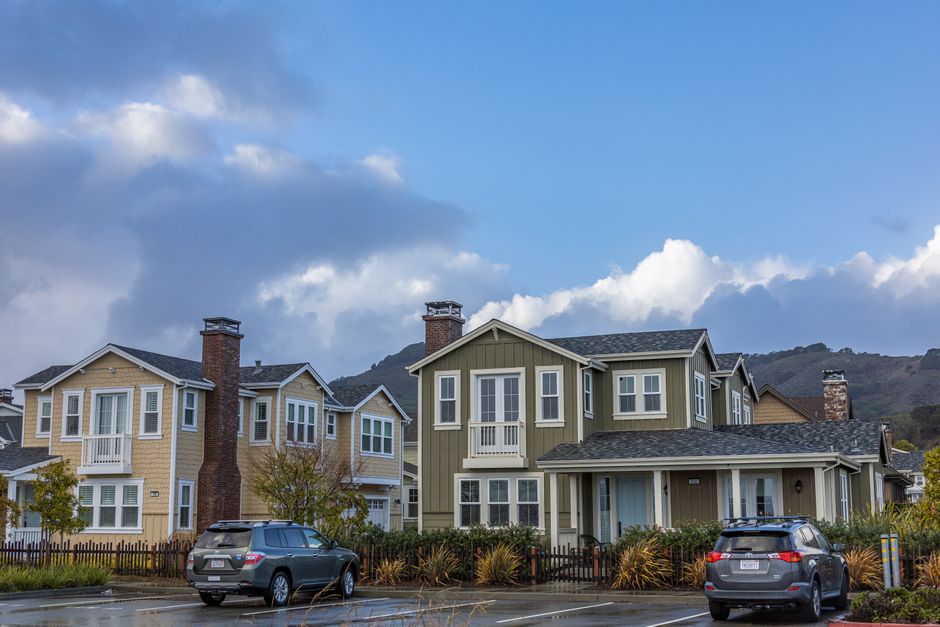
Housing dominates the budget conversation, but daily expenses matter too. Groceries in Portland run slightly higher than the national average—nothing shocking, but noticeable if you're on a tight monthly budget. Gas prices follow broader West Coast patterns; you're usually a quarter to fifty cents higher per gallon than the Midwest. Utilities are moderate; winter heating bills aren't brutal, and air conditioning isn't really a thing here, which saves money in summer.
Dining out and entertainment lean upscale. Portland has a serious food scene—good ramen, Thai, Vietnamese, and farm-to-table restaurants are everywhere—and prices reflect that. A decent dinner for two runs $50 to $80 without alcohol. Coffee culture is real, and people spend $5 to $7 on a good pour-over without blinking. Healthcare costs and prescriptions follow national averages, though we'll get into that more below.
One often-overlooked expense: Portland's urban walkability means you might spend less on gas and car maintenance if you downsize to one vehicle or go car-free. That can offset some of the higher rent. Similarly, the city's public library system is excellent and free, and there's no shortage of free outdoor activities if you like hiking, parks, or just people-watching.
Healthcare Access and Quality
Portland's healthcare system isn't flashy, but it works. Oregon Health & Science University, just west of downtown, is a major regional medical center and handles serious cases well. Urgent care clinics and primary care doctors are reasonably available within the city, though finding a new doctor who's accepting patients can take patience—this is a common complaint everywhere these days, but it's worth planning ahead.
If you're Medicare-eligible, Portland has good Medicare Advantage and Medigap options. A handful of major insurers operate here, and costs are middle-of-the-road for the West Coast. Prescription drug access is solid; there's no shortage of pharmacies, and Oregon has some regulatory advantages when it comes to generic drug pricing.
For specialized care, you have options in the metro area. If you need something Portland doesn't have, Seattle's medical centers are three hours north, and California's are accessible too. The real consideration for retirees isn't usually the emergency room—it's finding a primary care doctor who fits, getting timely appointments, and having good long-term care options nearby. On those scores, Portland is adequate, not exceptional. If you have ongoing treatment needs, vet your specific doctors and clinics before committing to a move.
Weather and What It Actually Means
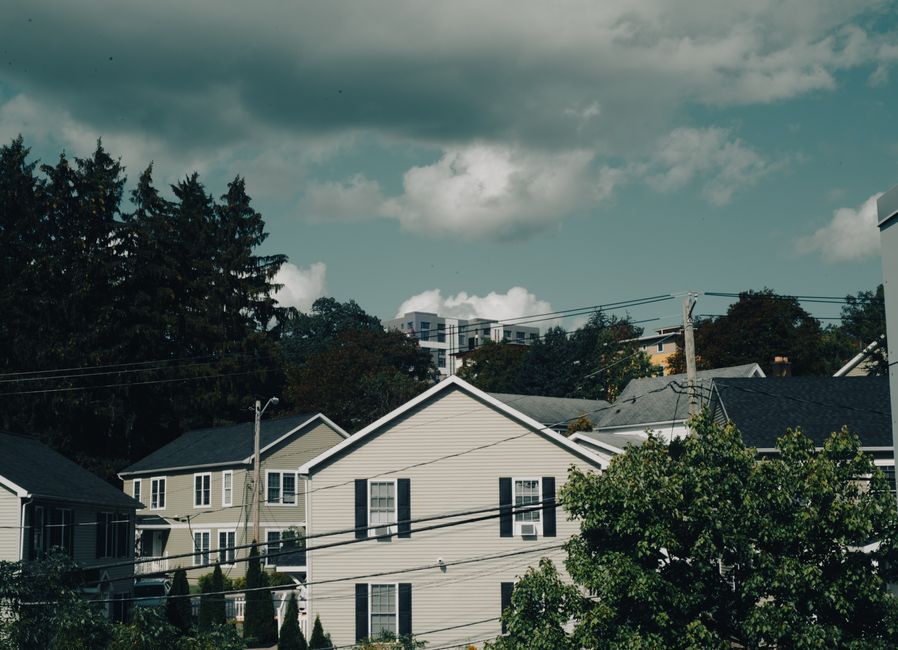
Let's be direct: Portland is cloudy and wet from October through May. You get maybe 150 sunny days a year, often clustered in June, July, and August. Winter temperatures rarely drop below freezing; it's more often gray, damp, and in the 40s. It doesn't snow much. Rain isn't usually dramatic—it's persistent, the kind that soaks you slowly while you're walking to the grocery store.
If you've grown up in the Midwest or Northeast, this feels normal, just earlier in the fall and later in the spring. If you moved to Arizona in your fifties and love sunshine, Portland will test you. That said, the rain does something psychologically interesting to Portland people: it drives them outside, into good hiking culture, and keeps the landscape aggressively green year-round. The city's proximity to the Cascades and Coast Range means outdoor recreation is genuinely close.
For retirees, the real question is whether you can handle limited sunlight without seasonal depression catching up with you. Some people thrive here; others move to California or back East within a year. If you're someone who needs winter break and spring renewal, Portland delivers. If you need daily vitamin D and blue skies, it doesn't.
Taxes and Why They Matter More Than You'd Think
Oregon taxes income at a state level—there's no getting around it. Depending on your bracket, you could pay somewhere between 5 and 9.9 percent in state income tax. That's higher than most of the country, though lower than California or New York. If you're retired and living on Social Security, some of that is exempt; if you're drawing from an IRA or taking capital gains, you'll pay Oregon's rate on the whole thing.
Portland itself has no local income tax, which at least saves you there. Property taxes are moderate by West Coast standards—around 0.97 percent of assessed value—and Oregon's property tax system occasionally reassesses, so don't assume your tax bill stays frozen forever. Sales tax is around 8 to 9 percent depending on exactly where you land in Multnomah County.
Before you move to retire, run your specific numbers with a tax professional. Oregon's taxation structure works fine for some retirees and becomes a real headache for others, particularly those with significant investment income or rental properties. It's not a dealbreaker on its own, but it's part of the calculation.
Close to Portland: Corvallis as the Quieter Option
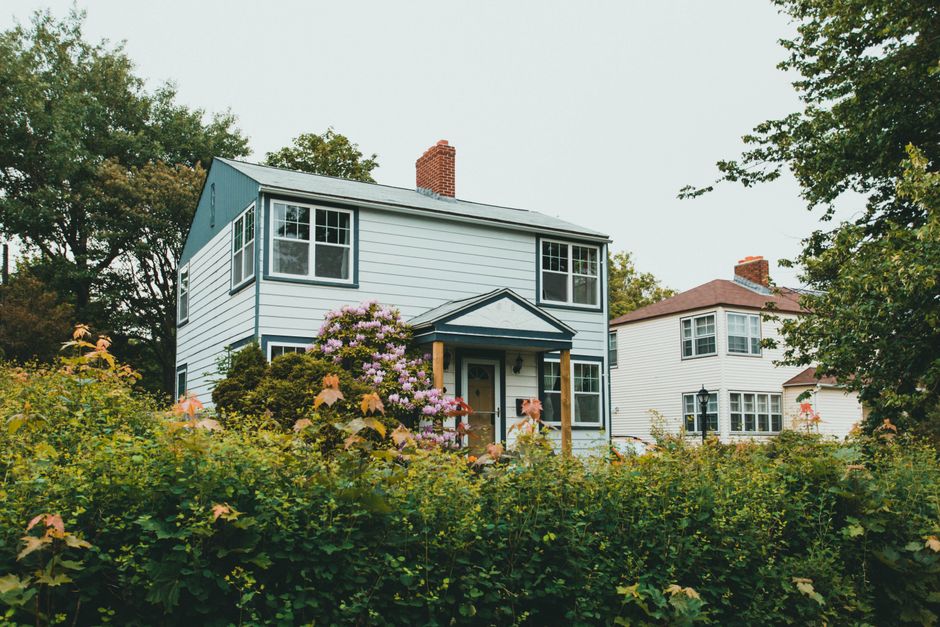
About an hour south of Portland, Corvallis is home to Oregon State University and has cultivated a distinctly different vibe—college town energy without feeling overrun. The median home price is lower than Portland, typically in the $450,000 to $550,000 range, though it's been rising. Rents are markedly cheaper, usually $1,100 to $1,400 for a solid one-bedroom.
Corvallis offers walkable downtown blocks, a farmers market that runs year-round, good hiking nearby, and a significantly lower cost of living than Portland proper. Healthcare here is decent; Samaritan Health Services runs regional clinics, and you can access Portland specialists if needed. The town feels slower, quieter, and less trendy than Portland, which appeals to some retirees and drives others crazy.
The downside: it's smaller, with fewer restaurants, cultural events, and nightlife. If you want a walkable downtown but don't need Portland's scale, Corvallis is worth a serious look. If you're the type who wants both city energy and affordability, you'll probably find it a step too quiet.
Lake Oswego: Affluent and Connected
South of Portland across the Willamette River, Lake Oswego is the Portland area's old-money suburb. Homes routinely top $750,000, and the median price sits well above $650,000. It's not an affordable retirement destination, but it deserves mention because retirees with substantial savings do land here.
What you're paying for: excellent schools (if grandkids visit), a tight-knit wealthy community, beautiful parks and lake access, and proximity to Portland. Walkability depends on which part of Lake Oswego you're in; some areas are car-dependent, others more pedestrian-friendly. The downtown core is pleasant, with decent restaurants and a library. Healthcare access is excellent; you're close to Portland's major hospitals and have upscale clinics locally.
Lake Oswego works for retirees who've got solid investment income or a large home sale cushion, want to stay in the Portland area, and prefer a quieter, more established suburban feel. It's beautiful, well-maintained, and people stay a long time. Just don't expect affordability.
The Real Conversation: What Kind of Retirement Fits?
Portland makes sense as a retirement destination if you want a moderate climate, walkable neighborhoods, good food, accessible outdoor recreation, and don't mind gray winters. It works if you've got a substantial savings cushion—$1.5 million or more is realistic for a comfortable two-person household—or if you're willing to live just outside the city core.
It doesn't work if you need dry, sunny weather most of the year; if you're trying to retire on a tight fixed income; or if you need cutting-edge specialized medical care on demand. It's an okay choice if you want to be near a major city but don't need to be in it, and a good choice if you value walkability and community over sprawl.
Before you commit, spend a winter here. Rent something for three months, October through December. See if the rain and gray actually bother you. Try the healthcare system. Walk the neighborhoods. Then decide. Portland's not a secret anymore, and it's not cheap, but for the right person at the right life stage, it delivers on its promise of livability.
Frequently Asked Questions
how much does it cost to retire in Portland Oregon
A comfortable retirement for a couple in Portland requires roughly $1.5 million in savings or substantial monthly income, accounting for median home prices around $600,000 to $650,000, rent at $1,500+ for a one-bedroom, groceries and dining above national average, and state income tax up to 9.9 percent. Costs drop 20 to 30 percent if you move to nearby suburbs like Corvallis or Gresham.
is Portland Oregon good for senior citizens
Portland works well for active seniors who enjoy walkable neighborhoods, mild winters, outdoor recreation, and good food culture. Healthcare is adequate but not exceptional; you'll find primary care and major hospitals but may face delays getting a new doctor. The persistent rain and gray weather are significant—it's essential to spend a winter here first to confirm it suits you.
what are Oregon retirement taxes
Oregon has state income tax ranging from 5 to 9.9 percent depending on your bracket, with some Social Security income exempt for retirees. Property taxes are moderate at around 0.97 percent of assessed value. There is no local income tax in Portland itself. Tax implications vary widely by retirement income type, so consulting a tax professional before moving is strongly recommended.
where is the cheapest place to retire near Portland
Gresham and Corvallis offer the most affordable options near Portland. Gresham, just east of the city, has home prices around $450,000 to $500,000 and lower rents. Corvallis, an hour south, is even cheaper with median homes in the $450,000 range and rents at $1,100 to $1,400, though it's quieter and further from Portland's amenities.
Which neighborhood would you retire in?