I showed up in Portland on a gray Tuesday in October with the usual tourist instincts—Powell's Books, the waterfront, maybe catch a few food carts. Three days in, I realized I'd barely scratched anything real. The city doesn't advertise its good stuff on Instagram. You have to actually walk.
What follows is what I found by getting lost intentionally, asking people at coffee counters, and spending an afternoon riding TriMet without a particular destination. None of this is revolutionary. But it's the kind of Portland that makes you understand why people move here and stay poor.
Start early. Bring a rain jacket you don't mind getting wet. And don't expect everything to be open at convenient hours.
Hoyt Arboretum's Quiet Loops
Everyone mentions Forest Park. It's real—22,000 acres, biggest urban forest in the country. But mention it at a bar and watch people nod politely before talking about something else. Hoyt Arboretum is the better move if you've got a few hours and want actual solitude.
It's tucked into the west side of Forest Park, near Washington Park, and most visitors treat it as a buffer between the International Rose Garden and the Japanese Garden. Mistake. The arboretum has labeled trails through different sections—there's a Douglas fir walk, a conifer collection, a hardwood trail that's genuinely good in autumn. What I liked was the lack of crowds and the fact that people there seemed to actually be walking with purpose, not hunting for photo ops.
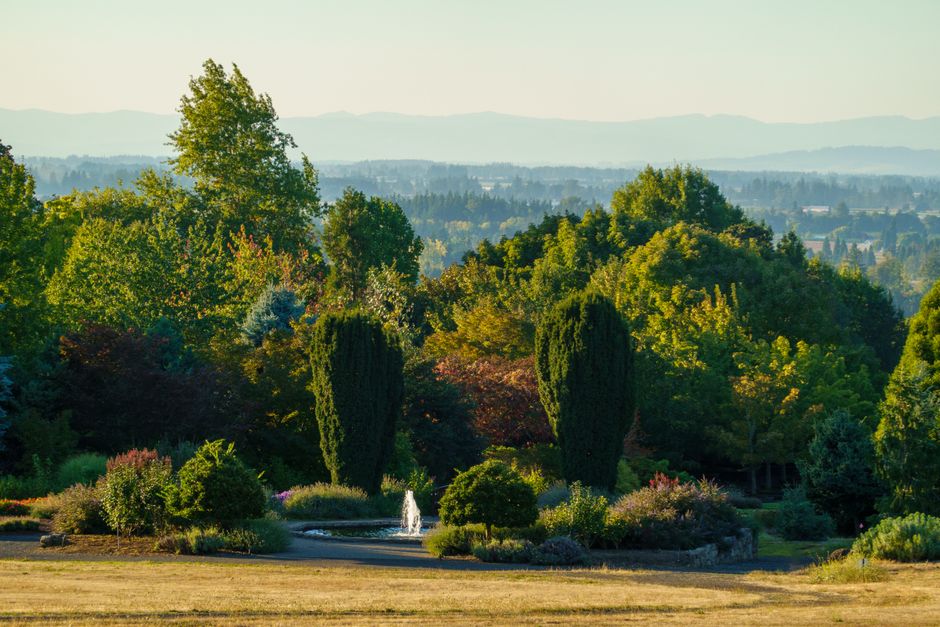
Park near the visitor center on SW Fairview Boulevard. The view loop is short and rewards you with sightlines toward downtown and Mount Hood if the cloud cover isn't total. Most days it is, but when it isn't, you understand why the city exists here.
The Pittock Mansion and Its Overlooked Surroundings
The mansion itself gets traffic. It's a 1914 château built by Henry Pittock, the newspaper magnate who basically invented Portland's PR game. The house is handsome in that over-decorated Victorian way. Tour it if you want; the views are genuine.
But the real value is the land around it. There's a walking trail network that loops through the woods and clearings on the hillside. Most people hit the main vista point, take three photos, and leave. I spent an hour wandering the outer trails and saw maybe five other people. Bring a jacket. It's windy up there. The city spreads below you in layers—the West Hills, the Willamette, downtown, and if you're lucky, the Cascades. On the day I went, the rain moved in horizontally, and it was somehow perfect.
River-Level Walking Around Springwater Corridor
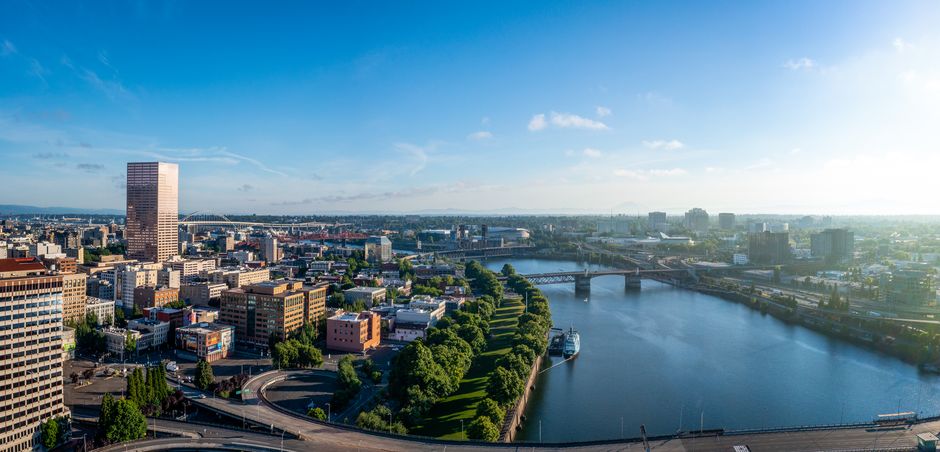
The Tom McCall Waterfront Park is the paved, manicured version of Portland's relationship with the Willamette. It's fine. Good for a quick walk, watching rowers, eating food-cart lunch.
The Springwater Corridor is what locals actually use. It's a 40-mile multi-use path that runs from the Columbia River down to the Clackamas, and you don't need to do all of it. Catch it downtown near the Eastbank Esplanade and head south. You'll pass neighborhoods you wouldn't otherwise see—industrial areas giving way to housing, railroad tracks, patches of actual riparian forest. It's less curated than the main waterfront, which is precisely why it's worth walking.
I did a 5-mile section on a Saturday morning and passed runners, cyclists, people just standing watching the water. No one was performing for anyone else. The path narrows and widens. Sometimes you're under freeway overpasses. Sometimes you're looking at willows and herons. It's the non-highlight version of Portland, which is often better.
Tiny Museums You'll Actually Remember
The Portland Art & Craft Gallery exists in a narrow storefront on SW Alder. It's a cooperative of about 25 artists—mostly painters, printmakers, some ceramicists—and it's staffed by the artists themselves on rotating shifts. The work isn't experimental or cutting-edge by Chelsea standards. But the person behind the counter will tell you their process, why they chose a particular color, what it's actually like to make things in Portland now. That matters.
Then there's the Wooden Shoe Printing Co., also downtown, where you can watch screens being burned and prints pulled if you catch someone working. It's part studio, part shop, part living archive of a print-making practice that most cities let disappear. You'll spend fifteen minutes there, maximum. You'll remember it for weeks.
Neither place will blow your mind. Both places will make you feel like you actually paid attention to something real.
Belmont's Quiet Stretch
Belmont District used to be the answer to the question "where do cool people go?" Now it's slightly less packed than it was five years ago, which means you can actually move through it without fighting crowds. That's the zone. Not too quiet, not too trendy.
Walk the strips around SE Belmont and 30th-ish. There's a bookstore (Floating World Gallery), coffee spots that aren't chasing Instagram, vintage places that have actual curated stuff rather than just bins of overpriced junk. The neighborhood has that Portland mixture of people working on something, people with no jobs, people with money trying to look like they don't, and people who've been there so long they're invisible to new arrivals.
I had lunch at a place whose name I didn't catch and whose menu was hand-written. The soup was good. The person next to me at the counter was editing a chapbook on their laptop. No one looked at anyone else's phone. It doesn't sound like much. In 2024, in most American cities, it kind of is.

Rock Creek and the Trails That Actually Deliver
Rock Creek Park is closer to downtown than you'd think, sitting between Burnside and Highway 26 on the northwest side. It's not as famous as Forest Park (which entirely contains it, confusingly). Most visitors miss it.
There's a network of trails here that range from easy to steep. The creek itself is the draw—it actually sounds like something, with water moving over rocks, and the canopy is thick enough that you forget about the city pretty quickly. I did a 4-mile loop that took about 90 minutes and climbed some elevation but not so much that you're gasping. The tricky part is not getting turned around on the various connectors, but that's part of it.
Park near the nature center off Cornell Road. The trails aren't maintained with the same aggressive grooming as some parks. There's mud. There are fallen logs you have to step over. It feels like you're actually in the forest rather than walking through a forest-themed experience. That distinction matters.
What Actually Lives in Portland
After a week here, the thing that strikes you is how little the city tries to perform. There's no manufactured authenticity, no "locals' secrets" marketed heavily online. The stuff that's good here is just happening. People are making things and selling them out of small spaces. Neighborhoods have actual character rather than characters assigned by developers.
You'll see that better if you skip the main attractions and spend your time in the places I've mentioned. Not because they're hidden exactly—they're just not designed for consumption. They exist because people live here and move through the city with actual intention.
The rain will come. It always does. But you'll know your way around the less obvious places by then.