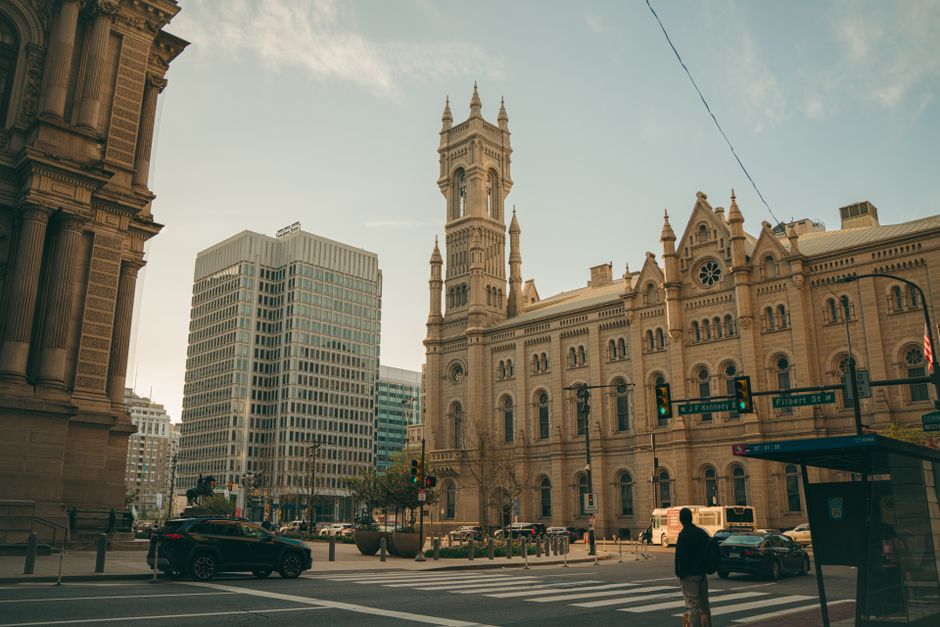
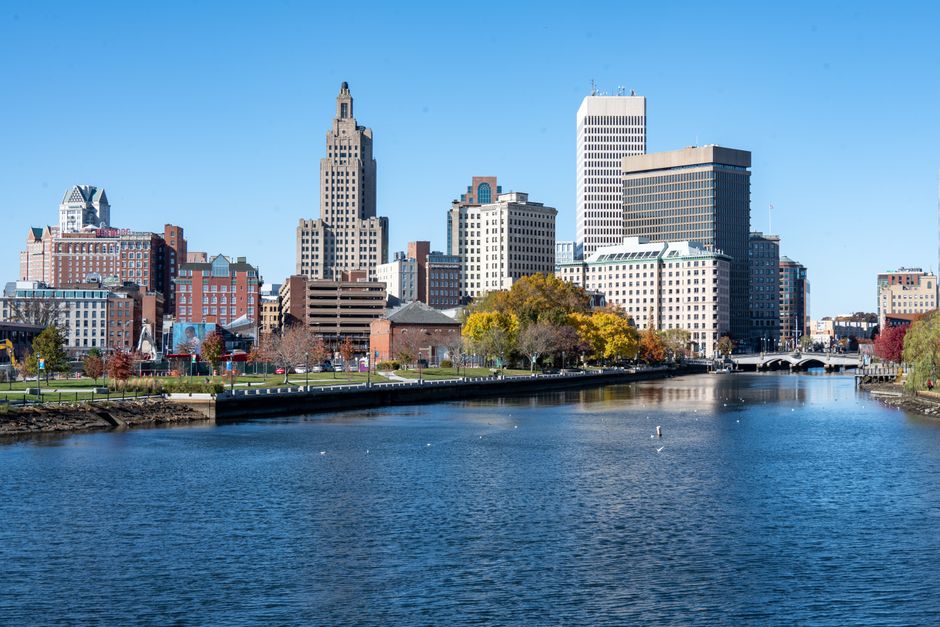
I rolled into Providence on a Friday afternoon with the kind of nervous energy you get when you're landing in a city you've never been to alone. The train station felt manageable—busy but organized—and the downtown grid is straightforward enough that you're not immediately lost. What struck me early on was how much of Providence actually works fine for solo travelers. It's a compact city. The downtown core is walkable, the transit system is functional, and most of the places you'd want to visit are in reasonably safe, well-populated areas.
But Providence also has real neighborhood variation, and some streets feel sketchy at certain hours while others are fine all day. The honest answer is that safety here depends less on some inherent danger and more on time of day, where exactly you are, and basic street awareness. I spent a week moving around differently depending on where I was headed, and that pattern held up pretty consistently.
Downtown & Arts & Entertainment Districts
The downtown core—roughly bounded by Kennedy Plaza, the waterfront, and the arts district—is where most solo visitors spend their time, and for good reason. During daytime and early evening, you're in a busy, active part of the city. The neighborhood around RISD, the convention center, and Waterplace Park feels populated and commercial. Walk these areas without major concern during daylight hours and reasonable evening times (say, before 11 p.m.).
The arts and entertainment districts—Wickenden Street, Hope Street toward RISD, North Main Street galleries—all draw foot traffic and are actively maintained. I took evening walks through these neighborhoods and felt fine, though I paid attention to the occasional dimmer block and varied my routes. If you're heading out to dinner or hitting a bar, stick to the main drags, share your location with someone if you're comfortable doing that, and use rideshare or a cab after dark rather than walking long distances alone.
Kennedy Plaza & Public Transit Reality
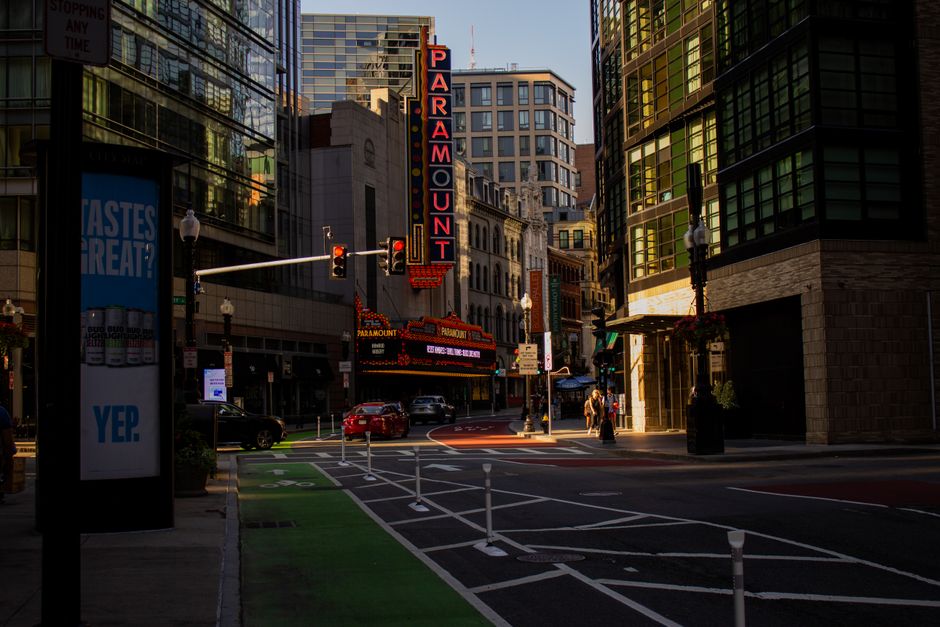
Kennedy Plaza is Providence's transit hub—buses, the RIPTA system, and a general throughway for the city. It's not dangerous, but it's a congested, somewhat chaotic urban nexus where you'll see homelessness, aggressive panhandling, and general street-level activity that can feel intense if you're not used to it. During the day it's fine. At night, it becomes less appealing, especially late evening or early morning.
Use the hub for transit, obviously, but don't linger there unnecessarily at odd hours. If you're arriving by bus or train after dark, have a destination in mind and move directly toward it—either via rideshare or by walking a direct route to a well-lit commercial area. The RIPTA bus system itself is generally safe and functional for getting around the city during operating hours. I used it multiple times without incident, though during later runs you'll notice a different ridership mix.
Neighborhoods Worth Knowing About
Federal Hill, just west of downtown, is Providence's Italian neighborhood and a legitimate draw for restaurants and nightlife. The strip along Atwells Avenue is active, busy, and fine for solo travel, especially in the evening when the restaurants and bars are full. I ate well here and didn't feel unsafe, though like anywhere, you're using common sense about how late you're wandering around.
Dennnis, Olneyville, and parts of Smith Hill have seen investment and revitalization in recent years, and some sections are genuinely interesting and safe. But these neighborhoods are also less densely populated than downtown, and blocks can feel quiet in a way that makes solo evening walks less appealing. During the day? Fine. After dark? Stick to main commercial corridors or use rideshare.
Some blocks in the West End and South Providence exist on the rougher end of the spectrum and aren't where you'd naturally end up as a solo tourist anyway. If you're relying on Google Maps and it's directing you through an unfamiliar neighborhood late at night, it's worth second-guessing the route. These areas aren't necessarily dangerous, but they lack the foot traffic and commercial activity that make solo nighttime movement feel easier.
The Waterfront & East Side
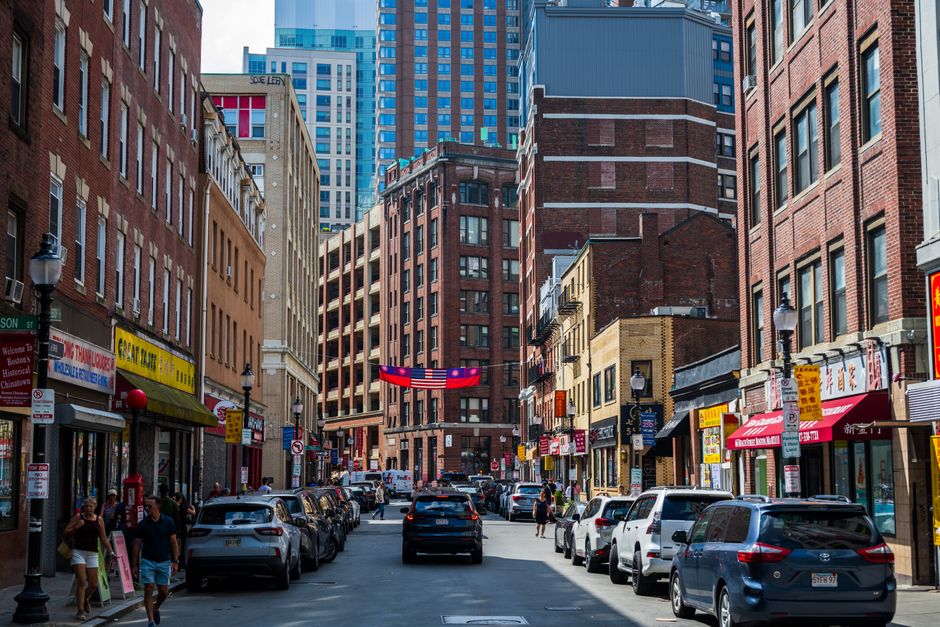
The waterfront around Waterplace Park is genuinely nice—walkable, landscaped, and active during decent hours. The East Side, particularly around Thayer Street and the colleges, feels college-town safe. Brown's campus area is well-lit and populated by students; you can walk here reasonably late without much concern.
East Side neighborhoods like College Hill and around Benefit Street have a neighborhood feel, tree-lined streets, and a lower crime profile than some other parts of the city. These are legitimately good areas for solo travelers. I felt comfortable walking around here in the evening, and the restaurants and bookstores give you reasons to actually be there rather than just passing through.
Getting Around Safely
For solo travel, the simplest rule is this: during the day, Providence is a normal American city where you can walk around freely. After dark, be more deliberate about your movement. Use rideshare or cabs if you're tired, if it's late, or if you're in an unfamiliar area. The rideshare infrastructure here is solid—Uber and Lyft both operate reliably, and fares aren't outrageous. A $5-$7 ride downtown is a worthwhile insurance policy if you're exhausted or unsure.
During the day, walk with purpose, keep your phone secure (like in any city), and don't flash valuables. At night, stay in lit areas, use main streets rather than cutting through blocks you don't know, and trust your instinct about whether a block feels wrong. Most of the time, it won't. But the few times you feel uncertain, just take a different route or call a car.
Practical Precautions That Actually Matter
Talk to your hotel or hostel staff about the neighborhood you're in and which routes they recommend for getting around. Local workers know the real patterns better than any guide. Tell someone where you're going if you're doing anything outside your usual route, and keep your phone charged.
Be aware of time of day in a way that matches the neighborhood. Downtown at 10 p.m. is fine; a quiet residential block in an unfamiliar area at 10 p.m. is when you're justifiably more cautious. Vary your routine if you're staying multiple days—don't establish a predictable pattern. And honestly, the basics apply: don't accept drinks from strangers, watch your drink in bars, travel in groups when you can, especially late at night.
Providence isn't a fortress city, and it isn't a high-risk destination either. It's a mid-sized East Coast city with normal urban geography—some blocks busier and safer than others. The neighborhoods where tourists actually go are, as a rule, fine. The precautions you'd use in Boston or Providence aren't dramatically different; they're just proportional to where you are and what time it is.
The Reality Check
I didn't have any unsafe moments in Providence, and I wasn't particularly paranoid while traveling here. Most solo travelers won't either. The city wants visitors; the downtown and arts districts are actively maintained and policed; there's real foot traffic in the places you'll spend time. What I noticed instead was normal urban variation—some blocks feel busier and more comfortable than others, and evening movement requires more intentionality than daytime movement.
If you're someone who travels solo regularly, you'll recognize the patterns instantly and adjust without thinking. If you're newer to solo travel, Providence is a reasonable place to build confidence. The city is small enough that you won't get dramatically lost, connected enough that help and transit are nearby, and populated enough in the tourist zones that you're usually around other people.
Final Take
Providence is safe for solo travelers who use reasonable judgment. Stay in downtown, the East Side, or the main arts and entertainment areas, and you'll be fine. Vary your movement by time of day. Use transit or rideshare when it makes sense. Talk to locals about where they actually go. Don't overcorrect for caution and miss the city—you came here to experience it, not to hide in your room. The balance is just moving deliberately rather than recklessly, which is true anywhere you travel alone.