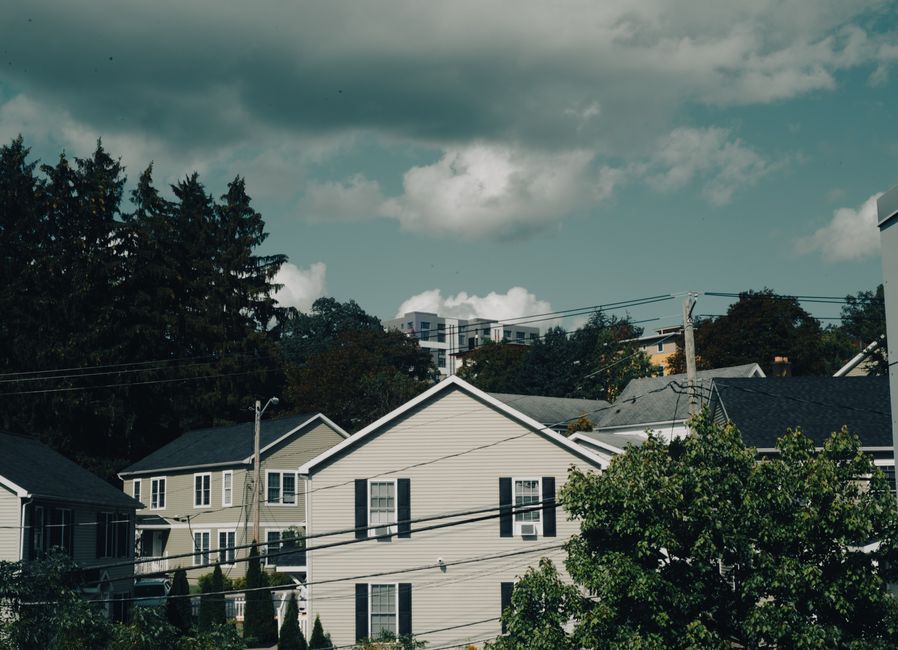
I arrived in Providence on a gray March afternoon, the kind of day where you can't tell if it's about to rain or just perpetually threatening. Having spent the last few years interviewing people who'd picked up and moved for retirement, I wanted to see what this place actually offered—not what the tourism board claimed, but what daily life looked like for someone actually living here on a fixed income.
Rhode Island's smallest-in-the-nation state capital has developed a genuine reputation as a comeback city. The arts scene is real, the food is legitimately good, and unlike some reinvented New England mill towns, Providence doesn't feel like it's performing for visitors. But that same revitalization that makes it appealing to younger professionals also drives up housing costs. For retirees, that creates a real tension worth examining before you commit to moving here.
The Cost of Living Reality
Providence won't be cheap. Housing is the elephant in every room. A modest two-bedroom house in decent neighborhoods will run you $350,000 to $500,000+ depending on location. Rental apartments—and plenty of retirees rent rather than buy—start around $1,200 for a one-bedroom in less trendy areas and climb quickly from there. If you're coming from rural areas or the deep South, those numbers might shock you. If you're coming from Boston or New York, you might actually feel relieved.
Groceries, utilities, and gas prices track close to the New England average, which is to say above the national mean. But here's what kept coming up in conversations with older locals: the grocery stores are accessible, neighborhoods are walkable enough to reduce car dependence for some people, and you're not paying California-level prices for basic services. A meal at a casual restaurant runs $12 to $18. A doctor's visit copay won't surprise you if you've lived anywhere else in the Northeast.
One detail worth noting: Rhode Island has no sales tax on clothes or groceries, which is an actual small advantage when you're buying things regularly. It's not going to change your financial picture, but it's real.

Healthcare Access and Facilities
This matters more for retirement decisions than it probably should, but it does. Providence has Rhode Island Hospital and the Miriam Hospital, both major academic medical centers affiliated with Brown University. Neither is struggling for resources or reputation. The state has decent doctors per capita and you won't feel like you're fighting to find specialists. That said, if you need highly specialized care, Boston is 50 minutes north, and that's the real regional medical hub.
The Rhode Island Senior Health Center operates clinics around the city, and the network of aging services is better coordinated than in many comparable cities. I'm not saying it's perfect—no American healthcare system is—but you won't be choosing Providence despite its medical resources. You'll be choosing it in spite of things like weather, and the healthcare angle will actually work in your favor.
Winters Are Real. Plan Accordingly.
Let me be direct: if you moved to Florida or Arizona specifically to escape snow, Providence is not your retirement destination. The winters are long. They start in November and don't really break until April. You'll get snow—usually 25 to 30 inches per season—and plenty of gray, cold days without sun. February is basically designed to test your psychological resilience.
But here's the counterpoint I heard consistently from people actually living through retirement here: most years it's not brutally cold. You're not enduring Minneapolis winters. The city's on the water, which moderates extremes. And if you like the idea of actual seasons, of autumn being distinct from spring, of not living in a climate-controlled bubble year-round, then Providence's climate isn't a bug—it's part of what you're choosing.
The real question is: would you use the access to skiing, hiking, and seasonal activities that the Northeast offers? Because if you would, the climate is fine. If you're going to spend November through March indoors anyway, you're making a choice that requires honesty about your actual lifestyle.
What You Need to Know About Taxes
Rhode Island taxes aren't terrible, but they're not an incentive either. The state has an income tax that hits 5.99% at the top rate. If you're living on Social Security and withdrawals from retirement accounts, you'll be paying state income tax on most of it—though Rhode Island does provide some breaks for Social Security income and retirement benefits compared to other New England states. This is worth discussing with an accountant, not something I can prescribe as good or bad for your situation.
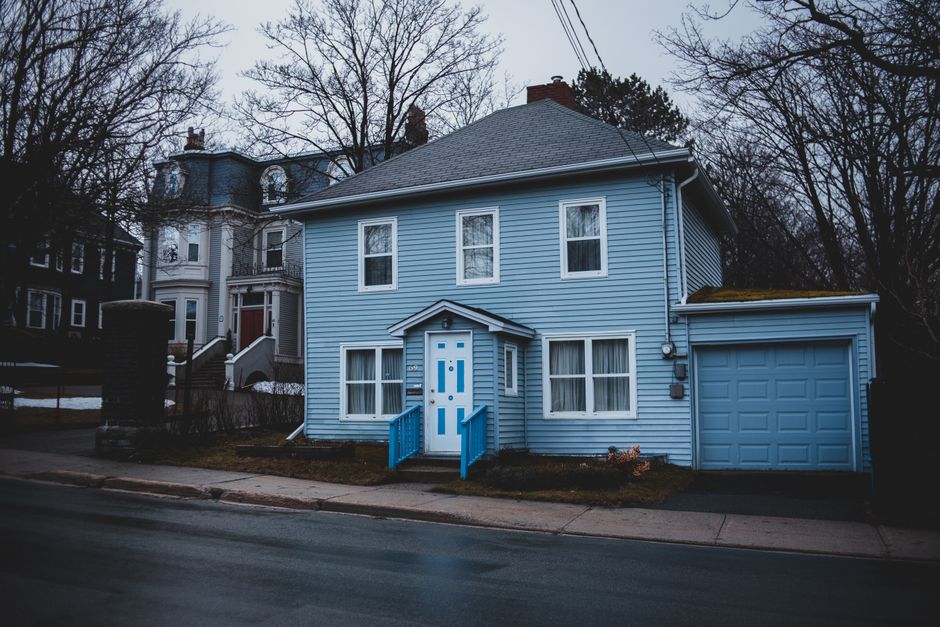
Property tax rates vary by municipality but hover around the state average of 1.2% of assessed value. For Providence proper, you're looking at slightly higher than that. If you own a house outright, you'll still owe annual property tax, which is something people relocating from no-tax states sometimes underestimate. It's not shocking by Northeast standards, but it's worth factoring into your numbers.
College Hill and East Side: The Educated Neighborhood Play
College Hill is what most newcomers think of when they picture Providence retirement. It's anchored by Brown University, tree-lined streets, good restaurants, galleries, and a genuine intellectual buzz. Property values reflect that—you're paying for the culture, not just the house. If you're someone who'd actually use the university's lectures, performances, and libraries, and if you want to walk to coffee shops and vintage bookstores, this makes sense. A lot of older professionals and academics choose it specifically for those reasons.
East Side neighborhoods—Blackstone, Fox Point, historic Federal Hill—feel slightly more residential and slightly less expensive, though the gap is narrowing. You get easier street parking, quieter blocks, and still walkable access to the city's good parts. The Rhode Island School of Design (RISD) is right there, which means the area stays vibrant without feeling overrun by college bars and late-night chaos. Several people I spoke with had moved here in their 50s or 60s and settled into the East Side, saying they got the city without the noise.
Barrington and Nearby Options: The Quieter Play
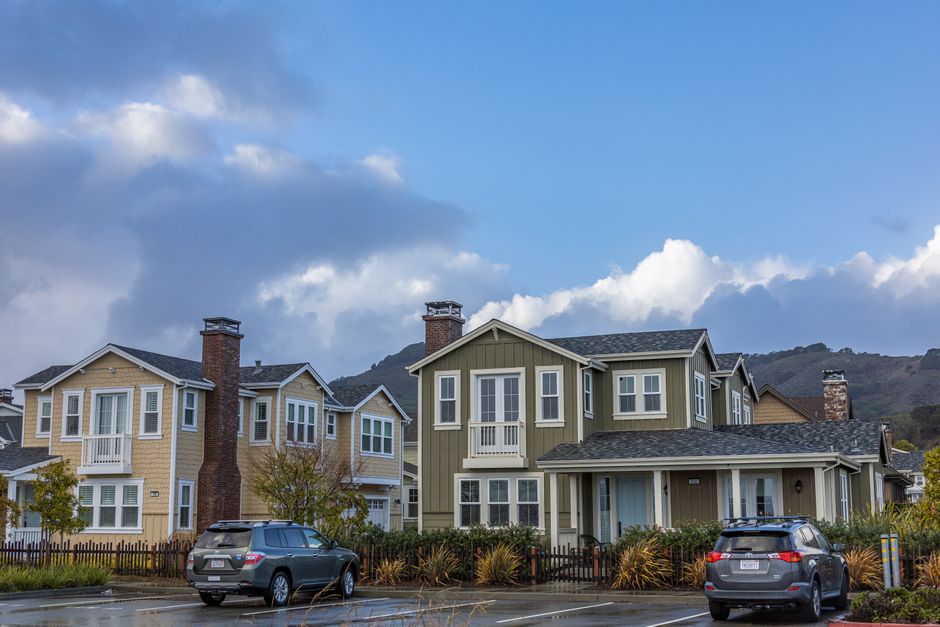
If Providence proper feels too dense or expensive, Barrington—just 15 minutes northeast—offers a completely different lifestyle. It's a commuter-town suburb with excellent schools (still relevant if you're thinking about grandkids), quieter streets, and a small-town feel while maintaining connection to the city. Housing is more expensive per square foot here than in Providence itself, but you're buying different things: more space, yards, small-town walkability rather than urban walkability.
Warwick, south of Providence, functions similarly but with more working-class character and lower prices. You're trading some cultural density and urban energy for more conventional suburban retirement—good transit, decent medical access, cheaper housing. It's the play if you want Rhode Island's location but not the urban density, and it's where a lot of retired state government workers and middle-class folks actually settle.
Cranston and Coventry round out the nearby-town options, each with their own character. The point is you're not limited to Providence proper. You can live 20 minutes out and still have access to the city's resources while getting more house for your money.
The Walkability and Community Angle
One thing that came up repeatedly in conversations with retirees here: Providence is small enough to be manageable. If you're someone who wants to stay engaged and active without maintaining a two-car household or driving 30 minutes to social activities, that matters. The arts scene is legitimate—theaters, galleries, the RISD museum—and it's not gatekept by wealth the way some Northeast art scenes are. You can stumble into things.
The city has a growing network of neighborhood groups, gardening clubs, and cultural organizations. Providence's food scene punches above its weight, with serious restaurants and casual spots where you'll see the same faces regularly. That's either appealing or claustrophobic depending on your personality, but it's true.
The Honest Verdict
Providence works for retirement if you want urban culture, access to healthcare and services, proximity to Boston when you need it, and you're not trying to escape winter. It doesn't work if you're optimizing primarily for cost—you can retire more cheaply in most other directions. And it requires real honesty about whether you'll actually use the things that make Providence interesting, or whether you're just moving somewhere because it sounds nice.
The people I met who were happiest here had moved deliberately, not because they'd heard it was a comeback city, but because they'd visited, recognized they'd use the museums and restaurants and walkability, and accepted the trade-offs on cost and weather. If that describes you, it's worth a closer look. Spend a winter here first, though. No amount of reading will tell you whether you can actually live through it.