
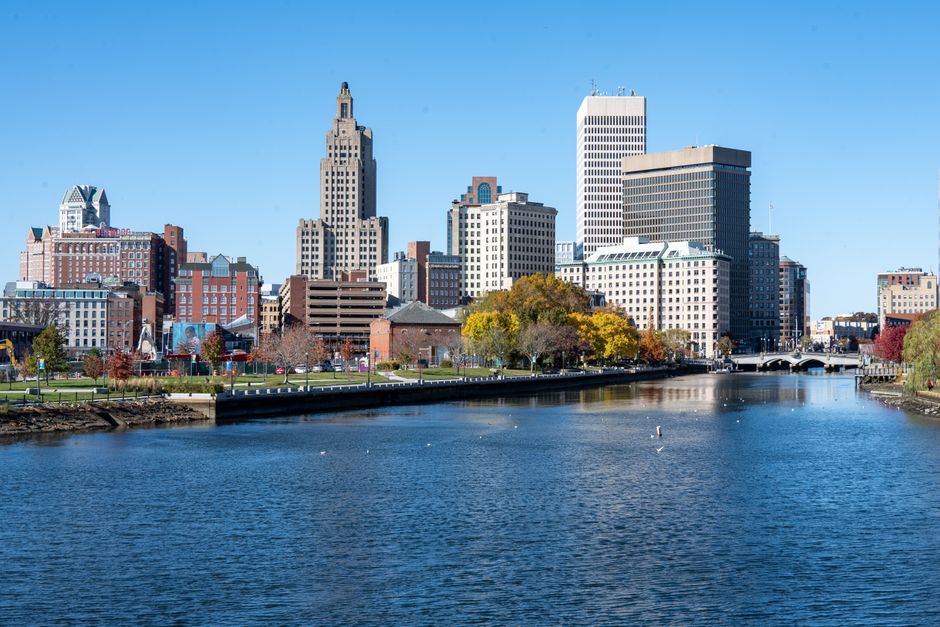
I arrived in Providence on a gray March afternoon, rolling in on RIPTA from Boston with a backpack and a decent map. The city surprised me—it's compact enough that you can walk most neighborhoods in an afternoon, and the downtown corridor around Benefit Street has real charm. But like any city you don't know, you learn fast that Providence has its rhythms, its safer hours, its blocks you move through differently at night versus midday.
I spent three weeks here, stayed in different parts of town, talked to locals at coffee shops and bars, checked the police department's publicly available crime data, and walked the streets at various times. What I found is pretty reassuring: Providence isn't dangerous in the way some people reflexively think of older industrial cities in the Northeast. Most visitors and solo travelers move through without incident. But there are real patterns worth understanding—places and times where caution makes sense, and neighborhoods where your street smarts matter more at 11 p.m. than at noon.
Overall Safety Reality
Providence's crime figures have fluctuated over the past decade, but the city ranks around middle-of-the-pack for mid-size American cities—better than some, not as safe as suburban New England towns. The most common issues are property crime and occasional street-level drug activity, not random violence against tourists. Tens of thousands of people live and work here, students attend classes at Brown and RISD, and most days the city functions like any other.
The Providence Police Department publishes crime statistics by district, and those numbers are worth glancing at if you're the research-first type. What jumps out is that certain blocks see more property crime, while others are relatively quiet. The reality is also that crime isn't evenly distributed—three blocks can feel very different from one another.
Olneyville and the West Side
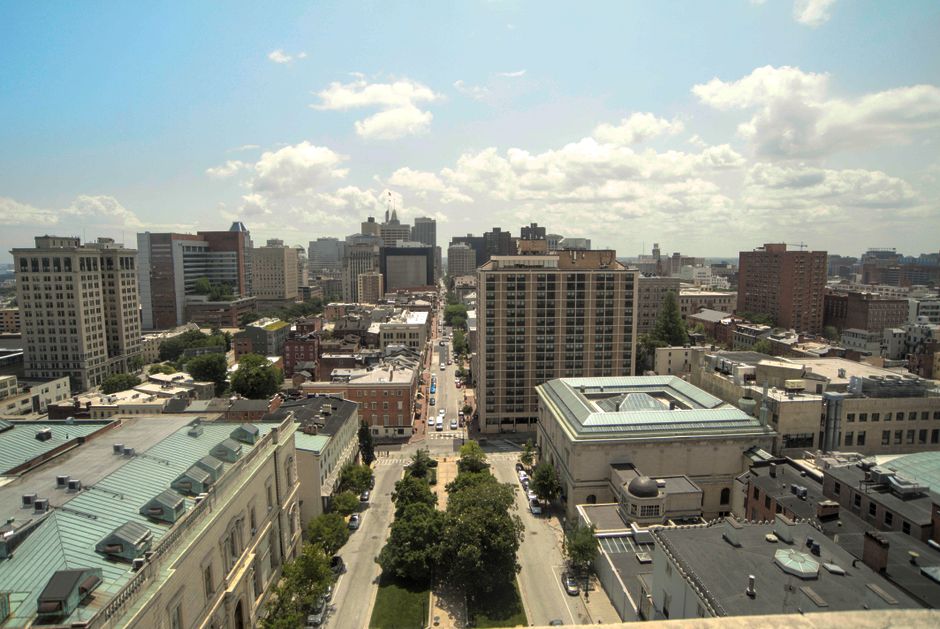
Olneyville, west of downtown along Westminster Street, has historically reported higher property crime rates and more visible street-level issues. Solo travelers aren't the target here, but it's also not where you'd want to wander at night or leave a rental car unattended with valuables visible. The neighborhood has real residents, good taquerias, and legitimate reasons to visit, but go with purpose, during daylight, and keep your phone and bag close.
The broader West Side, including parts around Charles and Broad Streets, follows similar patterns. These aren't scary places—I've walked through in daylight and felt fine—but they're parts of Providence where you notice more obvious poverty, occasional aggressive panhandling, and the occasional person struggling with addiction. It's the reality of an industrial city with real economic stress. Visit if you want; just don't do it at 2 a.m., and stick to well-traveled routes.
Downtown After Dark (And the Kennedy Plaza Situation)
Downtown Providence itself is safe and walkable during business hours and early evening. The area around Kennedy Plaza—the main bus hub between Washington and Dorrance Streets—is honestly the one spot where I'd specifically tell solo travelers to be thoughtful. It's a transit node, and like most urban bus stations, it draws a mix of people, some of them actively homeless or dealing with mental health crises. During the day it's fine; at night it feels less controlled. If you're arriving or departing on RIPTA late, use a taxi or rideshare from the station rather than walking into the surrounding blocks alone.
The rest of downtown—Weybosset, Westminster, the Arts and Entertainment District—is genuinely pleasant, especially in the evenings when restaurants and bars are open. There's foot traffic, people are out, and the police presence is visible. I felt safe walking these blocks at 10 p.m. on a Thursday. By midnight, it thins out, and that changes the calculus.
Smart Precautions That Actually Work
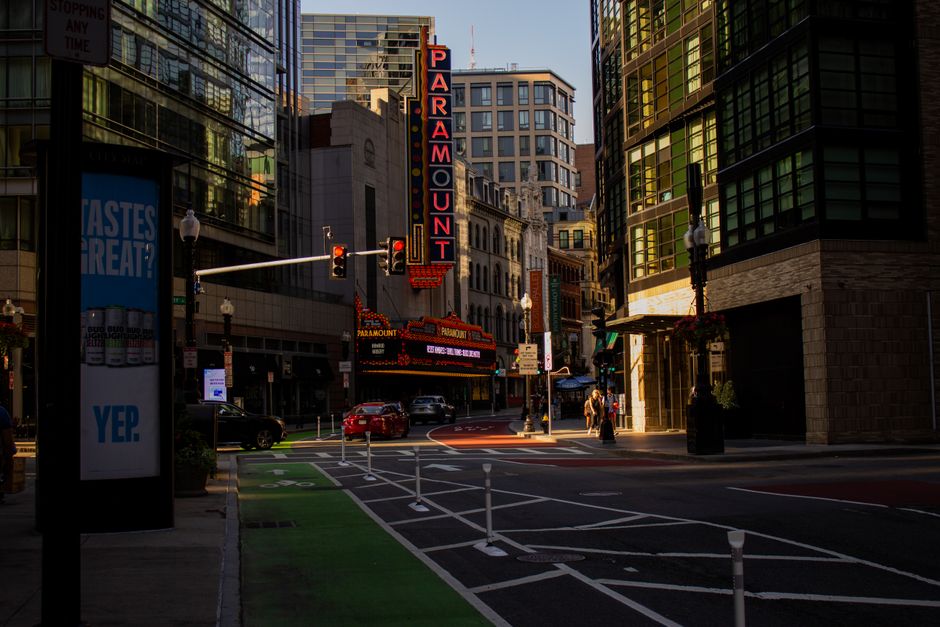
Use RIPTA or a rideshare if you're getting around after dark. The bus system is reliable and cheap; a ride costs less than two dollars with a pass. Uber and Lyft are available and price reasonably. A cab from Kennedy Plaza to the Arts and Entertainment District runs about six to eight dollars. That's not a luxury—it's just practical.
Stay on major streets if you're walking at night. Benefit Street, the downtown commercial strips, the route to Brown's campus—these are lit and populated. Cut through quiet side streets at 1 a.m., and you're introducing risk you don't need. In the day, exploration is fine. At night, stick to the main roads.
Don't display expensive gear carelessly. A laptop, high-end phone, or jewelry sitting on a cafe table is an invitation in any city. Providence's pickpocketing and theft isn't worse than average, but it exists. Keep your bag zipped, your phone in your pocket, and cash separated. This isn't paranoia; it's just how you live in a city.
Neighborhoods That Are Actually Fine
The East Side—College Hill, the area around Brown—is very safe and student-friendly. You'll see more cops here, and the neighborhood is wealthy and well-maintained. Walking here at night is standard. Wickenden Street's restaurant and bar scene is active and walkable after dark.
Federal Hill, the Italian neighborhood on the north side, feels secure and family-oriented. Prince Street's restaurants draw crowds, the blocks are well-lit, and crime reports here are lower. It's a legitimate neighborhood where people live and socialize. Same with parts of the South Side that have been gentrifying—Cranston Street's coffee shops and the growing restaurant corridor feel alive and low-risk.
Downtown during events—the Providence Performing Arts Center, the convention center—draws enough people that streets feel genuinely safe. If you're going out for dinner or a show, you're in a safe environment.
Practical Street Awareness
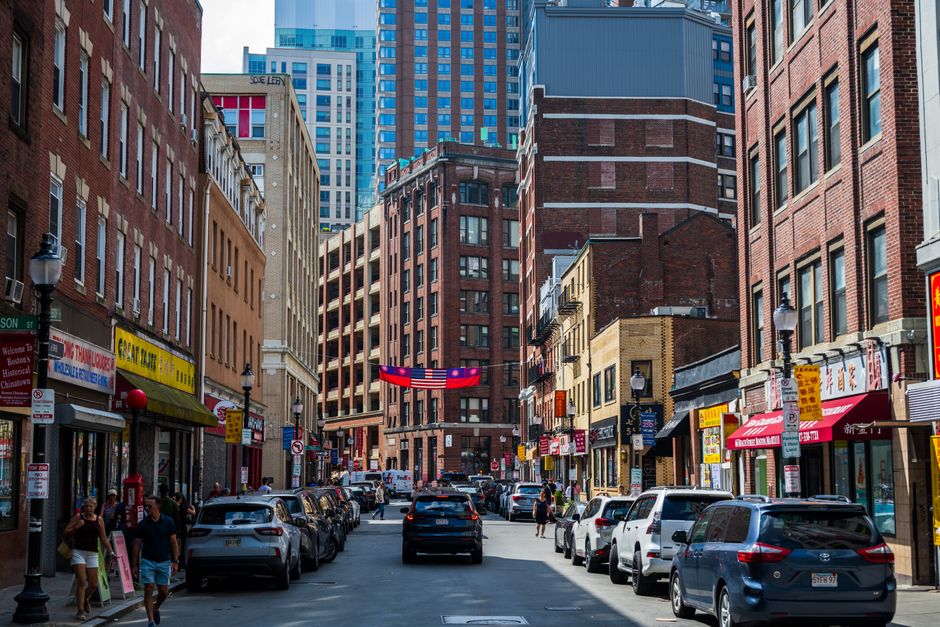
Notice who's around you and adjust accordingly. If a street feels off—sparse, tense, people eyeing you—take another route. Your instinct matters. I moved away from an area near Kennedy Plaza late one evening because the energy felt different, and I'm not going to tell you I was overreacting.
Trust local recommendations. If someone at your hotel says avoid a block at night, listen. If a restaurant owner suggests taking a cab home, that's worth considering. Locals have pattern recognition you don't yet have.
Keep an offline map downloaded on your phone or carry a paper one. Being obviously lost and checking your phone repeatedly makes you a target. Knowing where you're going projects confidence.
What Probably Won't Happen
Random violent assault targeting tourists is rare. Mugging exists but isn't epidemic. You're not likely to be followed, threatened, or made to feel physically endangered if you're moving through Providence using normal city sense. I walked these streets alone multiple times at night, including some questionable-idea walks through neighborhoods I shouldn't have wandered through just to see them. Nothing happened. Most people's Providence visits involve zero safety incidents.
The media narrative around urban crime often outpaces reality. Providence isn't crime-free, but it's also not a place where solo travelers need to feel trapped in their hotel. You'll see homeless people, occasional aggressive panhandling, visible poverty, and street-level drug dealing in certain spots. That's what you're actually managing—not imminent danger, but discomfort and the need for awareness.
The Honest Takeaway
Providence is a livable city where thousands of people move around safely every day. Solo travelers visit without incident all the time. Your main job is staying aware—the same awareness you'd use in any city larger than twenty thousand people. Move with purpose, use transit after dark, avoid displaying valuables, and keep to lit and populated routes in the evening.
The city rewards curiosity. The museums, the food, the neighborhoods with actual history—those are real draws. Just visit them with the same situational awareness you'd bring to Boston or Hartford or any comparable mid-size city. Providence won't disappoint you, and you probably won't have a safety issue either.



