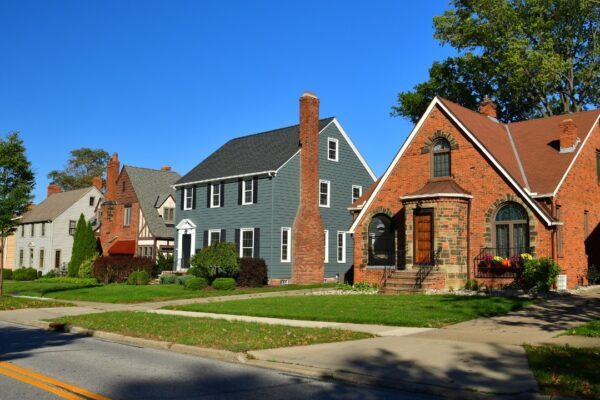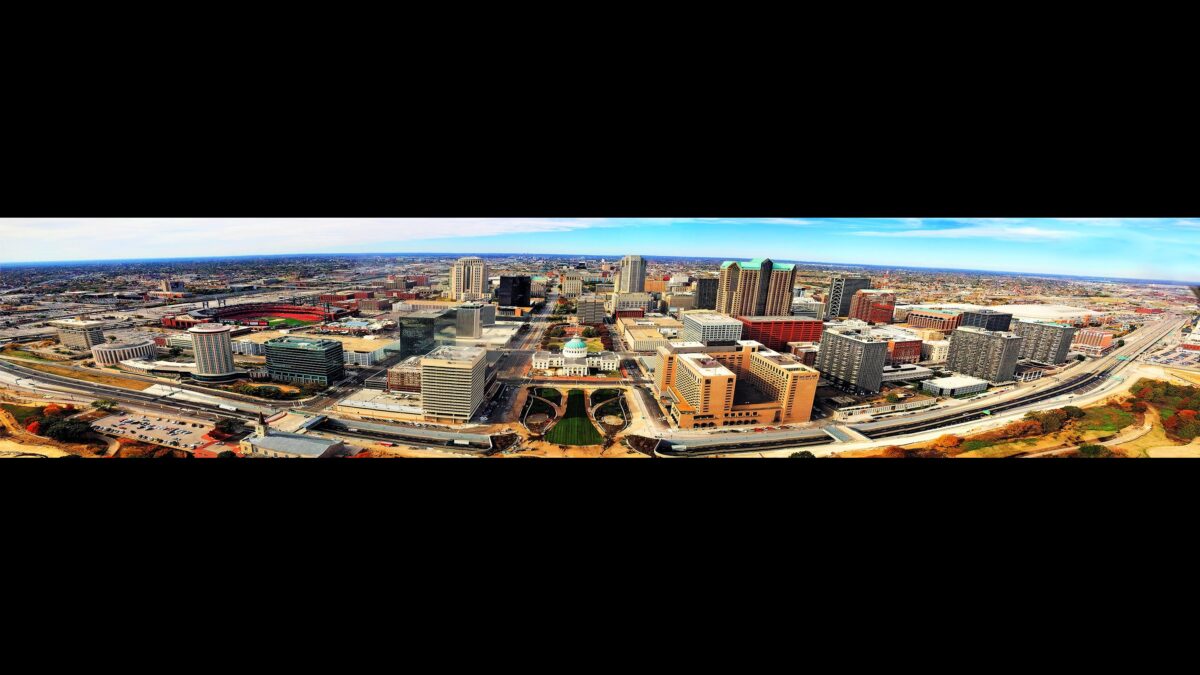
St. Louis is one of America’s great value cities: red-brick architecture, a world-class park system, and housing costs far below coastal metros. The city’s neighborhoods each carry a distinct identity — from the gas-lit streets of Lafayette Square to the Italian restaurants of The Hill and the art galleries of the Central West End. If you’re considering a move in 2026, here are ten St. Louis neighborhoods that consistently rank among the best places to live.
TL;DR: St. Louis offers remarkable affordability paired with real urban character. Central West End, Soulard, and Lafayette Square lead for walkability and architecture, while Maplewood, Clayton, and Webster Groves appeal across the county line. Forest Park — larger than New York’s Central Park — anchors the city’s green space.
Central West End
The Central West End is St. Louis’s most cosmopolitan neighborhood, centered on the lively Euclid Avenue corridor of restaurants, galleries, and sidewalk cafes. Tree-lined streets of early-1900s mansions and elegant apartment buildings give it a classic, established feel, and its location next to Forest Park and the Washington University medical campus makes it a magnet for professionals and academics.
Soulard
One of the city’s oldest neighborhoods, Soulard is famous for its French colonial roots, weekend farmers market — one of the largest in the Midwest — and a legendary Mardi Gras celebration. Brick rowhouses and shotgun homes line its streets, and its concentration of bars and live-music venues keeps it one of the city’s most social districts. It suits buyers who want history, community, and nightlife in one package.
Tower Grove South
Anchored by Tower Grove Park, this South City neighborhood is known for its diversity, international restaurants, and handsome brick four-squares and bungalows. The commercial strips along Grand and Morganford offer coffee shops, taquerias, and vintage stores at prices well below the Central West End. It’s a favorite for first-time buyers and anyone who values an eclectic, welcoming community.
Lafayette Square
Built around one of the city’s oldest public parks, Lafayette Square is a showcase of Victorian architecture — Second Empire mansard roofs, wrought-iron fences, and gas street lamps. After decades of restoration, it’s now one of St. Louis’s most picturesque addresses, popular with buyers who want historic character within minutes of downtown.
The Hill
St. Louis’s beloved Italian-American neighborhood, The Hill is synonymous with family-owned restaurants, bocce clubs, and old-country pride. Modest brick bungalows and shotgun homes make it relatively affordable, and its tight-knit community feel is the real draw. Baseball fans will recognize it as the childhood home of Yogi Berra and Joe Garagiola.
Cherokee Street / Benton Park
Cherokee Street is the creative heart of South St. Louis — a commercial corridor of antique shops, Latinx-owned businesses, art galleries, and some of the city’s best tacos. The surrounding Benton Park neighborhood offers sturdy brick homes at some of the most accessible prices in the city. It’s the pick for artists, young buyers, and anyone who prizes authenticity over polish.
Shaw
Just west of Tower Grove, Shaw is a quiet, architecturally rich neighborhood of grand brick homes around Shaw Park and the Missouri Botanical Garden. It’s more residential and subdued than its neighbors, which is exactly the appeal: beautiful streets, mature trees, and easy access to the Garden’s 79 acres. Ideal for buyers who want elegance without the Central West End price tag.
Maplewood
Technically an independent municipality just west of the city line, Maplewood functions as a St. Louis neighborhood in every way that matters. Its walkable downtown on Manchester Road is packed with craft breweries, restaurants, and indie shops, and its bungalow-lined streets attract young families priced out of pricier suburbs. It blends small-town governance with urban energy.
Clayton
Clayton is St. Louis County’s business and civic center — home to corporate headquarters, the county courthouse, and some of the region’s best-funded schools. Downtown Clayton’s restaurants and the nearby Shaw Park draw professionals who want a suburban base with urban amenities. Housing runs pricier here, from luxury condos to stately single-family homes.
Webster Groves
Webster Groves is the classic inner-ring suburb: historic homes, excellent schools, a walkable Old Webster business district, and a strong sense of community. Its tree-canopied streets and highly rated school district make it one of the most sought-after family addresses in the metro, with home prices reflecting that demand.
FAQ
What is the best neighborhood in St. Louis for 2026?
Central West End leads for amenities and walkability, Soulard for community and nightlife, and Lafayette Square for historic architecture. For families, Webster Groves and Clayton top most lists. The right choice depends on whether you prioritize urban energy, schools, or value.
Is St. Louis an affordable place to live?
Yes — St. Louis is consistently ranked among the most affordable major metros in the U.S. Both home prices and rents run well below the national average for large cities, which is one reason the region attracts relocators. See how it compares in our guide to the cheapest U.S. cities to rent in 2026.
Is Forest Park really bigger than Central Park?
Yes. Forest Park spans about 1,371 acres, compared to roughly 843 acres for New York’s Central Park. It holds the Saint Louis Zoo, the Saint Louis Art Museum, the Missouri History Museum, and the Muny amphitheater — most attractions free to visit.
Which St. Louis neighborhoods are most walkable?
Central West End, Soulard, and the Cherokee Street corridor are the most walkable city neighborhoods, with dense commercial streets and transit access. Maplewood’s downtown is highly walkable too, though much of the metro remains car-dependent.
Is St. Louis safe?
Like any large city, safety varies significantly by neighborhood. The areas covered in this guide — Central West End, Soulard, Lafayette Square, The Hill, Clayton, and Webster Groves among them — are generally considered among the safer and more stable parts of the metro. As always, research specific blocks and talk to locals before buying or signing a lease.
What is the job market like in St. Louis?
St. Louis has a diversified economy anchored by healthcare (BJC HealthCare, SSM Health), financial services, and agribusiness — the region is home to major employers and a growing startup scene around Cortex and the 39 North innovation district. Washington University also drives significant employment.
What is the weather like in St. Louis?
Expect four distinct seasons: hot, humid summers; colorful falls; cold winters with occasional snow; and stormy springs. Tornado awareness is part of life in the region — the National Weather Service office in St. Louis provides alerts, and most homes have basements.
Why is St. Louis known for brick architecture?
St. Louis sits atop rich clay deposits, and 19th-century brickmaking made brick the default building material. The result is one of the largest collections of historic brick architecture in America — from Soulard’s rowhouses to Lafayette Square’s Victorians.