I arrived in Tucson on a late afternoon in March, driving in from the north on I-10 with the city spreading out across the desert floor below me. The Saguaro cacti were blooming. The air was dry, the kind of dry that makes your lips crack by evening. I'd come to spend time understanding what the city actually offers to people looking at their final move—not the tourist version, but the daily reality of living here year-round as someone who might have just left their career.
Tucson gets pitched as a retirement destination constantly. It's cheaper than Phoenix, people say. The weather is sunny. There's culture, hiking, good Mexican food. All of that is true, more or less. But before you start calling real estate agents, there are some real things to understand about money, healthcare, the brutal summers, and which neighborhoods actually feel like places you'd want to spend decades.
Cost of Living: Lower Than You'd Think, But Taxes Complicate It
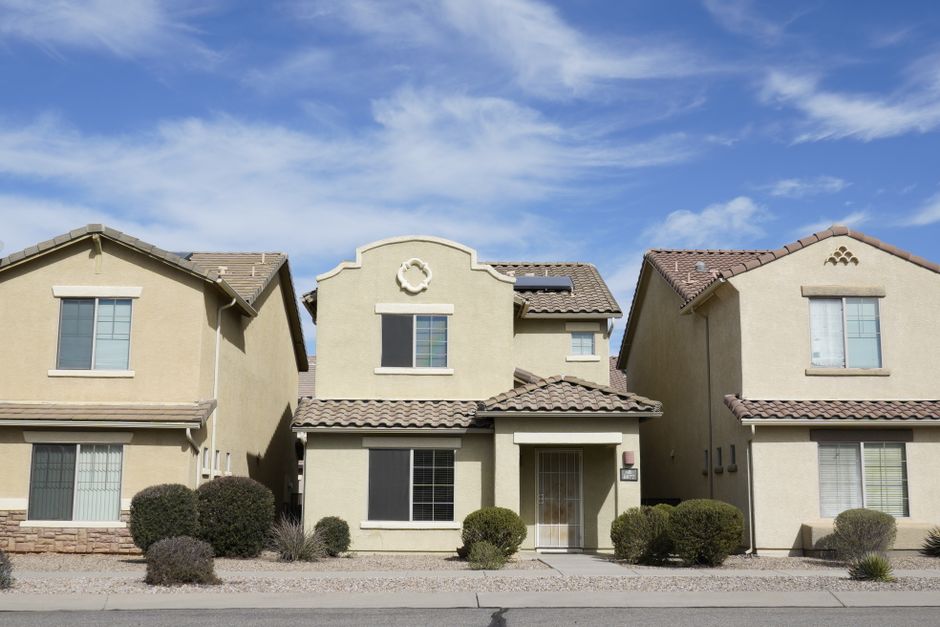
Housing here is genuinely cheaper than most of the Southwest. A decent two-bedroom home in an established neighborhood runs significantly less than comparable properties in Phoenix, Albuquerque, or anywhere in California. Rental prices follow the same pattern—if you wanted to rent first to test the waters, you can do it affordably. Utilities are reasonable except in summer, when air conditioning becomes a fixed expense of living, not a luxury.
Groceries, restaurants, and general services track with national averages, maybe a touch lower. That said, Arizona's overall tax situation deserves a close look before you commit. The state has no income tax on Social Security benefits, which is genuinely useful if that's your primary income stream. Property taxes are moderate—Arizona assesses property at 10 percent of value before applying a rate. Sales tax is higher than some states (around 8-9 percent depending on jurisdiction). If you're making the decision on tax grounds alone, you should talk to a financial advisor who knows both your old state's tax structure and Arizona's specifics.
The real money saver in Tucson isn't any single thing. It's the combination: housing that doesn't consume half your income, no state income tax on certain retirement sources, and an absence of the cost-creep you see in booming cities. That said, a comfortable retirement budget here isn't dramatically lower than living in a modest Midwestern city. It's meaningfully lower than the coasts.
Healthcare: University of Arizona Medical Center and Competition
This is where location actually matters. Tucson has the University of Arizona College of Medicine and its affiliated medical center—Banner University Medical Center—which means you've got a major academic hospital system in your town. That's not a small thing for retirees. There are specialists, emergency services, and the infrastructure that comes with a medical school. Banner also operates other facilities in the area.
Beyond the big hospital, there are independent practices, urgent cares scattered across the city, and a fair number of doctors who still take Medicare, though like everywhere else in the country, you'll want to call ahead and confirm. Phoenix is 120 miles north if you need something super specialized, but most basic and intermediate healthcare doesn't require that drive.
The point I'd make: the healthcare situation in Tucson is respectable for a city its size, but it's not Mayo Clinic-level. If you need cutting-edge cancer treatment or have a rare condition, you might find yourself traveling to Phoenix or beyond. For standard retirement healthcare—managing blood pressure, knees that hurt, regular screenings—you're fine. This is a factor worth investigating with your own doctors before you move.
The Heat Is Real. So Is the Rest of the Climate.
Let's be direct: Tucson is brutal from June through September. Temperatures routinely hit 105-110 degrees Fahrenheit. You're not outside for leisure during those months unless you're in a pool or up in the mountains. Air conditioning isn't optional—it's infrastructure. If your fantasy of retirement involves sitting on a porch reading a book most days, you'll be doing that indoors from June through mid-September, or you're reading near a pool.
The flip side is that November through April is stunning. Genuinely. Seventy degrees, dry, crisp mornings. The light at sunset is the kind that makes you understand why people came to the desert in the first place. Winter residents flock here for exactly this reason. If you're the type who hibernates in winter, Tucson will frustrate you. If you're fine inside during summer heat and want to spend nine months in near-perfect outdoor weather, this scratches that itch.
Spring (March-May) and fall (October-November) are the sweet spots. Summer requires accepting that you'll be mostly indoors or highly dependent on water-based activity. If you have respiratory issues, the dry air can be either very good or problematic depending on your specific condition—something to discuss with a doctor.
Oro Valley and Tucson North: The Quieter, More Established Route
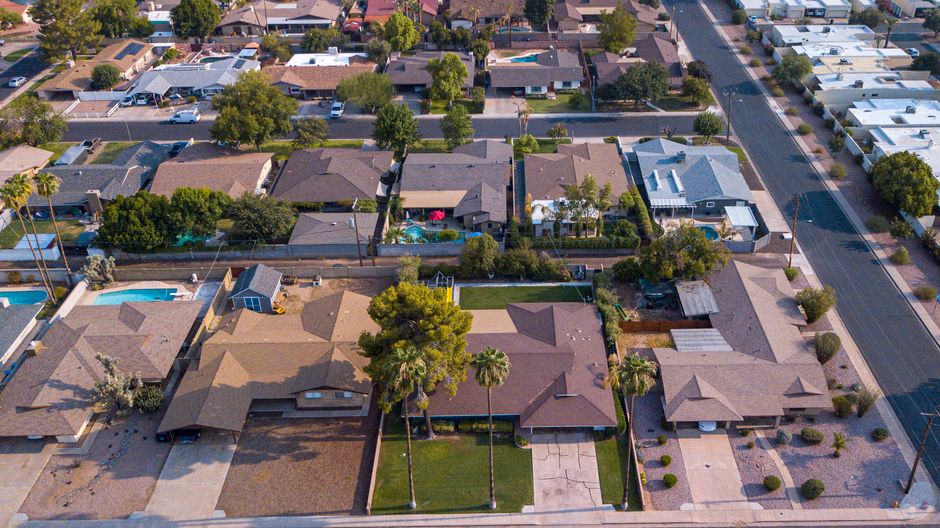
Oro Valley sits north of Tucson, about thirty minutes from downtown, nestled up toward the mountains. It's the kind of place that gets described as "master-planned" and "suburban," which either appeals to you or sends you in the other direction. The draw is straightforward: newer homes, good schools (even if your grandkids aren't using them, it affects property values), low crime numbers, and a real sense of an actual community with a town center. It's not wildly cheap, but it's cheaper than equivalent neighborhoods in Phoenix.
Retirement living here skews comfortable and organized. There's a golf course, decent restaurants, shopping. The community has an established infrastructure that doesn't feel improvised. If you want your retirement to involve country clubs, planned social activities, and a neighborhood where everyone has a truck or an SUV, this is the most obvious choice in the Tucson area.
Tucson North—the neighborhoods spreading up toward the Catalina Foothills—offers a similar feel but slightly closer to downtown. You get proximity to more restaurants and cultural things while keeping the quiet, established community vibe. Real estate here runs higher than elsewhere in Tucson, and the neighborhoods trend toward people who still have money and want to feel like they do.
The Catalina Foothills and Central Neighborhoods: More Character, Mixed Results
The Catalina Foothills neighborhoods sit higher in elevation to the north and east, closer to the mountains themselves. Saguaro cacti are part of the landscape. Hiking is literal minutes from your house. This area attracts retirees who wanted to leave the city but didn't want to leave Tucson—which is a strange sentence, but it makes sense when you visit. You're still in Tucson, still near shopping and services, but the feeling is substantially different.
The trade-off: homes are expensive (relatively speaking), and the area can feel more insular. You're not walking to restaurants or shops. You're driving. The roads wind through the foothills, and while that's beautiful, it also means an accident or bad winter weather actually isolates you. Healthcare access requires traveling down the mountain. This is a romantic choice for active, fairly affluent retirees, not a practical choice for everyone.
Central Tucson neighborhoods like the University District or near downtown offer walkability and younger energy, which appeals to a different kind of retiree—the ones who want culture, restaurants, maybe to stay engaged with a real city. These neighborhoods are cheaper and livelier than the foothill areas. The trade-off is exactly what you'd expect: less sense of a planned community, more urban issues, less obvious affluence. Some people find that character appealing. Others find it frustrating.

Things You Need to Know Before Moving
Water is always a conversation in Arizona. Tucson draws from aquifers and the Colorado River system. There are long-term questions about water sustainability in the entire region. This isn't a reason not to move, but it's worth thinking about realistically. This isn't like moving to a place with a big river or coastal access.
The summer season really does limit outdoor living in a way that matters psychologically. Some people adapt perfectly. Others arrive in June and call a real estate agent by July. You might want to spend a full summer month here before deciding, or talk to people actually living here year-round, not just winter visitors.
Social and cultural activities exist but require intentionality. This isn't a major metropolitan area with endless options. You might need to create your own community or join existing groups. That's either appealing or isolating depending on your personality.
Wildfire smoke in late summer and fall happens regularly. If you have respiratory concerns, this is a legitimate factor.
The Real Question
Tucson is a genuinely good retirement location if the climate suits you, you're financially comfortable with moderate housing costs but not expecting free, and you want access to solid healthcare without needing world-class specialty care on your doorstep. It's not the cheapest place in America. It's not the best healthcare hub. It's a reasonable middle ground—affordable enough, active enough, pleasant enough for a couple of seasons a year—that works well for people who fit its particular profile.
If you're imagining yourself outside most of the year, this isn't your city. If you need big-city healthcare or walkable urban life, Phoenix or Tucson's older central neighborhoods might suit better. If you're fleeing somewhere genuinely expensive and want a dramatic cost reduction, look harder at smaller towns. But if you want a city-like feel, moderate costs, nine months of genuinely good weather, and a place that already has retirees creating communities, Tucson deserves a real visit—not in February, but in August.