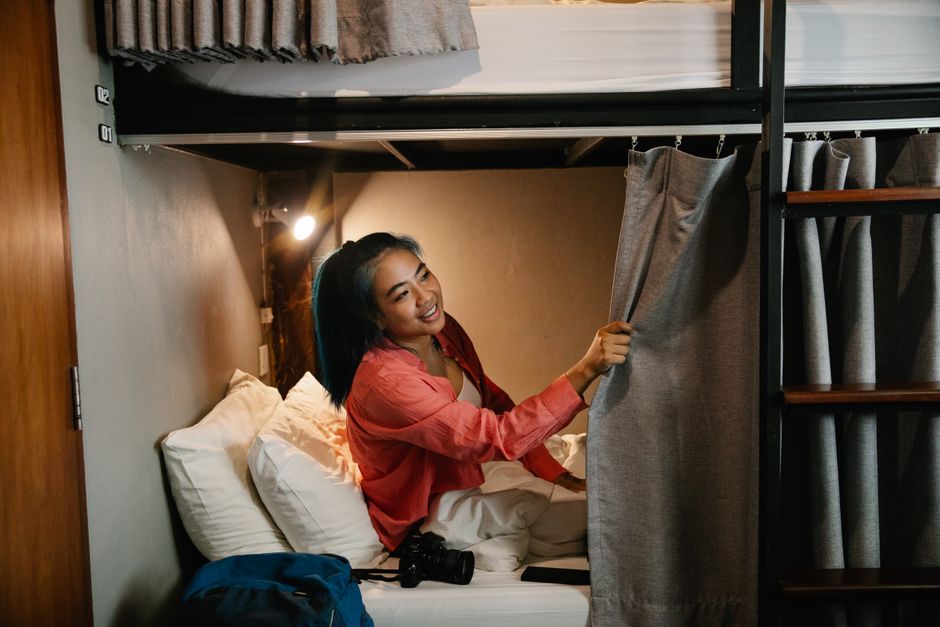
I rolled into Tucson on a Tuesday afternoon with a backpack and about $30 to my name for the night. The kind of trip where your lodging budget determines whether you eat dinner or not. The thing about Tucson that surprised me—and I've spent time in enough college towns to spot the difference—is that it doesn't feel like it's *trying* to be a backpacker haven. There's no hostel strip, no concentrated cluster of budget beds in a gentrified quarter. Instead, the options are scattered, which means you actually have to know where you're going instead of just wandering into the first converted Victorian you see.
But that also means the places that do exist tend to be run by people who actually give a damn, not just someone collecting rent from a building they've divided into boxes. I spent the better part of a week working through the real options—not Airbnb's cheapest listings (which often turn out to be someone's garage), but actual communal budget lodging where solo travelers and long-term budget folks actually sleep. Here's what I found.
The Main Hostel Draw: Tucson International Hostel
Tucson International Hostel sits a few blocks north of downtown, close enough to walk to restaurants and bars but far enough that the neighborhood quiets down at night. Dorm beds run around $32–$38 depending on season, private rooms maybe $60–$75. The place has the bones of something genuinely functional: common kitchen, a courtyard that doesn't feel like an afterthought, lockers that actually lock. I was there on a night when a half-dozen travelers were cooking pasta and swapping trail stories, which matters more than people admit when you're traveling alone.
The real test is cleanliness, and I'll be straight with you—it's passable. Not operating-room sterile, but not a health code waiting to happen either. Bathrooms get attention. Sheets are changed between guests. The dorm rooms themselves are a mixed bag: some have decent ventilation and morning light, others feel like they're in a basement (because one of them basically is). Ask for a ground-floor or upper-floor room when you check in if natural light matters to you.
Location-wise, you're about a 10-minute walk from the downtown core where most of the actual Tucson happens—restaurants, galleries, the Arizona State Museum up on campus. The Sun Link streetcar runs a few blocks away if you want to range further into midtown without burning shoe leather.

When You Want Your Own Door: Budget-Friendly Private Rooms
Here's the hard truth about Tucson budget motels: there aren't that many left, and the ones remaining are either deeply sketchy or already in the $45–$55 range, which kind of kills the "budget" label if you're comparing it to a decent hostel dorm. But if you really can't do shared bathrooms or communal sleeping, there are a couple options worth considering.
Some of the older motels on the east side—I won't name specific ones to protect the owners who are actually trying—rent by the night at rates that used to be the standard decades ago. The catch is always the same: location matters enormously. A motel two miles from downtown on a highway feels different than a hostel three blocks from restaurants, even if the per-night price is the same. You end up either paying for rideshare to get anywhere or spending your evening in the motel parking lot scrolling your phone. I've done both. Neither is great.
If you're staying more than a week, extended-stay motels around the airport area occasionally have nightly rates that work. They're designed for airport workers and contractors, not tourists, so the vibe is purely transactional. But the rooms are larger, you get a microwave and mini-fridge, and the turnover means they're usually relatively clean. Expect $40–$50 per night if you negotiate weekly rates.
The Longer-Stay Game: Monthly Rates and Weekly Discounts
If you're planning two weeks or more, the economics change entirely. Several extended-stay properties in Tucson—the kind with corporate names you'd recognize—will drop their per-night rate significantly if you commit to seven days or longer. A place charging $55 for one night might be $38 if you book a week. It's worth asking about directly rather than trusting online booking sites, which don't always show the actual negotiated rates.
The other move is looking at month-to-month furnished apartments, which are abundant in Tucson because of the university population and the snowbird winter cycle. Facebook Marketplace and Craigslist have dozens of listings from people looking for reliable short-term renters. Rates typically start around $600–$800 for a one-bedroom, which sounds expensive until you break it down: that's $20–$27 per night with your own kitchen, your own bathroom, and actual living space. For anyone staying longer than three weeks, it's almost always cheaper and infinitely more comfortable than nightly hostel rates.
The catch with furnished apartments is that you'll need to move on a timeline someone else set. You don't get the flexibility of leaving tomorrow if the neighborhood doesn't click for you. But if you know you're staying a month, the savings and privacy often make it worth the trade-off.

Neighborhoods That Don't Feel Like Nowhere
Tucson sprawls in a way that matters more than it should for a budget traveler. You can save $10 a night by staying in a motel on the south side, but then you're isolated in a way that eats your budget somewhere else—rides, food delivery, boredom tax. Downtown and the adjacent university area (north of campus, east of Stone Avenue) are where the actual walkable Tucson exists. Most budget beds worth sleeping in fall within a mile of that zone.
The streetcar I mentioned earlier actually matters here. It runs north-south through midtown and connects downtown to the university area and beyond. Free with a Sun Link pass, and it means you can stay a bit further out without feeling completely disconnected. Broadway corridor, especially east of downtown around 4th Avenue, has cheaper motels that are close enough to walk to bars and restaurants if you don't mind a 15-minute stroll.
I spent one night in a motel five miles from downtown—decent enough place, good rate—and realized at 7 p.m. that everything I wanted to do required leaving. That probably sounds obvious until you're actually trying to save money and time simultaneously. The $5 you saved on lodging gets spent on your third Uber ride of the evening.
What Actually Matters When You're Broke in a Strange City
After you've filtered for price and location, the real differentiator between a decent night and a miserable one often comes down to small things: whether the WiFi actually works (critical if you're working remotely), whether there's somewhere to sit that isn't your bed, whether the front desk person knows the neighborhood or just works there.
I also noticed that places with a genuine community element—a common kitchen that people actually use, a bulletin board with local recommendations, staff who can tell you where to eat well on seven dollars—tend to keep their standards higher across the board. It's like the place has an identity beyond just a building with mattresses. Tucson International has this to some degree. Some of the budget motels absolutely don't.
One more practical thing: book directly when you can, not through aggregator sites. You'll get the real rate, you can ask specific questions about room placement and quality, and you'll know if the place is actually open and staffed when you show up. I've had too many experiences of arriving at a booking-site address only to find a locked gate and a phone number that doesn't answer.

The Reality of Budget Sleeping in a Desert City
Tucson in summer is brutal. We're talking 110+ degrees regularly from June through September. The cheap places often have AC that works like a suggestion rather than a guarantee. If you're going to be here in the hot months, don't cheap out on this one variable. A room with solid air conditioning is worth the extra $5–$10 per night, because you'll actually sleep, which matters more than you think for physical health and your mental state on a long trip.
Water is another thing to think about. Tucson tap water is fine—literally fine, drinkable straight from the tap—but it has minerals that can upset stomachs not used to it. Bring or buy a water bottle with a filter, or just drink the bottled stuff for a few days while you acclimate. Not a hostel problem specifically, but worth mentioning since budget travelers often skip this and then spend their savings on Imodium.
Lastly: this is the Sonoran Desert, not a vacation resort town. Tucson is genuinely interesting—good food scene, actual culture, people who live here on purpose—but there's no cuteness tax built into the budget options. You're not paying extra for Instagram-worthy vibes. You're getting a bed in a real city where real people live. That's exactly the point.
Frequently Asked Questions
what is the cheapest hostel in Tucson Arizona
Tucson International Hostel typically offers the lowest rates for shared dorm beds, starting around $32–$38 per night depending on season. It's the main dedicated hostel in the city and has basic amenities like a kitchen and courtyard. Rates for private rooms at the same hostel run higher, usually $60–$75. Prices may vary seasonally, so checking their website directly for current rates is best.
are there hostels in Tucson Arizona
Yes, Tucson International Hostel is the primary dedicated hostel in the city, located within walking distance of downtown. It offers both dorm beds and private rooms. While Tucson isn't a major backpacker hub like some other Southwest cities, this hostel serves solo travelers and budget visitors consistently. Outside of this, budget options in Tucson lean more toward cheap motels and short-term apartment rentals.
how much does a hostel cost in Tucson
Dorm beds at Tucson International Hostel cost around $32–$38 per night, depending on the season and how far in advance you book. Private rooms at the same hostel are typically $60–$75. Prices are generally lower during summer months (when fewer tourists visit) and higher during winter when snowbirds arrive. Budget motels in the area can sometimes be comparable or slightly cheaper, though location matters more for value.
Which place would you book?