
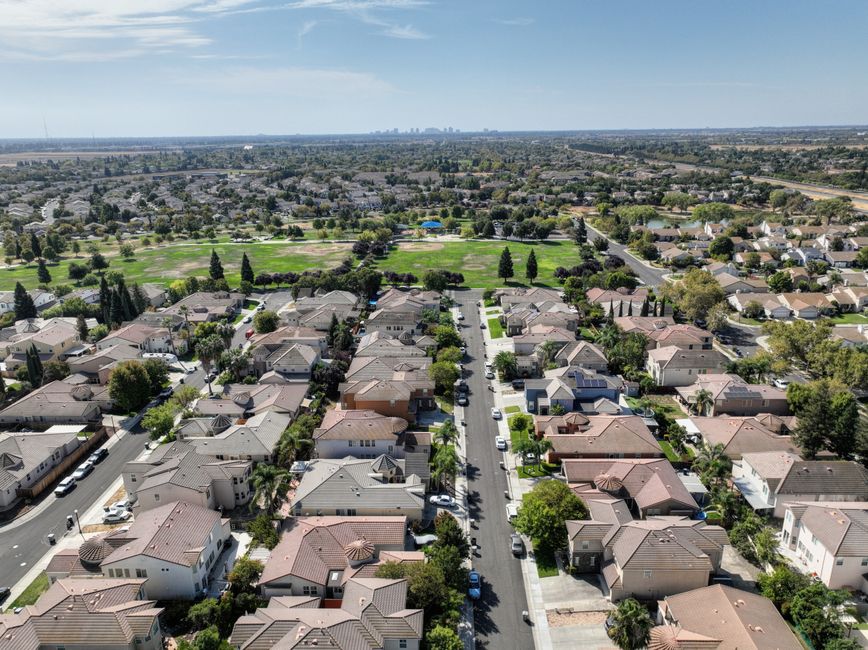
I rolled into Sacramento on a Tuesday in late March, the kind of morning where the Delta wind had already started warming things up. The city wasn't what I expected—less state-capital stiffness, more genuine sprawl. I spent a week talking to retirees, poking around neighborhoods, eating at places where people actually knew each other's names, and trying to figure out whether this place makes sense for someone ready to leave the workforce.
The question isn't whether Sacramento *can* work for retirement. It clearly does—I met people who'd been here for five, ten, twenty years, and most weren't pretending it was something it wasn't. The better question is whether it works for *you*, and that depends heavily on what you need from a retirement location.
The Cost of Living Picture
Sacramento is not cheap, but it's not the Bay Area either. Housing is the dominant factor. You'll find older, smaller homes in central neighborhoods running anywhere from mid-$400,000s to mid-$600,000s depending on the area. If you're renting, expect $1,400 to $1,900 for a decent one-bedroom apartment, depending on proximity to downtown and neighborhood amenities. Neither of these numbers is exactly inviting on a fixed income.
The rest of the daily costs—groceries, utilities, dining out—track roughly with California averages. Gas prices follow state trends. Property taxes fall under California's Prop 13 framework, which means your tax burden is capped at 1% of assessed value (with some important exceptions for new purchases and reassessments). That's worth understanding with a financial advisor if you're planning a move. State income tax in California runs 9.3% on most income levels, rising to 13.3% for top earners—something to factor in if you're working part-time or drawing from sources beyond Social Security.
The calculus changes if you own your home outright or bought years ago. It gets rougher if you're renting and relying entirely on a fixed income.
Healthcare and Medical Access
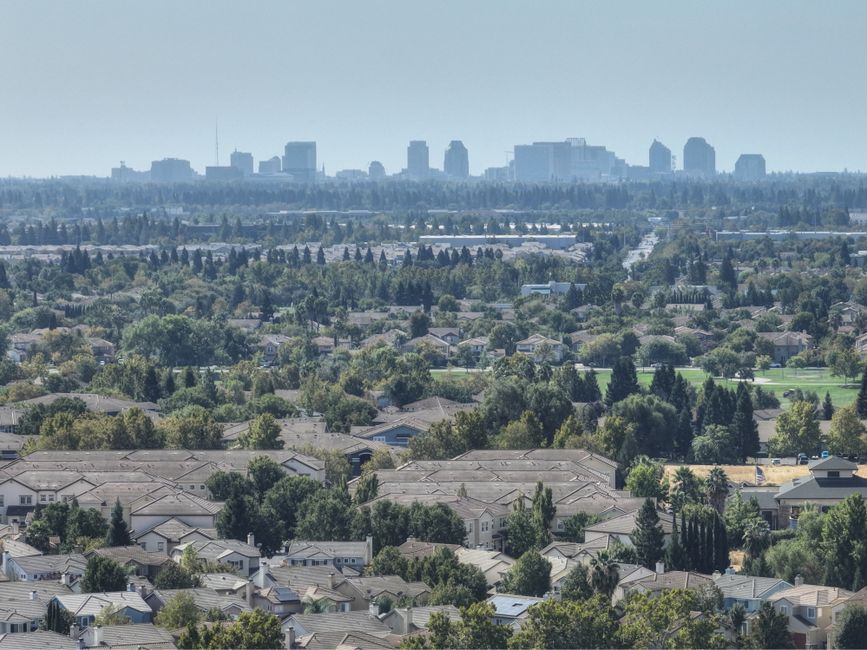
This matters more as you age, and Sacramento has genuinely solid options. UC Davis Medical Center is a full-service teaching hospital in the city proper and handles everything from routine care to serious specialty work. Sutter Health operates multiple facilities in the region. Kaiser has a significant presence. Beyond the big systems, you'll find independent practices, urgent care, and specialists scattered throughout.
Medicare coverage works here the way it works everywhere, though you'll want to research specific providers and plan options before you commit to a move. The state insurance commissioner's office has resources, and talking to current retirees in the neighborhoods you're considering beats generic research. Several retirement communities and senior living facilities exist in and around the city, ranging from independent living to full nursing care. Costs vary wildly based on amenities and location. Some are genuinely professional operations; others feel perfunctory. Visit multiple times and talk to residents, not just staff.
The Climate Trade-off
Sacramento summers are hot. Genuinely, persistently hot—regularly 95 to 100-plus degrees from July through September. If you grew up somewhere with humid heat, this feels different: dry, intense, sometimes actually tolerable in the shade with a breeze. If you're heat-sensitive or need to stay cool for medical reasons, this is a real limitation, not a minor detail.
Winters are mild. Frost is rare. Rain shows up November through March, but it's not deluge territory. Spring and fall are genuinely pleasant—exactly the kind of weather that makes you want to be outside. For many retirees I spoke with who came from colder climates, those eight-month windows of comfortable temperatures justified the summer sacrifice. Others rented during summer or spent July and August elsewhere. If you're choosing based partly on escaping winter, Sacramento delivers. If you're escaping heat, this isn't the answer.

East Sacramento and Land Park
This neighborhood sits east of downtown, centered loosely around 54th and 55th Streets, with Land Park immediately adjacent. It's where Sacramento feels most established—tree-lined streets, mid-century and older homes with actual yards, parks with real shade. Prices reflect that desirability. You're looking at the higher end of the housing market I mentioned earlier, but you're also getting walkability to shops, restaurants, and medical offices.
The demographic skews slightly older here; I talked to people in their seventies and eighties who'd lived here for decades. Schools are strong, which matters less in retirement but keeps the neighborhood from feeling abandoned. Land Park itself has a genuine lake, trails, open space—the kind of thing that keeps you moving without requiring a formal gym membership. Traffic can be heavy on the main roads, but residential blocks are quiet. It's the closest Sacramento gets to a "traditional" retirement neighborhood, if that's what you're after.
Fair Oaks and the Suburban Sweet Spot
Fair Oaks is an unincorporated community just north of Sacramento proper, about 20 minutes from downtown depending on traffic. It exists in that middle zone—not urban, not truly rural. Housing prices drop noticeably compared to central Sacramento, though you're still in California. You'll find more single-story homes and ranches here, many built in the 1960s and '70s, which means more space for less money but older systems that may need updating.
It has a small-town feel without being isolated. There's a community center with classes and activities specifically marketed to older adults. Medical facilities are accessible without requiring a drive into the city. Shopping and restaurants exist but don't define the place. Several retirees I met here mentioned choosing Fair Oaks specifically for the combination of lower housing costs and the ability to age in place without feeling stranded. It's the kind of place where you'd probably need a car, but your car wouldn't need to be in constant use.

Folsom: If You Want More Control
Folsom sits about 20 miles east of downtown, along the American River. It's been growing, which means newer development and more planned infrastructure than older Sacramento neighborhoods. Housing runs higher in price than Fair Oaks but offers newer construction and lower maintenance expectations. It's also genuinely pretty—trails along the river, a maintained downtown with actual restaurants and shops, a clear sense of town planning.
The trade-off is that it feels less established as a retirement destination, at least compared to East Sacramento. It's more family-oriented in its current growth phase. But that means services are being built out with anticipation of their use. It's a reasonable choice if you want new construction, don't mind slightly higher costs, and prefer a place still in growth phase rather than settled. The heat is identical to Sacramento proper.
Taxes and Financial Planning
California's state income tax should not be a surprise to you at this point, but it bears repeating: you'll pay 9.3% on most income. Social Security is exempt from California state tax, which matters significantly if that's your primary income source. Pension income and investment withdrawals are taxable. Property tax caps at 1% under Prop 13, but sales tax statewide runs 7.25% plus local additions, so Sacramento totals around 8.5%. None of this is unique to Sacramento, but all of it factors into the retirement budget.
Talk to a California-licensed tax professional before you make any moves. Tax planning for retirement is individualized—what works for someone living entirely on Social Security differs completely from someone with substantial investment income or part-time earnings. Similarly, decisions about primary residence, rental properties, or inheritance have real implications under California law. General internet tax talk isn't sufficient.
The Honest Version
Sacramento works best for retirees who have moderate to comfortable resources, don't mind California state taxes, can tolerate hot summers, and want a functioning city with real amenities without the Bay Area price tag or the isolation of smaller towns. It's not a paradise—no place is—but it functions. The healthcare is real. The neighborhoods have character. The weather is mostly pleasant.
It doesn't work well if you're trying to minimize costs, hate heat, or want small-town authenticity without suburban sprawl. It's not particularly trendy or exciting, which is either a relief or a drawback depending on what you're looking for. I'd recommend spending at least a week here across two different seasons before deciding. Stay in a rental, visit the neighborhoods, go to the grocery store, eat at local places, sit in traffic. Get a feel for it as a place you'd actually live rather than visit. That's worth more than any article.



