I rolled into Sacramento on a Tuesday afternoon expecting the usual state-capital quiet, and mostly that's what I found. The city's not flashy, not dangerous in the way some people assume, but it's also not uniformly safe in every corner at every hour—which is honest for a place of 525,000 people. The key is knowing where the real risks cluster and how to move through them sensibly.
I spent a week walking different neighborhoods, riding the light rail at various times, and talking to residents who actually live here year-round. What emerged wasn't a scary picture, but a realistic one. Sacramento has pockets where you should adjust your behavior—mostly around the downtown core after dark, some stretches of the older neighborhoods, and the usual transit-station caution that applies to most cities. The rest of the city, honestly, felt unremarkable in a good way.
Downtown After Dark: The Real Caution Zone
Downtown Sacramento—roughly bounded by the Sacramento River to the west, the freeway to the east, and from Capitol Mall south to the rail yards—sees the city's highest concentration of property crime and street-level incidents. Local police reports consistently flag this area for theft, catalytic converter theft, and occasional aggravated assaults, especially late evening and night hours.
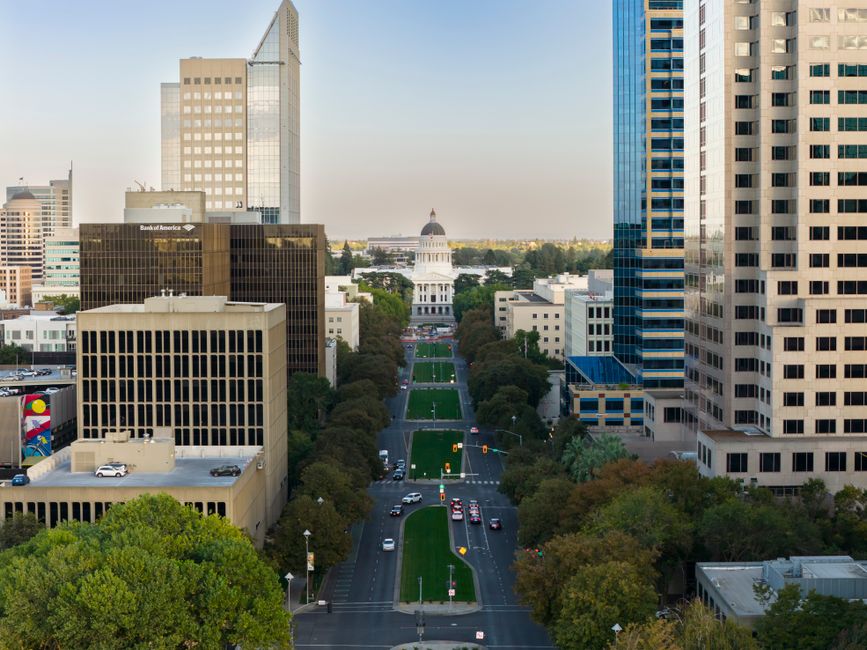
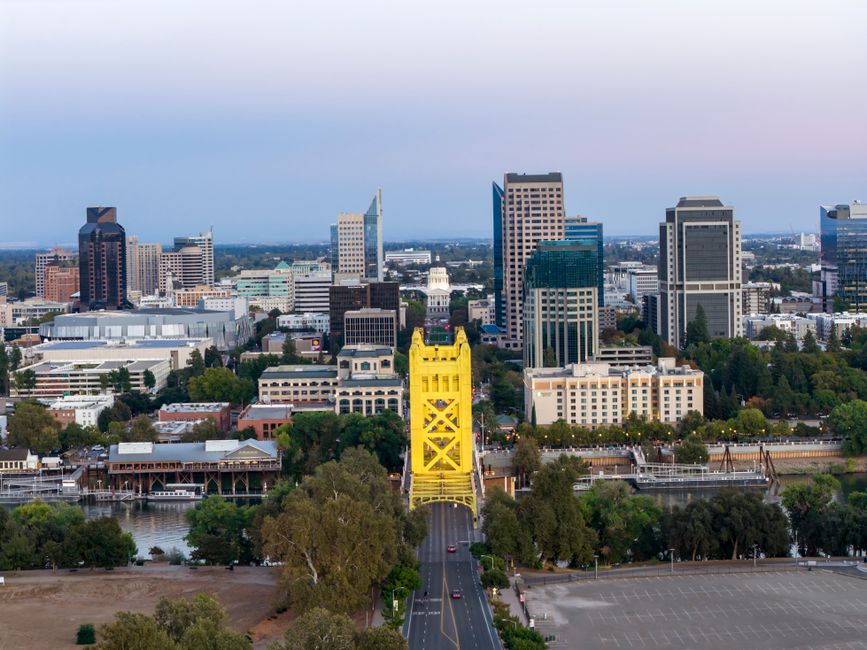
That said, downtown isn't a no-go. The blocks around the Capitol building, the Old Town district along the riverfront, and the restaurant corridors (especially around K Street and L Street) have foot traffic and lighting. Daytime and early evening are genuinely fine. I walked around mid-afternoon without any tension. The problem emerges after 10 p.m., when crowds thin and the mix of transient populations and reduced police presence creates vulnerability. If you're going to a late show or dinner downtown, plan a rideshare back or use the light rail before the final runs end around midnight.
One practical note: parks and surface lots empty out fast once the sun drops. Avoid parking on side streets and walking alone to your car at night. Use well-lit parking structures or valet if available.

Del Paso Boulevard and the North Loop: Inconsistent Blocks
Del Paso Boulevard runs north-south through an older, mixed-income part of the city, and while portions are fine and improving, the entire corridor has pockets where property crime and street activity are elevated. This isn't a blanket statement—some blocks feel ordinary, others have visible vacancy and disorder. The inconsistency is actually the warning: you can't assume safety block by block.
I found the area around Del Paso and Elvas reasonably active with small businesses and residents, but a few blocks north the street felt markedly different. If you're staying in a hotel or Airbnb in this zone, it's navigable, but solo nighttime walks aren't recommended. Stick to daytime errands, use transit or a car after dark, and don't leave valuables visible in parked vehicles. Residents here are generally fine—the issue is environmental. It's the kind of place where situational awareness matters more than sheer panic.
South Sacramento and the 65th Street Corridor: Mixed Signals
South Sacramento, particularly areas around 65th Street and toward the southern edge of the city, shows up regularly in crime statistics and in local conversation as neighborhoods where you should be more cautious. Again, this isn't a uniform warning—there are families, working residents, and ordinary blocks here. But the area does have higher rates of gang activity, property crime, and street-level tension than safer parts of the city.
Solo travelers have no real reason to spend time in the deeper parts of South Sacramento unless they're staying with someone who lives there. If you do end up in this zone (visiting someone, passing through), stick to driving or daylight hours, stay aware of who's around you, and don't linger. The light rail does run through here, and it's generally safe during operating hours, but I'd avoid waiting alone at stations late at night.
Transit Stations: Daytime Fine, Evening Iffy
Sacramento has a legitimate light rail system that connects the airport, downtown, and various neighborhoods. It's useful. During the day and early evening, stations are busy enough and staffed enough that they feel ordinary. After 9 p.m., though, platform crowds thin significantly, and some of the outer stations (especially Meadowview, Florin, and Fruitridge) can feel isolated.
I used the light rail several times during daytime and early evening with no issues. The cars themselves are clean and functional. But I also saw that late-night ridership is sparse, which creates a vulnerability dynamic. If you're arriving at the airport late or leaving downtown after dark, a rideshare is a better bet than waiting for a train. During normal hours, the transit system is genuinely convenient and a smart way to avoid downtown driving and parking headaches.
Neighborhoods That Feel Genuinely Safe
Curtis Park, Pocket-Land Park, and the Fabulous Forties (roughly around 40th Street and surrounding blocks) are residential, tree-lined, and genuinely quiet. These neighborhoods feel different—safer, more established, less transient. Midtown Sacramento, which has developed significantly in recent years with restaurants, bars, and younger residents, feels lively and well-populated, especially around 20th and L Street. I walked through both areas in the evening without unease.
Rancho Cordova (technically a separate city, but often considered part of greater Sacramento) and areas around the American River Parkway also have lower reported crime and feel more relaxed. Land Park, with its zoo and river access, is family-oriented and safe during daytime hours. If you're staying in any of these zones, you're essentially out of the risk picture. You can walk in daylight, navigate reasonably in evening, and not worry about where you're parked.
Practical Precautions That Actually Work
The obvious ones first: don't leave valuables visible in your car. Use hotel safes. Carry only what you need when you go out. If you look lost and distracted, you broadcast vulnerability. Walk like you know where you're going, even if you don't.
Be selective about timing. Most of Sacramento's real risk concentrates after 10 p.m. If you're going out for dinner or entertainment, do it during normal evening hours (before 10) and plan your return trip in advance. Download a transit app or have Uber/Lyft ready rather than being caught without a ride at midnight.
If you're renting a car, park in visible, populated areas. Avoid leaving it parked overnight on residential streets, especially in the downtown or older neighborhood cores. Use hotel parking or paid parking structures. The catalytic converter theft problem is real enough that visible security matters.
The Honest Reality
Sacramento isn't a dangerous city by national standards. It's not Oakland or Los Angeles. But it's also not uniformly safe, and pretending otherwise does you a disservice. The risk is real in specific places and times, manageable with awareness, and nearly nonexistent in others.
Most solo travelers visiting Sacramento will have a fine time. Stick to midtown, downtown before 10 p.m., the Capitol area, and Old Town. Take a rideshare back to your hotel after dark. Don't leave valuables in your car. Be present and aware. That covers 95 percent of what you need.
The other 5 percent is acknowledging that some streets and neighborhoods are legitimately riskier, especially after hours. Those areas aren't off-limits, but they're not where you should be wandering aimlessly at 2 a.m. Common sense, applied consistently, makes Sacramento a reasonable place to move around solo.