
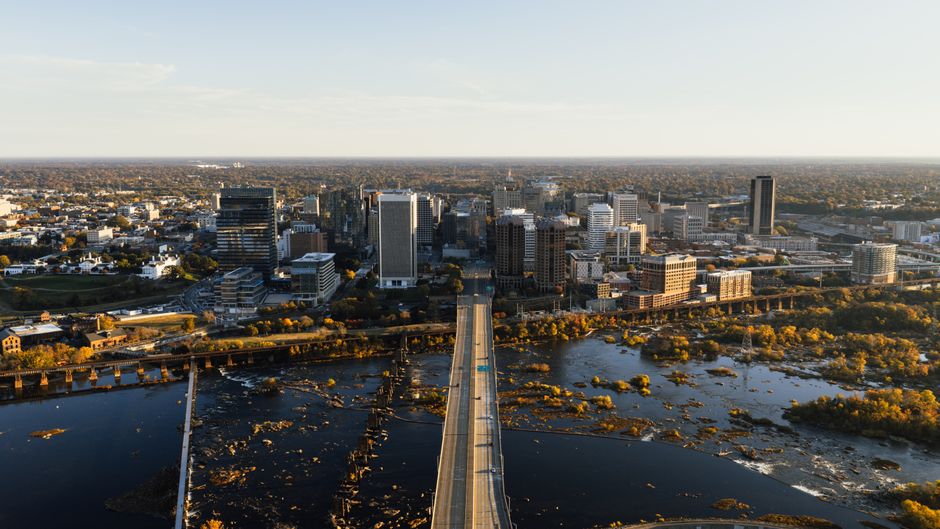
I landed in Richmond on a Thursday afternoon with the usual mix of excitement and caution that comes with any solo trip to an unfamiliar city. The James River was visible from the highway—wide and moody under a gray sky—and I kept thinking about how much I didn't know yet. Where should I stay? Which neighborhoods felt genuinely lively versus sketchy? What's the difference between what locals actually worry about versus what out-of-towners assume?
After spending a week walking these streets, talking to residents, and reading the local crime data, I came away with a pretty clear picture. Richmond is not dangerous in the way some people imagine Southern cities are. But like any mid-sized American city with pockets of concentrated poverty and a complex history, it has real geography to understand. The good news: most of the places a traveler actually wants to go are safe, especially during daylight and evening hours. You just need to be smart about timing, location, and how you move around.
The Neighborhoods Worth Knowing About
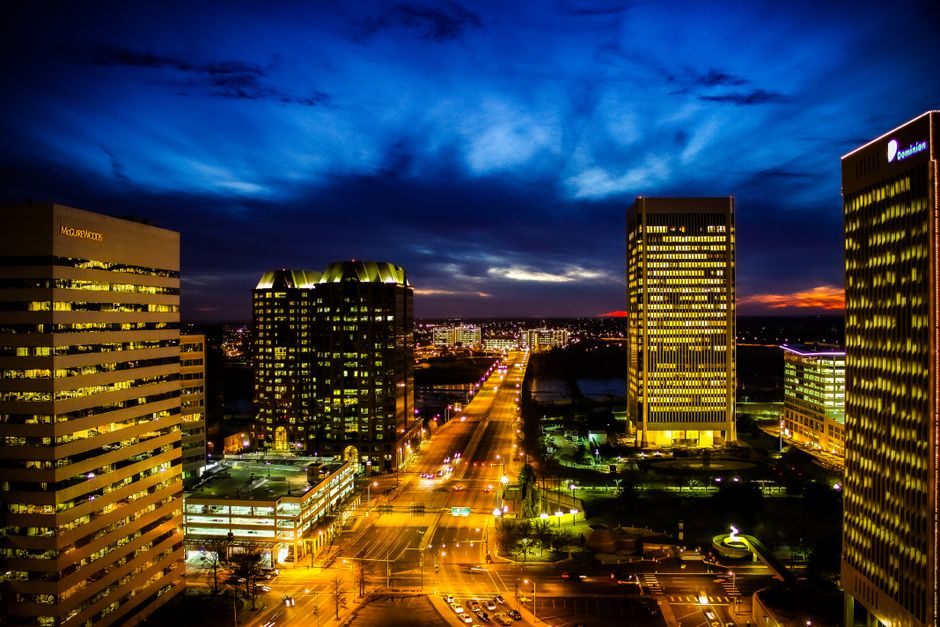
Richmond's safest and most visitor-friendly areas cluster around the downtown core and the neighborhoods that radiate from it. Carytown, the Fan District, Monument Avenue, and the Manchester waterfront corridor—these are where you want to spend your time. They're well-lit, pedestrian-friendly, and typically full of people into the evening. I spent my first night in the Fan District and felt completely at ease walking to dinner at 8 PM.
There are parts of North Richmond and East Richmond where crime rates are consistently higher than the city average, according to Richmond Police Department data that's published annually. These aren't tourist zones anyway—you won't have a reason to wander there unless you're specifically seeking a neighborhood that's not on the typical visitor circuit. The key is not avoiding the city entirely, but rather being intentional about which blocks you walk at which times.
Some transitional neighborhoods like Jackson Ward and parts of near-Southside have seen genuine investment and revitalization in recent years, with new galleries, restaurants, and bars opening up. They're worth visiting during the day and early evening, though I'd be more cautious about solo walks on quieter blocks after midnight.
When to Walk, When to Take a Ride
I made a personal rule: never walk more than 15 minutes from my hotel to a venue after 10 PM, and even then, I'd text a friend my location. During daylight hours, downtown Richmond is genuinely walkable. The streets are active, there are people around, and the neighborhoods are architecturally interesting enough that you won't feel like you're just passing through.
Once the sun drops and you're past 11 PM, pivot to rideshare or a taxi. A $6 Uber from Carytown back to downtown is not a luxury—it's just common sense. Richmond's public transit system exists, but it's not extensive enough that a solo traveler at night would use it as a primary way to get around. Use it during the day to explore, absolutely. At night, pay the few dollars for a rideshare.
The pedestrian environment also matters. A well-lit commercial strip with foot traffic at 9 PM? Safe. A residential block with broken streetlights and parked cars lining empty sidewalks? Even at 7 PM, I'd rather drive or walk with a purpose and company.
Practical Precautions (Nothing You Haven't Heard Before)
The standard travel-safety stuff actually works here. Don't flash expensive cameras or jewelry. Keep your phone in your pocket or bag when you're walking, not in your hand. Be aware of your surroundings. If you feel uncomfortable on a particular block, trust that feeling and move to a busier area or take a rideshare.
I stayed in an Airbnb in the Fan District and made a point of noting the routes between my place and the restaurants and bars I wanted to visit. I knew which streets had good foot traffic, which ones I'd take after dark, and which I'd skip entirely at night. That kind of basic planning took maybe 20 minutes and made me feel genuinely comfortable the whole week.
One thing specific to Richmond: the James River and surrounding parks like Maymont are beautiful, but they're less obviously patrolled and populated than urban commercial streets. Go during the day, absolutely. Evening walks on marked trails are fine if there's still daylight. After dark, these aren't places I'd be solo.

Where to Actually Spend Your Time
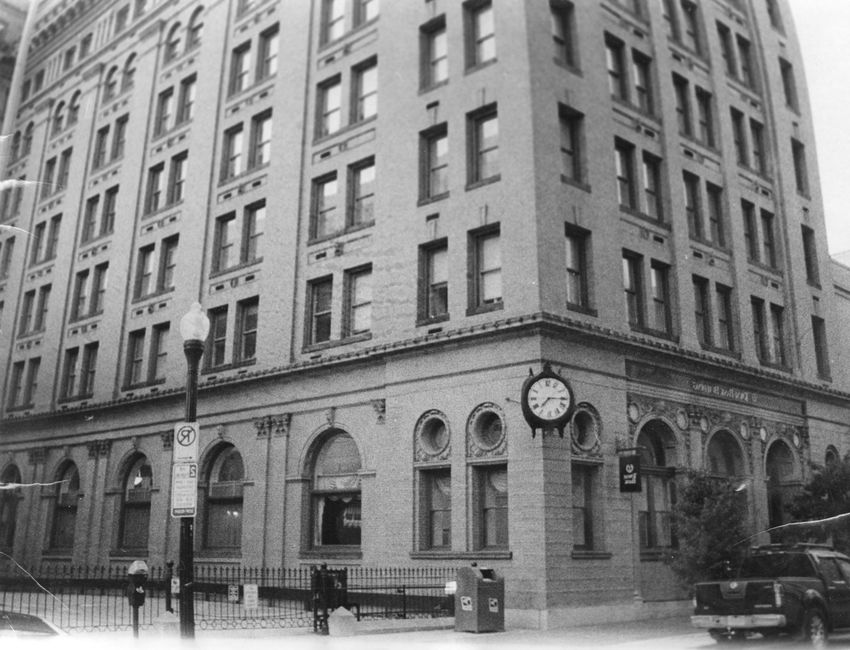
The downtown corridor around Main Street, Broad Street, and the Tobacco Row area are genuinely nice and consistently safe. I had some of my best meals in Richmond in these blocks, and the energy at night is good—restaurants, bars, galleries, the Valentine museum. I never felt out of place walking here at 8 or 9 PM, even alone.
Carytown is more commercial and polished, full of independent boutiques and restaurants. It feels almost small-town-safe compared to the slightly grittier energy of downtown. Monument Avenue is tree-lined and stately, full of jogging pedestrians and people walking dogs. Church Hill is a bit more mixed—some blocks are absolutely charming and safe, while others (especially the eastern edges) I'd be cautious about solo after dark.
Broadway and Belvidere Avenue in the Museum District are solid, well-traveled routes with good lighting. The Science Center and surrounding cultural institutions bring a steady flow of families and students. The canal walk along the James is lovely for a morning or afternoon outing.
What Residents Actually Worry About (And What They Don't)
I asked a bartender and a grad student I met what they genuinely worry about. Neither mentioned downtown being unsafe. Both mentioned that property crime and car break-ins are more of a concern than violent crime. Both also mentioned that if you look like you're obviously on vacation—consulting maps, looking uncertain, expensive gear—you might attract low-level street attention in certain areas, which is more annoying than dangerous.
None of the residents I spoke with said Richmond is dangerous in the way that requires constant fear. What they did say is that it's a real city with real disparities, and some blocks are more commercial and populated than others. That matters for how you navigate it, but it doesn't mean you should avoid the place.
One consistent note: the police presence in downtown and the fan is notably higher, especially at night and on weekends. That can feel either reassuring or slightly heavy-handed depending on your perspective, but it reflects where the city prioritizes visibility.
Night Life and Late-Night Navigation
Richmond's bar scene is genuinely fun, and there's no shortage of places to drink and socialize. I hit a few spots on Main Street and had a great night—locals, visitors, a decent mix. If you're bar-hopping solo or meeting people, stick to the known entertainment districts. Don't wander into residential blocks chasing a bar recommendation you found online without checking the actual location first.
Shotter's, the Canal Club, and various spots around Broad Street have the kind of foot traffic where you can walk between venues without much worry. I'd still take a rideshare back to my hotel rather than a 20-minute solo walk, but the in-between moves felt fine.
The late-night food scene—which in Richmond means tacos and fried chicken spots open past 11 PM—tends to cluster in known areas. Know where you're going before you get hungry at 1 AM.
Money and Street Sense
Richmond isn't expensive, which means you can afford to be safe. Take a $7 Uber instead of a 25-minute walk. Eat at a restaurant instead of being cheap and wandering unfamiliar blocks looking for a 24-hour convenience store. A solo traveler's best tool is the flexibility to make small financial choices that keep you in safer, more populated areas.
Don't carry large amounts of cash. Use ATMs in visible, well-populated places—inside banks or commercial establishments, not standalone machines on empty streets at night. Keep your cards and ID in separate places.
The panhandling you'll encounter downtown is not threatening, but it's present. A firm "No, thank you" works. The vast majority of folks asking are just asking. If someone follows you or persists after you've declined, move into a store or restaurant.
The Bottom Line
Richmond is worth visiting solo. The city has real character, good food, interesting history, and walkable neighborhoods that actually feel alive. The safety concerns are not about Richmond being uniquely dangerous—they're about being a normal person in a mid-sized American city and using the judgment you'd use anywhere else.
Pay attention to your surroundings. Know where you're going. Walk with purpose. Stay in the right neighborhoods at the right times. Use rideshare at night. And you'll have a completely fine, probably really good time. I did, and I was being cautious enough to ask every third person I met about safety. No one told me to leave. Everyone told me where to go.



